Updated July 16, 2026

Commercial Auto Insurance in Cleveland
Property managers, lenders, venue operators, and general contractors around Cleveland often want current certificates before you can pull into a loading area, start tenant work, or send a crew vehicle onto a site. For commercial auto insurance in Cleveland, satisfying them usually means matching the certificate to how your vehicles are actually used, whether those are owned pickups, leased vans, hired rentals, or an employee's car pressed into service for errands and deliveries. Your routes can shift fast between downtown loading zones, hospital campuses, retail corridors, and older industrial properties where tight corners and frequent backing mean more minor impacts than you'd see on open suburban roads. Cuyahoga County has 31,728 business establishments, which means proof of coverage gets checked by a lot of counterparties before work starts or a contract renews. If your business moves tools, inventory, patients, food, or staff, review whether your policy language, driver list, and vehicle schedule line up with those daily uses.
Commercial Auto Insurance Risk Factors in Cleveland
Cleveland's top risk factors include Severe weather, Property crime, Flooding, and Vehicle accidents. Cleveland's crime index of 123 (national avg: 100) increases vehicle theft risk, comprehensive auto coverage is important here. Flooding can cause significant vehicle damage, make sure comprehensive coverage is included.
Ohio has a moderate climate risk rating. Top hazards: Severe Storm (High), Tornado (High), Flooding (Moderate), Winter Storm (Moderate). The state's expected annual loss from natural hazards is $1.4B, which influences commercial auto insurance premiums and may affect coverage availability in high-risk areas.
What Commercial Auto Insurance Covers
Commercial auto insurance in Ohio is built around business use, so the policy is meant to respond when a company car, van, truck, or specialty vehicle is being driven for work. The Ohio minimum liability requirement for commercial vehicles applies, and that baseline is important because it can help address bodily injury and property damage claims after a vehicle accident. Many Ohio businesses also add collision coverage for physical damage from crashes and comprehensive coverage for losses tied to severe weather, theft, or other non-collision events. That is especially relevant in a state that has faced tornado outbreaks, derecho events, river flooding, and winter storms in recent years.
Ohio's market also makes endorsements worth reviewing. Hired auto coverage can extend protection to vehicles your business rents, and non-owned auto coverage can help when employees use personal vehicles for errands, client visits, or deliveries. Medical payments and uninsured motorist protection matter here, and uninsured and underinsured motorist coverage may be required, so those details should be confirmed on the quote. Policy setup should line up with registration and business use from the start.
Coverage Included

Bodily Injury Liability
Covers injuries you cause to others in an accident

Property Damage Liability
Covers damage you cause to others' property
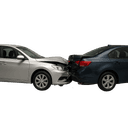
Collision Coverage
Pays for damage to your vehicle in an accident

Comprehensive Coverage
Covers theft, vandalism, weather, and animal damage

Medical Payments
Covers medical costs for your drivers and passengers

Uninsured Motorist
Protection when the other driver lacks insurance
Hired & Non-Owned Auto
Covers rented or employee-owned vehicles used for work
Commercial Auto Insurance Cost in Cleveland
Average Cost in Ohio
$120 - $340
per month
Businesses in Ohio typically see commercial auto insurance premiums of $120 - $340 per month, which tends to run 16% below the national range of $140 - $410 per month.
- Fleet size and vehicle types
- Driver records and experience
- Coverage limits and deductibles
- Business industry and use
- Annual mileage and operating radius
- Claims history
Rates based on small business averages. Your actual premium may vary.
Prices shown are general estimates, not guaranteed rates or quotes. Your actual premium will depend on the insurer, coverage selected, business details, location, claims history, and other underwriting factors. Learn about our pricing methodology.
Ohio pricing for this coverage reflects vehicle type, mileage, driver records, and claims history. The average premium range is $120 to $340 per month, while the product average is about $140 to $410 per vehicle per month and roughly $1,200 to $2,400 annually per vehicle for many small businesses. Ohio's premium index is 92, which means premiums here run about 8% below the national average, so your baseline cost may be lower than in many other states. Your final cost still varies by fleet size, vehicle type, driver records, coverage limits, deductibles, industry, annual mileage, operating radius, and claims history.
Ohio recorded 298,000 crashes in 2023, with common causes including lane departure, speeding, reckless driving, weather conditions, and following too closely. The average claim cost was $21,038, which can exceed what many small businesses keep in reserve for a single incident. The uninsured driver rate was 12.4%, so liability and uninsured motorist decisions can affect both price and protection. Severe storm and tornado exposure also matters because weather-related damage can push up the value of comprehensive coverage for vehicles parked outdoors or used across multiple counties.
Business mix also influences pricing. Ohio's economy includes 286,400 businesses, 99.6% of which are small businesses, so most quotes are for lean operations with a handful of vehicles. A local service company with one company car in Columbus may see a different quote than a delivery fleet running long daily mileage through Cleveland, Toledo, or the I-71 corridor. If your vehicles are newer, your drivers are experienced, and your limits and deductibles are balanced, the quote may look different than for a higher-mileage fleet with more complex use.
Industries & Insurance Needs in Cleveland
Cuyahoga County's business mix changes how many local fleets are used and what they carry. Retail trade accounts for 12.3% of county establishments, health care and social assistance 12%, and professional, scientific, and technical services 11.8%, so a Cleveland commercial auto policy often needs to fit very different duty cycles. A retailer may need delivery and cargo-related discussions. A home health or social service operation may need to review frequent stops, employee drivers, and non-owned auto exposure. A professional firm may have fewer miles but still use personal vehicles for client visits, bank runs, or site meetings. The practical takeaway is simple: do not ask for a generic fleet quote. Ask for the vehicle schedule, driver roster, radius of operation, and hired and non-owned auto exposure to be reviewed against your actual routes and job functions.
What Makes Cleveland Different
In many markets, owners shop mainly around renewal or after adding a vehicle. Around Cleveland, the trigger is often operational, because a landlord wants proof before access, a lender wants evidence on financed units, and a contractor wants certificates that match contract language before your vehicle enters the job. Getting the details right early keeps you from scrambling when a gate is locked. If your named insured is off, a vehicle is missing, or hired and non-owned auto was never discussed, you can end up delaying work even if you technically have a policy. Treat the quote process like document control, not just price shopping. Gather VINs, garaging addresses, driver details, and contract insurance requirements.
Our Recommendation for Cleveland
Think about how your vehicles are dispatched day to day. If one van stays local while another crosses the county for service calls, say that clearly. Employees who use their own cars for deposits, supply pickup, or client visits create an exposure that needs hired and non-owned auto reviewed rather than assumed. When you finance or lease vehicles, confirm the loss payee and additional insured requests can be issued correctly on certificates. You should also check whether older trucks, seasonal vehicles, and newly acquired units are all listed the way the business actually uses them. Keep a current driver roster with license status and job role, then compare quotes using the same limits and deductibles so the differences are real. Before binding, read the symbols and endorsements line by line and make sure they match your contracts and daily operations.
Get Commercial Auto Insurance in Cleveland
Enter your ZIP code to compare commercial auto insurance rates from carriers in Cleveland, OH.
Business insurance starting at $25/mo
FAQ
Frequently Asked Questions
Cleveland property managers and contractors often use certificates as a gatekeeping document before vehicle access or job start. With thousands of contract relationships active across the county, your certificate should match the named insured, vehicles, and requested endorsements.
Cleveland businesses should review this anytime employees use personal cars for errands, client visits, deposits, or supply runs. A policy on company-owned vehicles does not automatically mean non-owned auto exposure was addressed, so ask for that use to be discussed during quoting.
Cuyahoga County's establishment mix leans 12.3% retail trade, 12% health care and social assistance, and 11.8% professional, scientific, and technical services, so a florist making daily deliveries faces different driving demands than a consultant heading to occasional client meetings. Your policy should reflect how your vehicles actually operate.
Gather VINs, garaging addresses, driver information, loss runs if available, and any contract insurance requirements. If a lender or landlord is involved, have the exact certificate wording ready so the quote can be checked against real operational demands.
Compare options with the same core terms first, then adjust deductibles or vehicle schedules deliberately instead of trimming coverage blindly. A lower premium that comes from removing protection your contracts or daily use still require is not really a savings.
In Ohio, it can cover liability for bodily injury and property damage, collision damage, comprehensive losses tied to theft or weather, medical payments, and uninsured and underinsured motorist protection. It can also be expanded with hired auto and non-owned auto coverage when your business rents vehicles or employees use personal cars for work.
The average range is $120 to $340 per month per vehicle, while the product average for small businesses is about $140 to $410 per vehicle per month. Your quote can move up or down based on vehicle type, driver records, limits, deductibles, mileage, operating radius, and claims history.
Any Ohio business using a car, van, truck, or fleet for work should review it, including companies with delivery routes, client visits, or transported materials. Businesses that rely on employees' personal vehicles should also look at hired and non-owned auto coverage because personal policies may not fully respond to business use.
Sources
- 1.U.S. Census Bureau, County Business Patterns, Cuyahoga County(In Cuyahoga County, there are 31,728 business establishments, so proof of coverage gets checked by a lot of counterparties before work starts or a contract renews.; Retail trade accounts for 12.3% of county establishments, health care and social assistance 12%, and professional, scientific, and technical services 11.8%, so a Cleveland commercial auto policy often needs to fit very different duty cycles.)
Updated July 16, 2026