








































Updated July 5, 2026

Commercial Truck Insurance in Cleveland
Property managers, warehouse operators, lenders, and prime contractors around Cleveland often ask for current certificates before they release a dock slot, approve financed equipment, or let your truck onto a job site. Satisfying them locally usually means your COI matches the named insured, vehicle schedule, and requested limits, with endorsements lined up before the first pickup or delivery. If you are shopping for commercial truck insurance in Cleveland, that paperwork discipline matters as much as the truck itself. A local operation may run building materials into neighborhood rehabs one day, medical or retail deliveries the next, then stage at an industrial property where gate access depends on clean proof of coverage. In Cuyahoga County there are 31,728 business establishments, so you are dealing with a dense base of shippers, receivers, landlords, and subcontractors that may each set their own insurance requirements before work starts. Bring your broker the contracts you sign most often, your radius, unit list, driver roster, and any trailer interchange or additional insured requests, then compare quotes against those real obligations instead of buying on price alone.
Commercial Truck Insurance Risk Factors in Cleveland
Cleveland's top risk factors include Severe weather, Property crime, Flooding, and Vehicle accidents.
Ohio has a moderate climate risk rating. Top hazards: Severe Storm (High), Tornado (High), Flooding (Moderate), Winter Storm (Moderate). The state's expected annual loss from natural hazards is $1.4B, which influences commercial truck insurance premiums and may affect coverage availability in high-risk areas.
What Commercial Truck Insurance Covers
Your policy is built around the exposures that come with hauling freight on state highways, local delivery routes, and interstate lanes. The core coverages are motor carrier liability, physical damage, cargo coverage, trailer interchange, bobtail coverage, and non-trucking liability.
For interstate freight, the liability structure still has to align with FMCSA expectations. Federal minimum liability requirements apply to general freight carriers, while hazardous materials may require higher limits. Ohio's commercial auto minimum applies to vehicles subject to state auto rules, but shipper and broker contracts can exceed those minimums.
Endorsements let you tailor your policy to Ohio-specific route exposure, which changes quickly with seasonal weather. Physical damage may help address repair or replacement costs after a collision or other covered loss, while cargo insurance may cover freight in transit. Bobtail coverage and non-trucking liability may apply to owner-operators who lease on but are not always under dispatch. Trailer interchange may apply when you handle borrowed or exchanged trailers under contract.
Coverage Included

Motor Carrier Liability
Can help cover injuries and property damage your truck causes to others, a coverage federal regulators require most for-hire carriers to maintain.
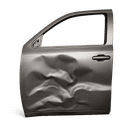
Physical Damage
Can help pay to repair or replace your own truck after an accident, fire, theft, or vandalism.
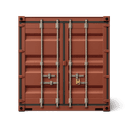
Cargo Coverage
May pay for damage to or theft of the freight you are hauling while it is in your care.
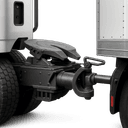
Trailer Interchange
Can help cover damage to trailers you haul under an interchange agreement but do not own.

Bobtail Coverage
May provide liability protection when you drive your tractor without a trailer attached, such as after dropping off a load.

Non-Trucking Liability
Can help cover accidents that happen when you use your truck for personal errands rather than dispatched work.
Commercial Truck Insurance Cost in Cleveland
Average Cost in Ohio
$340 - $850
per month
Businesses in Ohio typically see commercial truck insurance premiums of $340 - $850 per month, which tends to run 22% below the national range of $400 - $1,125 per month.
- Radius of operation
- Commodities hauled and cargo value
- Number and value of power units
- Driver motor vehicle records and CDL experience
- DOT safety record, inspections, and FMCSA scores
- Liability limits and physical damage deductibles
Contact CPK Insurance for a personalized quote.
Prices shown are general estimates, not guaranteed rates or quotes. Your actual premium will depend on the insurer, coverage selected, business details, location, claims history, and other underwriting factors. Learn about our pricing methodology.
Ohio's competitive market can create meaningful differences between quotes for the same operation.
Several Ohio-specific factors can move pricing up or down. The state has a moderate overall risk profile, but weather events can create loss potential. Carriers think carefully about route and garage exposure when assessing risk. Dense traffic conditions can feed into liability and physical damage pricing. The state also has uninsured drivers on the road, which raises the odds of an accident where the other party cannot pay.
Your quote will also reflect claims history, coverage limits, deductibles, endorsements, and the type of freight you haul. Carriers will usually want unit details, VINs, garaging locations, driver records, and hauling radius before quoting.
Industries & Insurance Needs in Cleveland
Cuyahoga County's business mix changes what many truck operators are asked to insure. Retail trade accounts for 12.3% of establishments, health care and social assistance 12%, and professional, scientific, and technical services 11.8%, so local trucking work often touches time-sensitive deliveries, higher-expectation receivers, and contracts written by sophisticated counterparties. That usually means you should review more than basic liability. If you serve retail locations, ask how loading practices, frequent stops, and after-hours deliveries affect your file. If you handle health care related shipments, review cargo descriptions, temperature sensitivity, and any contractual insurance language before binding. If you subcontract for firms that manage projects or facilities, expect tighter certificate wording and requests for additional insured or waiver language. The practical move is to sort your accounts by receiver type, then quote coverage around the contracts and cargo you actually handle most often.
What Makes Cleveland Different
Contract-driven access is what changes the calculus here. In many markets, a truck can show up and sort out paperwork later. Around Cleveland's commercial properties, that approach can cost you the load, the dock appointment, or the subcontract. The local business base creates a high volume of handoffs between shippers, receivers, landlords, and general contractors, so insurance is often checked as an operating credential, not just a back-office document. That affects how you buy. You may need certificates turned quickly, scheduled autos updated without delay, and policy language reviewed against recurring contract terms before a dispatcher commits the truck. It also means a low-priced quote can become the expensive one if it cannot support additional insured requests, hired and non-owned auto needs, or trailer interchange exposure tied to your actual work. Before you bind, identify who asks you for proof most often, what wording they require, and how fast those requests come in during a normal week.
Our Recommendation for Cleveland
Start with your paperwork flow, not just your truck list. Pull the last few certificates you sent, the contracts behind them, and any lender or landlord requirements, then ask for a quote built around those recurring requests. If your work mixes retail stops, facility deliveries, and contractor jobs, separate those lanes so limits and endorsements can be reviewed against each exposure instead of averaged together. Ask specifically about how scheduled vehicles, newly acquired units, trailer interchange, hired and non-owned auto, and cargo are handled under the policy terms you are considering. If you use owner-operators or occasionally rent equipment, say that early, because those details can change what should be reviewed. Keep driver information, garaging addresses, and VIN schedules current, then request sample certificates before purchase. That lets you see whether the policy can satisfy the people who control site access, financing, and load release.
Get Commercial Truck Insurance in Cleveland
Enter your ZIP code to compare commercial truck insurance rates from carriers in Cleveland, OH.
Business insurance starting at $25/mo
FAQ
Frequently Asked Questions
Cleveland accounts often want a certificate that matches your legal business name, covered vehicles, and requested limits before they release a dock or job site. Bring the actual contract language to your quote review so additional insured or other wording can be checked in advance.
Cuyahoga County has a dense business base, so many truck operators deal with frequent certificate requests and varied contract terms. That makes administrative fit important. Review turnaround for COIs, vehicle changes, and endorsement requests before choosing a policy.
Cleveland area routes tied to retail and health care accounts often involve tighter delivery windows and more specific cargo expectations. Review cargo descriptions, stop frequency, loading practices, and any receiver contract language so the quote reflects the work you actually accept.
Cuyahoga County's leading sectors are retail trade at 12.3%, health care and social assistance at 12%, and professional, scientific, and technical services at 11.8%. That mix can mean more formal contracts and certificate requirements, so policy wording deserves a closer review.
Cleveland financed trucks should be quoted with lender requirements in hand, because loss payee and other documentation requests can affect what needs to be issued. Share financing paperwork early so your policy documents and certificates are easier to align before delivery starts.
In Ohio, it can be structured around motor carrier liability, physical damage, cargo coverage, trailer interchange, bobtail coverage, and non-trucking liability insurance, depending on how you haul and where you operate.
Ohio commercial auto minimums are listed at $25,000/$50,000/$25,000, but interstate freight may also need FMCSA-aligned liability limits, and coverage needs can vary by industry and business size.
Your actual price depends on limits, deductibles, claims history, location, endorsements, and what you haul.
Sources
- 1.U.S. Census Bureau, County Business Patterns, Cuyahoga County(In Cuyahoga County there are 31,728 business establishments, so you are dealing with a dense base of shippers, receivers, landlords, and subcontractors that may each set their own insurance requirements before work starts.; Cuyahoga County's leading sectors are retail trade at 12.3%, health care and social assistance at 12%, and professional, scientific, and technical services at 11.8%, so local trucking work often touches time-sensitive deliveries, higher-expectation receivers, and contracts written by sophisticated counterparties.)
Updated July 5, 2026





