Updated July 16, 2026

Homeowners Insurance in Cleveland
Older housing stock shapes your policy more than anything else in Cleveland. Your coverage has to match how a century home is actually built and maintained, not just what it might sell for. When you shop for coverage, that gap shows up fast. A house with a modest market value can still need careful dwelling limits and a close look at structural details before you bind coverage.
The local median home value is $94,100. Buyers tend to anchor on that number and under-review what it would actually cost to rebuild. That is especially true if you are buying a century home, inheriting a paid-off property, or keeping a rental conversion as your primary residence again. Median household income is $39,187. A typical family here would have a hard time absorbing an unexpected four-figure repair bill out of pocket. Your deductible and endorsements have to stay affordable the month after a claim, not just on renewal day. Before you request quotes, gather the year built, update dates, roof age, and any history of knob-and-tube wiring, galvanized plumbing, or foundation issues. Then compare how each carrier values the structure and handles older-home conditions.
Ohio has a moderate climate risk rating. Top hazards: Severe Storm (High), Tornado (High), Flooding (Moderate), Winter Storm (Moderate). The state's expected annual loss from natural hazards is $1.4B, which influences homeowners insurance premiums and may affect coverage availability in high-risk areas.
What Homeowners Insurance Covers
In Ohio, homeowners insurance is built around the same core protections found elsewhere, but the details matter because state weather and rebuilding conditions can affect how much protection you need. Your policy can help pay to repair or rebuild the structure of your home after covered damage, and it may extend to detached garages, sheds, or fences. Personal property coverage may help protect belongings inside the home, while liability coverage can respond if someone is injured on your property. If a covered loss makes your home unlivable, additional living expenses coverage may help with temporary housing.
Ohio does not require a state-mandated homeowners policy, and the Ohio Department of Insurance regulates the market rather than setting a universal minimum. That means exclusions and endorsements vary by carrier. One important point is flood damage. Standard homeowners policies exclude it, so homes near rivers or low-lying areas may need separate flood insurance through NFIP or a private insurer. That matters in a state with river flooding history and moderate flood risk.
For Ohio homeowners, it is also important to match dwelling coverage to current reconstruction costs, not market value. The state's average dwelling coverage is about $156,000, which gives you a reference point. If your rebuild estimate comes in higher, you may need to raise your dwelling limit to avoid a shortfall after a major loss. In older neighborhoods and storm-prone areas, the right endorsements can make a major difference in how a claim is paid.
Coverage Included

Dwelling
Repairs or rebuilds your home itself, the walls, roof, floors, built-in appliances, and attached structures like a garage, after a covered loss. Set this limit to the full cost of rebuilding, not market value.
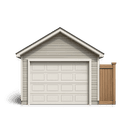
Other Structures
Detached structures on your property, such as a fence, shed, detached garage, or gazebo. Usually set at about 10 percent of your dwelling limit [2].

Personal Property
Your belongings, furniture, clothing, electronics, and appliances, generally written at 50 to 70 percent of your dwelling limit [2]. High-value items like jewelry and art carry special limits.

Additional Living Expenses
Also called loss of use. Pays your added living costs, hotel stays, meals, and a temporary rental, while a covered loss makes your home uninhabitable. Usually set at about 20 percent of your dwelling limit.

Liability
Covers you if someone is injured on your property, or you damage someone else's property, and you are found responsible. The standard $100,000 limit [2] is often raised to $300,000 or $500,000.

Medical Payments
Pays small medical bills, commonly $1,000 to $5,000, if a guest is hurt at your home regardless of fault, without a formal liability claim.
Homeowners Insurance Cost in Cleveland
Average Cost in Ohio
$80 - $180
per month
In Ohio, homeowners insurance premiums typically run $80 - $180 per month, which tends to run 28% below the national range of $110 - $250 per month.
- Home replacement cost, age, and construction type
- Roof age, material, and condition
- ZIP code and local weather risk (wind, hail, wildfire, hurricane)
- Coverage limits and endorsements
- All-peril and percentage wind/hail deductibles
- Claims history and insurance score where allowed
Typical range for many standard homeowners profiles; lower-risk homes fall below it and coastal, wildfire, or older-roof homes can run well above. Final pricing depends on property details, location, underwriting, and selected coverage.
Prices shown are general estimates, not guaranteed rates or quotes. Your actual premium will depend on the insurer, coverage selected, personal details, location, claims history, and other underwriting factors. Learn about our pricing methodology.
Homeowners insurance cost in Ohio is generally below the national average, but the price still varies widely by home and coverage choices. The state's average starts at $107 per month, compared with a national average of $165, meaning Ohio buyers often pay less. If your quote lands well above that range, it may be worth checking whether your dwelling limit or endorsements are driving the difference. The broader average premium range in Ohio is about $80 to $180 per month. That range reflects differences in dwelling size, rebuild cost, deductibles, claims history, and policy endorsements.
Several Ohio-specific conditions affect pricing. Severe storm and tornado exposure can push premiums upward in some areas, especially where wind damage is a recurring concern. Winter storms and flooding can also influence what carriers expect to pay over time. Ohio's reconstruction cost index is 90, meaning rebuilding costs run about 10 percent below the national baseline. That can translate into lower dwelling limits for some homes, but older homes, wear and tear, and higher coverage limits can still raise the quote.
Location also matters because the state has a mix of urban, suburban, and rural risk profiles. A home in Columbus, Cincinnati, Cleveland, Toledo, or Akron may be rated differently depending on neighborhood-level storm exposure, fire protection, and claims patterns. Ohio's competitive market, with carriers such as Erie Insurance, gives shoppers more than one quote path. Compare the full quote, not just the monthly premium. Look at the dwelling limit, personal property limit, liability limit, deductible, and any endorsements tied to your home's specific risks.
What Affects Homeowners Insurance Rates in Cleveland
Cleveland's cost conversation often starts with affordability, not just premium. A low premium can still be the wrong fit if it comes with a deductible you would struggle to absorb after a roof claim, theft loss, or burst pipe. At the same time, a modest local home value can tempt buyers to trim dwelling limits or skip endorsements because the purchase price feels manageable. That is where many policies get misaligned. Insurance is priced and settled around covered damage to the structure and policy terms, not simply the home's resale number. A useful quote review here compares deductible options, loss settlement terms, water-related endorsements, and ordinance or law coverage side by side. If you are trying to control cost, ask what changes materially lower premium without creating a claims problem you would have to self-fund later.
What Makes Cleveland Different
Nothing changes the calculus here more than the age of the housing stock. The real question is whether your policy recognizes the realities of an older home before a claim happens. A lower local home value does not automatically mean a simple or inexpensive rebuild, and that gap is exactly where underinsurance starts.
If the home has dated electrical service, older plumbing, plaster walls, custom millwork, or detached structures built long before current code expectations, you need to review how the dwelling limit was calculated. You also need to check whether ordinance or law coverage is enough for your risk tolerance. The right policy balances premium, deductible, and repair practicality in a city where budget pressure is real. Valuation and condition should be your first buying decision.
Our Recommendation for Cleveland
Your inspection report is your quoting checklist. For a Cleveland home, ask each quote to account for the roof, electrical system, plumbing, foundation, basement water history, and any detached structures. Then compare the dwelling estimate rather than only the premium.
If the home is older and you have completed major updates, have receipts or approximate years ready. If updates are still pending, ask what issues could limit eligibility or change settlement terms. That tells you where to focus your repair dollars first. Review deductible options against your actual emergency savings, not your ideal budget. If the property value seems low relative to the amount of structure you are insuring, ask for a plain-language explanation of replacement cost assumptions and any ordinance or law limit. A free quote is most useful here when it doubles as a condition and valuation review.
Get Homeowners Insurance in Cleveland
Enter your ZIP code to compare homeowners insurance rates from carriers in Cleveland, OH.
Home insurance starting at $50/mo
FAQ
Frequently Asked Questions
Cleveland homes can carry modest sale prices while still needing substantial repair or rebuild work after a covered loss. Compare replacement cost assumptions carefully instead of using purchase price as your coverage shortcut.
Disclose current roof age, electrical type, plumbing material, and update dates as accurately as possible. Older-home details can affect eligibility, endorsements, deductibles, and how a carrier calculates the dwelling estimate before binding coverage.
Pick a deductible you could actually pay after a loss, not just one that looks attractive at renewal. If a burst pipe or storm claim hit tomorrow, make sure you could write the check without going under.
Cuyahoga County has 31,728 business establishments. With that many businesses, a significant share of homeowners here run some kind of business activity from the property at some point. Ask whether your policy setup still fits how you use the home day to day.
Ohio homeowners insurance typically includes dwelling coverage, personal property coverage, liability coverage, additional living expenses coverage, and other structures coverage. It is designed to respond to covered losses such as fire, wind, hail, theft, and vandalism, but exact terms vary by carrier.
Monthly cost depends on dwelling limit, deductible, claims history, home condition, and location. The broader average premium range in Ohio is about $80 to $180 per month, reflecting differences in dwelling size, rebuild cost, deductibles, claims history, and policy endorsements.
Mortgage lenders in Ohio usually require active homeowners insurance before closing because the home secures the loan. They generally want enough dwelling coverage to protect the structure, but the exact requirement can vary by lender.
If you own your home outright, Ohio law does not force you to buy it, but the policy can still protect the dwelling, belongings, and liability exposure tied to guests or property damage. Many owners keep it because a major loss can be expensive to absorb alone.
Sources
- 1.U.S. Census Bureau, ACS 5-Year Estimates, table B25077(The local median home value is $94,100, so it is easy to anchor on purchase price and under-review replacement cost.)
- 2.U.S. Census Bureau, ACS 5-Year Estimates, table B19013(Median household income is $39,187, so deductible choices and optional endorsements need to be practical enough to carry after a loss.)
- 3.U.S. Census Bureau, County Business Patterns, Cuyahoga County(Cuyahoga County has 31,728 business establishments, so many homeowners have contractors, home offices, tools, deliveries, or client visits tied to the property at some point.)
Updated July 16, 2026