Updated July 5, 2026

On-Hook Towing Insurance in Cleveland
Operating margins matter here. With Cleveland median household income at $39,187, a damaged customer vehicle can turn into a harder collection problem, more pressure to waive deductibles, and more scrutiny over every handoff photo and condition note. That is why on-hook towing insurance in Cleveland is less about buying the broadest limit on paper and more about matching limits and deductibles to the vehicles you actually tow, where you store them, and how often you handle police rotations, apartment impounds, or roadside recoveries in winter conditions. If your mix leans toward older daily drivers, you may want a deductible your business can absorb without delaying a claim. If you also move newer SUVs, dealer units, or financed vehicles, review whether your on-hook limit still fits the highest-value unit you might have in your care on a busy shift. Before you request quotes, sort your last few months of jobs by vehicle type, assignment source, and after-hours activity so the policy is built around your real exposure, not a generic towing profile.
On-Hook Towing Insurance Risk Factors in Cleveland
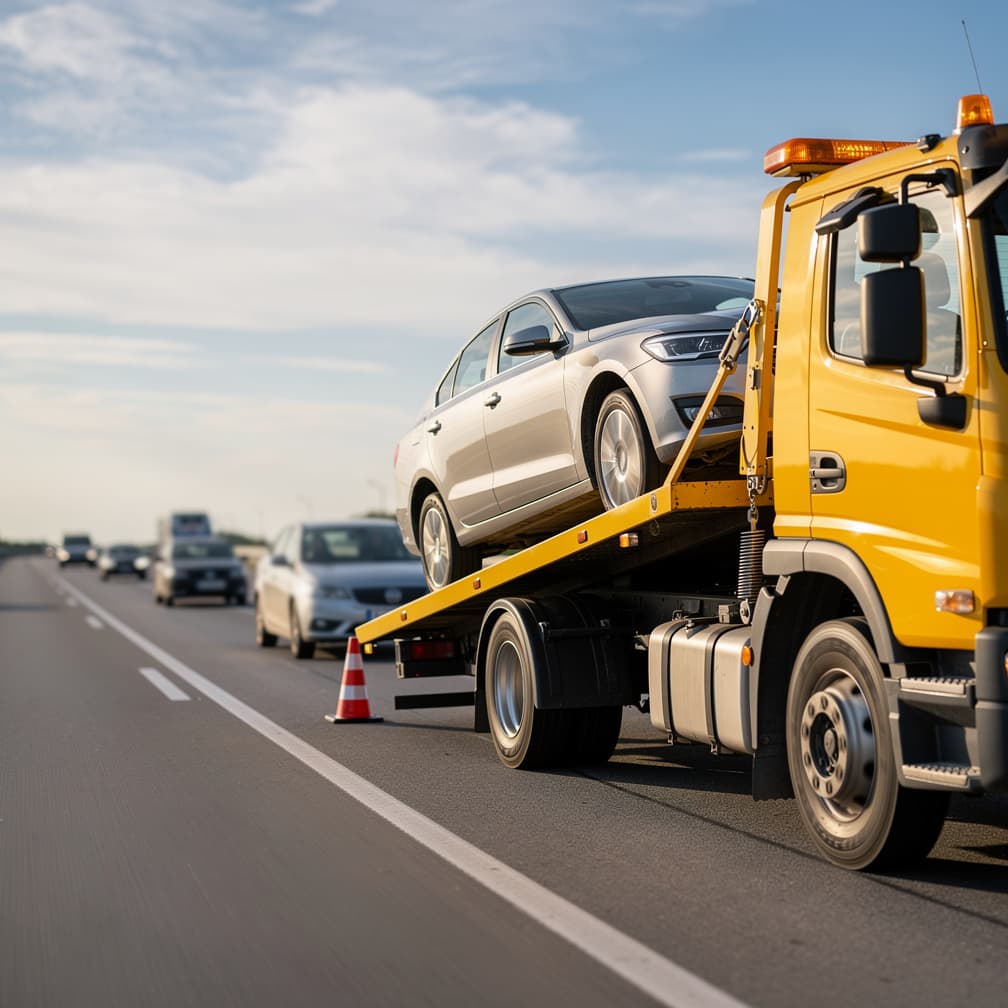
Local winter operations change the loss pattern more than the paperwork does. Here, a routine hook-up can become a higher-severity claim when snow, ice, or low visibility complicate loading angles, winching, and tie-down checks on crowded streets or sloped lots. That makes your operating details important: whether you run wheel-lift or rollback more often, how you document pre-existing damage at night, and where a vehicle sits between pickup and release. If you handle apartment tows, accident recovery, and roadside assistance in the same week, ask for wording and limits that fit those different custody points. It also helps to review whether your deductible still makes sense for winter fender, fascia, wheel, and undercarriage claims, which may be disputed even when the original disablement happened before you arrived. A quote works better when you can show dispatch records, storage procedures, and a consistent photo process for every transfer.
Ohio has a moderate climate risk rating. Top hazards: Severe Storm (High), Tornado (High), Flooding (Moderate), Winter Storm (Moderate). The state's expected annual loss from natural hazards is $1.4B, which influences on-hook towing insurance premiums and may affect coverage availability in high-risk areas.
What On-Hook Towing Insurance Covers
In Ohio, the useful question is not the basic definition of on-hook coverage. It is where your operation creates the most realistic claim scenario once a vehicle is in your care during the tow. For many towers, that exposure begins with loading and unloading on uneven pavement, narrow residential streets, parking decks, gravel lots, and crowded commercial properties. If a vehicle has low ground clearance, prior body damage, modified suspension, or limited rolling ability, the way your drivers document condition and choose equipment matters as much as the limit itself.
You should review how your policy terms respond to the kinds of vehicles and assignments you actually accept. A flatbed handling dealer or auction moves may need a different conversation than a wheel-lift unit taking disabled vehicles from apartment complexes, accident scenes, or private lots. If your drivers regularly winch vehicles out of ditches, mud, snow, or tight spaces, ask where the line sits between ordinary towing activity and higher-hazard recovery work. That means jobs involving steep embankments, water, heavy extrication, or unstable ground where the risk of vehicle damage or personal injury rises sharply. Crossing that line can affect whether a loss is treated as contemplated operations, meaning work the insurer understood you would be doing when the policy was issued.
Ohio weather and road conditions can also change the exposure during the same route. Rain, snow, ice, and debris increase the chance of shifting, scraping, or contact during loading and transport, especially when a vehicle already arrives damaged or inoperable. Review whether your procedures require photos before hookup, written condition notes, signed releases when available, and clear destination instructions. Those details help you match coverage to the work and defend the file if a customer later disputes when the damage happened.
Coverage Included
Collision on Hook
Covers damage to towed vehicles from collisions during transport.
Comprehensive on Hook
Covers theft, fire, and weather damage to vehicles being towed.
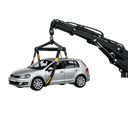
Loading & Unloading
Covers damage during the process of loading and unloading vehicles.
Winching Coverage
Covers damage to vehicles during winching and recovery operations.
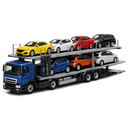
Multiple Vehicle
Covers all vehicles on multi-car carriers and rollback flatbeds.
Industries & Insurance Needs in Cleveland
County demand mix matters because assignment sources shape claim disputes. Cuyahoga County has 31,728 business establishments, and the leading sectors by establishment share are retail trade at 12.3%, health care and social assistance at 12%, and professional, scientific, and technical services at 11.8%. That mix points to steady traffic around shopping areas, medical campuses, office properties, and managed lots, so many towers here are not just doing breakdown work. They are also handling private property removals, vendor calls, and time-sensitive relocations where the vehicle owner may challenge condition, authorization, or release timing. If that sounds like your book, ask for a quote built around where your calls originate and how vehicles are documented from dispatch to drop. The more your work comes from commercial properties and institutional clients, the more important clear custody procedures become alongside the on-hook limit itself.
What Makes Cleveland Different
Assignment mix is the difference here. In this market, the insurance question is not only what you tow, but who sends the call and how contested the handoff can become afterward. A tower working mostly consensual roadside jobs usually presents a different on-hook profile than one rotating between private property impounds, commercial lot enforcement, and after-hours recoveries. The vehicle may be the same, but the dispute path is not. Owners may challenge pre-tow condition, personal property handling, wheel or bumper damage, or whether the vehicle was secure during transfer and storage. That is why a local quote should be built from your dispatch reality: police or property-management work, dealer and repair referrals, roadside assistance, or mixed operations. If your jobs change by shift or season, say so up front. The cleaner your description of assignment sources, release procedures, and documentation habits, the easier it is to review limits and deductibles that fit the claims you are most likely to face.
Our Recommendation for Cleveland
Start with your highest-severity scenario, not your average tow. List the most valuable vehicle you might reasonably hook, the tightest lot you work, and the most common after-hours assignment where photos and signatures are hardest to collect. Then compare that against your current on-hook limit and deductible. If one claim would force you to absorb too much out of pocket before reimbursement, adjust the deductible before renewal rather than assuming volume will smooth it out. It is also worth separating your operations by job type when you request quotes. A carrier can price more accurately when you explain how much of your work comes from roadside calls versus impounds, dealer moves, or recovery work. Keep sample invoices, dispatch logs, tow tickets, and photo checklists ready. If a policy question turns on Ohio rules or forms, confirm the point once with the Ohio Department of Insurance and then ask the agent how that issue affects your specific towing workflow.
Get On-Hook Towing Insurance in Cleveland
Enter your ZIP code to compare on-hook towing insurance rates from carriers in Cleveland, OH.
Business insurance starting at $25/mo
FAQ
Frequently Asked Questions
Cleveland operators should base the limit on the highest-value vehicle they are likely to tow, not the average call. With median household income at $39,187, deductible size also matters because a disputed claim can strain cash flow before reimbursement arrives.
Cuyahoga County has 31,728 business establishments, so many local towers serve retail centers, offices, and managed lots as well as roadside calls. That usually means more documentation around authorization, condition reports, release timing, and storage handoffs.
Cleveland quotes work better when you show dispatch logs, tow tickets, sample photos, and a breakdown of job types. An insurer can review your exposure more accurately when it sees how often you handle impounds, roadside assistance, and after-hours recoveries.
Cuyahoga County's leading sectors are retail trade at 12.3%, health care and social assistance at 12%, and professional, scientific, and technical services at 11.8%. That mix often means calls from busy lots and institutional properties, where handoff documentation matters more.
Both settings carry the same core risk: once a vehicle is loaded and moving, any scratch or dent can come back to your business. Dealer transfers often involve newer cars where even minor damage draws scrutiny. Private impounds frequently involve vehicles that already have wear or prior issues, which makes pre-tow documentation especially important. Review your policy terms against each service type before taking on mixed dispatch work.
Snow, ice, rain, and poor loading surfaces can trigger more underwriting questions because those conditions raise the likelihood of shifting, scraping, or contact during hookup. Be ready to explain how your drivers handle weather-related calls, what equipment adjustments they make, and whether you decline certain jobs in bad conditions.
Provide a truck list, service breakdown, operating territory, driver information, and examples of your pickup and drop-off documentation. The more specific you are, the more accurately the quote can reflect your actual towing mix instead of a broad assumption about the whole fleet.
If you move customer vehicles on a rollback and could be blamed for damage during the tow, the coverage question is essentially the same as for a dedicated towing company. What matters is whether a vehicle was in your care during transport, not how your business is classified.
Sources
- 1.U.S. Census Bureau, ACS 5-Year Estimates, table B19013(Cleveland median household income is $39,187.)
- 2.U.S. Census Bureau, County Business Patterns, Cuyahoga County(Cuyahoga County has 31,728 business establishments.; Cuyahoga County's leading sectors by establishment share are retail trade 12.3%, health care and social assistance 12%, and professional, scientific, and technical services 11.8%.)
- 3.Ohio Department of Insurance(Ohio's insurance regulator is the Ohio Department of Insurance.)
Updated July 5, 2026