Updated July 5, 2026

Dealer Open Lot Insurance in Columbus
A tighter local market changes this purchase in practical ways. Fewer carriers may want small independent inventory, and the ones that do usually look closely at where units sit, how often they move, and how quickly you can produce clean proof of coverage for lenders, floorplan partners, auctions, or landlords. That is why dealer open lot insurance in Columbus often comes down to how clearly you present a compact but active operation, not just how many vehicles you own. Here, a dealer may keep retail-ready units on the main lot, stage recent buys off-site for reconditioning, and rotate vehicles quickly once weekend traffic picks up. That pattern matters because underwriters tend to get cautious when storage, transport, and sales activity are described loosely. If your operation depends on borrowed space, shared parking, or short-term overflow, say that plainly and map it before you ask for terms. You will usually get a more usable quote by submitting exact addresses, maximum values by location, and who controls each site, then asking the agent to review whether the lot schedule still matches how your inventory actually moves.
Dealer Open Lot Insurance Risk Factors in Columbus
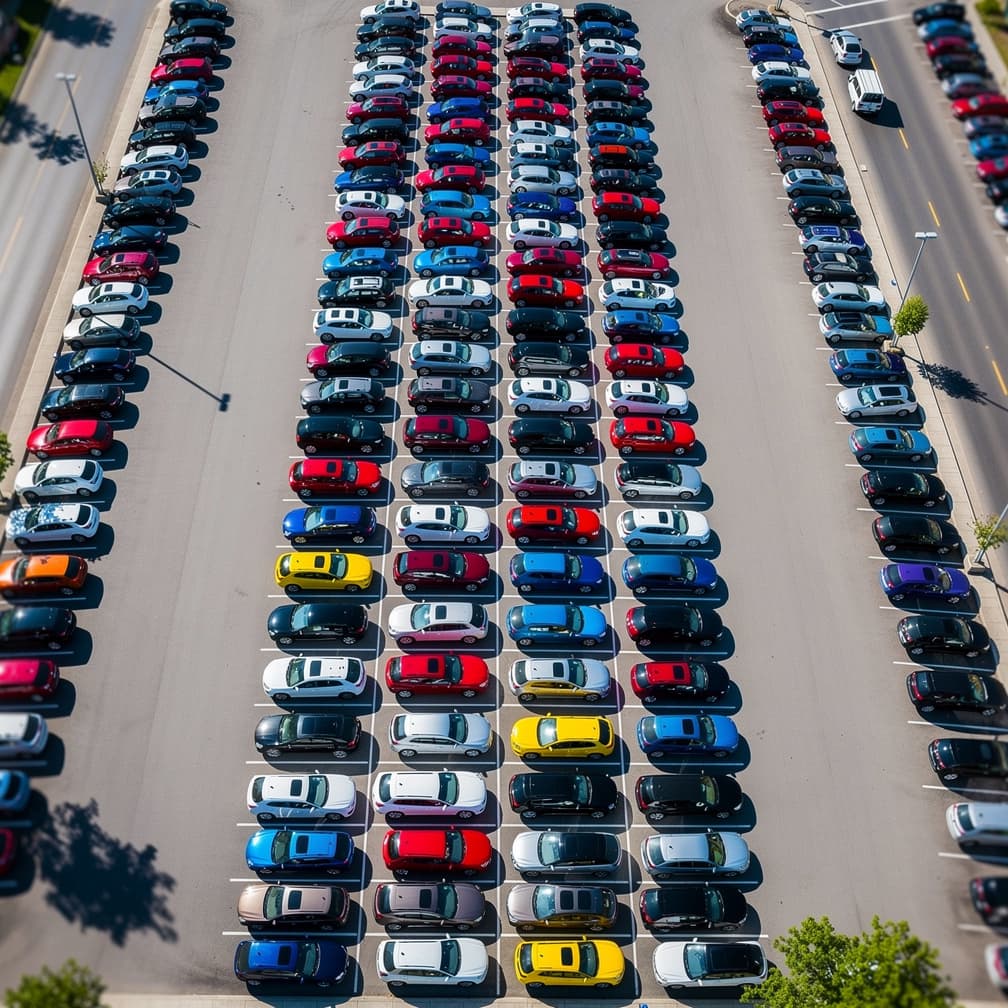
Local weather exposure is part of the conversation, but the city-specific issue is **concentration**. If your inventory sits in one visible cluster, a single storm event, vandalism incident, or lot-level loss can affect a large share of value at once. That makes site layout, fencing, lighting, key control, and any overnight street-facing storage worth reviewing before renewal. If you use overflow parking behind another business or in a secondary paved area, document who has access and whether vehicles are ever left there awaiting title work, repairs, or transport. Those operational details can matter more than broad state hazard talk because they show how loss could happen on your premises. A practical next step is to build a current location list with peak unit counts and maximum total values by site, then compare it against your policy schedule before inventory rises.
Ohio has a moderate climate risk rating. Top hazards: Severe Storm (High), Tornado (High), Flooding (Moderate), Winter Storm (Moderate). The state's expected annual loss from natural hazards is $1.4B, which influences dealer open lot insurance premiums and may affect coverage availability in high-risk areas.
What Dealer Open Lot Insurance Covers
A dealer open lot policy can help cover physical damage to vehicles you hold for sale, including theft, weather, fire, and collision while stored on your lot. Ohio buyers usually get the most value from this review by focusing on where inventory concentration changes during the year. A single lot is one exposure, but many dealerships also use side lots, overflow spaces, service areas, transport staging, or temporary holding locations. If your schedule shifts vehicles between those places, ask the agent to review how each location is listed and how temporary storage is treated, because a claim gets harder to sort out when the declared storage pattern does not match daily operations.
You should also look closely at operational handling. Some dealers move units between rooftops, send vehicles to detail vendors, hold cars at reconditioning shops, or keep selected inventory offsite while space is tight. Those are not unusual practices, but they do change how an underwriter views control of the vehicles and the documentation you need after a loss. A useful policy review checks whether your records can show where a unit was, who had custody, and why it was there on the date of loss.
Ohio weather and lot layout matter in practical ways. If your inventory sits in low areas, near tree lines, or in open sections with little physical separation, ask for a coverage review that matches those conditions. The same goes for key control, camera placement, gate procedures, and after-hours access. You are documenting how your dealership prevents avoidable losses and how it would prove a claim if several units were damaged in the same event.
Coverage Included

Weather Damage
Covers hail, wind, flood, and storm damage to lot inventory.
Theft Protection
Covers vehicles stolen from your lot.
Fire Damage
Covers fire and explosion damage to inventory vehicles.

Vandalism
Covers intentional damage to vehicles on your lot.
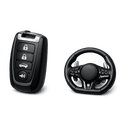
Test Drive Coverage
Covers vehicles during customer and employee test drives.
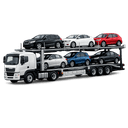
Transit Coverage
Covers vehicles being moved between lot locations.
Industries & Insurance Needs in Columbus
Franklin County has 30,441 business establishments, so local dealers often operate in a dense commercial environment where landlords, lenders, vendors, and neighboring businesses expect current certificates and clear evidence of where vehicles are stored before access or agreements are extended. The county mix also matters: health care and social assistance accounts for 14% of establishments, professional, scientific, and technical services 12.3%, and retail trade 12%. That combination tends to mean more mixed-use commercial corridors, tighter parking expectations, and less tolerance for informal overflow arrangements beside other occupied businesses. If your lot uses adjacent spaces, shared entrances, or temporary storage near office or retail properties, explain that upfront and confirm the addresses shown on your insurance documents are exact. The useful move is to request proof documents only after the location schedule, values, and any off-site storage are reviewed for accuracy.
What Makes Columbus Different
The main difference here is market compactness. In a tighter metro, relationships and documentation often carry more weight because the same lenders, landlords, auctions, and service vendors may see your proof of coverage repeatedly and notice inconsistencies fast. That changes the buying calculus for a dealer open lot policy: you are not only trying to secure terms, you are trying to make sure your paperwork matches the way your inventory is actually parked, repaired, shown, and moved. Columbus median household income is $65,327, which can shape how a smaller dealer balances faster-turn inventory against holding older units longer, so your peak lot values may change more than your footprint does. If your stock mix shifts with local demand, update reported values and storage use before those changes become material. The better approach is to treat each quote or renewal as an operational audit, not a formality.
Our Recommendation for Columbus
Start with a location-by-location inventory snapshot, even if your operation feels simple. Include the main lot, any borrowed or overflow spaces, reconditioning addresses, and where newly acquired units wait before they are frontline ready. Then review peak total values, not just average counts, because a short period of heavier inventory can create a mismatch if the policy schedule lags behind reality. If you share access with another business, note gate control, lighting, fencing, and who can move vehicles after hours. If lenders or landlords ask for proof quickly, have certificates issued only after names, addresses, and insurable interest details are checked line by line. If your current setup grew informally over time, ask for a fresh review of whether every storage point should be scheduled. That kind of cleanup can matter more than chasing a marginal price difference.
Get Dealer Open Lot Insurance in Columbus
Enter your ZIP code to compare dealer open lot insurance rates from carriers in Columbus, OH.
Business insurance starting at $25/mo
FAQ
Frequently Asked Questions
Columbus buyers often deal with repeat counterparties in a compact market, so mismatched addresses or vague storage descriptions get noticed quickly. If your lot, overflow space, and certificate details line up, you are usually in a better position to keep financing, lease, or vendor conversations moving.
Franklin County has 30,441 business establishments, so dealers often work near other occupied commercial properties. That makes exact location scheduling, access control, and clear proof of where vehicles are stored more important before a certificate is sent out.
Columbus dealers should usually review any temporary overflow area before assuming it is already contemplated. If vehicles sit there overnight, await repairs, or remain there during heavier inventory periods, that location deserves a specific discussion before renewal or a new quote.
Franklin County includes health care and social assistance at 14%, professional, scientific, and technical services at 12.3%, and retail trade at 12% of establishments. That mix often means tighter shared commercial space, so informal storage arrangements deserve closer review.
Columbus dealers should update values before seasonal buying, auction activity, or a shift toward higher-value units changes your peak exposure. A policy that matches last month's average inventory may not fit this month's maximum lot value or storage pattern.
Start with a current inventory list, every storage address, and a clear explanation of offsite movement. It also makes sense to review policy language carefully instead of relying on verbal summaries.
Location accuracy matters. If inventory sits on the main lot, overflow space, or temporary storage property, disclose each place during quoting so the policy review matches how vehicles are actually stored and moved.
Underwriters usually want current unit values, lot addresses, security details, loss history, and any routine movement to vendors or offsite storage. The more clearly you present that information, the easier it is to compare deductibles, limits, and assumptions.
Sources
- 1.U.S. Census Bureau, County Business Patterns, Franklin County(Franklin County has 30,441 business establishments.; Health care and social assistance accounts for 14% of establishments, professional, scientific, and technical services 12.3%, and retail trade 12% in the county containing Columbus.)
- 2.U.S. Census Bureau, ACS 5-Year Estimates, table B19013(Columbus median household income is $65,327.)
Updated July 5, 2026