Updated July 16, 2026

Key Takeaways
- Compare quotes using the same peak inventory value, deductible, and valuation assumptions so you can see real coverage differences.
- Ask in writing how the policy handles hail, flood, theft, vandalism, and test drives before you bind coverage.
- Prepare a current inventory schedule, offsite storage list, and security summary before requesting dealer open lot insurance quotes.
- Review whether flood needs separate placement instead of assuming another policy form includes it automatically.
- Requote after security upgrades, lot layout changes, or improved claims history so pricing reflects your current risk.
What Dealer Open Lot Insurance Covers
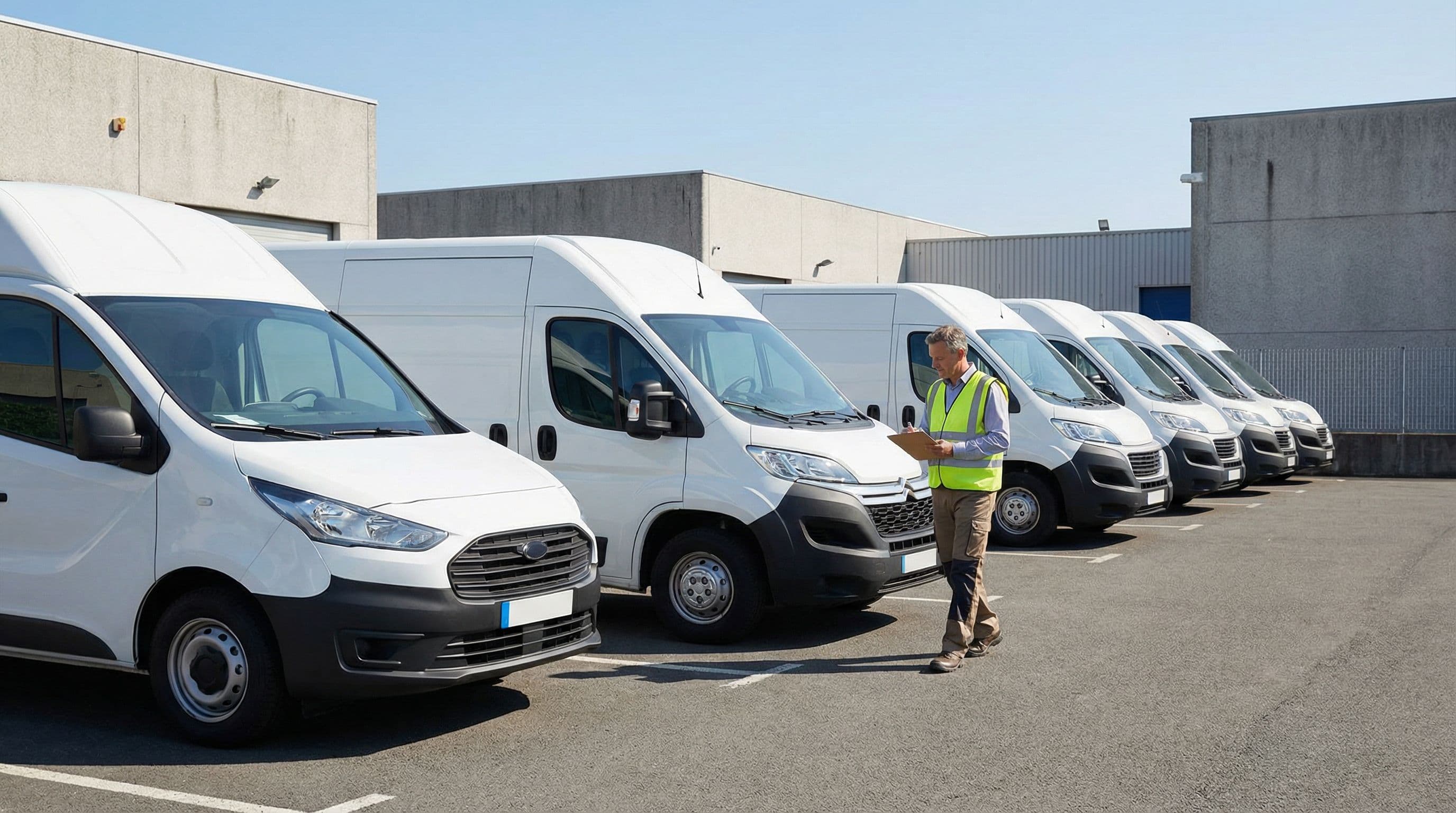
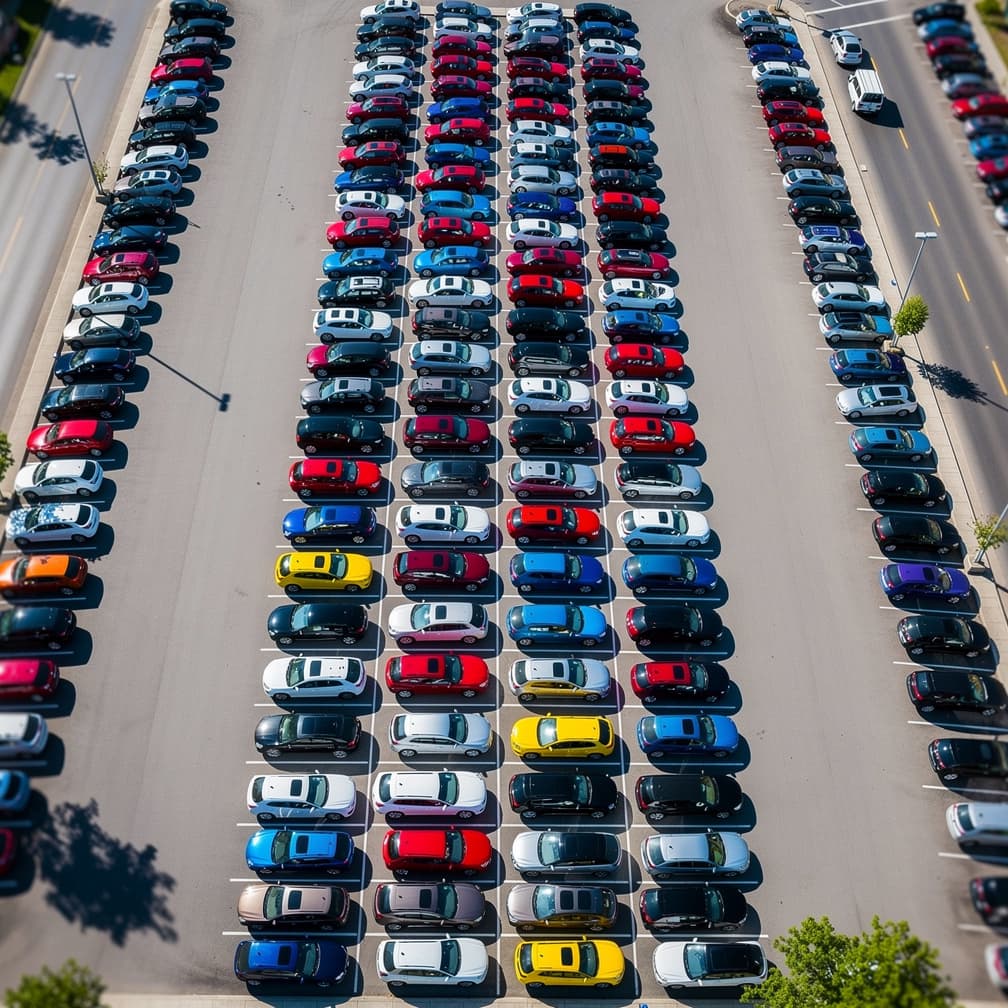
Dealer open lot insurance is built around one core exposure: vehicles you own for sale can be damaged, stolen, or lost while they are sitting on the lot or moving through normal dealership handling. That usually means reviewing protection for weather, theft, vandalism, and fire first, then checking how it treats movement off the lot, temporary storage, and customer test drives.
For many dealers, hail and wind are the first pressure points to review. The Insurance Information Institute cites NOAA storm reporting showing 5,432 hail events in 2025, so you should not assume weather damage is an edge case if your inventory sits outdoors. Ask whether your policy addresses cosmetic and structural hail damage, whether it covers broken glass, and how losses are valued when multiple units are hit in one event. The same review applies to wind-driven damage from flying debris or toppled lot fixtures.
Theft and vandalism deserve the same level of detail. A useful quote review looks at where keys are stored, whether units are fenced, how lighting and cameras are set up, and whether high-value inventory is concentrated in one area. Fire damage also needs a practical conversation, covering nearby repair activity, battery charging, fueling procedures, and any building exposures that could affect parked units.
Flood needs separate attention. FEMA states that most homeowners insurance does not cover flood damage and that flood insurance is a separate policy that can cover buildings, contents, or both, so you should not assume it is automatically built into another policy form. If your inventory is stored in low-lying areas or near drainage channels, ask directly whether flood is included, excluded, or handled separately.
Test drive coverage also needs plain-language confirmation. Review who may drive and what documentation is required before keys leave the desk, and ask whether employee use, customer use, and short repositioning trips are treated differently under the policy terms.

Weather Damage
Covers hail, wind, flood, and storm damage to lot inventory.
Theft Protection
Covers vehicles stolen from your lot.
Fire Damage
Covers fire and explosion damage to inventory vehicles.

Vandalism
Covers intentional damage to vehicles on your lot.
Test Drive Coverage
Covers vehicles during customer and employee test drives.
Transit Coverage
Covers vehicles being moved between lot locations.
How Much Does Dealer Open Lot Insurance Cost?
Dealer open lot insurance pricing is driven less by a generic class code and more by the shape of your inventory exposure. A useful quote starts with the total value of vehicles you hold for sale, but that is only the first variable. Carriers also look at where units are stored, whether inventory is concentrated in one open lot or split across locations, how often vehicles move between sites, and how exposed the lot is to weather, theft, and vandalism.
Security controls usually matter. Fencing, controlled gate access, key management, lighting, cameras, and after-hours procedures can all change how an underwriter views the account. So can the mix of inventory. Higher-value units, specialty vehicles, powersports inventory, or vehicles that are harder to replace may be rated differently than a more uniform used auto lot. Your claims history also affects pricing, especially if prior losses involve repeated weather events, theft, or poor lot controls.
Deductibles and limits are another major lever. A lower deductible can make a claim easier to absorb, but it can also raise premium. Higher limits may be necessary if your inventory values spike during buying season or after a large auction purchase. If you use offsite storage, consignment arrangements, or temporary overflow parking, disclose that up front so the quote reflects the real exposure instead of a cleaner picture that may not match a later claim.
Weather concentration can influence cost discussions even when no one can predict the next storm. The Insurance Information Institute cites NOAA data showing 5,373 hail events in 2024, and its hail table defines major hail events as hailstones one inch in diameter or larger. That matters because a lot full of exposed inventory can produce a multi-unit loss from one storm, so you should compare quotes with deductibles, valuation method, and catastrophe handling in view, not premium alone.
The fastest way to get a usable number is to prepare a current inventory valuation, location details, security information, prior loss runs, and a clear description of test drive and vehicle movement procedures before you request quotes.
Request a Quote Comparison
Enter your ZIP code to compare dealer open lot insurance rates from top carriers.
Business insurance starting at $25/mo
Who Needs Dealer Open Lot Insurance?
Dealer open lot insurance fits any business that owns vehicles or similar titled units for resale and keeps them exposed to loss before delivery to the buyer. That includes independent used car dealers, franchise auto dealers, motorcycle and powersports dealers, RV dealers, trailer dealers, and other operations where inventory sits outdoors, moves between storage areas, or leaves the premises for demonstrations and test drives.
You likely need this coverage if a single weather event could damage multiple sale units at once. The exposure is different from a business that stores a few service vehicles for its own use. Your inventory is the product you sell, and the loss of several units at one time can interrupt cash flow, floorplan obligations, and sales activity. That is why the review should focus on inventory values, lot layout, and movement patterns, not just a broad business package.
You should also review your coverage if your operation uses overflow parking, satellite storage, or seasonal inventory buildups. A quote that only reflects your main lot may miss where vehicles actually spend time. The same is true if you buy heavily at auction, rotate inventory quickly, or keep specialty units that draw more theft attention.
Hail exposure is one reason it reaches well beyond a few traditionally storm-heavy markets. The Insurance Information Institute cites NOAA reporting that Texas and Kansas had the largest number of hail events in 2025, and it also notes top hail-claim states that included Minnesota, Texas, Arkansas, Illinois and Nebraska. The practical takeaway is national, not regional: if your inventory sits outside, ask how your policy responds to concentrated weather loss instead of assuming your area is exempt.
If customers test drive vehicles, employees reposition units, or inventory is stored where flood, fire, theft, or vandalism are realistic concerns, it belongs in your insurance review before the next buying cycle.
How to Buy Dealer Open Lot Insurance
Buying dealer open lot insurance starts with organizing the information an underwriter actually needs to evaluate your inventory exposure. Begin with a current list of vehicles held for sale, their values, where they are stored, and whether any units are kept offsite. If your inventory changes quickly, prepare a realistic peak value as well as an average value so the quote is not built around a low point that leaves you short during busy periods.
Next, document how your lot operates. Explain the physical security in place, including fencing, lighting, cameras, gate controls, key storage, and your after-hours procedures, and note whether vehicles are parked in fixed sections by value or type. Spell out who can authorize a test drive, what identification you collect, whether employees accompany drivers, and how far vehicles typically travel. If units move between lots, service areas, auctions, or temporary storage, say so clearly.
Then review the coverage terms line by line. Confirm whether hail, wind, theft, vandalism, fire, flood, and test drive activity are included, limited, or excluded. Ask how losses are valued, what deductible applies, whether one event can affect many units at once, and how off-premises inventory is treated. Flood deserves a direct question. FEMA says flood insurance is a separate policy that can cover buildings, contents, or both, so if it matters to your operation, ask whether you need separate placement rather than assuming it sits inside the base form.
You should also compare quotes on structure, not just price. A lower premium may come with a deductible or valuation method that leaves a larger gap after a storm or theft loss. Ask for the same inventory values and operating assumptions to be used across each quote so the comparison is fair.
Before binding, read the conditions for reporting inventory changes, newly acquired units, and location changes. Then keep a routine for updating values and storage details as your lot changes through the year.
How to Save on Dealer Open Lot Insurance
The most reliable way to save on dealer open lot insurance is to make your risk easier to underwrite and easier to defend after a claim. Start with inventory discipline. Keep current values, remove sold units promptly, and separate retail-ready inventory from salvage, service, or personal-use vehicles. A cleaner schedule helps avoid paying for values you no longer carry, and it reduces disputes about what was on the lot at the time of loss.
Security improvements can also help. Carriers often look more favorably on a lot that has controlled access, strong lighting, camera coverage, documented key control, and written after-hours procedures. Those steps do more than support pricing. They can also make theft and vandalism claims easier to document. If you store high-value units, consider where they sit overnight and whether your layout concentrates too much value in one exposed area.
Weather planning matters too. The Insurance Information Institute cites a hail claims figure of over $3.5 billion in hail claims in 2022 from one major insurer, with an increase of more than $1 billion from 2021. That scale of loss is a reminder to review deductibles, catastrophe exposure, and emergency lot procedures before storm season. If you can relocate units, use covered storage for select inventory, or stage vehicles away from trees, loose materials, and poor drainage, discuss those controls during quoting.
You can also save by matching coverage to operations instead of buying broad terms you do not use or skipping terms you do need. If test drives are tightly controlled, document that. If offsite storage is occasional, describe when and where it happens. And if flood is a concern, ask whether separate flood placement is more appropriate than assuming it is included somewhere else.
Finally, requote after meaningful changes, such as better security, a new lot layout, lower peak inventory, or improved claims history. Savings usually come from better information and better controls, not from cutting essential terms.
FAQ
Frequently Asked Questions
Dealer open lot insurance nationwide is generally reviewed for damage or loss to vehicles you own for sale, including hail, wind, theft, vandalism, fire, flood, and test drive exposure, depending on your policy terms, deductibles, valuation method, and any location or off-premises limitations.
Dealer open lot insurance can cover hail damage to inventory, depending on the policy terms. Nationally, hail is a real exposure because NOAA storm reporting cited by the Insurance Information Institute recorded 5,432 hail events in 2025, so ask how multi-unit storm losses are adjusted.
Dealer open lot insurance may include flood, but you should never assume it does. Nationally, FEMA says flood insurance is a separate policy that can cover buildings, contents, or both, so ask whether flood is included, excluded, or placed separately for inventory.
Dealer open lot insurance is usually needed by businesses that own vehicles or similar units for resale, including auto dealers, used car lots, powersports dealers, RV dealers, and trailer dealers. If your inventory sits outdoors or leaves the lot for demonstrations, review this coverage.
Dealer open lot insurance is priced from your inventory values, storage locations, security controls, claims history, deductibles, and how vehicles move through your operation. Nationally, the most accurate quotes come from current schedules, realistic peak values, and clear test drive and offsite storage details.
Dealer open lot insurance can address test drive exposure, but the terms vary by policy. Nationally, you should confirm who may drive, what documentation is required before release, whether employees must accompany drivers, and how far vehicles can travel from the lot.
Dealer open lot insurance is designed for inventory exposures where one event can affect many units at once. Nationally, that is why deductible structure, catastrophe terms, and valuation method matter so much, especially for outdoor lots with concentrated vehicle values.
Sources
Updated July 16, 2026