Updated July 16, 2026

Key Takeaways
- List every way customer vehicles enter, move through, and stay on your premises before you request a garage keepers quote.
- Compare collision losses against theft, fire, vandalism, and weather losses so your quote matches your actual custody exposure.
- Ask how customer vehicles are valued after a loss, especially if you handle newer, specialty, or recently upgraded vehicles.
- Review key control, intake photos, lot security, and employee driving rules before renewal to improve both pricing and claim defensibility.
- Request side-by-side quotes with the same limits, deductibles, and storage assumptions so you can spot real coverage differences.
Garage Keepers Insurance in Ohio
Do you need garage keepers insurance in Ohio if you already carry garage liability or business auto coverage? In many shops, yes, because those policies are built for different loss scenarios and a customer vehicle sitting on your lot creates its own underwriting questions. The practical issue is how your operation takes custody of vehicles, where they sit overnight, who can move them, and what happens when weather, theft, fire, or a backing accident damages a customer's car before pickup. That review matters even more if you run a repair shop, body shop, detail operation, towing yard, dealership service lane, or valet operation with vehicles moving in and out all day. Weather patterns and mixed indoor and outdoor storage can change the exposure from one season to the next, so your quote should match your actual lot layout, key control, after-hours drop process, and employee driving rules.
What Garage Keepers Insurance Covers
For an Ohio operation, the useful question is which moments in your workflow create the most realistic chance of a customer vehicle loss. If customers leave keys in a night drop, park in an unfenced side lot, or hand vehicles to a porter during a busy morning rush, you have a different exposure than a shop that checks every vehicle into a locked indoor bay before work starts.
A Columbus or Cincinnati repair shop that keeps vehicles outside while waiting on parts should review whether the policy terms fit open-lot storage, how losses are adjusted when several customer vehicles are affected in one event, and whether your selected limit is high enough for the mix of vehicles you actually hold. A rural towing or impound operation should look just as closely at where recovered vehicles are staged, who has access after hours, and whether damaged units, total losses, and high-value pickups are all being handled under the same assumptions.
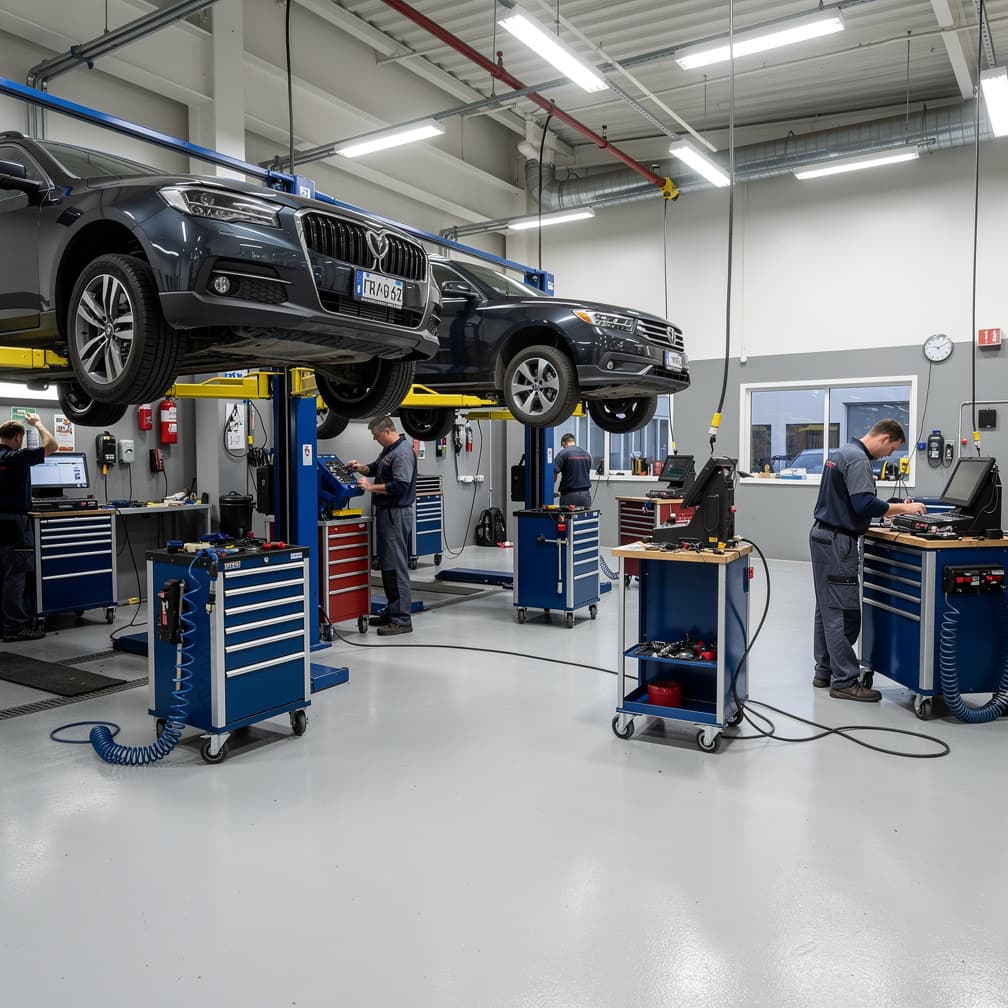
If employees reposition vehicles between service lanes, detail bays, paint booths, alignment racks, or overflow parking, ask your agent to walk through those handoff points one by one. The goal is to match coverage to the way vehicles are received, parked, moved, and released, not to assume one generic form fits every garage risk. Dealer service departments, valet operators, and tow yards often promise more responsibility to customers than owners realize. Before renewal, compare your customer paperwork, lot rules, and policy language side by side so the coverage you buy lines up with the responsibility your business actually accepts.

Collision Coverage
Covers damage to customers' vehicles from collisions while in your care.

Comprehensive Coverage
Covers theft, vandalism, fire, and weather damage to customers' vehicles.

Specified Perils
Covers only specifically named perils at a lower premium.

Legal Liability
Covers damage you or your employees directly cause to a customer's vehicle.

Direct Primary
Pays regardless of fault, the broadest garage keepers coverage available.
Garage Keepers Insurance Requirements in Ohio
- Weather can shift your exposure quickly, so outdoor storage, overflow parking, and delayed pickup periods deserve a specific review before binding coverage.
- If your operation uses a night drop, shared lot, or alley access, ask how those access points affect underwriting assumptions and claim handling expectations.
How Much Does Garage Keepers Insurance Cost in Ohio?
In Ohio, pricing usually turns on concentration of risk more than on a simple statewide average. An underwriter wants to know how many customer vehicles you control at one time, whether they are stored indoors or outdoors, how often staff move them, whether keys stay on site, and how exposed the lot is after hours. A small mechanical shop with limited overnight storage presents a different profile than a body shop waiting on parts with rows of customer vehicles outside for days.
If your lot is open to the street, has multiple entrances, backs up to an alley, or relies on shared parking with neighboring tenants, expect more questions. If you use fenced storage, controlled key access, documented check-in photos, and a written road-test procedure, you give the carrier a cleaner file to price. That can matter more than shopping for a headline number.
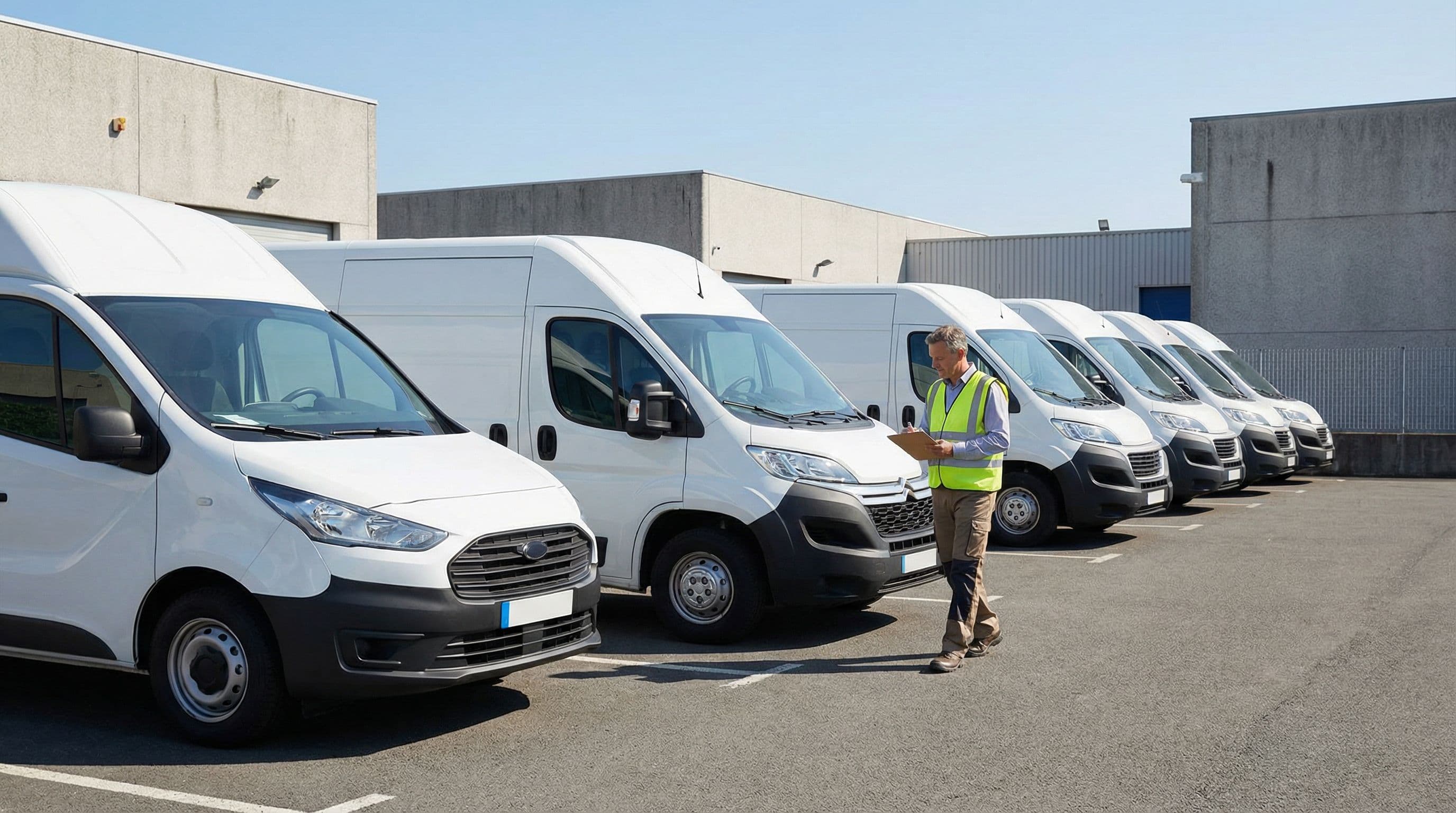
Shops that regularly hold late-model trucks, luxury vehicles, commercial vans, or fleet units should review whether their limit still fits the highest total value on the lot during a busy week. If winter weather, storm exposure, or delayed parts availability causes vehicles to stay longer, your peak accumulation may be higher than your normal daily count suggests. When you request quotes, send the same operational details to each market. Include max vehicles on premises, indoor versus outdoor count, employee driver rules, after-hours drop process, security controls, and any recent losses. That gives you a more usable comparison and helps you see whether a lower premium comes from better fit or from narrower terms, lower limits, or a deductible you would not want to absorb after a serious lot loss.
Request a Quote Comparison
Enter your ZIP code to compare garage keepers insurance rates from top carriers.
Business insurance starting at $25/mo
Who Needs Garage Keepers Insurance?
Ohio businesses need to review this coverage based on custody, not just on industry labels. If customers leave vehicles with you and your staff decides where those vehicles are parked, stored, moved, or released, you likely have the exposure. That is true even if vehicle handling is only one part of your operation.
Detailers that keep cars overnight, tire stores that hold vehicles during parts delays, and quick service operations that move customer cars through multiple bays should all look closely at their lot procedures. A dealership service department has another layer to review because intake volume can spike fast, especially when service appointments stack up and overflow parking starts to spread across different parts of the property.
A unit that comes in after a crash, sits pending release, and gets moved several times before pickup creates a very different claims path than a same-day repair order. Valet operations, parking garages, and hospitality businesses that take keys should also review whether every handoff point is reflected in the quote application. Many owners add a fenced side yard, start offering after-hours drop-off, or begin storing more vehicles during parts shortages without updating their insurance details. If your current policy was quoted before those changes, ask for a fresh review using your present workflow, not last year's assumptions.
Garage Keepers Insurance by City in Ohio
Garage Keepers Insurance rates and coverage options can vary across Ohio. Select your city below for localized information:
How to Buy Garage Keepers Insurance
Buying the right policy in Ohio starts with documenting your operation the way an underwriter sees it. Build a simple vehicle flow map from drop-off to pickup. If your business uses more than one lot or shares space with another tenant, include that too.
List your maximum number of customer vehicles on site, your typical count, the highest-value vehicles you regularly handle, and whether any units are stored pending parts, payment, or release paperwork. If you run towing or impound, explain how recovered vehicles are secured and how access is controlled after hours. If you operate a dealership service lane or valet operation, describe peak-volume periods and overflow procedures.
Ask how the policy responds to indoor versus outdoor storage, employee movement of vehicles, weather-related losses, theft concerns, and multi-vehicle events affecting the lot at one time. Review deductibles, limits, and any conditions tied to locked storage, fencing, or key control. A cheaper quote is not useful if it assumes tighter procedures than your shop actually follows.
Request a quote through CPK Insurance to compare your options with participating licensed providers.
How to Save on Garage Keepers Insurance
Carriers tend to respond well when you can show exactly how vehicles are checked in, photographed, parked, secured, moved, and released. If your current process lives only in employees' heads, write it down and use the same steps every time.
Limit who can access keys, separate customer keys from employee vehicles, and document after-hours handling. Mark where waiting-for-parts vehicles go, where completed vehicles go, and where high-value units go. If your shop mixes customer cars with employee parking or vendor traffic, clean that up before renewal. A more orderly lot is easier to underwrite and easier to defend after a claim.
Keep a current list of authorized drivers, set a road-test route, and require immediate reporting for any scrape, curb strike, or backing incident. For towing and impound risks, document chain of custody from intake through release. For valet and parking operations, use a consistent ticketing and handoff process so you can reconstruct who had the vehicle and when. Send each quoting market the same operational summary, loss history, and photos of fencing, lighting, indoor storage, and key security. Ask whether adjusting deductibles, tightening limits to your real peak exposure, or separating different vehicle-handling activities would improve the quote. Savings usually come from cleaner underwriting and better fit, not from stripping out terms you may need after a serious customer vehicle loss.
Our Recommendation for Ohio
For Ohio buyers, the smartest move is to review accumulation risk before you review price. Count the maximum number of customer vehicles you can have on the property during a parts delay, storm week, or heavy service backlog, then compare that total against your current limit. Many owners insure to a normal day and forget how quickly the lot fills when pickup schedules slip.
If customers use a night drop, if tow operators leave vehicles outside the gate, or if completed units wait for weekend pickup, those are the moments to examine closely with your agent. A policy that looks fine on a declarations page can still fit poorly if the quote assumed tighter storage or access controls than you actually use.
If your repair authorization, valet ticket, storage agreement, or impound paperwork accepts responsibility in broad language, make sure your insurance review starts there. The goal is to align your policy terms, lot procedures, and customer promises before a claim forces the issue. Keep your renewal review built around your real vehicle flow, your peak lot count, and your current security controls.
FAQ
Frequently Asked Questions
Yes, in most cases. Garage liability may respond when your operation causes injury or property damage to others. Garage keepers can help address a different problem: physical damage to a customer's vehicle while it is in your custody. If customers leave vehicles with you and your staff controls where they sit, how they are moved, and when they are released, relying on one form alone can leave a real gap.
Underwriters price what they can see. Give them a clear picture of max vehicles on site, indoor versus outdoor storage, key control, road-test rules, and after-hours drop procedures. A vague application usually produces a vague quote with weaker comparisons and less useful terms.
Weather exposure, theft, and multi-vehicle lot losses change the risk profile significantly. Your quote should match where vehicles actually sit overnight, not where you prefer to store them. If your operation keeps cars outside while waiting on parts, make sure the policy terms reflect that before binding.
Explain intake condition, storage duration, fencing, access control, release procedures, and how often vehicles are moved on site. Those details determine whether the policy structure fits the way your yard actually runs. A unit that arrives damaged after a crash and sits pending release for three weeks creates a very different claims path than a same-day repair order.
The Ohio Department of Insurance regulates policy forms, licensing, and complaint handling. Check your coverage against those standards before you bind or replace a policy.
Intake volume and overflow parking can increase the total value of customer vehicles on site faster than owners expect. Compare your peak accumulation during a heavy service backlog, not just your average day, before renewing.
If you take keys and control where customer vehicles are parked or moved, yes. The important step is mapping each handoff point so the quote reflects your real custody process. A consistent ticketing and handoff procedure also helps you reconstruct who had the vehicle and when, which matters after a loss.
Garage keepers insurance may cover damage to customers' vehicles while they are in your care, custody, or control. That may include collision, theft, fire, vandalism, hail, and other covered causes of loss, depending on your policy terms and how your business handles vehicles.
Sources
- 1.Ohio Department of Insurance(Ohio garage keepers insurance is regulated by the Ohio Department of Insurance.)
Updated July 16, 2026