








































Updated July 16, 2026

Builders Risk Insurance in Toledo
The decision usually lands here when a lender asks for evidence of coverage before the first draw, or when you are about to start a rehab on an older house and need the policy lined up before materials arrive. Builders risk insurance in Toledo often gets more practical, more quickly, because many local projects are not ground-up builds on empty sites. Instead, you are usually looking at additions, interior rebuilds, roof replacements tied to larger scopes, or full renovations where the existing structure, stored materials, and construction timeline all need to be described clearly. In neighborhoods with older housing stock, the insurer will want to know what stays, what gets replaced, and whether the property is vacant during the work. If the job is financed, expect the lender's insurance requirements to shape the named insureds, loss payee wording, and completed value you submit. If the job is a smaller residential rehab, the budget still needs to match the real replacement scope, not just the purchase price. Before you request terms, pull together your contract, project schedule, renovation narrative, and a site security plan. Each piece should show how the property will actually sit between trades.
Builders Risk Insurance Risk Factors in Toledo
Local renovation work is the main risk wrinkle here. Many Toledo projects involve improving an existing property with a relatively modest acquisition basis rather than building from scratch. That can create an avoidable mismatch if you insure to a purchase number while the real exposure is the **post-renovation completed value**, plus materials already delivered and labor already put in place. Older homes also tend to produce phased scopes, partial occupancy questions, and periods where the structure is open to weather or unsecured between trades. Those details affect how an underwriter reads theft, water, and vandalism exposure during the build. For a cleaner quote, separate the as-is value from the completed value, identify any vacant period, and spell out which parts of the structure remain in service while work continues. That gives the carrier a truer picture of the job than a one-line description like "rehab" or "remodel."
Ohio has a moderate climate risk rating. Top hazards: Severe Storm (High), Tornado (High), Flooding (Moderate), Winter Storm (Moderate). The state's expected annual loss from natural hazards is $1.4B, which influences builders risk insurance premiums and may affect coverage availability in high-risk areas.
What Builders Risk Insurance Covers
The useful review is not the broad idea of builders risk, it is the property map for your specific job. Start by separating what is already on site, what will arrive later, and what is being installed in phases. A ground-up build in a growing suburb, a tenant improvement in a downtown commercial building, and a renovation of an older structure each create different pressure points for valuation, temporary protection, and timing.
For an Ohio project, ask the agent to walk line by line through the property categories that matter to your contract and schedule. That often means checking whether the quote is built around the full completed value (the total cost to finish the project, including materials and labor), whether temporary works or site materials need to be scheduled, and whether there are sublimits or conditions for property in transit, stored away from the job site, or waiting to be installed. If your project involves partial occupancy, phased handoff, or owner-furnished materials, those details should be addressed before binding, not after a loss.
Renovation work deserves extra care. If you are improving an existing building, you need clarity on what portion of the structure is part of the insured project, what remains outside the builders risk form, and how damage to existing property is handled, if at all, under the terms offered. The same goes for soft cost exposures tied to delay, where available and appropriate for the job. Soft costs are the indirect expenses that pile up when a project runs past its deadline, things like additional loan interest, extended permit fees, or extra rent for temporary space.
The practical move is to compare quotes against the same scope checklist: structure under construction, materials on site, materials off site, transit exposures, temporary installations, and any contract-driven party that needs to be named. That is how you avoid buying a policy that fits the application but misses the way the Ohio project actually unfolds.
Coverage Included

Structure Coverage
Covers the building or structure under construction.

Materials on Site
Covers building materials stored at the construction site.

Materials in Transit
Covers materials being transported to the job site.
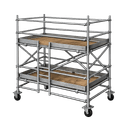
Temporary Structures
Covers scaffolding, fencing, and temporary buildings.

Soft Costs
Covers additional expenses from construction delays due to covered losses.

Equipment Coverage
Covers permanently installed fixtures and equipment.
Industries & Insurance Needs in Toledo
Lucas County has 9,413 business establishments, and the leading establishment sectors are health care and social assistance at 14.9%, retail trade at 14.2%, and accommodation and food services at 11.6%. So a meaningful share of local construction work touches occupied commercial spaces that cannot stay offline for long, including tenant build-outs, restaurant renovations, storefront improvements, and medical office updates. For builders risk, that changes the submission. The insurer may need a tighter construction schedule, a clearer phasing plan, and a more precise statement of what materials stay on site versus arrive just before installation. If your project sits inside an operating business, describe how you separate public areas from the work zone, who controls keys and alarms, and whether any part of the premises remains open during construction. Those operational details often matter more than a broad project label like "commercial remodel."
What Makes Toledo Different
In a market where Toledo median household income is $47,532, owners and investors often pursue targeted rehabs, value-add updates, and phased improvements instead of large custom builds. That income level means buyers here tend to maximize value through renovation rather than ground-up construction. The insurance question becomes how to value work on an existing building that may have older components, staggered trades, and a budget that evolves as hidden conditions appear. Submissions often go sideways at this point. If the completed value is understated, or if the renovation scope does not explain what part of the original structure remains, you can end up comparing quotes that are not built on the same assumptions. The practical move is to submit a scope summary that distinguishes cosmetic work from structural work, lists major materials by stage, and shows whether the property is vacant, partially occupied, or closed during the project.
Our Recommendation for Toledo
Start with the project story, not just the address and budget. For a local rehab, ask your contractor for a line-item scope that shows demolition, structural work, roofing, mechanicals, finishes, and any owner-supplied materials. Then match that scope to the completed value you want insured. If the property is an older house or mixed-use building, note any existing systems that stay in place, because that helps the underwriter understand what is old, what is new, and where the real exposure sits during construction. If a lender is involved, confirm the exact loss payee and mortgagee wording before binding so you do not have to reissue documents at closing or before a draw. For commercial interior work, be ready to explain whether the business stays open and how the work area is secured after hours. Give the underwriter enough detail about vacancy, staging, deliveries, and timeline that the terms you get back reflect your actual job, not a generic renovation.
Get Builders Risk Insurance in Toledo
Enter your ZIP code to compare builders risk insurance rates from carriers in Toledo, OH.
Business insurance starting at $25/mo
FAQ
Frequently Asked Questions
Because many local projects improve existing structures rather than start from raw land, your submission needs to separate purchase price, renovation budget, and completed value before you request terms.
Rehab projects can add substantial labor and materials after closing, so your quote works better when you show the as-is condition, the scope of work, and the expected finished value rather than relying on acquisition cost alone.
Lucas County commercial projects often need operating details because the county has 9,413 business establishments. That density means your site likely borders active operations, so underwriters will ask more questions about foot traffic, shared access, and neighboring exposures. If the space stays open during construction, explain phasing, site separation, alarm control, and how materials are stored between trades.
Toledo build-outs can often be reviewed for occupied or partially occupied work, but the insurer will want a clear description of what stays open to the public, what is closed off, and how the jobsite is secured after hours.
Lucas County business mix matters because health care and social assistance account for 14.9%, retail trade 14.2%, and accommodation and food services 11.6% of establishments. In practical terms, many tenant improvement projects involve public-facing spaces where construction noise, dust, and access restrictions directly affect daily revenue. Expect tighter phasing, shorter shutdowns, and clearer material delivery plans for those occupancies.
The Ohio Department of Insurance oversees this coverage. That matters when you are reviewing producer guidance, policy explanations, or complaint options.
Ohio renovation projects often deserve a separate builders risk review because the policy may treat new work, existing structure, and occupied areas differently. Bring the renovation scope, contract language, and value breakdown to the quote request so those lines are clear.
Ohio construction lenders often expect evidence of coverage before major funds are released. The practical step is to compare your loan documents with the construction contract early, then make sure the policy and proof of coverage match those requirements.
Sources
- 1.U.S. Census Bureau, County Business Patterns, Lucas County(Lucas County has 9,413 business establishments, and the leading establishment sectors are health care and social assistance at 14.9%, retail trade at 14.2%, and accommodation and food services at 11.6%.)
- 2.U.S. Census Bureau, ACS 5-Year Estimates, table B19013(In a market where Toledo median household income is $47,532, owners and investors often pursue targeted rehabs, value-add updates, and phased improvements instead of large custom builds.)
Updated July 16, 2026





