Updated July 16, 2026

Key Takeaways
- Review your construction contract before requesting a quote, so the named insureds and insurance responsibility match the job documents.
- Prepare the project budget, timeline, address, and scope summary before applying, so the quote reflects the work actually being built.
- Check whether the policy addresses on-site materials, transit, temporary structures, and soft costs before the first delivery arrives.
- Compare the policy term against your realistic completion schedule, then ask about extension options before the original term gets close to expiring.
- Map builders risk against your liability, installation, and equipment policies, so you avoid both coverage gaps and overlapping property insurance.
Builders Risk Insurance in Oklahoma
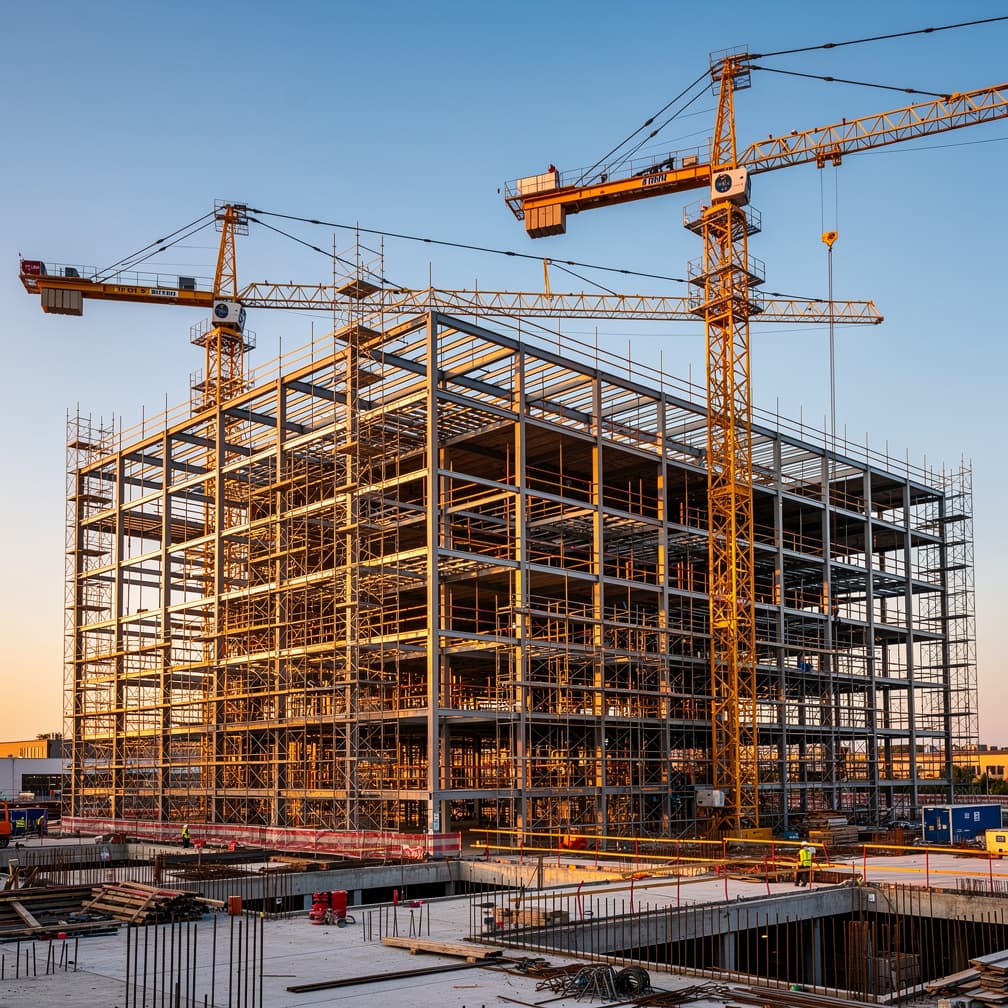
A framed shell can sit exposed for weeks while crews wait on the next trade, and that gap is where a job can unravel. In Oklahoma, severe weather can hit before windows are set, roofing is dried in, or interior materials are secured, leaving the owner and contractor sorting out who pays to replace damaged work and delayed materials. That is why a project-specific review of builders risk coverage deserves attention before lumber is delivered or renovation starts behind occupied space.
You are not buying a generic property form. You are checking whether the policy matches how the job is staged, where materials are stored, which parties have to be recognized, and how a weather-driven interruption would affect the budget. Policy forms, endorsements, and complaint handling should be reviewed carefully before binding. Pull the construction contract, project schedule, site address, and total completed value so the coverage discussion starts with the actual job instead of broad assumptions.
What Builders Risk Insurance Covers
For an Oklahoma project, the useful question is not whether builders risk applies in the abstract. The useful question is what property is exposed at each phase of the job, and where that property sits before it is permanently installed. A ground-up build, a roof replacement, and a major interior renovation each create different loss points, especially if weather can reach unfinished areas or materials are staged outside the structure.
Your review should focus on the parts of the job that are easiest to overlook in practice. Materials in transit, supplies stored temporarily at another location, and items waiting at the site can matter just as much as the structure itself if a loss happens before installation. That becomes more important when the building stays partially occupied and the project is sequenced in phases.
It also helps to match coverage to the contract chain. Owners, general contractors, lenders, and key subcontractors may all have a financial interest in the work, but the policy has to be set up intentionally so the right parties are recognized. If the contract requires certain entities to be named, confirm that before binding. If the job includes temporary structures, scaffolding, fencing, or expensive installed systems arriving late in the schedule, ask specifically how those items are treated rather than assuming they are included.
Because Oklahoma projects can face tornadoes, severe thunderstorms, and hail that damage exposed structures, ask how the policy handles partially completed work, water intrusion after an opening is created, and materials stored in the open. Those details often decide whether the policy fits the way your site actually operates.

Structure Coverage
Covers the building or structure under construction.

Materials on Site
Covers building materials stored at the construction site.

Materials in Transit
Covers materials being transported to the job site.
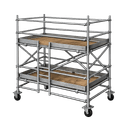
Temporary Structures
Covers scaffolding, fencing, and temporary buildings.

Soft Costs
Covers additional expenses from construction delays due to covered losses.

Equipment Coverage
Covers permanently installed fixtures and equipment.
Builders Risk Insurance Requirements in Oklahoma
- Oklahoma weather exposure makes it important to review how the policy treats partially completed work when the building envelope is not yet fully secured.
- If materials are staged outdoors or delivered before installation, ask for a clear explanation of how temporary site storage is handled under the form.
- Renovation projects in occupied Oklahoma buildings need a careful distinction between existing property and the new work being put in place.
- Projects with lender draw requirements should match insured values, named parties, and policy dates to the financing documents before binding.
How Much Does Builders Risk Insurance Cost in Oklahoma?
In Oklahoma, the biggest cost drivers are the completed value, construction type, project term, and scope of work, but the quote also changes based on how exposed the site is during each phase and how well the job is controlled day to day.
A new build with materials delivered in stages can be viewed differently from a renovation where the building envelope is opened while part of the structure remains in use. A project with clear site security, documented delivery schedules, and organized storage may present better than one where materials sit outside for long periods or multiple trades move in and out without a tight sequence. If you are comparing quotes, make sure each option is built on the same completed value, the same term, and the same assumptions about soft costs, temporary storage, and who is insured. Otherwise, the lower number may simply reflect a thinner form.
Deductible structure matters too. A higher deductible can reduce the upfront premium, but it also changes what you absorb if a storm damages partially completed work or stored materials. That tradeoff should be reviewed against your cash flow, lender expectations, and contract obligations, not just the initial quote.
The cleanest way to get a usable Oklahoma quote is to submit a complete package. That includes a signed or draft contract, project description, construction schedule, site protection details, and the total completed value. If the underwriter has to guess at staging, occupancy, or material storage, you are more likely to get a quote that needs revision before closing or before work begins.
Request a Quote Comparison
Enter your ZIP code to compare builders risk insurance rates from top carriers.
Business insurance starting at $25/mo
Who Needs Builders Risk Insurance?
In Oklahoma, the parties who should review builders risk are the ones who would feel the financial hit if a covered loss interrupts the project. That often starts with the property owner, but it rarely ends there. A general contractor managing the schedule, a lender funding draws, or a developer carrying the project budget may all need the coverage structure clarified before work starts.
This matters most on jobs where responsibility is split across contracts. If the owner is supposed to insure the project but the contractor is expected to protect materials until installation, the insurance discussion needs to line up with that division. The same is true for design-build work, tenant improvements, and major renovations where the building remains partly occupied. In those situations, a loss can affect not only the new work but also access, sequencing, and the timing of inspections and draws.
Residential buyers should review it as well when they are building a custom home, undertaking a substantial addition, or gut-renovating a property. Commercial buyers should pay close attention on projects involving phased turnover, specialized equipment, or long-lead materials that may sit off-site before delivery. If your lender, landlord, or project owner requires evidence of coverage before funds are released or work begins, that requirement should be checked early, not after the first delivery arrives.
A practical rule helps here. If you have money tied up in labor, materials, financing, or the unfinished structure itself, you should review whether builders risk belongs in the project plan. Start with the contract and draw schedule, then identify who must be named, what property is at risk before installation, and where a delay would create the biggest financial strain.
Builders Risk Insurance by City in Oklahoma
Builders Risk Insurance rates and coverage options can vary across Oklahoma. Select your city below for localized information:
How to Buy Builders Risk Insurance
Buying builders risk correctly in Oklahoma starts with assembling the project file before you ask for terms. You want the construction contract, site address, total completed value, start date, expected completion date, scope summary, and a list of parties that may need to be recognized on the policy. If the job involves renovation, include a clear description of the existing structure and which portions remain occupied during the work.
Next, map the job the way an underwriter will see it. Explain whether materials are delivered just in time or stored ahead of schedule, whether any property is kept off-site, and how the site is secured after hours. If the roof will be opened, exterior walls removed, or interior systems exposed during phased work, say that directly. Those details affect whether the quote reflects the real exposure instead of a simplified version of the project.
Then review the policy structure against the contract. Confirm who is responsible for purchasing the coverage, which entities need to be named, and whether the lender has insurance conditions tied to draws or closing. If the project includes temporary structures, expensive mechanical equipment, or owner-supplied materials, ask for those items to be addressed specifically in the quote discussion.
Before binding, read the form for practical gaps. Check the policy term against the construction schedule, review any conditions tied to vacancy or occupancy, and ask how extensions are handled if the job runs long. If wording or complaint procedures are unclear, keep the policy documents and endorsements organized from the start. The final step is simple: request a quote through CPK Insurance to compare your options with participating licensed providers, and bind only after the named parties, values, dates, and site details match the contract package you are actually building from.
How to Save on Builders Risk Insurance
The strongest way to control builders risk cost in Oklahoma is to make the project easier to evaluate and less likely to produce a disputed claim. Start with accurate values and a realistic schedule. If the completed value is understated or the term is too short, the quote may look lean at first and become more expensive once corrections, extensions, or lender issues surface.
You can also save by tightening site operations. Document where materials are stored, how the site is secured after hours, and when high-value components will arrive. A project with orderly staging and fewer unknowns is easier to underwrite than one with vague delivery plans and open-ended storage arrangements.
Another practical savings move is to align the insurance request with the contract before shopping terms. If one quote assumes only the owner is recognized and another assumes multiple project parties must be included, you are not comparing the same product. The same problem appears when one option contemplates off-site storage or temporary structures and another does not. Consistency in the submission helps you compare real differences instead of hidden omissions.
Deductibles deserve a careful look as well. Choosing a higher deductible may reduce premium, but only if your business or household can absorb that amount without disrupting the project after a loss. Ask for options, then weigh the premium change against your available cash and the likely cost of replacing damaged work quickly.
Finally, submit the quote request early. Last-minute placements often leave less time to correct values, add required parties, or negotiate terms around storage, phasing, and extensions. Early review usually gives you more room to shape the policy around the job instead of accepting whatever can be issued fastest.
Our Recommendation for Oklahoma
For Oklahoma projects, review the construction timeline as closely as the insured value. A policy can look adequate on paper and still fit poorly if the job includes long periods where roofing, exterior openings, or staged materials leave the work more exposed than the application suggests. Ask your contractor to identify those phases before you request terms.
For custom homes and commercial builds alike, keep a single file with the contract, change orders, draw schedule, site protection plan, and delivery schedule for major materials. That file makes renewals, extensions, and claim discussions much cleaner if the project runs long or weather interrupts the sequence.
Most important, do not wait until closing or first delivery to sort out named parties and values. Review those details while the contract is still being finalized, then compare your options with participating licensed providers.
FAQ
Frequently Asked Questions
In Oklahoma, the buyer is usually the party the contract assigns responsibility to, often the owner or general contractor. You should review the policy form and named parties against the contract before binding so the coverage structure matches the job.
Homeowners often review builders risk for major renovations where new work, stored materials, or opened exterior areas create a clear construction exposure. The key step is separating existing property from the renovation scope so the quote reflects the actual job.
Construction lenders often want evidence that the project is insured before draws continue or closing occurs. You should match the policy dates, completed value, and named interests to the loan documents so funding is not delayed by avoidable corrections.
Projects can involve off-site staging before delivery, but treatment depends on the policy terms being quoted. Ask directly whether temporary storage away from the jobsite is contemplated, and make sure the submission describes where those materials will actually be kept.
Buyers should provide the site address, contract, completed value, schedule, scope of work, and any occupancy details. If the project includes phased renovation, temporary storage, or owner-supplied materials, include that early so the quote is built on real conditions.
Placements are usually cleaner before work begins, because the underwriter can review values, dates, and site conditions without backtracking. If work has already started, disclose that immediately and expect closer review of what has been completed and delivered.
Policy terms should track the actual construction schedule, not an optimistic target date. Review the expected completion timeline, likely delays, and extension process before binding so you are not scrambling to adjust coverage near the end of the job.
Builders risk insurance may cover, subject to policy terms, the structure under construction, materials on site, materials in transit, temporary structures, and fixtures or equipment being installed. Depending on the policy, you can also review soft costs and delay-related coverage tied to a covered property loss.
Sources
- 1.Oklahoma Insurance Department(Oklahoma is regulated by the Oklahoma Insurance Department.)
Updated July 16, 2026