Updated July 16, 2026

Builders Risk Insurance in Oklahoma City
A wind-driven storm can hit a local job before the roof is dried in, push rain into open framing, and leave you arguing over damaged lumber, soaked insulation, and a delayed draw request. The local housing math matters here: the median home value is $215,100, and a custom build or major renovation can easily represent two to three times that figure once lot value, materials, and labor are combined. If you are building near established neighborhoods, adding square footage to an older house, or taking a property down to studs before rebuilding, you want the policy limit, soft cost options, and covered property description to match the actual contract scope. A quote works better when you bring the construction budget, timeline, site address, lender requirements, and a clear list of materials that will be delivered before installation.
Builders Risk Insurance Risk Factors in Oklahoma City
Weather exposure is the local issue that changes the buying decision here. On an unfinished site, the weak points are predictable: roof openings, temporary weatherproofing, staged materials, and partially enclosed interiors. Because Oklahoma's leading natural hazards are a real backdrop for any build, you should not assume a basic form automatically matches the way your project sits between trades. Review how the policy treats materials on site, temporary structures, theft after a storm breach, and **delay-related costs** if a covered loss pushes inspections or subcontractor scheduling. If your build will sit exposed between framing, dry-in, and finish work, ask for the covered causes of loss, exclusions, and any protective safeguards in plain language before binding.
Oklahoma has a very high climate risk rating. Top hazards: Tornado (Very High), Hailstorm (Very High), Severe Storm (Very High), Earthquake (Moderate). The state's expected annual loss from natural hazards is $2.4B, which influences builders risk insurance premiums and may affect coverage availability in high-risk areas.
What Builders Risk Insurance Covers
For an Oklahoma project, the useful question is not whether builders risk applies in the abstract. The useful question is what property is exposed at each phase of the job, and where that property sits before it is permanently installed. A ground-up build, a roof replacement, and a major interior renovation each create different loss points, especially if weather can reach unfinished areas or materials are staged outside the structure.
Your review should focus on the parts of the job that are easiest to overlook in practice. Materials in transit, supplies stored temporarily at another location, and items waiting at the site can matter just as much as the structure itself if a loss happens before installation. That becomes more important when the building stays partially occupied and the project is sequenced in phases.
It also helps to match coverage to the contract chain. Owners, general contractors, lenders, and key subcontractors may all have a financial interest in the work, but the policy has to be set up intentionally so the right parties are recognized. If the contract requires certain entities to be named, confirm that before binding. If the job includes temporary structures, scaffolding, fencing, or expensive installed systems arriving late in the schedule, ask specifically how those items are treated rather than assuming they are included.
Because Oklahoma projects can face tornadoes, severe thunderstorms, and hail that damage exposed structures, ask how the policy handles partially completed work, water intrusion after an opening is created, and materials stored in the open. Those details often decide whether the policy fits the way your site actually operates.
Coverage Included

Structure Coverage
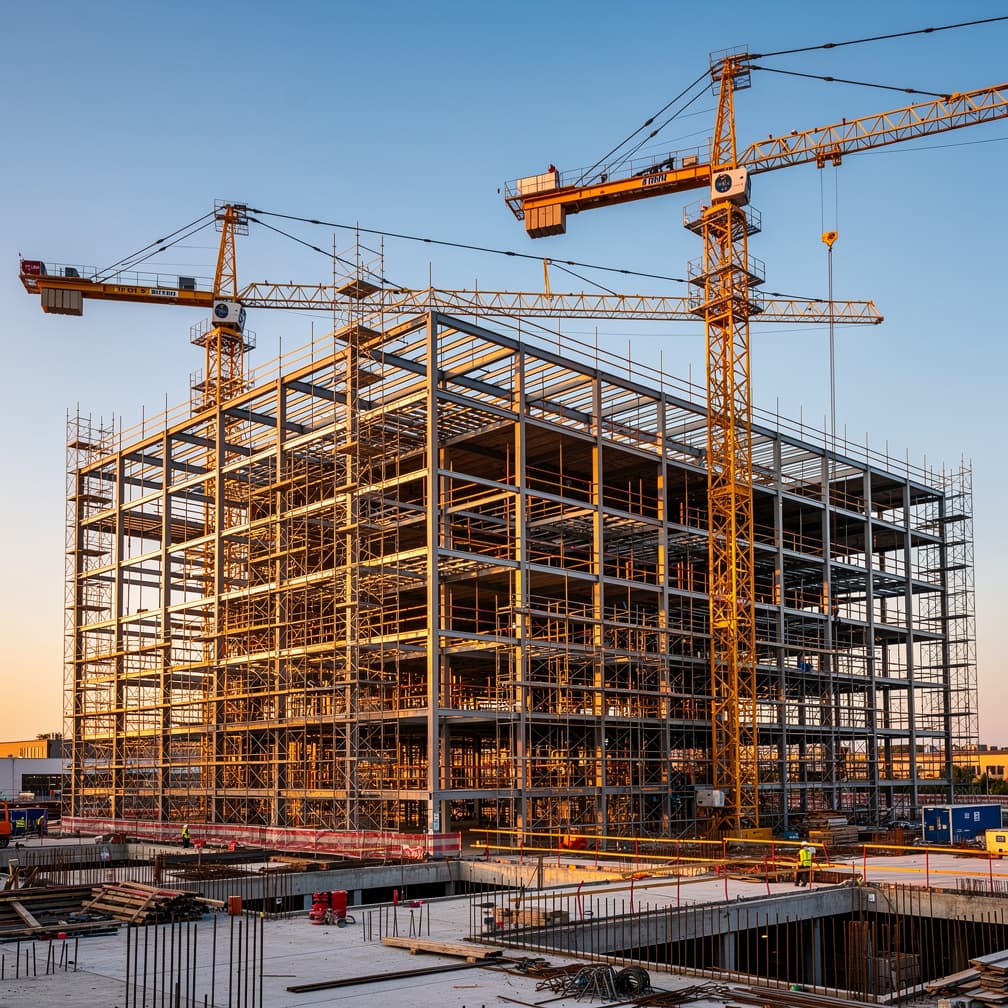
Covers the building or structure under construction.
Materials on Site
Covers building materials stored at the construction site.

Materials in Transit
Covers materials being transported to the job site.
Temporary Structures
Covers scaffolding, fencing, and temporary buildings.

Soft Costs
Covers additional expenses from construction delays due to covered losses.
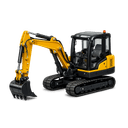
Equipment Coverage
Covers permanently installed fixtures and equipment.
What Makes Oklahoma City Different
Oklahoma County has 24,665 business establishments, and its leading sectors by establishment share are health care and social assistance at 13.1%, professional, scientific, and technical services at 13%, and retail trade at 12.1%. In practical terms, roughly four in ten local businesses depend on foot traffic, patient access, or showroom condition, so a delay in tenant completion can translate directly into lost revenue for the owner. It is worth sitting down with your policy to check existing structure exposure, owner-supplied materials, and phased turnover, and to think through whether delay-related costs matter if a covered loss pushes opening dates. If your project involves an occupied property, a landlord delivery date, or lender milestones, ask for a quote built around the actual use of the space rather than a generic new-build template.
Our Recommendation for Oklahoma City
Start with the construction contract and scope sheet. Then test the policy against how the job will actually unfold. If the project is a residential build or major remodel, the local median household income is $66,702. Put differently, a single uninsured construction loss could equal most of a year's take-home pay for the typical household. Ask whether the limit should track completed value, and check that foundations, underground work, and supplied materials are included, along with how change orders are handled during the term. For commercial work, confirm who is named insured and who has an insurable interest, and find out whether the lender wants specific wording before the first draw. When you are ready, request a quote with your budget, schedule, site security details, and any renovation plans for existing structures.
Get Builders Risk Insurance in Oklahoma City
Enter your ZIP code to compare builders risk insurance rates from carriers in Oklahoma City, OK.
Business insurance starting at $25/mo
FAQ
Frequently Asked Questions
Oklahoma City projects quote more cleanly when you provide the site address, construction budget, start and completion dates, contract type, and lender requirements. If the job includes renovation, bring the scope for existing structures and any materials that will be stored before installation.
Renovations often need closer review because the exposure changes once walls, roofing, or systems are opened up. The key question is whether the policy is written for new construction only or can be tailored to a remodel with existing structure exposure.
Many local projects involve tenant improvements and time-sensitive openings. That makes occupancy, phased completion, and delay-related costs worth reviewing early, because a clinic, a retail storefront, and a professional office each carry different foot-traffic and code requirements that can shift what your policy needs to address.
Completed value affects whether the limit is realistic for the work in place, materials delivered, and the finished structure. Setting it too low can leave a gap between what you have spent and what the policy may pay after a loss.
If you are adding square footage or rebuilding after a gut renovation, compare the policy terms before work starts. An uninsured construction loss can derail the entire project, so reviewing valuation and covered property ahead of time gives you a clearer picture of where your exposure sits.
In Oklahoma, the buyer is usually the party the contract assigns responsibility to, often the owner or general contractor. You should review the policy form and named parties against the contract before binding so the coverage structure matches the job.
Homeowners often review builders risk for major renovations where new work, stored materials, or opened exterior areas create a clear construction exposure. The key step is separating existing property from the renovation scope so the quote reflects the actual job.
Construction lenders often want evidence that the project is insured before draws continue or closing occurs. You should match the policy dates, completed value, and named interests to the loan documents so funding is not delayed by avoidable corrections.
Sources
- 1.U.S. Census Bureau, ACS 5-Year Estimates, table B25077(The median home value in Oklahoma City is $215,100, so even a modest custom build, infill project, or major renovation can put a meaningful amount of property value at risk while work is still unfinished.)
- 2.U.S. Census Bureau, County Business Patterns, Oklahoma County(Oklahoma County has 24,665 business establishments, and its leading sectors by establishment share are health care and social assistance at 13.1%, professional, scientific, and technical services at 13%, and retail trade at 12.1%, so a lot of local construction is tied to tenant improvements, office build-outs, clinic space, storefront work, and smaller commercial projects with tight occupancy deadlines.)
- 3.U.S. Census Bureau, ACS 5-Year Estimates, table B19013(The median household income in Oklahoma City is $66,702, so owners often have limited room to absorb a surprise rebuild cost or a long delay out of pocket.)
Updated July 16, 2026