Updated July 16, 2026

Car Insurance in Tulsa
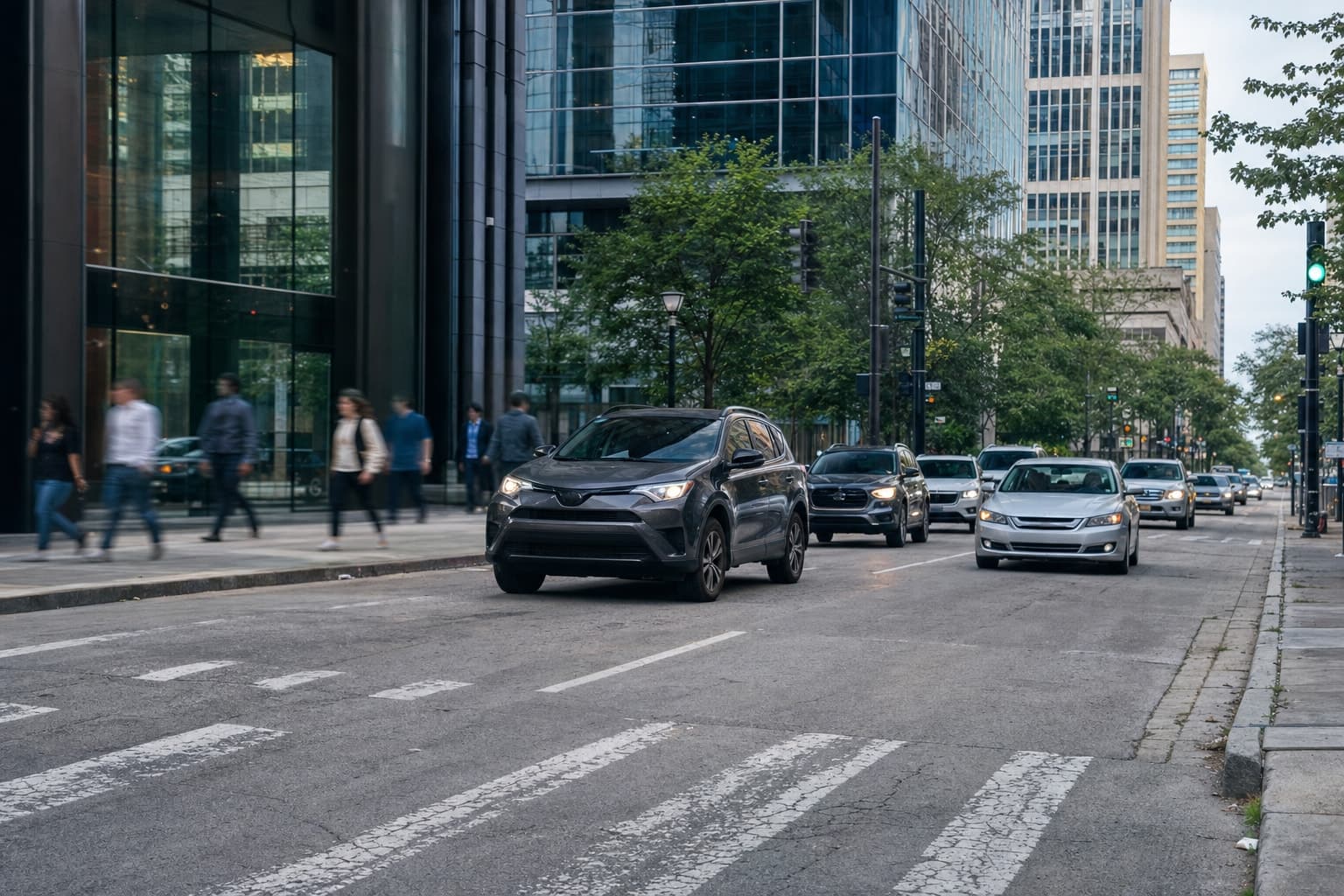
Professional, scientific, and technical services make up 12.4% of Tulsa County's business establishments, with retail trade close behind at 12.2% and health care at 11.5%. That mix means your daily routes likely weave through commercial zones and medical campuses rather than a single straight commute. When you shop for car insurance in Tulsa, your quote should match how your vehicle is actually used each week. If you split time between downtown parking garages, retail corridors, medical campuses, and neighborhood errands, ask for a quote that treats liability limits, collision, comprehensive, uninsured motorist protection, and rental reimbursement as one connected picture rather than separate line items. Stop-and-go traffic around service calls and storefronts builds different risk than a policy built around occasional highway driving. If your household has multiple drivers, one financed vehicle, or a car you rely on to get to work every day, share those usage details up front so your deductibles and optional protections are reviewed before renewal.
Oklahoma has a very high climate risk rating. Top hazards: Tornado (Very High), Hailstorm (Very High), Severe Storm (Very High), Earthquake (Moderate). The state's expected annual loss from natural hazards is $2.4B, which influences car insurance premiums and may affect coverage availability in high-risk areas.
What Car Insurance Covers
Car insurance in Oklahoma typically starts with liability, which is the part of the policy that responds if you cause an auto accident and another driver is injured. Collision helps pay for damage to your own vehicle after an accident, while comprehensive is especially relevant in Oklahoma because severe storms, hail, and tornado-related debris are common statewide.
Uninsured motorist protection can be important here because many drivers on the road may not carry enough protection. Medical payments can help with medical expenses after a crash, and rental reimbursement can help keep you mobile while your car is being repaired after a covered loss. The state's regulator oversees the market, so policy terms, endorsements, and availability can vary by carrier.
Coverage Included

Liability
Can help pay for injuries and property damage you cause to others in an accident, coverage most states require drivers to carry.
Collision
Can help pay to repair or replace your car after a crash with another vehicle or object, regardless of fault.

Comprehensive
Typically covers damage to your car from events other than collisions, such as theft, hail, fire, flooding, or hitting an animal.
Uninsured Motorist
May pay for your injuries and, in some states, car damage when an at-fault driver has no insurance or too little.

Medical Payments
Can help cover medical bills for you and your passengers after an accident, no matter who was at fault.
Rental Reimbursement
May pay for a rental car while your vehicle is in the shop for repairs after a covered claim.
Car Insurance Cost in Tulsa
Average Cost in Oklahoma
$110 - $270
per month
In Oklahoma, car insurance premiums typically run $110 - $270 per month, which tends to run 12% above the national range of $110 - $230 per month.
- Driving record and age
- Vehicle make, model, and year
- Location and commute distance
- Credit-based insurance score
- Coverage limits and deductibles
Contact CPK Insurance for a personalized quote.
Prices shown are general estimates, not guaranteed rates or quotes. Your actual premium will depend on the insurer, coverage selected, personal details, location, claims history, and other underwriting factors. Learn about our pricing methodology.
Oklahoma drivers pay an average of roughly $1,800 per year for full coverage, near the national average of about $1,700. Oklahoma's very high weather risk can push premiums upward for drivers who want comprehensive protection, because hail, tornado, and severe-storm losses are part of the local risk picture.
When crashes and severe claims rise in a given area, insurers may adjust rates to reflect the higher likelihood of payouts, which can affect what you pay. Driver behavior can affect pricing too, since top crash causes included drowsy driving, running red lights or stop signs, lane departure, distracted driving, and reckless driving.
Location also matters because local crime rates, storm exposure, and traffic density can influence underwriting. If you want a lower premium, a higher deductible may reduce the monthly cost, but it also increases what you pay after a claim. That tradeoff is especially important for Oklahoma drivers balancing weather risk and budget.
What Makes Tulsa Different
In a market shaped by professional offices, retail storefronts, and health care activity, many households use the same vehicle for commuting, errands, school pickup, appointments, and occasional work-related trips in the same week. A bare minimum policy can leave gaps between how the car is rated and how it is actually used. If you park near business districts during the day, carry tools or work materials, or regularly drive between appointments, be specific with the agent about who drives the car, where it is usually kept, and whether any business use is involved. Those details can change both price and claim handling.
Our Recommendation for Tulsa
Begin with how your car fits into your week, not with the lowest visible premium. If you rely on one vehicle for work, school, and household errands, ask to compare liability limits above the state minimum and review uninsured motorist protection alongside collision and comprehensive. If your car is financed or newer, confirm the lender requirements and then test at least two deductible options so you can see the monthly savings against the out-of-pocket risk after a claim. If anyone in your household drives to client meetings, job sites, or deliveries, disclose that use clearly instead of assuming a personal policy automatically fits every trip. For households with teen drivers or multiple vehicles, ask for the quote to show each driver assignment and each vehicle's coverage separately. Seeing each piece laid out this way helps you catch a limit, deductible, or optional coverage that should change before renewal rather than after a loss.
Get Car Insurance in Tulsa
Enter your ZIP code to compare car insurance rates from carriers in Tulsa, OK.
Car insurance starting at $59/mo
FAQ
Frequently Asked Questions
Lead with how each vehicle is actually used: commuting, errands, school runs, client visits, or occasional work trips. Those details shape which liability limits, deductibles, and optional coverages are worth reviewing together.
Tulsa County has 19,392 business establishments. That volume of storefronts, offices, and service calls means more stop-and-go traffic on local roads throughout the day, which can affect how your policy is rated. If your personal car is also used for appointments or job-related errands, disclose that use before you buy.
Tulsa median household income is $58,407. At that level, a $1,000 out-of-pocket deductible after a collision hits differently than it would in a higher-income market, so weighing monthly savings against what you could realistically pay after a covered loss is worth the effort. Comparing more than one deductible can make that tradeoff clearer before renewal.
Tulsa area households often depend on one car for several daily tasks. When a single vehicle carries that much daily responsibility, a serious accident can disrupt both your transportation and your finances in ways a minimum-limit policy may not adequately address. If you have assets, passengers, or a financed vehicle, higher liability limits may be worth asking about.
Who drives each car, where it is parked overnight, whether the vehicle is financed, and whether any business use is involved all feed into how your policy is built. Getting those details right up front can affect both pricing and how smoothly a claim is handled later.
Liability responds if you cause an accident and another driver is injured. Collision helps repair your car after a crash. Comprehensive helps with non-collision losses like hail or tornado damage, which matters more in Oklahoma than in most states. Medical payments can help with medical expenses after a covered crash, and rental reimbursement can help keep you on the road while repairs are underway.
Oklahoma requires minimum liability limits of 25/50/25, meaning $25,000 per person for bodily injury, $50,000 per accident, and $25,000 for property damage. The Oklahoma Insurance Department oversees the market. Your lender or lease may require higher limits or additional protection, so confirm what your carrier is offering.
Oklahoma drivers pay an average of roughly $1,800 per year, or about $150 per month, for full coverage. Your specific quote depends on coverage limits, deductibles, claims history, location, vehicle type, and policy endorsements. Storm exposure and driving history can also affect the price.
Sources
- 1.U.S. Census Bureau, County Business Patterns, Tulsa County(Professional, scientific, and technical services hold the largest establishment share in Tulsa County at 12.4%, with retail trade close behind at 12.2% and health care and social assistance at 11.5%.; Tulsa County has 19,392 business establishments.)
- 2.U.S. Census Bureau, ACS 5-Year Estimates, table B19013(Tulsa median household income is $58,407.)
Updated July 16, 2026