
Updated July 16, 2026

Homeowners Insurance in Tulsa
Right after you go under contract on a Midtown bungalow or start comparing escrow numbers before renewal, the local question gets practical fast. How much house are you really insuring, and how much out of pocket can you absorb after a loss? The city's median home value is $189,600, so a quote review should test whether your coverage limits and deductible still fit your property instead of carrying over old assumptions from a prior address. Tulsa households also need deductible choices that fit the monthly budget, because a lower premium can look fine until a claim arrives and the deductible strains cash flow. Before you bind or renew, ask for a side by side review of your dwelling limit, roof settlement terms, water backup options, and loss of use so the policy fits the home you own now.
Oklahoma has a very high climate risk rating. Top hazards: Tornado (Very High), Hailstorm (Very High), Severe Storm (Very High), Earthquake (Moderate). The state's expected annual loss from natural hazards is $2.4B, which influences homeowners insurance premiums and may affect coverage availability in high-risk areas.
What Homeowners Insurance Covers
Wind and hail are often where quote differences become expensive later. One policy may settle roof damage on a replacement cost basis, while another may apply actual cash value or a separate roof schedule. If your roof is older, ask that question early, because the answer changes what a claim check may look like after a storm.
Water is another place to slow down. Standard homeowners coverage may help with sudden and accidental discharge from plumbing or an appliance, depending on policy terms, but that is different from flood or repeated seepage. In practice, you should ask where the carrier draws the line on backup, hidden leaks, mold sublimits, and tear-out to access damaged plumbing. Those details affect whether a kitchen or slab leak becomes a manageable claim or a large out-of-pocket repair.
For wildfire exposure, review debris removal, tree and brush maintenance expectations, detached structure limits, and whether landscaping losses have tight caps. If your home is in a newer subdivision, also check ordinance or law coverage. Local rebuilding after a major loss can involve code upgrades that are not obvious when you first quote the policy.
If you have a pool, trampoline, dog, short-term guests, or frequent visitors, ask how those exposures are underwritten and whether any restrictions apply.
Coverage Included

Dwelling
Repairs or rebuilds your home itself, the walls, roof, floors, built-in appliances, and attached structures like a garage, after a covered loss. Set this limit to the full cost of rebuilding, not market value.
Other Structures
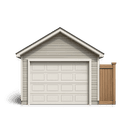
Detached structures on your property, such as a fence, shed, detached garage, or gazebo. Usually set at about 10 percent of your dwelling limit [2].

Personal Property
Your belongings, furniture, clothing, electronics, and appliances, generally written at 50 to 70 percent of your dwelling limit [2]. High-value items like jewelry and art carry special limits.

Additional Living Expenses
Also called loss of use. Pays your added living costs, hotel stays, meals, and a temporary rental, while a covered loss makes your home uninhabitable. Usually set at about 20 percent of your dwelling limit.

Liability
Covers you if someone is injured on your property, or you damage someone else's property, and you are found responsible. The standard $100,000 limit [2] is often raised to $300,000 or $500,000.

Medical Payments
Pays small medical bills, commonly $1,000 to $5,000, if a guest is hurt at your home regardless of fault, without a formal liability claim.
Homeowners Insurance Cost in Tulsa
Average Cost in Oklahoma
$160 - $410
per month
In Oklahoma, homeowners insurance premiums typically run $160 - $410 per month, which tends to run 58% above the national range of $110 - $250 per month.
- Home replacement cost, age, and construction type
- Roof age, material, and condition
- ZIP code and local weather risk (wind, hail, wildfire, hurricane)
- Coverage limits and endorsements
- All-peril and percentage wind/hail deductibles
- Claims history and insurance score where allowed
Typical range for many standard homeowners profiles; lower-risk homes fall below it and coastal, wildfire, or older-roof homes can run well above. Final pricing depends on property details, location, underwriting, and selected coverage.
Prices shown are general estimates, not guaranteed rates or quotes. Your actual premium will depend on the insurer, coverage selected, personal details, location, claims history, and other underwriting factors. Learn about our pricing methodology.
Homeowners pricing in Oklahoma moves on property-specific risk, not a single statewide number that tells you much by itself. Your premium depends on roof age, construction type, prior claims, deductible choice, protection class, and how the carrier views local wind, hail, wildfire, and water-loss exposure.
A newer roof can materially change the quote because carriers often treat roofing condition as one of the clearest predictors of future storm losses. The same is true for claim history. A house with prior water damage, unrepaired roof issues, or multiple recent claims can price very differently from a similar home down the street.
Deductible structure matters too. In Oklahoma, you should check whether the quote uses a flat deductible, a separate wind or hail deductible, or endorsements that change roof settlement after a storm. Construction details also move the premium. Masonry veneer, roof shape, square footage, attached garages, outbuildings, and special finishes all affect rebuild cost and therefore the insurance cost.
Protective devices such as centrally monitored alarms, water shutoff devices, or impact-resistant roofing may help in some cases, but only if they are disclosed correctly and accepted by the carrier. The practical way to shop is to compare the same dwelling limit, deductible approach, roof valuation method, and endorsements across quotes. If one price is much lower, ask what changed in the contract.
What Affects Homeowners Insurance Rates in Tulsa
Tulsa changes the cost conversation because local affordability and local home values meet in one decision: how much risk you keep versus transfer. With a median household income of $58,407, many households need a deductible they can realistically fund without leaning on credit after a covered loss. At the same time, underinsuring the structure to trim premium can leave a larger gap than expected if repair costs run past your limit. That is why a quote comparison here should not stop at premium. Review the dwelling amount, roof claim settlement language, ordinance or law coverage if offered, and whether optional endorsements solve a specific gap at a manageable cost. If your payment is escrowed, check whether the annual premium change still fits your monthly housing budget before renewal, not after the lender updates the payment.
What Makes Tulsa Different
Tulsa buyers often make better decisions by starting with the home's actual value band and then pressure testing the policy around it. If your current dwelling limit looks low because it was set years ago, or oddly high without a clear rebuild basis, you need a fresh estimate rather than a quick renewal. That matters even more if you moved from a smaller town, bought an older home with detached structures, or finished upgrades that changed replacement needs. The goal is not to chase the lowest premium but to make sure the policy is built around this property, this budget, and the claim scenarios most likely to disrupt your household. Ask for a quote review that explains each major limit and deductible in plain terms before you decide.
Our Recommendation for Tulsa
Start with the declarations page from your current policy or the draft quote from your lender's insurance checklist. From there, ask for a line by line review focused on local fit. Confirm your dwelling limit was calculated recently rather than rolled forward automatically. Check whether your roof is settled at replacement cost or another basis, and ask how your deductible applies after a wind or hail claim. If you have a detached garage, workshop, fence line, or recent remodel, verify other structures and personal property limits still make sense. If your monthly budget is tight, test more than one deductible instead of defaulting to the highest option, because the cheaper premium only helps if you can actually absorb the retained risk. If you work from home or keep business equipment on site, mention it early so the quote can be reviewed for any home based business gap before binding.
Get Homeowners Insurance in Tulsa
Enter your ZIP code to compare homeowners insurance rates from carriers in Tulsa, OK.
Home insurance starting at $50/mo
FAQ
Frequently Asked Questions
Tulsa buyers should review the dwelling limit, deductible, roof settlement terms, and loss of use before closing. A copied policy from a prior home can miss the replacement assumptions that matter for the property you are buying, so ask for a fresh rebuild estimate tied to local construction costs.
Tulsa households often feel the deductible decision immediately after a claim, not at quote time. A higher deductible lowers your premium but only makes sense if you can still pay that amount out of pocket without derailing your monthly budget.
Tulsa County has 19,392 business establishments. That number tells you a significant share of your neighbors run some kind of operation from where they live, so do not assume a standard policy automatically accounts for yours. If you store equipment, meet clients, or rely on business property at home, ask whether your homeowners policy leaves a gap.
Tulsa County's leading sectors include professional, scientific, and technical services at 12.4%, retail trade at 12.2%, and health care and social assistance at 11.5%. Those three fields alone account for roughly a third of local business activity, which means many residents are running client facing or inventory heavy work from home. If your home supports that work, review business property and liability exposures before renewal.
Oklahoma homeowners policies often cover wind-related damage, depending on policy terms, but the real question is how deductibles and roof valuation work after the storm. Review wind and hail deductibles, roof valuation, debris removal, and temporary living expense terms before you buy.
Oklahoma weather can turn roof wording into the biggest claim issue on the policy. Two quotes with similar premiums may handle the same storm loss very differently, so ask whether roof damage is settled at replacement cost, actual cash value, or under a separate endorsement.
Oklahoma buyers should not rely on market value alone when reviewing a quote. Sale price can reflect land, neighborhood demand, and timing, while the policy needs limits and endorsements that fit how the structure would actually be repaired after a covered loss.
Oklahoma homeowners should ask whether the policy may cover sudden plumbing discharge, subject to policy terms, what exclusions apply to repeated seepage, whether backup can be added, and how mold or tear-out is limited. Those details often decide whether a water loss stays manageable.
Sources
- 1.U.S. Census Bureau, ACS 5-Year Estimates, table B25077(The city's median home value is $189,600, so a quote review should test whether your dwelling limit, other structures coverage, and deductible still fit your property.)
- 2.U.S. Census Bureau, ACS 5-Year Estimates, table B19013(With a median household income of $58,407, many households need a deductible they can realistically fund without leaning on credit after a covered loss.)
- 3.U.S. Census Bureau, County Business Patterns, Tulsa County(Tulsa County has 19,392 business establishments, so home based work is common enough to raise practical coverage questions.; Tulsa County's leading sectors include professional, scientific, and technical services at 12.4%, retail trade at 12.2%, and health care and social assistance at 11.5%.)
Updated July 16, 2026