







































Updated July 16, 2026

Builders Risk Insurance in Eugene
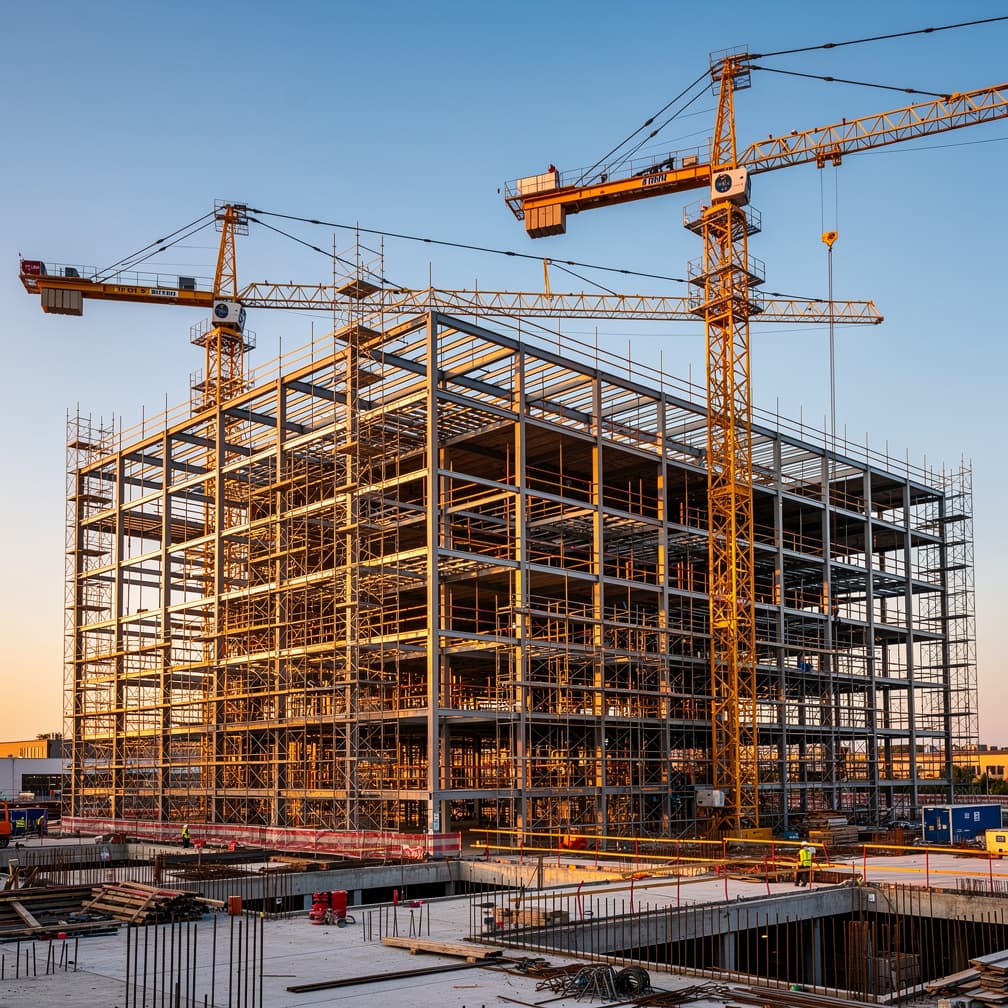
Right after a purchase agreement closes, a rehab budget is approved, or a lender asks for project documents before the first draw, the insurance conversation gets specific. Builders risk insurance in Eugene is often less about explaining the form itself and more about matching coverage to the value sitting on the site while work is underway. Home values here run high enough that a remodel, addition, or custom build can put serious structure, materials, and financed work at risk before completion. Whether you are renovating a South Hills house, improving a rental near campus, or building on an infill lot closer to downtown, you will want to review completed value, soft cost needs, theft controls, and temporary storage arrangements before materials arrive. A quote works better when your plans, construction budget, timeline, and contract responsibilities line up from the start, because the expensive mistake here is not usually buying the wrong product. It is carrying a limit or project term that does not match the job.
Builders Risk Insurance Risk Factors in Eugene
Local property values are the practical risk signal here. Even a smaller residential project can involve enough structure and material value that **underinsuring the completed amount creates a real gap** if damage hits mid-build. That does not mean every project needs the same limit. It means you should separate land value from the amount at risk during construction, then check whether the policy basis matches the way your lender, owner, or contractor is valuing the job. For renovations, ask how existing structure is treated and whether the policy is written for the full completed value or only the new work, depending on the contract and the carrier's form. For ground-up homes and higher-end additions, confirm how change orders, owner-supplied materials, and delays affect the limit and term so the policy keeps pace with the project instead of lagging behind it.
Oregon has a moderate climate risk rating. Top hazards: Wildfire (Very High), Earthquake (High), Flooding (Moderate), Landslide (Moderate). The state's expected annual loss from natural hazards is $620M, which influences builders risk insurance premiums and may affect coverage availability in high-risk areas.
What Builders Risk Insurance Covers
What matters on an Oregon project is the property list and the loss scenarios that fit the way your job is staged. A ground-up project outside a major metro may store materials differently than a tight urban renovation, and that changes what you should ask to see on the quote. If key property categories are left implied instead of listed clearly, you can end up arguing about them after a loss instead of keeping the project moving.
Start with the structure and project materials, then work outward to the items that create real claim friction on Oregon jobs. That often includes materials waiting at the site, materials stored off site, and property in transit between suppliers, yards, and the project address. If your schedule involves long lead items, custom components, or phased delivery because access is limited, ask how those items are treated and whether sublimits apply. The same goes for temporary structures, scaffolding, fencing, and similar jobsite property if your contract places that responsibility on you.
Delay-related costs also deserve a direct review. If a covered loss pushes back completion, the financial pain may come from extra interest, additional general conditions, or lost rental timing rather than from the damaged materials alone. That is why many Oregon buyers ask for a line-by-line review of soft costs and delay-related options, such as additional loan interest, extended general conditions, and lost rental income, instead of assuming they are built in. You should also confirm policy wording and complaint handling with the state insurance regulator, so you know where to verify forms and raise questions before binding coverage.
Coverage Included

Structure Coverage
Covers the building or structure under construction.

Materials on Site
Covers building materials stored at the construction site.

Materials in Transit
Covers materials being transported to the job site.
Temporary Structures
Covers scaffolding, fencing, and temporary buildings.

Soft Costs
Covers additional expenses from construction delays due to covered losses.

Equipment Coverage
Covers permanently installed fixtures and equipment.
Industries & Insurance Needs in Eugene
Lane County business mix changes the buying conversation because project owners here often build for operating businesses, not just for resale. The county has 10,143 business establishments, and its largest establishment shares are health care and social assistance at 13.4%, retail trade at 12.4%, and construction at 11.4%, so many local projects involve tenant improvements, clinic updates, storefront work, and contractor-driven buildouts where timing and occupancy plans matter as much as the structure itself. If your job supports a business opening, relocation, or expansion, ask whether delay-related exposures, temporary protection requirements, and phased turnover need to be reviewed alongside the core builders risk form. That is especially useful when the project is tied to lease obligations, equipment delivery, or a planned opening date, because the insurance should follow the operational schedule, not just the framing calendar.
What Makes Eugene Different
Property value concentration is the main thing that changes the calculus here. In a market with a median household income of $63,836, many owners are putting a large share of their available capital, borrowed funds, or both into a single renovation or new build. That means a single project can tie up most of an owner's liquidity in one structure before the roof is even on. The real question is whether the money already committed to the site is fully protected, not whether you can shave a few dollars off the premium. That affects how you review limits, deductibles, and the project term.
If the budget is tight, it is tempting to insure only the obvious hard costs. That can leave a gap once materials are delivered, labor is installed, and change orders start stacking up. A better approach is to map the policy to the actual financial exposure on the job, then confirm whether the form fits a remodel, an addition, or a ground-up build before work starts.
Our Recommendation for Eugene
Start with the construction schedule and the latest budget, then work outward. For a local remodel or custom home, ask your agent to review the completed value, the amount of existing structure involved, where materials will be stored, and whether owner-furnished items need to be scheduled or specifically discussed. If the project supports a business tenant or a future opening date, bring the lease, lender requirements, and contractor agreement into the quote conversation early so the policy term and valuation method can be checked against real obligations. Ask how the form handles partial occupancy, testing, and project delays if the work will finish in phases.
If you run into wording questions or complaint procedures, the Oregon Division of Financial Regulation oversees insurance in the state and can help clarify how forms are supposed to work. Before binding, sit down with your plans, draw schedule, and contract exhibits and walk through the quote side by side to catch anything that looks off.
Get Builders Risk Insurance in Eugene
Enter your ZIP code to compare builders risk insurance rates from carriers in Eugene, OR.
Business insurance starting at $25/mo
FAQ
Frequently Asked Questions
Eugene renovations should be insured based on the amount actually at risk during construction. Review whether the policy should reflect completed value, new work only, or a mix that matches the contract and lender expectations. The goal is aligning your limit with real financial exposure before the first material delivery arrives on site.
Eugene construction lenders usually want the insurance to track the real project budget and timeline before funds move. The useful step is to line up the site address, term, valuation approach, and any change-order assumptions with your draw schedule. When the paperwork lines up, lenders release funds on schedule and your crew breaks ground without sitting idle.
Lane County does affect planning because it has 10,143 business establishments, with strong shares in health care, retail, and construction. That volume means tenant improvements, clinic updates, and storefront work happen often enough that opening dates, phased occupancy, and contractor responsibilities deserve early review before you commit to a policy term.
Eugene remodels often need a careful answer because the right approach depends on the contract, lender requirements, and carrier form. Ask specifically how existing structure is treated, especially if the project is a major addition, gut renovation, or phased rebuild. Carrier forms differ on this point, so confirming the wording before binding can prevent a costly coverage gap during construction.
Lane County projects work better when the policy matches who actually has money at risk on the job. Before binding, compare the owner, contractor, lender, and any additional insured or loss payee requirements against the construction agreement and funding documents. Sorting out the named parties before a loss happens keeps checks from getting tied up in disputes while your project sits stalled.
Oregon projects usually follow the contract first. The buyer is often the owner or contractor named as responsible for insuring the work, and you should verify policy wording and documentation requirements before binding if anything is unclear.
Oregon lenders often care less about a generic certificate and more about whether the policy matches the loan and construction documents. You should confirm named parties, project address, term, and valuation method before expecting draws or closing documents to move smoothly.
Oregon renovation quotes are easiest to compare when each carrier reviews the same scope, completed value, occupancy status, and storage plan. Ask each quote to show how work in place, temporary property, and delay-related costs are treated before choosing on price.
Sources
- 1.U.S. Census Bureau, County Business Patterns, Lane County(The county has 10,143 business establishments, and its largest establishment shares are health care and social assistance at 13.4%, retail trade at 12.4%, and construction at 11.4%)
- 2.U.S. Census Bureau, ACS 5-Year Estimates, table B19013(The median household income is $63,836)
- 3.Oregon Division of Financial Regulation(The Oregon Division of Financial Regulation is the state regulator)
Updated July 16, 2026





