Updated July 16, 2026

Key Takeaways
- Compare quotes using the same peak inventory value, deductible, and valuation assumptions so you can see real coverage differences.
- Ask in writing how the policy handles hail, flood, theft, vandalism, and test drives before you bind coverage.
- Prepare a current inventory schedule, offsite storage list, and security summary before requesting dealer open lot insurance quotes.
- Review whether flood needs separate placement instead of assuming another policy form includes it automatically.
- Requote after security upgrades, lot layout changes, or improved claims history so pricing reflects your current risk.
Dealer Open Lot Insurance in Oregon
A landlord in the Portland area just asked for proof of inventory coverage before handing over the lot keys. That moment turns this policy from a line item into a set of practical decisions about where units sit overnight, how often you move vehicles between lots, and what documentation you can produce if weather or theft hits before a sale closes. Oregon buyers also need to think about how local hazard patterns affect outdoor inventory, especially if your operation keeps vehicles exposed for long stretches or stores overflow stock offsite. A useful review is less about broad promises and more about matching limits, deductibles, storage locations, and handling practices to the way your dealership actually operates. If you are comparing quotes, bring a current inventory schedule, your highest total lot values, every storage address, and your test-drive procedures. That gives you a cleaner starting point and helps you spot gaps before a lender, landlord, or claim adjuster does.
What Dealer Open Lot Insurance Covers
In Oregon, the coverage layer is often about where your inventory sits and how consistently you can document that exposure. A dealership with one fenced lot presents a different underwriting picture than an operation that rotates units between a main sales location, an overflow yard, a reconditioning site, and temporary event space. If your policy review does not clearly match those locations and movements, you can end up arguing about where a loss happened instead of moving the claim forward.
This is also where Oregon hazard planning matters. Outdoor inventory can face changing weather conditions across the state, so you should review whether your limits still make sense during peak inventory periods, whether your deductible is realistic for a multi-unit loss, and whether off-premises storage is specifically scheduled when needed. If you keep higher-value trucks, specialty units, or seasonal inventory, ask how those concentrations affect the way losses are adjusted.
Operational details also create claim friction. That includes who has keys, where vehicles are parked after hours, how often inventory is photographed, and whether transfers between locations are logged the same day. If a unit is damaged before retail delivery, your records often matter as much as the physical loss itself. A stronger review focuses on inventory values, storage practices, and movement controls so the policy terms line up with how your lot actually runs.

Weather Damage
Covers hail, wind, flood, and storm damage to lot inventory.
Theft Protection
Covers vehicles stolen from your lot.
Fire Damage
Covers fire and explosion damage to inventory vehicles.

Vandalism
Covers intentional damage to vehicles on your lot.
Test Drive Coverage
Covers vehicles during customer and employee test drives.
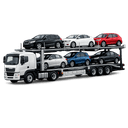
Transit Coverage
Covers vehicles being moved between lot locations.
Dealer Open Lot Insurance Requirements in Oregon
- Oregon hazard patterns can change the loss picture for outdoor inventory, so lot layout, drainage, and concentration of vehicles deserve a closer review.
- If your dealership uses overflow storage or rotates units between addresses, make sure each Oregon location is identified consistently in both operations records and policy review.
- A claim involving inventory moved between a sales lot and a reconditioning or storage site is easier to support when transfers are logged the same day.
- Dealers with specialty, recreational, or higher-value units outdoors should test whether one concentrated loss could strain the selected limit.
How Much Does Dealer Open Lot Insurance Cost in Oregon?
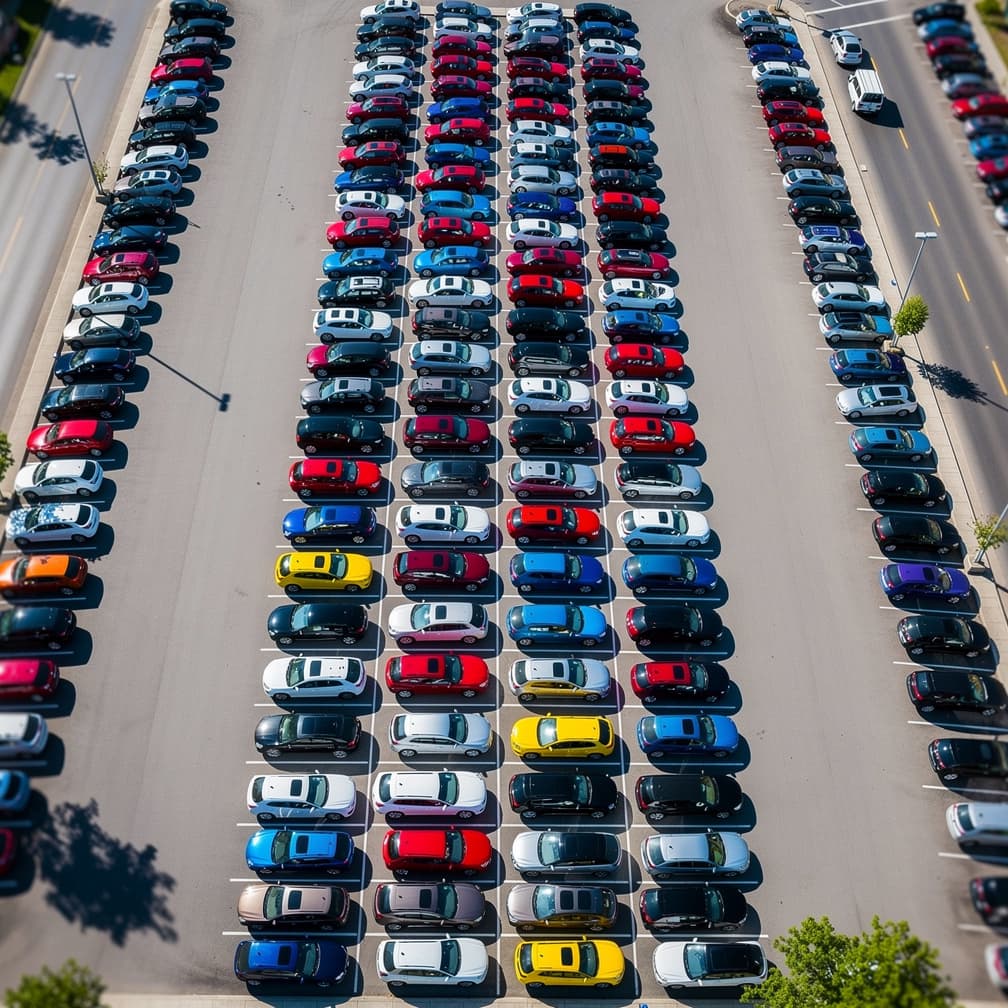
Costs in Oregon depend on the shape of your inventory exposure, not just the fact that you sell vehicles. Underwriters usually want to see your total inventory values, but they also look at concentration risk. That means a single hail storm could destroy 50 cars at once if they are all parked in one exposed area. If too many units sit in one place, a single storm or theft event can affect multiple vehicles at once, which changes how a quote is built.
Your location setup matters as well. A paved, well-lit lot with controlled access and consistent key procedures presents differently from a site with open perimeter access, scattered storage, or informal after-hours handling. If you use more than one address, keep overflow inventory offsite, or move units between locations, expect those details to affect pricing because they change both loss frequency and claim documentation.
Vehicle mix can also move the quote. Higher-value inventory, specialty units, and fast-turn stock may need different limit planning than older, lower-value vehicles. The same is true if your inventory spikes during buying cycles and then drops later. A quote based on an average month can leave you thin during your busiest period. To get a useful comparison, give every quote the same inventory values, deductible target, storage addresses, and security details. Then compare how each option treats offsite storage, temporary movement, and reporting expectations after a loss. That approach gives you a truer cost picture than looking at premium alone.
Request a Quote Comparison
Enter your ZIP code to compare dealer open lot insurance rates from top carriers.
Business insurance starting at $25/mo
Who Needs Dealer Open Lot Insurance?
In Oregon, this coverage becomes especially important for dealers whose inventory is regularly exposed outside the showroom and outside a single fixed lot routine. If you run a used auto operation, a powersports dealership, an RV or trailer business, or a mixed inventory lot, you should review how often units sit outdoors, move between addresses, or stay in overflow storage before sale.
Some dealers buy aggressively at auction, hold more units during seasonal demand shifts, or keep vehicles longer while waiting on parts, reconditioning, or title work. Those patterns can increase the amount of inventory exposed at one time, which is exactly what you want reflected in your limits and reporting practices.
You may need a closer review if any of these apply to your operation. Storing sale units at more than one address can leave offsite inventory handling unclear after a loss, because a policy that only contemplates the main lot may not extend cleanly to secondary sites. Relying on temporary overflow space during buying surges creates a gap if underwriters were not told about those locations before a claim tests whether they were contemplated.
Keeping higher-value trucks, specialty vehicles, or recreational units outdoors for extended periods raises the chance that a concentrated loss can exhaust a limit faster than expected. Delegating lot movement, key control, or test-drive preparation across several employees can complicate theft and damage claims when procedures are inconsistent from one staff member to the next. If your inventory is exposed before delivery to the buyer, you should review the policy before the next lease renewal, lender request, or seasonal stock increase.
Dealer Open Lot Insurance by City in Oregon
Dealer Open Lot Insurance rates and coverage options can vary across Oregon. Select your city below for localized information:
How to Buy Dealer Open Lot Insurance
To buy this coverage well in Oregon, start by building the submission the underwriter actually needs, not the one that is easiest to assemble. Use a current inventory schedule with values, identify every address where vehicles are stored, and note any overflow arrangements that come into play during heavier buying periods. If you move units between locations, explain how often that happens and who records the transfer.
Next, map your physical controls. Underwriters and claims teams want to understand fencing, lighting, camera coverage, key storage, after-hours access, and who can authorize vehicle movement. If your procedures differ by location, say so clearly. A vague application can produce a vague quote, and that usually shows up later when a claim turns on details no one documented.
Oregon-specific questions about outdoor exposure also deserve attention. Be ready to discuss where the lot sits, whether drainage or surrounding conditions create added risk, and how you handle inventory during severe weather alerts. If you use offsite storage, include photos and a short description of security and surface conditions. That gives the carrier a more accurate picture of the exposure they are being asked to insure. Oregon's insurance regulator is the Oregon Division of Financial Regulation. If a dispute arises over claim handling, policy forms, or endorsements, that is the office you would contact, so keep your quote documents, policy forms, and any complaint records organized and review them carefully before activating the policy. Ask for the quote terms in writing, confirm every covered location, and verify how losses are reported before you put inventory at that address.
How to Save on Dealer Open Lot Insurance
The most dependable way to save in Oregon is to make your inventory easier to underwrite and easier to verify after a loss. Start with location discipline. If you use a main lot, overflow yard, and service-area storage, keep those addresses current on your application and update them when operations change. Clean location data reduces uncertainty, and less uncertainty often leads to a more stable quote.
Tight inventory reporting also helps. Reconcile your inventory schedule regularly, remove sold units promptly, and document newly acquired vehicles without delay. If a claim happens, the businesses with dated photos, acquisition records, and same-day movement logs are usually in a better position than the ones trying to rebuild the file afterward.
Security procedures can affect both pricing and claim outcomes. Standardize key control, limit after-hours access, verify camera retention, and make sure every employee follows the same lot-closing checklist. If one location is fenced and another is not, ask whether improving the weaker site changes the quote enough to justify the expense. You can also save by choosing a deductible that your dealership can realistically absorb without disrupting cash flow. A higher deductible may reduce premium, but only if it still fits your operating reserves. Finally, request quote options using the same limits and location schedule so you can compare structure, not just price. That makes it easier to spot whether a lower premium comes from a real underwriting advantage or from thinner terms you may regret later.
Our Recommendation for Oregon
For Oregon dealerships, the smartest buying move is to treat this coverage as an inventory-management policy review, not just an insurance purchase. Start with your maximum exposed values, not your average month. If your lot swells after auctions or before a selling season, ask whether your limit still works at that peak.
Next, review every place a unit can spend the night. Main lot, overflow yard, reconditioning area, temporary event space, and offsite storage should all be accounted for the same way in your records and in the quote request. If those locations are not clearly identified, claim handling can slow down at the worst time.
Pressure-test your documentation process as well. Make sure acquisitions, transfers, photos, keys, and test-drive logs are recorded consistently across staff. In many inventory claims, the dispute is not whether damage happened, but whether the file clearly shows where the unit was, when it moved, and what condition it was in beforehand. Before you finalize, ask for a plain-language review of deductibles, location treatment, and reporting expectations after a loss. Then compare those terms against your actual lot operations, not against a generic dealership profile.
FAQ
Frequently Asked Questions
Oregon dealers often do if sale inventory is kept at an offsite yard, because claim handling can turn on whether that address and its storage practices were clearly disclosed before binding.
Oregon dealers get a cleaner comparison by using the same inventory values, deductible target, storage addresses, and security details on every quote request, then checking how each option treats offsite and temporary storage.
Some policies treat movement between listed locations as routine, while others require advance notice or a transfer log. Ask each provider to spell out what documentation keeps a vehicle protected while it is in transit between your lots.
Oregon applications go more smoothly when you have a current inventory schedule, lot photos, and written procedures for keys, after-hours access, and vehicle movement.
Oregon landlords and lenders often want evidence that sale inventory has been reviewed for loss exposure before a lease or financing arrangement moves forward, especially when vehicles are stored outdoors.
Oregon regulates insurance through the Oregon Division of Financial Regulation, so keep your quote documents, policy forms, and any complaint records organized if you need to review terms or filing issues.
Oregon seasonal buying patterns can affect your quote if inventory values rise sharply during certain periods, because the limit that works in a slower month may not fit your peak exposure.
Dealer open lot insurance nationwide is generally reviewed for damage or loss to vehicles you own for sale, including hail, wind, theft, vandalism, fire, flood, and test drive exposure, depending on your policy terms, deductibles, valuation method, and any location or off-premises limitations.
Sources
- 1.Oregon Division of Financial Regulation(Oregon's insurance regulator is the Oregon Division of Financial Regulation.)
Updated July 16, 2026