Updated July 16, 2026

Commercial Auto Insurance in Portland
Portland operating costs change how you set up a vehicle policy. With median household income at $88,792, local wages and repair bills tend to run higher than the national average. When body shops pay higher labor rates and parts cost more, the out-of-pocket difference between a low and high deductible hits your cash reserves directly. A low liability limit or a deductible that only looks good on paper can create cash flow strain after a loss. Commercial auto insurance in Portland works better when you match limits and deductibles to how your vehicles actually move through tight streets, bridge crossings, and loading zones from the east side to downtown.
If your drivers park on the street between calls, carry tools, or switch between personal and business use patterns, ask for a quote that separates your owned and non-owned vehicle use instead of treating every vehicle the same. Before you renew, review who drives, where vehicles are kept overnight, whether any unit tows equipment, and how long you could absorb downtime if one van is out of service for a week.
Commercial Auto Insurance Risk Factors in Portland
Portland's top risk factors include Wildfire risk, Drought conditions, Power shutoffs, and Air quality events. Portland's crime index of 125 (national avg: 100) increases vehicle theft risk, comprehensive auto coverage is important here.
Oregon has a moderate climate risk rating. Top hazards: Wildfire (Very High), Earthquake (High), Flooding (Moderate), Landslide (Moderate). The state's expected annual loss from natural hazards is $620M, which influences commercial auto insurance premiums and may affect coverage availability in high-risk areas.
What Commercial Auto Insurance Covers
In Oregon, your policy is built around business-use vehicles and the risks that come with them on local roads, highways, and job routes. The core protection may help cover bodily injury and property damage you cause to others, plus collision for vehicle damage after a crash and comprehensive for theft or weather-related losses. It also includes medical payments and uninsured motorist protection, which Oregon requires you to carry. Oregon's minimum liability requirement for commercial vehicles applies, so many buyers compare those minimums against the value of the vehicles, the exposure created by frequent driving, and the possibility of larger claim costs.
Coverage can be expanded with hired auto and non-owned auto endorsements when employees use personal vehicles for work or the business rents vehicles for short-term use. If your staff drives across Salem, the Portland metro area, the Willamette Valley, or longer rural routes, a single vehicle may be used in multiple ways and needs protection that matches. Whether you operate one company car, several service vans, or a larger fleet, your policy can be structured to fit the business's driving pattern. Commercial vehicle insurance in Oregon should be reviewed with the state registration requirement in mind, because the DMV requires proper registration before a vehicle hits the road for work.
Coverage Included

Bodily Injury Liability
Covers injuries you cause to others in an accident

Property Damage Liability
Covers damage you cause to others' property
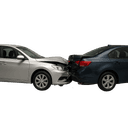
Collision Coverage
Pays for damage to your vehicle in an accident

Comprehensive Coverage
Covers theft, vandalism, weather, and animal damage

Medical Payments
Covers medical costs for your drivers and passengers

Uninsured Motorist
Protection when the other driver lacks insurance
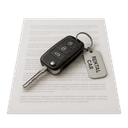
Hired & Non-Owned Auto
Covers rented or employee-owned vehicles used for work
Commercial Auto Insurance Cost in Portland
Average Cost in Oregon
$140 - $410
per month
Businesses in Oregon typically see commercial auto insurance premiums of $140 - $410 per month, which tends to run close to the national range of $140 - $410 per month.
- Fleet size and vehicle types
- Driver records and experience
- Coverage limits and deductibles
- Business industry and use
- Annual mileage and operating radius
- Claims history
Rates based on small business averages. Your actual premium may vary.
Prices shown are general estimates, not guaranteed rates or quotes. Your actual premium will depend on the insurer, coverage selected, business details, location, claims history, and other underwriting factors. Learn about our pricing methodology.
Commercial auto insurance cost in Oregon is influenced by both statewide conditions and the way each business uses its vehicles. Those figures are only benchmarks, not a quote, and the actual premium varies by fleet size, vehicle types, driver records, coverage limits, deductibles, business industry, annual mileage, operating radius, and claims history. State pricing tracks close to national norms, but that does not flatten the spread between a lightly used company car and a higher-exposure fleet.
Local conditions can also push pricing in different directions. Oregon recorded 52,000 crashes in 2023, which raises the odds that your drivers will be involved in a collision and can push up premiums for businesses with frequent road time. Oregon also has a moderate overall climate risk profile, but wildfire is rated very high, earthquake high, and flooding and landslide moderate, so comprehensive coverage can matter for vehicles exposed to those events or stored in affected areas.
Top carriers in the state include Farmers, Progressive, and Travelers. That competition can create more quote-shopping opportunities, but it does not guarantee the same rate for every business. A fleet in retail delivery, accommodation and food service, or manufacturing may be priced differently from an office-based business because the use pattern, mileage, and driver exposure are different.
Industries & Insurance Needs in Portland
Multnomah County has 27,434 business establishments, so many local fleets are not long haul operations but service vehicles competing for curb space, appointment windows, and vendor access across a dense customer base. The county mix also matters: professional, scientific, and technical services account for 14.5% of establishments, health care and social assistance 13.3%, and accommodation and food services 11.6%. That points to a lot of sedans, SUVs, vans, and light trucks used for client visits, home or facility calls, deliveries, and time sensitive service runs rather than one uniform fleet model. If that sounds like your operation, ask your agent to rate vehicles by actual use, radius, garaging, and driver assignment. A blanket approach can miss hired and non-owned auto exposure for staff errands, borrowed vehicles, or managers using personal cars for business tasks.
What Makes Portland Different
What sets Portland apart is how concentrated the driving environment is. In a spread-out market, a commercial auto policy can often be built around mileage and vehicle type first. Around Portland, the harder question is how often your drivers stop, park, back, load, and re-enter traffic during a normal day.
That operating pattern changes the loss picture for businesses with vehicles on the road. Short trips with many stops can produce frequent low to mid severity claims, while a single serious liability loss can still test limits quickly. Employee driver screening, permissive use, hired and non-owned auto, glass claims, rental reimbursement, and downtime planning all deserve attention.
If your routes change week to week, share that detail with the underwriter up front instead of letting the policy assume a simpler pattern than your business actually has. Assumptions leave gaps that surface only after a claim forces an adjustment.
Our Recommendation for Portland
Begin by pulling together your vehicle schedule alongside notes on how the business operates day to day. Write down who regularly drives, who only drives occasionally, where each unit is parked overnight, and whether tools, samples, food, or equipment stay in the vehicle between jobs. If one owner or manager sometimes uses a personal vehicle for work, request a review of that exposure rather than assuming the business auto policy picks it up automatically.
For service vans and light trucks, compare a higher deductible against the amount of downtime your business could absorb if a vehicle is sidelined after a collision or vandalism loss. If you rely on one or two key units, ask how rental reimbursement or substitute vehicle arrangements would work under the policy terms. Oregon's regulator is the Oregon Division of Financial Regulation. Send your current declarations page, driver list, and vehicle use notes for a side by side quote review before renewal.
Get Commercial Auto Insurance in Portland
Enter your ZIP code to compare commercial auto insurance rates from carriers in Portland, OR.
Business insurance starting at $25/mo
FAQ
Frequently Asked Questions
Portland fleets with only one to three vehicles still need the policy matched to real use. Short urban routes, frequent parking, and employee errands can create coverage gaps that a simple vehicle list does not fully address.
Be ready to walk through your driver roster, overnight garaging, jobsite radius, towing details, and whether tools or equipment stay in the vehicle. Those operating details often matter more than the vehicle year alone when coverage is being structured.
Multnomah County has 27,434 business establishments. Your drivers are competing for curb space with delivery trucks, contractors, and customer traffic almost every stop, and that congestion raises the odds of low-speed contact and parking-lot damage. That makes it worth reviewing liability limits, deductibles, and downtime planning instead of shopping on price alone.
Portland professional firms often have employees using personal cars for client visits or errands. In Multnomah County, professional, scientific, and technical services make up 14.5% of establishments. That share represents thousands of firms where staff drive personal cars for work, and personal policies frequently exclude business use.
Local repair costs run higher than many owners expect. A deductible that looks affordable on paper can still strain your operation when a real loss hits, because the gap between premium savings and actual out-of-pocket cost shows up at the worst possible moment.
In Oregon, the policy can include liability for bodily injury and property damage, collision for crash damage, comprehensive for theft or weather-related losses, medical payments, and uninsured or underinsured motorist protection. It can also be expanded with hired auto and non-owned auto coverage when the business rents vehicles or employees drive personal vehicles for work.
Small business averages run from $140 to $410 per month per vehicle, or $1,680 to $4,920 per year per vehicle. Your price varies by fleet size, vehicle type, driver records, coverage limits, deductibles, mileage, operating radius, industry, and claims history.
Any Oregon business that uses a vehicle for work should review it, including owners with one company car, service vans, delivery vehicles, trucks, or larger fleets. It is especially relevant for businesses with employees who drive to client sites, make deliveries, rent vehicles for work, or use personal vehicles for business errands.
Sources
- 1.U.S. Census Bureau, ACS 5-Year Estimates, table B19013(With median household income at $88,792, labor, replacement vehicles, and third party claim expectations can all feel more expensive here.)
- 2.U.S. Census Bureau, County Business Patterns, Multnomah County(Multnomah County has 27,434 business establishments.; The county mix also matters: professional, scientific, and technical services account for 14.5% of establishments, health care and social assistance 13.3%, and accommodation and food services 11.6%.)
- 3.Oregon Division of Financial Regulation(Oregon's regulator is the Oregon Division of Financial Regulation.)
Updated July 16, 2026