







































Updated July 16, 2026

Commercial Truck Insurance in Portland
Professional, scientific, and technical services lead the business mix in Multnomah County at 14.5%, ahead of health care and social assistance at 13.3% and accommodation and food services at 11.6%. Nearly one in seven local businesses falls into that professional-services category, so a trucking operation here is more likely to serve office parks and clinics than heavy industrial sites. A lot of commercial driving supports time-sensitive client work, medical deliveries, service calls, and dense restaurant supply runs rather than long, simple highway miles. A local truck policy often needs to account for frequent stops, tighter loading areas, employee drivers moving between short routes, and contracts that ask for higher liability limits before work starts. The county also has a large base of business establishments, so even a small fleet can spend the week moving between offices, clinics, kitchens, and vendors with different certificate and additional insured requirements. If your operation serves downtown towers one day and neighborhood accounts the next, ask for a quote that reflects how your trucks actually run day to day.
Commercial Truck Insurance Risk Factors in Portland
Portland's top risk factors include Wildfire risk, Drought conditions, Power shutoffs, and Air quality events.
Oregon has a moderate climate risk rating. Top hazards: Wildfire (Very High), Earthquake (High), Flooding (Moderate), Landslide (Moderate). The state's expected annual loss from natural hazards is $620M, which influences commercial truck insurance premiums and may affect coverage availability in high-risk areas.
What Commercial Truck Insurance Covers
A typical trucking policy is built in layers so it can match your route, freight, and equipment exposure. Motor carrier liability is the core layer for many trucking businesses. Physical damage coverage can help protect against covered losses to the truck itself, cargo coverage addresses goods in transit, trailer interchange can apply when you are responsible for a trailer you do not own, and bobtail or non-trucking liability can matter when a truck is being used outside dispatch. Oregon does not add a special statewide truck coverage mandate, but businesses should still compare quotes because every operation carries its own risk picture. The state's commercial auto minimums are $25,000/$50,000/$20,000, yet trucking operations often need higher limits depending on freight, contracts, and federal expectations. That is especially relevant for general freight, where the $750,000 federal minimum for liability coverage applies, with higher limits possible for hazardous materials. In Oregon, policy design should also account for local exposure to wildfire, flooding, landslides, and earthquake-related disruption. Those hazards do not change the definition of coverage, but they can affect how you think about deductibles, physical damage, and whether your routes or parked equipment face elevated loss potential.
Coverage Included

Motor Carrier Liability
Can help cover injuries and property damage your truck causes to others, a coverage federal regulators require most for-hire carriers to maintain.
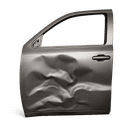
Physical Damage
Can help pay to repair or replace your own truck after an accident, fire, theft, or vandalism.
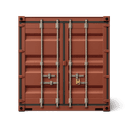
Cargo Coverage
May pay for damage to or theft of the freight you are hauling while it is in your care.
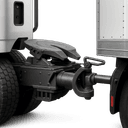
Trailer Interchange
Can help cover damage to trailers you haul under an interchange agreement but do not own.
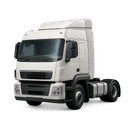
Bobtail Coverage
May provide liability protection when you drive your tractor without a trailer attached, such as after dropping off a load.

Non-Trucking Liability
Can help cover accidents that happen when you use your truck for personal errands rather than dispatched work.
Commercial Truck Insurance Cost in Portland
Average Cost in Oregon
$500 - $1,375
per month
Businesses in Oregon typically see commercial truck insurance premiums of $500 - $1,375 per month, which tends to run 23% above the national range of $400 - $1,125 per month.
- Radius of operation
- Commodities hauled and cargo value
- Number and value of power units
- Driver motor vehicle records and CDL experience
- DOT safety record, inspections, and FMCSA scores
- Liability limits and physical damage deductibles
Contact CPK Insurance for a personalized quote.
Prices shown are general estimates, not guaranteed rates or quotes. Your actual premium will depend on the insurer, coverage selected, business details, location, claims history, and other underwriting factors. Learn about our pricing methodology.
Commercial truck insurance cost in Oregon depends on the truck, the freight, and the coverage stack you choose. Oregon's premium index is 104, which means pricing runs about 4% above national levels rather than dramatically higher or lower. Several state conditions can push a quote up or down. The hundreds of active insurers create competition, but Oregon's crime, theft, and crash rates are all above national averages, which means underwriters pay closer attention to trucks that operate in higher-traffic or urban-adjacent areas. Claims history, coverage limits, deductibles, and other specifics are key pricing factors, so a long-haul fleet running through wildfire corridors may see a different quote than a local delivery truck based in Salem or Portland. Oregon's disaster history also matters indirectly because the state has had over a hundred disaster declarations, including recent wildfire, flooding, winter storm, and earthquake events. That history means insurers are familiar with regional disruption and may weigh physical damage and downtime concerns accordingly. If you want a commercial truck insurance quote in Oregon, be ready to discuss route patterns, cargo type, trailer use, and whether you need bobtail or non-trucking liability insurance. Those details are often what separate a rough estimate from a usable quote.
What Makes Portland Different
Route density is the main difference here. Your trucks are more likely to make repeated local stops than run one clean lane for hours. That usually means more backing, more curbside parking, more driver turnover across short trips, and more chances for minor collisions or loading claims that still disrupt a contract. Portland buyers should treat that operating pattern as an underwriting issue, not just a dispatch issue. If your drivers handle tools, supplies, prepared food, medical items, or client equipment, review whether your policy still fits the way the truck is actually used. The goal is to give an underwriter a clear, honest picture of your operation so the quote reflects your real exposure instead of a generic regional trucking profile.
Our Recommendation for Portland
Start with how your trucks actually move during the week. If they spend most of their time on short urban routes, work with your agent to classify the operation around local delivery or service use as accurately as possible. From there, verify listed drivers, garaging address, radius, and any trailer interchange or hired auto exposure so nothing slips through the cracks. Next, line up your insurance paperwork with the way local clients buy. In Multnomah County, certificate requests, waiver requests, and contract insurance language can become an everyday administrative task, not an occasional one. Before renewal, gather your current vehicle schedule, driver records, loss runs, and any customer contract requirements. Include photos or descriptions of specialized bodies or permanently attached equipment. If you subcontract overflow work, review that relationship before a claim tests it. A well-organized submission helps the underwriter price your real risk, which means fewer surprises after binding.
Get Commercial Truck Insurance in Portland
Enter your ZIP code to compare commercial truck insurance rates from carriers in Portland, OR.
Business insurance starting at $25/mo
FAQ
Frequently Asked Questions
Portland local delivery fleets usually face more stops, backing, parking, and unloading activity in tighter spaces. That added activity means your policy review should zero in on route density, driver use, and contract requirements rather than truck count or interstate mileage alone.
Portland service truck operators often work for offices, clinics, and restaurants. Because those clients tend to send certificate requests and require additional insured wording and higher liability limits, you may need to sort out those details before any work starts.
Multnomah County's top three sectors are professional services, health care, and food service. That mix shapes the kind of freight moving through Portland, which tends to be time-sensitive and locally distributed rather than long-haul.
Portland owner-operators should review hired and non-owned auto exposure if employees use personal or rented vehicles for errands, parts runs, or temporary delivery support. Those trips can generate liability that falls outside your scheduled truck list, which is worth closing before a problem surfaces.
Gather your vehicle schedule, driver information, and loss runs first. Add your garaging address, route radius, and any customer contract requirements. Once you have quotes in hand, weigh each one against how your trucks are actually dispatched and loaded day to day.
In Oregon, the policy can be built around motor carrier liability, physical damage, cargo coverage, trailer interchange, bobtail coverage, and non-trucking liability insurance, depending on how your trucks are used.
Oregon commercial auto minimums apply, and trucking contracts may require more. Your specific operation will dictate what limits and coverages make sense, so review your freight agreements before you bind.
The final price depends on limits, deductibles, claims history, and other specifics.
Sources
- 1.U.S. Census Bureau, County Business Patterns, Multnomah County(Professional, scientific, and technical services lead the business mix in Multnomah County at 14.5%, ahead of health care and social assistance at 13.3% and accommodation and food services at 11.6%.; The county has 27,434 business establishments.)
Updated July 16, 2026





