







































Updated July 5, 2026

Garage Keepers Insurance in Erie
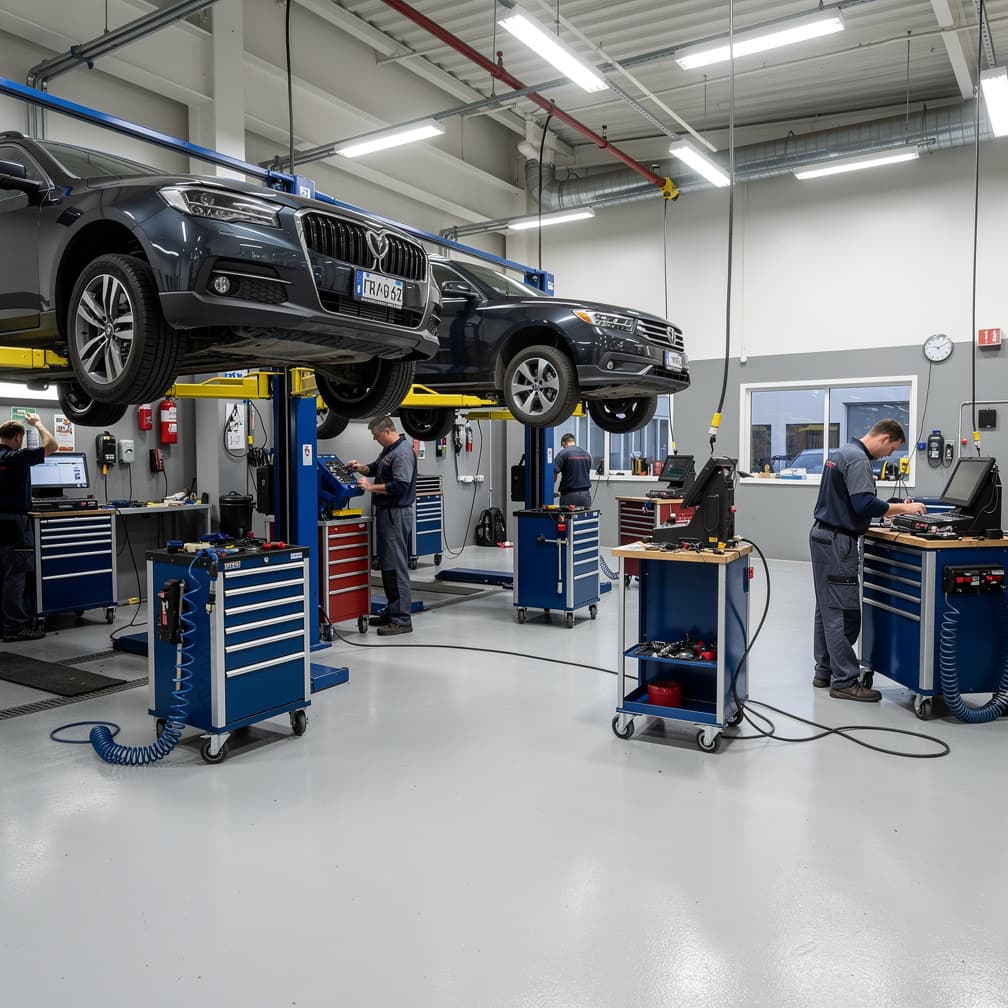
Do you need garage keepers insurance in Erie if your shop already carries other business coverage? Often, yes, because the local question is not the policy name, it is how long customer vehicles stay in your care and where they sit between drop off, diagnosis, parts delays, and pickup. Garage keepers insurance in Erie matters most when your operation regularly holds vehicles overnight, stages them outside, or moves them between bays and fenced areas while work is pending.
That local angle gets sharper because buyers here are price aware. Customers often defer nonurgent repairs, split work into phases, or leave a vehicle with you while they decide what to authorize. That can quietly extend custody time and change the loss exposure on your lot. If your shop handles collision work, mechanical repairs waiting on approval, towing intake, or seasonal storage overflow, ask for a quote built around maximum vehicles in custody, where keys are kept, and whether units stay indoors, outdoors, or both.
Garage Keepers Insurance Risk Factors in Erie
Erie's top risk factors include Severe weather, Property crime, Flooding, and Vehicle accidents.
Pennsylvania has a moderate climate risk rating. Top hazards: Flooding (High), Winter Storm (High), Severe Storm (Moderate), Tornado (Low). The state's expected annual loss from natural hazards is $1.6B, which influences garage keepers insurance premiums and may affect coverage availability in high-risk areas.
What Garage Keepers Insurance Covers
For your shop, the useful question is not the broad national definition. It is where loss can happen in your actual handoff process. A repair shop that keeps keys in a lockbox after hours faces a different exposure than a detailer moving vehicles across a shared lot. Both differ from a dealer service department that stores customer units for several days waiting on parts. Your coverage review should focus on those custody points.
Start with where vehicles are kept during the day, overnight, and on weekends. If customer cars rotate between indoor bays and outdoor parking, ask for each storage pattern to be reflected in the application. If you use a fenced lot, stacked parking, remote overflow space, or a neighboring parcel, disclose that early. Underwriters care because the loss scenario changes with every transfer, every key handoff, and every place a vehicle can sit unattended.
You should also review who is allowed to move customer vehicles and for what purpose. A shop foreman, porter, technician, tow operator, and lot attendant do not create the same exposure. If road testing happens, if vehicles are repositioned to clear bays, or if unfinished jobs stay on site while estimates are approved, those facts belong in the quote conversation. Match the policy to your business so a claim does not turn into an argument about how the vehicle was being stored, moved, or secured at the time of loss.
Coverage Included
Collision Coverage
Covers damage to customers' vehicles from collisions while in your care.

Comprehensive Coverage
Covers theft, vandalism, fire, and weather damage to customers' vehicles.

Specified Perils
Covers only specifically named perils at a lower premium.

Legal Liability
Covers damage you or your employees directly cause to a customer's vehicle.

Direct Primary
Pays regardless of fault, the broadest garage keepers coverage available.
Industries & Insurance Needs in Erie
Erie County's business mix helps explain why some local shops see a steady flow of customer vehicles that do not leave the same day. The county has 6,165 business establishments, and the largest establishment shares are retail trade at 14.5%, health care and social assistance at 14.4%, and other services, except public administration, at 12.8%. That mix points to a broad base of commuters, service fleets, delivery vehicles, and employee owned cars that need repair, detailing, glass work, tire service, or short term storage.
For a garage keepers buyer, the consequence is practical: you may handle a wider mix of personal and business use vehicles than your application suggests. If you service commercial vans in the morning and retail customer cars later in the day, ask your agent to review whether your form, limits, and vehicle handling assumptions match that mix instead of treating every job like a standard personal auto repair visit.
What Affects Garage Keepers Rates in Erie
Erie changes the buying conversation because customer budgets can affect how long vehicles remain at your premises. Erie median household income is $43,397, so some owners delay pickup, wait on partial repairs, or pause work after an estimate while they sort out cash flow or financing. For a garage operation, that is not just a sales issue, it can increase the number of customer vehicles in your care at one time and extend overnight storage.
That is why a local quote review should focus less on generic pricing talk and more on operational detail: your peak vehicle count, whether disabled units sit outside, how long unclaimed vehicles remain on site, and who has access after hours. If your current policy assumptions were built around quick turnaround but your real workflow includes estimate holds or parts delays, ask to review limits and deductibles before renewal.
What Makes Erie Different
Custody time is the Erie difference. In some markets, the main issue is simply whether you ever hold customer vehicles overnight. Here, the more useful question is how often a vehicle stays longer than planned because the owner is waiting on approval, arranging payment, or deciding whether to proceed in stages. That changes the exposure from a quick handoff to an ongoing care, custody, and control problem.
The local economy supports that concern. Erie household budgets can be tighter, and the county's business base creates a mixed stream of personal vehicles and work vehicles coming through independent shops. So the right review is not abstract. You should map where vehicles sit after intake, how many remain after closing, whether unfinished jobs move outside, and what happens when a customer does not pick up promptly. If those details are not in your current quote conversation, the policy may be built on the wrong assumptions.
Our Recommendation for Erie
Start with a simple custody map of your operation. List where customer vehicles go at intake, during teardown, while waiting on parts or approval, after hours, and at final pickup. That gives an underwriter a truer picture than a broad description like repair shop or body shop.
Next, separate your normal turnaround from your delayed turnaround. If some vehicles leave the same day but others stay several nights, say so clearly and estimate your peak count during busy periods. Include whether you use indoor bays only, outdoor parking only, or a mix of both, and explain key control, fencing, lighting, and who can move vehicles after closing.
Finally, review your quote whenever your workflow changes. If you add towing intake, start keeping more vehicles pending estimate approval, or take on more commercial units from local employers, ask for the garage keepers portion to be rechecked instead of assuming the old setup still fits.
Get Garage Keepers Insurance in Erie
Enter your ZIP code to compare garage keepers insurance rates from carriers in Erie, PA.
Business insurance starting at $25/mo
FAQ
Frequently Asked Questions
Erie shops often see vehicles stay longer when owners delay approval or pickup. That is a reason to tell your agent if cars regularly remain overnight or sit pending payment decisions.
Erie County has 6,165 business establishments, which supports a steady mix of personal and work vehicles moving through local service shops. That is a reason to describe commercial vans, fleet units, and retail customer cars separately on your quote.
Erie body shops should mention it clearly. If damaged or unfinished vehicles move from bays to outside parking while waiting on parts or approval, your quote should reflect where units are kept and how long they remain there.
Erie County's largest establishment shares are retail trade at 14.5%, health care and social assistance at 14.4%, and other services at 12.8%. That mix can mean more employee use and service vehicles, so classify what you actually handle.
Erie businesses can take insurance complaints to the Pennsylvania Insurance Department. Use that only if a service issue escalates. For buying decisions, the more immediate step is reviewing custody count, storage practices, and after hours controls.
Pennsylvania businesses often need both reviewed because they address different exposures. You should compare policy language, exclusions, and claim handling expectations before assuming one policy fills the other gap.
Pennsylvania repair shops get better quotes by showing where vehicles are stored, who moves them, how keys are controlled, and whether cars stay overnight. A detailed submission usually produces terms that are easier to compare than a generic application.
Pennsylvania outdoor storage can affect underwriting because the insurer may want a clear picture of security, key control, lighting, fencing, and peak vehicle count. If cars move between indoor and outdoor areas, disclose that workflow at quote time.
Sources
- 1.U.S. Census Bureau, ACS 5-Year Estimates, table B19013(Erie median household income is $43,397)
- 2.U.S. Census Bureau, County Business Patterns, Erie County(Erie County has 6,165 business establishments; Erie County's largest establishment shares are retail trade at 14.5%, health care and social assistance at 14.4%, and other services, except public administration, at 12.8%)
- 3.Pennsylvania Insurance Department(Pennsylvania Insurance Department)
Updated July 5, 2026





