Updated July 16, 2026

Key Takeaways
- Review your construction contract before requesting a quote, so the named insureds and insurance responsibility match the job documents.
- Prepare the project budget, timeline, address, and scope summary before applying, so the quote reflects the work actually being built.
- Check whether the policy addresses on-site materials, transit, temporary structures, and soft costs before the first delivery arrives.
- Compare the policy term against your realistic completion schedule, then ask about extension options before the original term gets close to expiring.
- Map builders risk against your liability, installation, and equipment policies, so you avoid both coverage gaps and overlapping property insurance.
Builders Risk Insurance in Pennsylvania
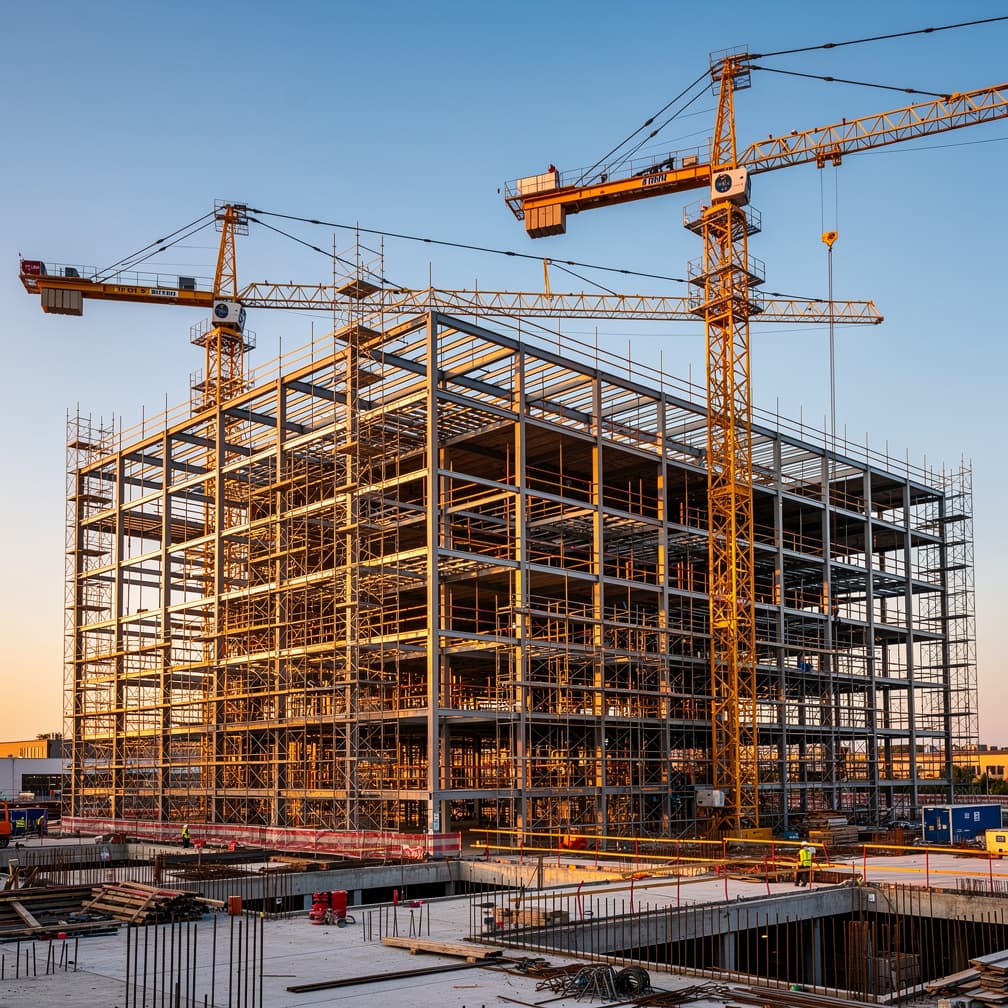
The decision usually shows up right after plans are approved, financing closes, or a renovation contract is signed, which is when money, materials, and responsibility start moving at the same time. Builders risk insurance is easier to place correctly when you review it before demolition, site delivery, or the first draw, not after a lender or owner asks for proof on short notice. Projects here move through very different exposures from one county to the next, and your policy should match the job you are actually building, storing, and installing. A rowhouse renovation in a tight urban block creates different concerns than a detached custom home, a farm outbuilding, or a light commercial fit-out with owner-supplied equipment arriving in stages. You want the quote built around the contract terms, the completed value, the build schedule, and where materials sit before they are installed.
What Builders Risk Insurance Covers
What matters is not the broad national definition of builders risk, but the property and project details that tend to create disputes if they are left vague. On many jobs, the first question is not whether the structure is being built, but which materials are already your responsibility and when that responsibility shifts from supplier to owner or contractor. If cabinets, windows, mechanical units, or finish materials are delivered early because lead times are tight, you should ask whether they are covered only once installed or while staged on site and, if needed, at a temporary storage location tied to the project.
Renovation work deserves extra attention. A partial remodel, historic update, or occupied-building improvement can involve old and new construction in the same footprint. That is where buyers should ask exactly how the policy treats existing structure, newly installed work, and materials waiting for installation. If the project includes owner-furnished items, leased equipment that becomes part of the job, or specialty components ordered months ahead, list them clearly instead of assuming they fit automatically.
Projects here also need practical attention to weather-related job interruptions and site conditions. Heavy snow loads in the northern counties and river flooding along the Susquehanna and Delaware can shut a site down for days, and your policy may help cover direct physical loss to insured property, debris removal, and temporary repairs to protect the work, though it typically will not pay for the delay itself. Ask your agent to walk through how your policy may handle direct physical loss, debris issues, temporary protection, and any conditions that apply when a site is partially enclosed or waiting on inspections. The goal is simple: match the policy language to the way your project is sequenced, stored, and secured.

Structure Coverage
Covers the building or structure under construction.

Materials on Site
Covers building materials stored at the construction site.

Materials in Transit
Covers materials being transported to the job site.
Temporary Structures
Covers scaffolding, fencing, and temporary buildings.

Soft Costs
Covers additional expenses from construction delays due to covered losses.

Equipment Coverage
Covers permanently installed fixtures and equipment.
Builders Risk Insurance Requirements in Pennsylvania
- Renovation projects here often mix existing structure with newly installed work, so ask for a clear explanation of how each category is treated, and document where materials will be stored along with when responsibility transfers after delivery.
- Projects with owner-supplied fixtures, custom millwork, or specialty equipment should schedule those items clearly before they arrive at the job site.
- If the build may pause for inspections, financing, or long-lead components, review policy term and extension options early in planning.
How Much Does Builders Risk Insurance Cost in Pennsylvania?
Builders risk pricing is usually shaped by underwriting detail, not by a standard monthly premium. A carrier wants to understand the completed value, the construction type, the job duration, and whether the work is new construction, an addition, or a renovation with existing structure in play. When your plans, budget, and schedule are still moving, expect the quote to move with them.
Location inside the state can change how an underwriter looks at access, congestion, theft controls, weather exposure, and fire protection. A dense infill project with limited staging space may be reviewed differently from a suburban ground-up build where materials can be stored farther from the street. The same is true if your project sits vacant between phases or depends on long-lead components that must be delivered early.
Contract terms also shape the quote. When the owner, general contractor, and lender all need to be reflected, or when the policy needs special wording around soft costs, delay-related concerns, or temporary storage, the quote can change because the exposure is being described more precisely. To get a usable quote, submit the site address, construction budget, target completion date, scope summary, and any lender or contract insurance requirements together. That gives the underwriter enough to price the actual job instead of adding caution for missing information.
Request a Quote Comparison
Enter your ZIP code to compare builders risk insurance rates from top carriers.
Business insurance starting at $25/mo
Who Needs Builders Risk Insurance?
The right buyer is usually the party that would take the financial hit if a loss damages work in progress or delays the project. That can be the property owner, but it can also be a builder, developer, or another party the contract assigns to arrange coverage. Check the agreement to see who is responsible for insuring the project and which parties need to be recognized on the policy.
This matters on residential and commercial work alike. A homeowner adding square footage, rebuilding after a major loss, or gut-renovating a recently purchased property may need to review builders risk before materials arrive. A developer putting up a small mixed-use building, a landlord renovating a vacant unit, or an investor converting an older structure should do the same, especially if financing depends on proof of coverage before funds are released.
General contractors should pay close attention when the owner expects them to coordinate insurance, site security, and delivery timing. Subcontractors usually do not buy the project policy for the whole job, but they still need to know whether their materials or installed work are expected to be covered elsewhere or under their own policies. That is especially important on jobs where multiple trades overlap in a compressed schedule. If you have money in the project, signed responsibility in the contract, or a lender waiting for evidence of insurance, you should review terms before the first delivery or the first invoice tied to construction is paid.
Builders Risk Insurance by City in Pennsylvania
Builders Risk Insurance rates and coverage options can vary across Pennsylvania. Select your city below for localized information:
How to Buy Builders Risk Insurance
Buying builders risk correctly starts with collecting the documents that define the job, then checking whether they all tell the same story. Begin with the construction contract, because that is where responsibility for insuring the project usually sits, then pull the plans, budget, draw schedule, project timeline, and any lender insurance requirements. If those documents conflict on completed value, start date, or who must be included, fix that before you ask for terms.
From there, describe the project the way an underwriter will review it by stating whether it is ground-up construction, an addition, or a renovation. Identify the site address, the current condition of the property, the target completion date, and whether the building will be occupied during any phase of work. If materials will be stored off site, delivered in stages, or installed long after arrival, say so clearly. If the owner is supplying fixtures or specialty equipment, include that list up front.
Then review named interests and evidence requirements. Owners, lenders, and general contractors often need to appear correctly on project documents, and small wording mistakes can slow a closing or a draw. Buyers should also ask for a plain-language review of any conditions tied to vacancy, security, temporary enclosures, theft-sensitive materials, and project delays. Before binding, compare the quote against the contract one more time. Confirm the policy term matches the build schedule, the value reflects the completed project, and the covered property description fits what will actually be on site. That final check is usually where expensive gaps are found and fixed.
How to Save on Builders Risk Insurance
You control builders risk cost by making the project easier to understand and less likely to produce a preventable claim. Start with a clean statement of values. If the completed value is understated, the quote may look attractive at first but create trouble later. If it is overstated, you may pay for limit you do not need. Use the current budget, update it when change orders hit, and keep owner-furnished items from getting lost in the numbers.
Project organization also matters. Underwriters price uncertainty, so a job with a realistic schedule, a defined scope, and a clear delivery plan is often easier to place than one with shifting dates and vague material lists. If you know certain items will be stored temporarily, note where and for how long. If the site will sit idle between phases, explain the security plan instead of leaving the carrier to assume the worst.
Loss control steps can help the submission. Document fencing, lighting, locked storage, water shutoff procedures, and who checks the site after hours or before severe weather. On renovation work, explain how you separate existing structure from new work and how you protect partially completed areas from water intrusion and theft. You can also save by buying the right term and wording the first time. A policy that matches the actual build schedule and contract requirements is less likely to need mid-project corrections, rush endorsements, or replacement coverage after a lender rejects the evidence.
Our Recommendation for Pennsylvania
Treat builders risk as a project administration issue, not just an insurance purchase. Review it at the same time you finalize the contract, lender package, and construction schedule. That is when you can still correct who is responsible for coverage, which parties need to be recognized, and whether the completed value is being measured the same way across every document.
Ask for a line-by-line discussion of property that tends to create confusion. Owner-furnished materials, temporary storage, items delivered before installation, and renovation work where old and new construction overlap all deserve specific attention. If the project could pause because of permits, inspections, financing, or long-lead materials, bring that up before binding so the policy term and conditions fit the real schedule.
Keep the regulatory side simple and accurate. The Pennsylvania Insurance Department is the state's insurance regulator, so if you are comparing forms, notices, or complaint handling expectations, keep your questions tied to the policy language and the documents you will actually receive. To compare your options with participating licensed providers, request a quote through CPK Insurance.
FAQ
Frequently Asked Questions
The buyer is usually the party the contract makes responsible for insuring the project, often the owner or builder. Check the agreement first, then confirm any lender requirements before materials are delivered or work starts.
Renovation projects often deserve a closer review because existing structure, new work, and staged materials can overlap. Ask how the policy treats each category before demolition, partial occupancy, or phased construction begins.
Lenders often expect proof of project coverage before releasing funds, especially on new construction or major renovation. Review the loan documents early so the policy term, value, and named interests match what the lender will accept.
Projects can involve early delivery of windows, mechanical units, or finish materials, so temporary storage should be reviewed specifically. Do not assume stored property is included the same way as materials already installed at the site.
Look at the completed value, policy term, covered property description, temporary storage treatment, and named interests. Line those up against the contract so you are comparing terms built for the same project, not just the bottom-line price.
Submissions go more smoothly when you have the contract, plans, budget, site address, build schedule, and lender requirements ready together. That gives the underwriter a consistent picture of the job instead of filling gaps with assumptions.
Insurance questions ultimately fall under the Pennsylvania Insurance Department. If you are reviewing forms, notices, or complaint procedures, keep copies of the quote, policy documents, and project contract so your questions stay tied to the actual transaction.
Builders risk insurance may cover, subject to policy terms, the structure under construction, materials on site, materials in transit, temporary structures, and fixtures or equipment being installed. Depending on the policy, you can also review soft costs and delay-related coverage tied to a covered property loss.
Sources
- 1.Pennsylvania Insurance Department(The Pennsylvania Insurance Department is the state's insurance regulator.)
Updated July 16, 2026