Updated July 16, 2026

Key Takeaways
- Compare a standalone commercial property policy against a Businessowners Policy using the same deductible, valuation method, and business income assumptions.
- Review whether your building and contents are insured on actual cash value or replacement cost before you accept a lower premium.
- Update your property schedule, equipment list, and inventory values before requesting quotes so limits match what you own now.
- Read your lease and identify which improvements, fixtures, signs, and attached equipment you are responsible to insure.
- Ask for ordinance or law and equipment breakdown to be reviewed if rebuilding costs or mechanical failure could interrupt operations.
Commercial Property Insurance in Pennsylvania
Pennsylvania business owners face winter storm exposure, high flooding risk, and steady property crime, so commercial property insurance often becomes a practical first line of protection for physical assets. Across the state, the same policy can respond very differently depending on building age, construction type, local fire protection class, and whether the space is owned or leased. A premium index of 106 means coverage in Pennsylvania runs roughly 6 percent above the national average, so shopping carefully pays off. With more than 318,000 businesses operating here, the vast majority of them small operations, even a modest difference in premium or coverage terms can add up across a local market.
A storefront on a busy retail corridor, a light manufacturing site near a rail line, or a professional office in a mixed-use building may all need different limits and endorsements. Because the weather history includes Nor'easters, flash flooding, and severe thunderstorms, owners should look beyond the base form and think carefully about building, contents, and business income protection. Your location, your lease, and the assets you most depend on should drive those decisions.
What Commercial Property Insurance Covers
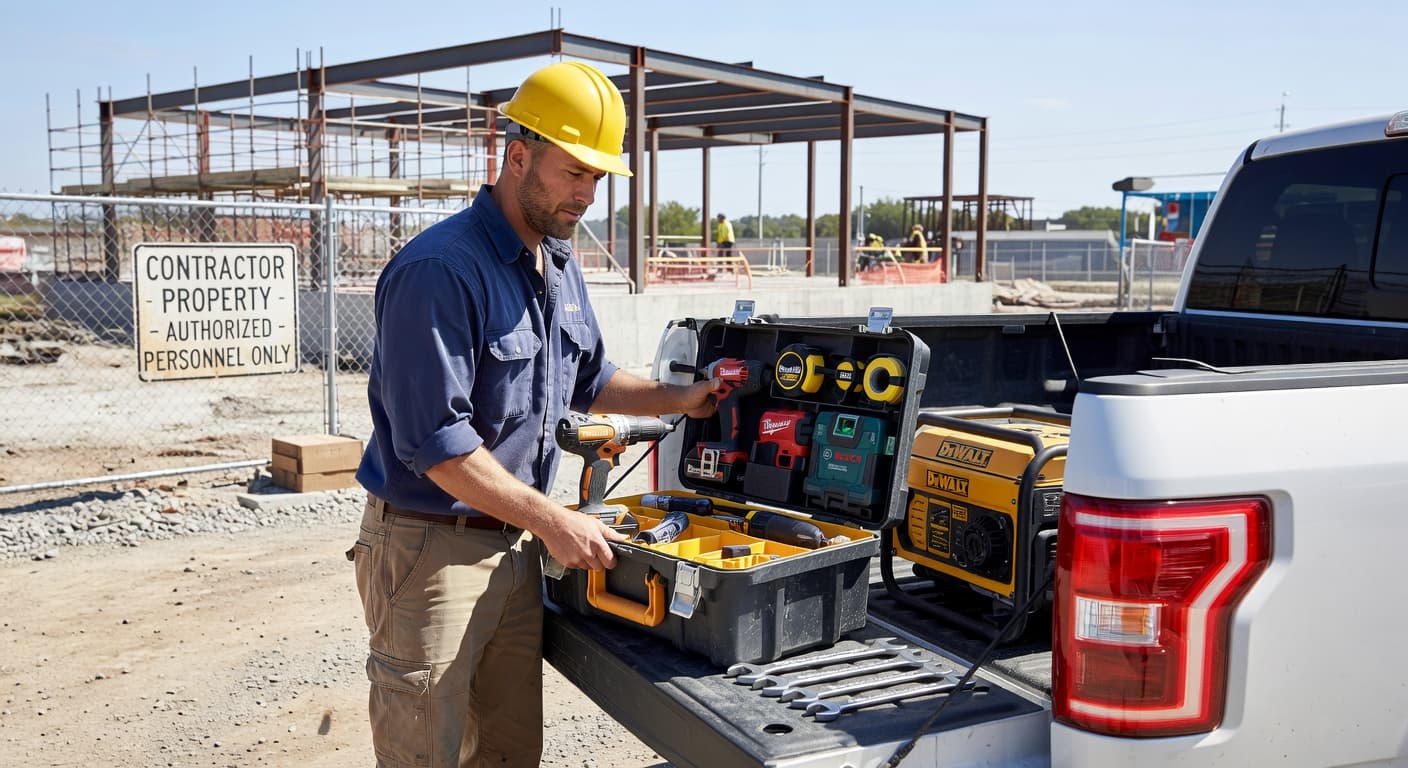
Commercial property insurance is built to protect the physical parts of a business that can be damaged by covered events such as fire, theft, vandalism, and wind or water intrusion. If you own the structure, building coverage can help repair the shell, roof, walls, and permanently installed systems after a covered loss. If you lease, the policy usually focuses more on business personal property, including equipment, furniture, fixtures, inventory, computers, and signage. In a state with high flooding and winter storm exposure, it is important to remember that standard coverage does not automatically include every water-related loss. Flood is excluded under the standard form.
Pennsylvania does not impose a statewide commercial property mandate, but coverage requirements may vary by industry and business size, and the Pennsylvania Insurance Department regulates the market. That means endorsements and limits should be matched to the property, lease terms, and local hazard profile rather than chosen from a one-size-fits-all template. Business income coverage can also be added to help with lost revenue during a covered closure, which is especially relevant for retail, accommodation and food service, and healthcare-related offices that depend on continuous occupancy. Equipment breakdown coverage can be important for specialized machinery or electrical systems. Code-upgrade coverage may matter if local code-driven repairs become part of the rebuild after a loss.

Building Coverage
Can help pay to repair or rebuild your building after covered damage like fire, wind, or vandalism.

Business Personal Property
Can help replace furniture, inventory, equipment, and supplies inside your building when a covered event damages or destroys them.
Business Income
May replace lost revenue and help cover ongoing expenses like payroll and rent while covered damage keeps your business closed.

Equipment Breakdown
Typically covers sudden mechanical or electrical failure of equipment like HVAC systems, boilers, or refrigeration units, which standard property policies often exclude.
Ordinance or Law
Can help cover the added cost of rebuilding to current building codes after a covered loss to an older structure.
Commercial Property Insurance Requirements in Pennsylvania
- Commercial property insurance in Pennsylvania is regulated by the Pennsylvania Insurance Department, and coverage requirements may vary by industry and business size.
- Standard commercial property coverage does not include flood damage; a separate flood policy is needed for that exposure.
- Pennsylvania's high winter storm and flooding risk can make storm damage and business interruption planning more important than in milder states.
- Replacement cost coverage generally costs more than actual cash value, but it can help pay more at claim time.
How Much Does Commercial Property Insurance Cost in Pennsylvania?
Average Cost in Pennsylvania
$65 - $290
per month
Businesses in Pennsylvania typically see commercial property insurance premiums of $65 - $290 per month, which tends to run close to the national range of $65 - $290 per month.
- Building value and construction type
- Roof age and condition
- Fire protection class
- Occupancy and the operations inside the building
- Business personal property and equipment values
- Wind and hail deductible terms
Contact CPK Insurance for a personalized quote.
The pricing picture for commercial property insurance in Pennsylvania is shaped by an above-average premium environment, with an index of 106. For many small businesses, annual costs often land between $750 and $3,500, but the final premium depends on the coverage limits and deductibles you choose, your claims history, your location, your industry or risk profile, and any policy endorsements you add. Pennsylvania's risk profile helps explain the spread. Flooding is rated high, winter storm risk is high, and severe storm risk is moderate.
Those conditions can push pricing higher for properties in exposed counties, older buildings, or locations with a history of water intrusion or repeated claims. Urban property crime can also influence property-related underwriting, especially for theft and vandalism exposure. On the other hand, a building with strong protection features, a well-maintained roof, updated electrical systems, and a favorable loss history may present a more stable risk. Comparing multiple quotes is important because market depth can create meaningful differences in how carriers price your policy. For a precise quote, the insurer will usually want details about construction type, square footage, occupancy, security, and replacement cost values.
| Property Type | What's Covered | Common Exclusions |
|---|---|---|
| Building | Structure, roof, systems, permanent fixtures | Flood, earthquake, normal wear |
| Business Personal Property | Equipment, inventory, furniture, computers | Employee personal property, vehicles |
| Tenant Improvements | Build-outs, custom installations, modifications | Structural changes without landlord approval |
| Business Income | Lost revenue during covered shutdown | Losses from non-covered perils |
| Extra Expense | Additional costs to minimize shutdown | Costs not related to covered loss |
Building
- What's Covered
- Structure, roof, systems, permanent fixtures
- Common Exclusions
- Flood, earthquake, normal wear
Business Personal Property
- What's Covered
- Equipment, inventory, furniture, computers
- Common Exclusions
- Employee personal property, vehicles
Tenant Improvements
- What's Covered
- Build-outs, custom installations, modifications
- Common Exclusions
- Structural changes without landlord approval
Business Income
- What's Covered
- Lost revenue during covered shutdown
- Common Exclusions
- Losses from non-covered perils
Extra Expense
- What's Covered
- Additional costs to minimize shutdown
- Common Exclusions
- Costs not related to covered loss
How Pennsylvania compares with the national baseline
Property crime per 100,000 residents
1,580 vs 2,200 baseline
Property crime in Pennsylvania runs below the national average, at 1,580 vs 2,200 incidents per 100,000 residents.
Blue bar: Pennsylvania. Gray line: national baseline.
Prices shown are general estimates, not guaranteed rates or quotes. Your actual premium will depend on the insurer, coverage selected, business details, location, claims history, and other underwriting factors. Learn about our pricing methodology.
Request a Quote Comparison
Enter your ZIP code to compare commercial property insurance rates from top carriers.
Business insurance starting at $25/mo
Who Needs Commercial Property Insurance?
Commercial property insurance in Pennsylvania is relevant for any owner or tenant whose business depends on physical assets that could be damaged by fire, storm damage, theft, vandalism, or equipment breakdown. Healthcare and social assistance organizations represent the largest employment sector in the state at 19.2 percent of jobs, which means medical practices, clinics, and care facilities often carry significant exposure for specialized equipment and patient records. Retail trade businesses, which make up 10.4 percent of employment, commonly rely on signage, inventory, and display fixtures that can be costly to replace after a loss.
Manufacturing operations, at 8.8 percent of employment, may need broader equipment breakdown coverage because even a short interruption to machinery can be expensive. Accommodation and food service businesses, at 7.6 percent, often need business income coverage because a covered closure can quickly affect revenue. Pennsylvania's small-business economy also makes this coverage practical for leased offices, storefronts, and service businesses. Since 99.6 percent of the state's 318,600 businesses are small businesses, many owners may not have the reserves to absorb a roof collapse, burst pipe damage, or vandalism cleanup without insurance support.
If you operate in Harrisburg, along the I-76 and I-95 corridors, in Erie where winter weather can be severe, or in flood-prone river areas, the local hazard profile can make property protection even more important. Businesses in older commercial districts may also need code-upgrade coverage if repairs trigger building code-related upgrades. Owners and tenants should review lease obligations carefully because a lease may require proof of coverage even when the tenant does not own the building. The right limit structure depends on whether the business owns the premises, relies on specialized equipment, or would face lost income during repairs.
Commercial Property Insurance by City in Pennsylvania
Commercial Property Insurance rates and coverage options can vary across Pennsylvania. Select your city below for localized information:
How to Buy Commercial Property Insurance
To buy commercial property insurance in Pennsylvania, start by gathering property details that carriers use to evaluate risk. You will need your address, construction type, year built, square footage, occupancy, security features, roof condition, replacement cost estimate, and a list of equipment, inventory, furniture, and signage. Pennsylvania businesses should compare quotes from multiple carriers, which is especially useful in a market with top carriers such as Erie Insurance. The Pennsylvania Insurance Department regulates the market, so your policy should be reviewed for clear coverage terms, endorsements, deductibles, and any location-specific exclusions.
If you lease, check the lease for insurance obligations before you request pricing. The landlord may require building coverage to be carried by the owner while the tenant maintains business personal property coverage. If you own the building, ask whether replacement cost or actual cash value better fits your budget and risk tolerance. Replacement cost usually costs more, but it can help pay significantly more at claim time. You should also ask how business income coverage is triggered, what waiting period applies, and whether equipment breakdown coverage is included or available as an endorsement.
Carriers will usually want to know your claims history and any loss-prevention features before issuing a final proposal. In Pennsylvania, where winter storm and flooding exposure can vary sharply by county, it helps to document roof maintenance, drainage, backflow protection, security systems, and fire protection measures. A detailed submission often produces a more accurate quote and can reduce the chance of coverage gaps after binding. Request a quote through CPK Insurance to compare your options with participating licensed providers.
How to Save on Commercial Property Insurance
The most reliable way to manage commercial property insurance cost in Pennsylvania is to match coverage to actual exposure instead of overinsuring or leaving gaps. Start with accurate replacement cost values, because underinsuring can create problems under coinsurance rules, while overstating values can raise premiums unnecessarily. If your building is newer or well-maintained, document the roof age, electrical updates, sprinkler systems, alarms, and monitored security features so the carrier can price the risk more precisely. Shopping multiple carriers is one of the most practical savings strategies, especially since the state's premium index sits above the national average.
Deductible selection matters too. A higher deductible can lower the premium, but only choose a level your business can comfortably absorb after a storm damage or theft claim. If you own a property in a lower-risk part of the state, consider whether the base limit and endorsements truly fit your operations rather than adding every option automatically. Equipment breakdown coverage may be essential for a manufacturer but less important for a simple office with limited machinery. Likewise, code-upgrade coverage is more valuable in older buildings or areas where code-driven repairs are more likely to affect rebuild costs.
Bundling may also help in some cases, especially if you are comparing a property-only policy with a broader package. Even when you do not buy a bundle, ask each carrier to separate pricing for building, contents, and business income protection so you can see where the premium is concentrated. Finally, keep claims frequency low by maintaining the roof, clearing drainage, and documenting repairs, because claims history is one of the core pricing factors in the state.
Our Recommendation for Pennsylvania
For Pennsylvania buyers, the smartest first step is to price the building and contents separately so you can see whether the premium is being driven by structure, inventory, or endorsements. In a state with high flooding and winter storm exposure, avoid assuming the base form is enough for every weather-related loss. If your business is in a river-adjacent area, an older commercial block, or a property with a history of water intrusion, ask how the policy treats wind and water losses, debris cleanup, and downtime. Owners should also confirm whether business income coverage is included or needs to be added, because a covered closure can create cash-flow pressure even when the physical repairs are straightforward.
Leased spaces should focus on contents, tenant improvements, and lease-driven insurance requirements, while owners should pay close attention to replacement cost values and code-upgrade coverage. Compare at least several quotes from Pennsylvania carriers, and use the quote process to test how each insurer handles your county's risk profile, not just the monthly price.
FAQ
Frequently Asked Questions
In Pennsylvania, it may help cover your building if you own it, plus equipment, furniture, fixtures, inventory, computers, and signage after covered losses such as fire, windstorm, hail, theft, vandalism, and water damage from covered causes.
Monthly pricing in Pennsylvania varies by property, location, deductible, and endorsements, though many small businesses see annual costs between $750 and $3,500, so a typical month might run from roughly $63 to $292 before taxes and fees.
Yes, many tenants still need business personal property coverage, tenant improvements coverage, and possibly business income coverage, while the landlord usually handles the building itself under the lease terms.
Flooding, winter storm exposure, severe storm history, local crime conditions, building age, and claims history can all influence pricing in Pennsylvania, especially for properties in exposed counties or older commercial districts.
No. Standard commercial property policies exclude flood damage, so you would need a separate commercial flood policy through NFIP or a private flood insurer.
Ask about building coverage, business personal property coverage, business income coverage, equipment breakdown coverage, and code-upgrade coverage so the policy matches your property and lease obligations.
Compare deductibles, replacement cost versus actual cash value, coverage limits, business income waiting periods, and any endorsements that affect storm damage, equipment breakdown, or code-driven repairs.
Commercial property insurance in the U.S. generally addresses buildings, contents, and related property exposures described in the policy. III says a BOP covers any buildings the business owns and much of the property needed to run the business, so your declarations and endorsements matter.
Sources
- 1.iii.org
Updated July 16, 2026