Updated July 5, 2026

On-Hook Towing Insurance in Pittsburgh
A tighter local market changes how you shop this coverage. Fewer agents regularly place towing risks, and the underwriters that will look at them usually want a clean explanation of your dispatch mix, storage setup, and where your trucks actually run before they release terms. If you are comparing on-hook towing insurance in Pittsburgh, that means your submission has to read like your real operation, not a generic towing application. A carrier will want to know whether you mainly handle private property calls, dealer moves, roadside recoveries, or rotation work, because each one changes how often customer vehicles are loaded, moved, and disputed.
That local pressure shows up in buying expectations too. In a market tied to hospitals, offices, and retail corridors, account managers, property owners, and fleet customers often expect current certificates and clear limits before they hand over work. You are not just buying a policy here, you are showing that your paperwork can keep up with the calls you want. Bring loss runs, driver lists, truck details, and a short description of your highest-risk jobs to the quote request so the terms you review match the vehicles you actually tow.
On-Hook Towing Insurance Risk Factors in Pittsburgh
Pittsburgh's top risk factors include Severe weather, Property crime, Flooding, and Vehicle accidents.
Pennsylvania has a moderate climate risk rating. Top hazards: Flooding (High), Winter Storm (High), Severe Storm (Moderate), Tornado (Low). The state's expected annual loss from natural hazards is $1.6B, which influences on-hook towing insurance premiums and may affect coverage availability in high-risk areas.
What On-Hook Towing Insurance Covers
The state-specific issue is how your operation creates different damage scenarios and how clearly those scenarios are described to underwriting before a loss happens. A truck handling routine roadside tows on local streets presents one profile. A unit that also responds to crash scenes, steep driveways, parking structures, flood-affected areas, or winter recoveries presents another. Your review should spell out those differences in plain operating terms.
Ask the agent to walk through the exact points where disputes usually start: hookup, winching, bed loading, wheel-lift positioning, transport over rough pavement, unloading, and transfer to a body shop, storage lot, dealer, or customer location. If your drivers use photos, condition checklists, dispatch timestamps, and signed releases, say so. Those details matter because they help show how your business handles customer vehicles before, during, and after the tow.
Route and job type also matter. Harsh weather can change stopping distance, traction, and loading conditions, so your policy review should reflect whether you continue service during those periods and what safeguards drivers follow. If you tow higher-value pickups, commercial vans, all-wheel-drive vehicles, or low-clearance cars, request wording and limits that fit those exposures instead of assuming a prior policy still matches your current book of work.
You should also review how on-hook coverage interacts with the rest of your towing program. If a claim could involve a customer allegation, a police-directed tow, or a handoff to storage, ask where one policy ends and another begins so there is less confusion after a loss.
Coverage Included
Collision on Hook
Covers damage to towed vehicles from collisions during transport.
Comprehensive on Hook
Covers theft, fire, and weather damage to vehicles being towed.
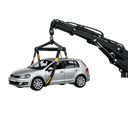
Loading & Unloading
Covers damage during the process of loading and unloading vehicles.
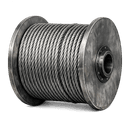
Winching Coverage
Covers damage to vehicles during winching and recovery operations.
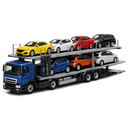
Multiple Vehicle
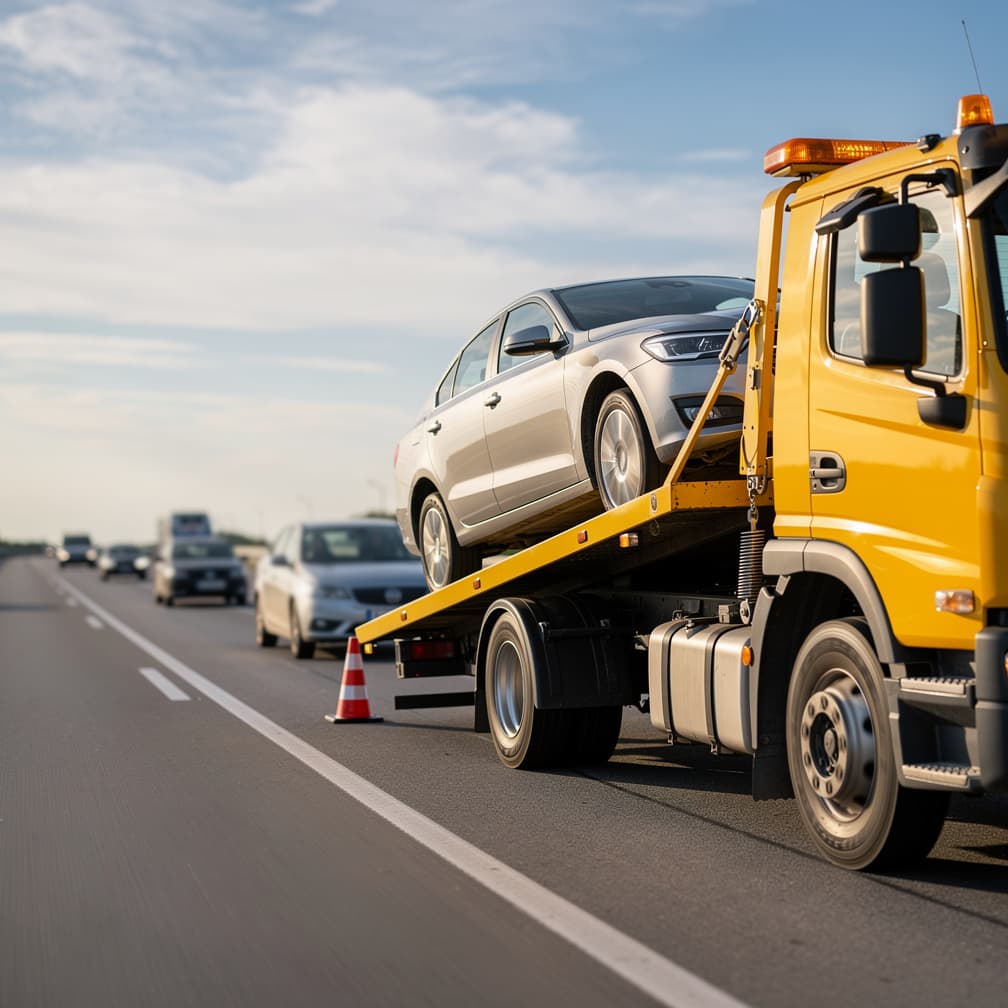
Covers all vehicles on multi-car carriers and rollback flatbeds.
Industries & Insurance Needs in Pittsburgh
Allegheny County has 33,827 business establishments, so a local towing operator often serves a dense mix of commercial accounts that care about documentation, turnaround time, and how a damaged vehicle claim would be handled. That matters for on-hook buying because more business customers usually means more situations where a customer vehicle is being moved on someone else's schedule, under someone else's contract terms, with less room for informal problem solving after a loss.
The county mix sharpens that further. Health care and social assistance account for 14.2% of establishments, professional, scientific, and technical services 12.1%, and retail trade 11.8%, so your book may include parking enforcement, garage to garage moves, disabled vehicles near medical campuses, office districts, and shopping areas. Those are not all the same exposure. Ask for a quote review that separates your routine roadside work from higher-friction commercial or property-managed tows, and make sure your application explains who authorizes the tow, where vehicles are stored, and how condition is documented before transport.
What Makes Pittsburgh Different
Documentation is the difference here. In a market with a large concentration of commercial properties, medical facilities, offices, and retail locations, the towing dispute is often less about whether a vehicle was moved and more about what condition it was in before hookup, who authorized the tow, and how quickly you can produce proof. That changes the buying calculus because on-hook coverage is easier to compare when your operating story is organized around chain of custody, not just truck count.
Pittsburgh households also sit at a median income of $64,137, which can raise the stakes when a customer depends on one vehicle and pushes hard on a damage allegation or delay after a tow. So the practical question is not only how much limit you carry, but how you support the claim file. Review whether your quote assumptions match your photo process, dispatch records, signed authorizations, storage procedures, and release documentation. If those controls are stronger than your current application shows, ask to have them reflected before you bind.
Our Recommendation for Pittsburgh
Start your quote process by sorting your calls into a few real categories: routine roadside tows, private property removals, dealer or shop moves, recovery work, and any police or municipal assignments. That gives an underwriter a clearer picture of when customer vehicles are most exposed to loading damage, low-clearance contact, or disputes over pre-existing condition. A vague description usually leads to broader assumptions than you want.
Next, tighten the paperwork that supports each tow. Keep timestamped photos, dispatch notes, authorization records, and storage logs in one place, and be ready to show how drivers document vehicle condition before hookup and at drop-off. If your operation serves commercial accounts, ask whether your limits and deductibles still fit the vehicles you are most likely to handle, not the ones you handled a year ago. If you are comparing forms, focus on claim handling mechanics, exclusions tied to certain tow types, and whether the policy language lines up with your actual service area and after-hours work before you request a free quote.
Get On-Hook Towing Insurance in Pittsburgh
Enter your ZIP code to compare on-hook towing insurance rates from carriers in Pittsburgh, PA.
Business insurance starting at $25/mo
FAQ
Frequently Asked Questions
Pittsburgh operators should include truck details, driver information, loss runs, storage location details, and a clear breakdown of tow types. Here, underwriters often make decisions based on how specifically your submission explains private property, roadside, commercial, and recovery work.
Allegheny County has 33,827 business establishments, so many towing accounts involve commercial properties, vendors, and managed locations that expect current certificates and clear claim documentation. That makes it worth reviewing how your policy and paperwork support contract-driven towing work.
Pittsburgh area towing work often touches the county's largest establishment groups, health care and social assistance at 14.2%, professional services at 12.1%, and retail trade at 11.8%. That mix can increase authorization, access, and documentation issues, so classify those jobs clearly when you shop.
Pittsburgh has a median household income of $64,137, so many households rely heavily on a single vehicle and may press hard when a tow leads to a damage question or delay. That makes photo documentation and signed authorizations especially important.
Yes. A new truck may handle different calls, towing methods, or vehicle types than the rest of your fleet. For example, if you add a heavy-duty wrecker to a fleet of light-duty flatbeds, the new unit exposes you to claims your current policy may not address. Update the application before binding so the quote reflects current operations.
Winter conditions can change traction, braking distance, visibility, and loading conditions, so cold-weather operations should be described clearly during underwriting. If your drivers follow special securement or documentation steps in snow or ice, include those procedures in the quote review.
Pennsylvania police tow and impound work can change the underwriting picture because job timing, scene conditions, and dispute potential often differ from routine roadside calls. Tell the agent how often you take those assignments and how vehicles are documented at pickup.
The Pennsylvania Insurance Department regulates insurance complaints in the state. If you have a dispute with a carrier over a claim denial, policy issuance, or handling issue, you can file a complaint and the department can review whether the carrier followed state rules and policy language. Keep copies of applications, endorsements, and claim communications to support your case.
Sources
- 1.U.S. Census Bureau, County Business Patterns, Allegheny County(Allegheny County has 33,827 business establishments.; Health care and social assistance account for 14.2% of establishments, professional, scientific, and technical services 12.1%, and retail trade 11.8% in Allegheny County.)
- 2.U.S. Census Bureau, ACS 5-Year Estimates, table B19013(Pittsburgh median household income is $64,137.)
Updated July 5, 2026