







































Updated July 5, 2026

Car Insurance in Reading
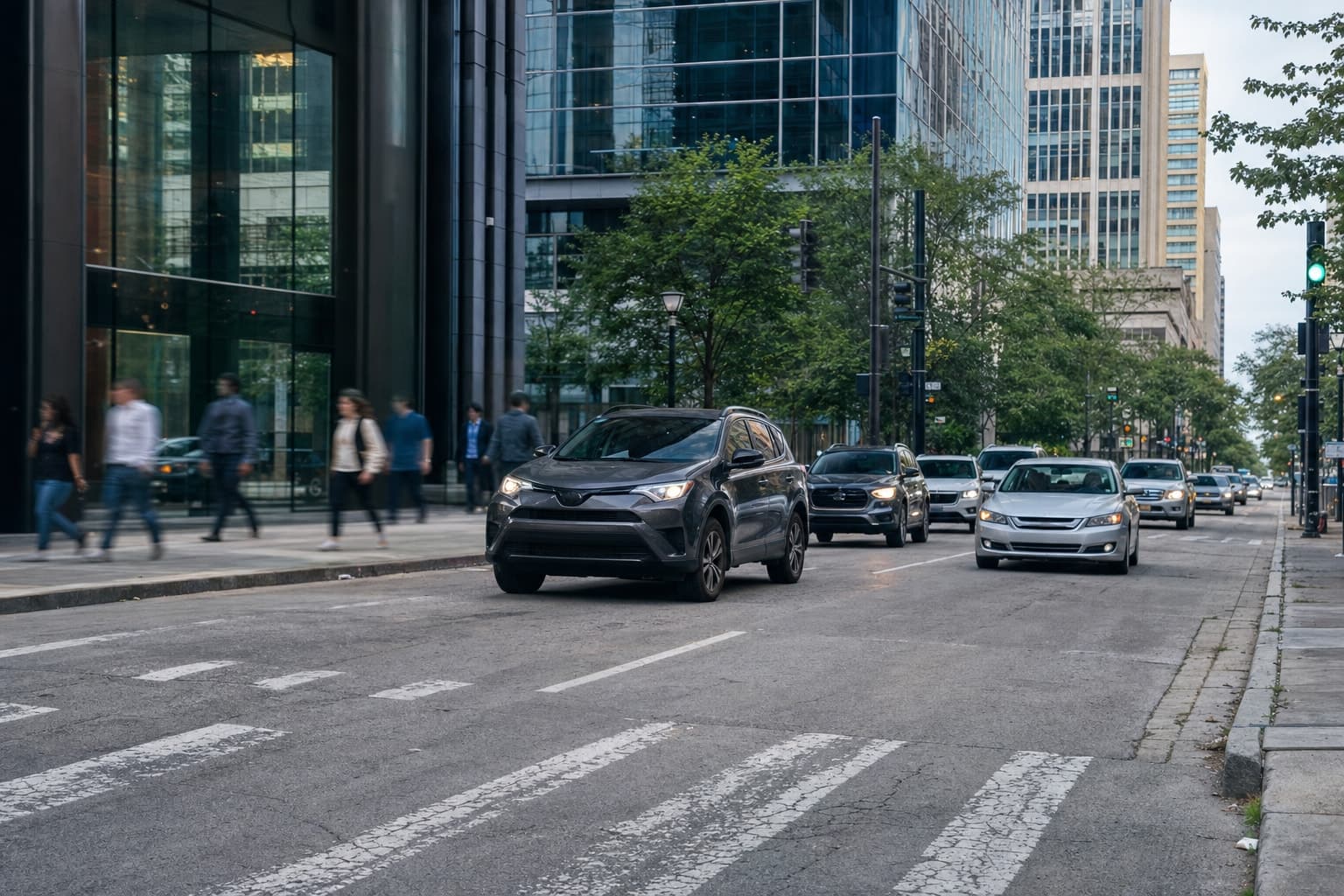
Reading lenders, apartment communities, and employer parking programs often want current proof of insurance before they finalize a loan, hand over keys, or issue a parking permit. Locally, satisfying that request usually means an ID card that matches the vehicle, driver, garaging address, and lienholder information without delays that can hold up delivery or registration tasks. If you are shopping for car insurance in Reading, that practical paperwork matters almost as much as the premium. A policy that looks fine on a quote screen can still create friction if the listed drivers, vehicle use, or address details are incomplete. Reading households also feel price sensitivity differently than some higher income markets. Deductible choices, rental reimbursement, and whether you carry collision on an older paid-off vehicle deserve a closer review before you bind coverage. The goal here is not buying the broadest option by default. It is matching coverage to how you park, finance, commute, and replace a car if it is out of service, then requesting proof quickly so the transaction in front of you can move.
Pennsylvania has a moderate climate risk rating. Top hazards: Flooding (High), Winter Storm (High), Severe Storm (Moderate), Tornado (Low). The state's expected annual loss from natural hazards is $1.6B, which influences car insurance premiums and may affect coverage availability in high-risk areas.
What Car Insurance Covers
Pennsylvania auto policies are built around several main coverages. Liability responds when you cause injuries or damage to others, while collision helps pay for your vehicle after an auto accident. Comprehensive applies to non-collision losses such as theft, weather, or other covered events. In Pennsylvania, those choices matter because winter storms and flooding are recurring issues across the state, and severe storm losses have been a recurring issue across the state. Uninsured motorist coverage is especially relevant here because a notable portion of drivers on the road lacks coverage. Medical payments coverage can help with medical expenses after a covered crash, and rental reimbursement can help cover the cost of a rental car if your vehicle is in the shop. If you drive in places with heavier winter exposure, flood-prone roads, or higher traffic congestion, those local conditions can make collision and comprehensive decisions more important than they would be on a national summary page.
Coverage Included

Liability
Can help pay for injuries and property damage you cause to others in an accident, coverage most states require drivers to carry.
Collision
Can help pay to repair or replace your car after a crash with another vehicle or object, regardless of fault.

Comprehensive
Typically covers damage to your car from events other than collisions, such as theft, hail, fire, flooding, or hitting an animal.
Uninsured Motorist
May pay for your injuries and, in some states, car damage when an at-fault driver has no insurance or too little.

Medical Payments
Can help cover medical bills for you and your passengers after an accident, no matter who was at fault.
Rental Reimbursement
May pay for a rental car while your vehicle is in the shop for repairs after a covered claim.
Car Insurance Cost in Reading
Average Cost in Pennsylvania
$95 - $240
per month
In Pennsylvania, car insurance premiums typically run $95 - $240 per month, which tends to run 1% below the national range of $110 - $230 per month.
- Driving record and age
- Vehicle make, model, and year
- Location and commute distance
- Credit-based insurance score
- Coverage limits and deductibles
Contact CPK Insurance for a personalized quote.
Prices shown are general estimates, not guaranteed rates or quotes. Your actual premium will depend on the insurer, coverage selected, personal details, location, claims history, and other underwriting factors. Learn about our pricing methodology.
Your final price depends on coverage limits, deductibles, claims history, location, endorsements, and the vehicle you insure, and rates can vary widely by ZIP code, commute pattern, and coverage choices. Lane departure, speeding, weather conditions, distracted driving, and failure to yield are among the top causes of local crashes, and insurers factor those patterns into how they price risk, especially in urban and suburban corridors with heavier traffic. The market includes a large number of active carriers, so there is meaningful competition. If you raise your deductible, your premium may move downward, while lower deductibles and broader coverage often increase the monthly cost. A thin policy that saves you a few dollars a month could leave you paying thousands out of pocket after a serious Pennsylvania crash.
Industries & Insurance Needs in Reading
Berks County has 8,510 business establishments, and the leading sectors by establishment share are other services at 13.1%, retail trade at 12.9%, and health care and social assistance at 11.3%. So a lot of local driving is tied to shift work, customer appointments, errands between stores, and short daily trips rather than one simple highway commute. That matters because insurers often rate differently based on annual mileage, garaging, primary use, and who regularly drives the vehicle. If your car is used to open a salon, reach a clinic, cover retail shifts, or move between multiple part-time jobs, make sure the quote reflects that pattern accurately. A mismatch between stated use and actual use can create problems later when a claim is reviewed. It is also worth checking whether every household driver is listed, especially in homes where schedules overlap and one vehicle serves several work routines.
What Affects Car Insurance Rates in Reading
Reading buyers often need a sharper budget conversation before they choose limits and optional coverages. The city's median household income is $45,599, so even a short repair delay, towing bill, or rental expense can hit harder if your policy leaves too much out of pocket. That does not mean you should strip coverage down to the minimum. It means you should test the tradeoffs line by line: a higher deductible versus what you could actually absorb this month, collision on a vehicle with modest value, and comprehensive if you rely on the car daily and cannot easily replace it after a non-collision loss. Ask for the quote with and without rental reimbursement, roadside assistance, and glass coverage if those options are available. Then compare the savings against the disruption each gap would create for your household. Here, affordability is not just the monthly bill. It is whether the policy still works when you need to use it.
What Makes Reading Different
Budget pressure is the main thing that changes the buying calculus here. In a market where many households have to watch every monthly bill, the wrong car insurance decision is often not choosing too little or too much in the abstract. It is choosing a deductible, optional coverage, or vehicle valuation approach that does not fit your real cash flow. That is why a Reading quote should be reviewed around replacement and downtime, not just liability limits on paper. If your car is financed, proof has to satisfy the lender cleanly. If it is paid off, the better question is whether dropping collision or comprehensive would leave you unable to repair or replace it after a loss. If several drivers share one vehicle, accuracy matters as much as price. The practical difference here is that coverage design has to survive ordinary household strain. Review what you could pay today after a claim, what transportation backup you actually have, and which options prevent a small loss from turning into a larger financial problem.
Our Recommendation for Reading
Start with the operational details that most often slow down a purchase: confirm the garaging address, lienholder name, regular drivers, and whether the car is used mainly for commuting, errands, or mixed work schedules. Then ask for side by side quotes that change only one variable at a time, such as deductible, collision, comprehensive, or rental reimbursement, so you can see what each choice really costs. If your vehicle is older and paid off, ask where the break point is between carrying physical damage coverage and self-insuring that risk. If you rely on one car for work, school runs, and appointments, pay close attention to downtime coverage rather than focusing only on the lowest monthly bill. If a paperwork issue comes up, the Pennsylvania Insurance Department is the regulator to know, but most buying problems are solved earlier by making sure the application is complete and consistent. Before you bind, request proof of insurance in the exact form your lender, landlord, or employer needs.
Get Car Insurance in Reading
Enter your ZIP code to compare car insurance rates from carriers in Reading, PA.
Car insurance starting at $59/mo
FAQ
Frequently Asked Questions
Reading lenders usually want an active insurance card or binder that shows the correct vehicle, named insured, garaging address, and lienholder. If any of those details are off, financing and vehicle pickup can be delayed while the policy is corrected.
Reading buyers should compare the car's value, the deductible, and how easily they could replace the vehicle out of pocket. If losing the car would disrupt work or school, keeping collision may still make practical sense.
Berks County has 8,510 business establishments, with other services, retail trade, and health care among the largest sectors, so many drivers have shift work or multi-stop routines. Tell the insurer how the car is actually used and who drives it regularly.
Reading households often need a deductible they can realistically pay without delaying repairs or transportation after a claim. Review the amount against your current cash flow, not just the lower monthly premium it may produce.
Reading property managers and employers may ask for proof before issuing parking access or finalizing paperwork tied to a vehicle. Keep your ID card current and make sure the address and vehicle information match what they have on file.
Liability addresses injuries and damage you cause to others, collision helps with repairs after an auto accident, comprehensive may help cover non-collision losses, and medical payments can help with medical expenses after a covered crash. The right mix for you depends on how you drive in Pennsylvania, what your vehicle is worth, and how much weather exposure you face.
Pennsylvania auto policies are regulated by the Pennsylvania Insurance Department, and coverage details can vary by carrier and policy form. Personal auto minimums in the state are $15,000/$30,000/$5,000, so drivers should compare their own limits carefully with a carrier.
Your final price depends on coverage limits, deductibles, claims history, location, endorsements, and the vehicle you insure, so a personalized quote is the only way to see your exact rate.
Sources
- 1.U.S. Census Bureau, ACS 5-Year Estimates, table B19013(The city's median household income is $45,599, so even a short repair delay, towing bill, or rental expense can hit harder if your policy leaves too much out of pocket.)
- 2.U.S. Census Bureau, County Business Patterns, Berks County(Berks County has 8,510 business establishments, and the leading sectors by establishment share are other services at 13.1%, retail trade at 12.9%, and health care and social assistance at 11.3%.)
- 3.Pennsylvania Insurance Department(If a paperwork issue comes up, the Pennsylvania Insurance Department is the regulator to know, but most buying problems are solved earlier by making sure the application is complete and consistent.)
Updated July 5, 2026





