Updated July 5, 2026

Commercial Auto Insurance in Reading
Operating costs shape insurance choices here before you even look at a vehicle schedule. With Reading median household income at $45,599, many owners watch monthly cash flow closely, so a commercial auto insurance in Reading quote should balance workable deductibles against liability limits you can still live with after a loss. If one van is down after a crash, the real problem is often the interruption to deliveries, service calls, or staff travel, not just the repair bill. That is why it helps to review how many vehicles you can afford to park, how quickly you would need a rental or substitute unit, and whether your current deductible would force you to delay getting back on the road. Local driving patterns also matter. A contractor moving between rowhome blocks, a retailer making short delivery runs, and a home health team stopping at multiple addresses in one shift do not present the same exposure. Bring your garaging address, driver list, vehicle use, and any hired or non-owned auto needs to the quote request so limits and deductibles are built around actual operations.
Commercial Auto Insurance Risk Factors in Reading
Reading's top risk factors include Severe weather, Property crime, Flooding, and Vehicle accidents. Flooding can cause significant vehicle damage, make sure comprehensive coverage is included.
Pennsylvania has a moderate climate risk rating. Top hazards: Flooding (High), Winter Storm (High), Severe Storm (Moderate), Tornado (Low). The state's expected annual loss from natural hazards is $1.6B, which influences commercial auto insurance premiums and may affect coverage availability in high-risk areas.
What Commercial Auto Insurance Covers
A business-use vehicle policy has to fit the state's minimum liability rules plus any endorsements your operation needs. At a minimum, Pennsylvania requires state minimum liability for commercial vehicles, and state-specific guidance notes that uninsured/underinsured motorist coverage may be required, so you should verify how that applies to your vehicle setup before binding coverage. The core protections typically include liability for bodily injury and property damage, collision for damage to your own vehicle after a covered crash, comprehensive for theft or weather-related damage, medical payments, and uninsured motorist protection. If your business rents vehicles or employees use personal cars for work, hired auto and non-owned auto coverage may help close those gaps when added correctly. That matters in Pennsylvania because your policy should align with how each vehicle is titled, registered, and used. If you haul equipment or operate in winter-prone or flood-prone areas, the collision and comprehensive choices become more important than a minimum-only policy.
Coverage Included

Bodily Injury Liability
Covers injuries you cause to others in an accident

Property Damage Liability
Covers damage you cause to others' property
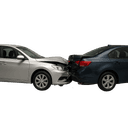
Collision Coverage
Pays for damage to your vehicle in an accident

Comprehensive Coverage
Covers theft, vandalism, weather, and animal damage

Medical Payments
Covers medical costs for your drivers and passengers

Uninsured Motorist
Protection when the other driver lacks insurance
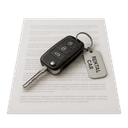
Hired & Non-Owned Auto
Covers rented or employee-owned vehicles used for work
Commercial Auto Insurance Cost in Reading
Average Cost in Pennsylvania
$140 - $430
per month
Businesses in Pennsylvania typically see commercial auto insurance premiums of $140 - $430 per month, which tends to run 4% above the national range of $140 - $410 per month.
- Fleet size and vehicle types
- Driver records and experience
- Coverage limits and deductibles
- Business industry and use
- Annual mileage and operating radius
- Claims history
Rates based on small business averages. Your actual premium may vary.
Prices shown are general estimates, not guaranteed rates or quotes. Your actual premium will depend on the insurer, coverage selected, business details, location, claims history, and other underwriting factors. Learn about our pricing methodology.
Commercial auto insurance cost in Pennsylvania is shaped by a mix of local risk and market conditions, not a one-size-fits-all rate. Based on internal CPK Insurance marketplace data drawn from a sample of small-business quotes, the broader small-business benchmark is about $140 to $410 per vehicle per month, or roughly $1,200 to $2,400 annually per vehicle. According to industry data, Pennsylvania premiums generally run about 5 to 10 percent above the national average. For a buyer, that means a policy that costs $200 a month elsewhere might run $210 to $220 here. Winter storms and flooding also matter, because the state's climate profile rates both as high hazards. Your premium may move up or down based on your fleet size and vehicle types, along with driver records and experience. Coverage limits and deductibles play a role, as do your business industry and use, annual mileage and operating radius, and claims history. A small local service vehicle in Harrisburg may price differently than a truck that runs longer routes through weather-exposed parts of the state. Pennsylvania also has many active insurance companies, so quote variation can be meaningful even for similar vehicles.
Industries & Insurance Needs in Reading
Berks County business mix changes how many fleets here are used, and that affects what you should ask for on a quote. County Business Patterns reports 8,510 business establishments in Berks County, so many local accounts are small operators with one or a few vehicles rather than large formal fleets. That usually means each unit carries more operational weight, so downtime, rental reimbursement, and clear permissive-use rules deserve a closer look. The same county data shows leading sectors by establishment share are other services except public administration at 13.1%, retail trade at 12.9%, and health care and social assistance at 11.3%. So a lot of vehicles are used for short-route service work, customer pickups or deliveries, and repeated stop-and-go visits. If that sounds like your operation, ask the agent to rate the vehicles for actual use, radius, and driver patterns instead of defaulting to a generic business-use description.
What Makes Reading Different
Small fleet dependency is the main thing that changes the buying calculus here. In a market where many businesses operate with only one or a handful of work vehicles, a single accident can interrupt revenue immediately because there may be no spare unit or backup driver waiting. That makes commercial auto decisions less about chasing the lowest monthly number and more about protecting continuity. If your pickup, cargo van, or service car is tied to estimates, deliveries, home visits, or tools on board, review whether your policy setup matches that role. A lean operation often benefits from checking hired and non-owned auto exposure, rental reimbursement options, and physical damage deductibles that will not stall repairs. It is also worth confirming who is actually driving, including owners, family members involved in the business, and newer employees. The right question is simple: if one vehicle is out of service tomorrow, what part of your operation stops, and what insurance terms would help you recover faster?
Our Recommendation for Reading
Start with the vehicle schedule and be precise about use. If a van carries tools to job sites, if staff use personal cars for errands, or if a retail business makes occasional deliveries, say that plainly so the quote reflects real exposure instead of a broad guess. Next, test your deductible against cash reserves. A lower premium can look attractive until a claim forces you to absorb more out of pocket than the business can comfortably handle. Then review liability limits in the context of contracts and customer expectations, especially if you park at client locations or send drivers to multiple stops each day. For smaller operations, ask specifically about rental reimbursement, hired and non-owned auto, and whether any employee drivers need to be scheduled or reviewed more closely. Before you buy, compare quotes using the same vehicle list, driver information, garaging details, and coverage assumptions. That is the cleanest way to see which option actually fits your operation.
Get Commercial Auto Insurance in Reading
Enter your ZIP code to compare commercial auto insurance rates from carriers in Reading, PA.
Business insurance starting at $25/mo
FAQ
Frequently Asked Questions
Reading businesses with one work vehicle should review downtime exposure first. If that unit handles deliveries, service calls, or client visits, compare deductibles, rental reimbursement, and liability limits together so one claim does not interrupt operations longer than necessary.
Reading service companies often make repeated short trips with frequent stops, which can change how vehicle use should be described. Be specific about radius, drivers, garaging, and whether tools or equipment travel in the vehicle during the workday.
Berks County has 8,510 business establishments, with other services at 13.1%, retail trade at 12.9%, and health care and social assistance at 11.3%, so many vehicles support service calls, deliveries, and multi-stop schedules that should be rated accurately.
Reading owners should choose a deductible they can actually absorb without delaying repairs or replacing a vehicle temporarily. With median household income at $45,599, cash flow discipline matters, so the lowest premium is not always the most workable option after a loss.
In Pennsylvania, a commercial auto policy can include liability, collision, comprehensive, medical payments, and uninsured motorist protection, and it can also extend to hired and non-owned vehicles if those endorsements are added.
Pennsylvania requires minimum liability for commercial vehicles, and your policy should align with state DMV registration rules.
The typical range for the state is about $140 to $410 per month per vehicle, while the small-business annual benchmark is about $1,200 to $2,400 per vehicle, depending on your drivers, mileage, limits, and vehicle types.
Any business that uses a car, van, truck, or fleet for work in Pennsylvania may need coverage, especially if employees drive to client sites, make deliveries, or use personal vehicles for company errands.
Sources
- 1.U.S. Census Bureau, ACS 5-Year Estimates, table B19013(Reading median household income is $45,599, so many owners watch monthly cash flow closely when choosing deductibles and limits.)
- 2.U.S. Census Bureau, County Business Patterns, Berks County(Berks County has 8,510 business establishments, so many local accounts are small operators with one or a few vehicles rather than large formal fleets.; Leading sectors in Berks County by establishment share are other services except public administration at 13.1%, retail trade at 12.9%, and health care and social assistance at 11.3%, so many vehicles are used for service calls, deliveries, and repeated stops.)
Updated July 5, 2026