







































Updated July 5, 2026

Commercial Truck Insurance in Reading
Property managers at apartment complexes, warehouse landlords, lenders financing equipment, and general contractors hiring dump or box trucks often ask for current certificates before they release a gate code, fund a truck, or let you start work. For commercial truck insurance in Reading, satisfying them usually means more than showing a basic ID card. You need named insured details that match the contract, liability limits that fit the job, and certificates ready to send fast when a route, trailer, or subcontracted load changes.
That local paperwork pressure is practical here. Berks County has 8,510 business establishments, so trucks regularly interact with loading docks, retail deliveries, service calls, and job sites that want proof of coverage before access is granted. If your operation serves property maintenance accounts, store deliveries, medical-related vendors, or contractor supply runs, ask for certificate turnaround, hired and non-owned auto review if dispatch changes day to day, and clear vehicle schedules before you bind. That helps you avoid the expensive problem of winning the work but stalling at the curb because your documents do not match what the customer requested.
Commercial Truck Insurance Risk Factors in Reading
Reading's top risk factors include Severe weather, Property crime, Flooding, and Vehicle accidents.
Pennsylvania has a moderate climate risk rating. Top hazards: Flooding (High), Winter Storm (High), Severe Storm (Moderate), Tornado (Low). The state's expected annual loss from natural hazards is $1.6B, which influences commercial truck insurance premiums and may affect coverage availability in high-risk areas.
What Commercial Truck Insurance Covers
In Pennsylvania, commercial truck insurance is built around the way your truck operates, not just the vehicle itself. Motor carrier liability is the core protection for trucking businesses, and it is the part most likely to be checked first when you are working with shippers, brokers, or compliance reviewers. The product can also include physical damage coverage for trucks, cargo insurance, trailer interchange, bobtail coverage, and non-trucking liability insurance, depending on whether you haul under dispatch, move empty, or handle trailers that are not owned by you. Pennsylvania businesses should also remember that coverage requirements may vary by industry and business size, so a box truck operator in local delivery may need a different structure than a long-haul fleet moving across state lines.
The state's commercial auto minimums are $15,000 for injury to one person, $30,000 per accident, and $5,000 for property damage, but trucking operations often need more than a basic auto form because federal freight rules can require higher liability limits, and many shippers and brokers ask for stronger proof than the minimum. Pennsylvania is regulated by the Pennsylvania Insurance Department, so policy wording, endorsements, and certificates should be reviewed with that framework in mind. Coverage can also be affected by winter storm exposure, flooding, and severe storm risk, which matter for cargo timing, equipment damage, and route disruptions. Standard exclusions still depend on the policy form and endorsements, so the exact treatment of empty miles, detached trailers, and freight in transit varies by carrier and operation.
Coverage Included

Motor Carrier Liability
Can help cover injuries and property damage your truck causes to others, a coverage federal regulators require most for-hire carriers to maintain.
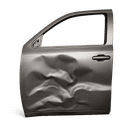
Physical Damage
Can help pay to repair or replace your own truck after an accident, fire, theft, or vandalism.
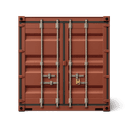
Cargo Coverage
May pay for damage to or theft of the freight you are hauling while it is in your care.
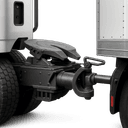
Trailer Interchange
Can help cover damage to trailers you haul under an interchange agreement but do not own.
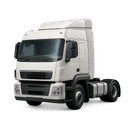
Bobtail Coverage
May provide liability protection when you drive your tractor without a trailer attached, such as after dropping off a load.

Non-Trucking Liability
Can help cover accidents that happen when you use your truck for personal errands rather than dispatched work.
Commercial Truck Insurance Cost in Reading
Average Cost in Pennsylvania
$410 - $1,125
per month
Businesses in Pennsylvania typically see commercial truck insurance premiums of $410 - $1,125 per month, which tends to run 1% above the national range of $400 - $1,125 per month.
- Radius of operation
- Commodities hauled and cargo value
- Number and value of power units
- Driver motor vehicle records and CDL experience
- DOT safety record, inspections, and FMCSA scores
- Liability limits and physical damage deductibles
Contact CPK Insurance for a personalized quote.
Prices shown are general estimates, not guaranteed rates or quotes. Your actual premium will depend on the insurer, coverage selected, business details, location, claims history, and other underwriting factors. Learn about our pricing methodology.
For Pennsylvania trucking risks, monthly cost per truck is often above the national average. Your final price depends on coverage limits and deductibles, claims history, location, industry or risk profile, and policy endorsements. A carrier running mostly local routes around Harrisburg may see different pricing pressure than a long-haul fleet that deals with weather, mileage, and multi-state exposure, especially when winter storms and flooding are part of the operating environment.
Pennsylvania's market is competitive, with top carriers including Erie Insurance, so pricing can vary meaningfully from one quote to another. That competition matters, but it does not override underwriting details such as cargo type, truck type, and how often the vehicle is on the road. Different equipment types carry different risk profiles, so a refrigerated truck will be priced differently than a delivery van. The state also has an insurance premium index of 106, meaning premiums here run about 6% higher than the national baseline, so budgeting around national averages may leave you short.
The biggest cost drivers you can control are deductibles, coverage limits, and endorsements. If you need motor carrier liability coverage, cargo protection, trailer interchange, bobtail coverage, or non-trucking liability insurance, each addition can change the quote. A personalized commercial truck insurance quote is the only way to see how your route mix, claims record, and equipment class affect the final price.
Industries & Insurance Needs in Reading
Berks County's business mix changes what many local trucking accounts need to show and carry. Other services account for 13.1% of establishments, retail trade 12.9%, and health care and social assistance 11.3%, so a lot of truck use here supports recurring deliveries, service visits, and time-sensitive stops rather than one uniform freight pattern. That matters because insurers and customers both look closely at how your vehicles are used, where they park, what they haul, and whether drivers make frequent stops at customer locations.
If your trucks support retail replenishment, service operations, or health care related deliveries, review radius, commodity, loading and unloading activity, and certificate requirements account by account. A contractor supply truck that backs into active job sites presents a different profile than a van making scheduled deliveries to care facilities or stores. Give underwriters a plain description of your routes, garaging, driver duties, and any trailer interchange or cargo needs. Cleaner operational detail usually produces a quote that fits the work better than a generic trucking class.
What Makes Reading Different
Certificate pressure is what changes the buying calculus here. In some places, a truck policy is mostly about meeting legal minimums and getting on the road. Around Reading, many operators also need insurance documents that satisfy landlords, customers, lenders, and site managers quickly and accurately, because the work often depends on access to private property, loading areas, and contracted job sites.
That is why the policy review should start with your actual paperwork flow, not just the truck list. If you add or swap vehicles, pull different trailers, or move between retail, service, and contractor accounts during the same month, ask how certificates are issued, how additional insured requests are handled when appropriate, and how fast endorsements can be processed. Reading median household income is $45,599, so missed jobs, delayed invoices, and out of service trucks can hit cash flow hard for smaller operators and family-run fleets. Build the policy around document accuracy and downtime planning before you focus on minor pricing differences.
Our Recommendation for Reading
Start with the contracts you already sign. If a property manager, shipper, or contractor gives you insurance language, compare it against your current declarations, vehicle schedule, and certificate samples before renewal. That is often where local truck accounts discover a mismatch, such as the wrong business name, missing trailer information, or limits that do not line up with the job.
Next, separate your operations by how the trucks are really used. A dump truck serving contractors, a box truck handling store deliveries, and a service body truck supporting maintenance calls should not be described with the same shorthand if the exposure is different. Ask for a review of liability, physical damage, cargo if applicable, uninsured motorist options, and downtime planning for financed units. If you have questions about policy forms or complaint handling, the Pennsylvania Insurance Department is the state regulator, but your immediate buying step is simpler: gather contracts, vehicle VINs, driver lists, and current certificates, then request a quote built around those documents.
Get Commercial Truck Insurance in Reading
Enter your ZIP code to compare commercial truck insurance rates from carriers in Reading, PA.
Business insurance starting at $25/mo
FAQ
Frequently Asked Questions
Reading area customers often control access to docks, lots, and job sites, so they want proof of coverage before a truck arrives. In Berks County, 8,510 business establishments create a lot of certificate requests tied to leases, vendor setups, and contractor onboarding.
Reading operations should describe each truck by actual use, because delivery work, contractor hauling, and service calls create different stopping patterns, loading activity, and customer requirements. A quote works better when the vehicle schedule and use class match the contracts you serve.
Berks County business mix matters because other services are 13.1% of establishments, retail trade 12.9%, and health care and social assistance 11.3%. That mix often means recurring deliveries and service stops, so you should review certificates, route radius, and cargo details carefully.
Reading owner-operators often feel downtime quickly. The city's median household income is $45,599, so a missed contract, delayed certificate, or financed truck sitting idle can strain a small operation. Review deductibles, rental options if available, and document turnaround before binding.
It can be built to include motor carrier liability, physical damage, cargo coverage, trailer interchange, bobtail coverage, and non-trucking liability insurance, depending on how your truck is used in Pennsylvania.
Pennsylvania commercial auto minimums apply, but trucking businesses may need higher liability limits based on freight, contracts, and federal freight expectations.
Cost per truck can vary widely based on limits, deductibles, claims history, location, and endorsements. A personalized quote is the only way to see how your specific route mix and equipment class affect the final price.
If you haul freight or own equipment that would be costly to repair or replace after a loss, cargo and physical damage are common parts of a Pennsylvania trucking policy, but the right mix depends on your operation.
Sources
- 1.U.S. Census Bureau, County Business Patterns, Berks County(Berks County has 8,510 business establishments, so trucks regularly interact with loading docks, retail deliveries, service calls, and job sites that want proof of coverage before access is granted.; Other services account for 13.1% of establishments, retail trade 12.9%, and health care and social assistance 11.3%, so a lot of truck use here supports recurring deliveries, service visits, and time-sensitive stops rather than one uniform freight pattern.)
- 2.U.S. Census Bureau, ACS 5-Year Estimates, table B19013(Reading median household income is $45,599, so missed jobs, delayed invoices, and out of service trucks can hit cash flow hard for smaller operators and family-run fleets.)
- 3.Pennsylvania Insurance Department(The Pennsylvania Insurance Department is the state regulator.)
Updated July 5, 2026





