Updated July 16, 2026

Key Takeaways
- Compare liquor liability quotes using the same limits and the same description of your alcohol operations, then read exclusions and defense wording before you choose a policy.
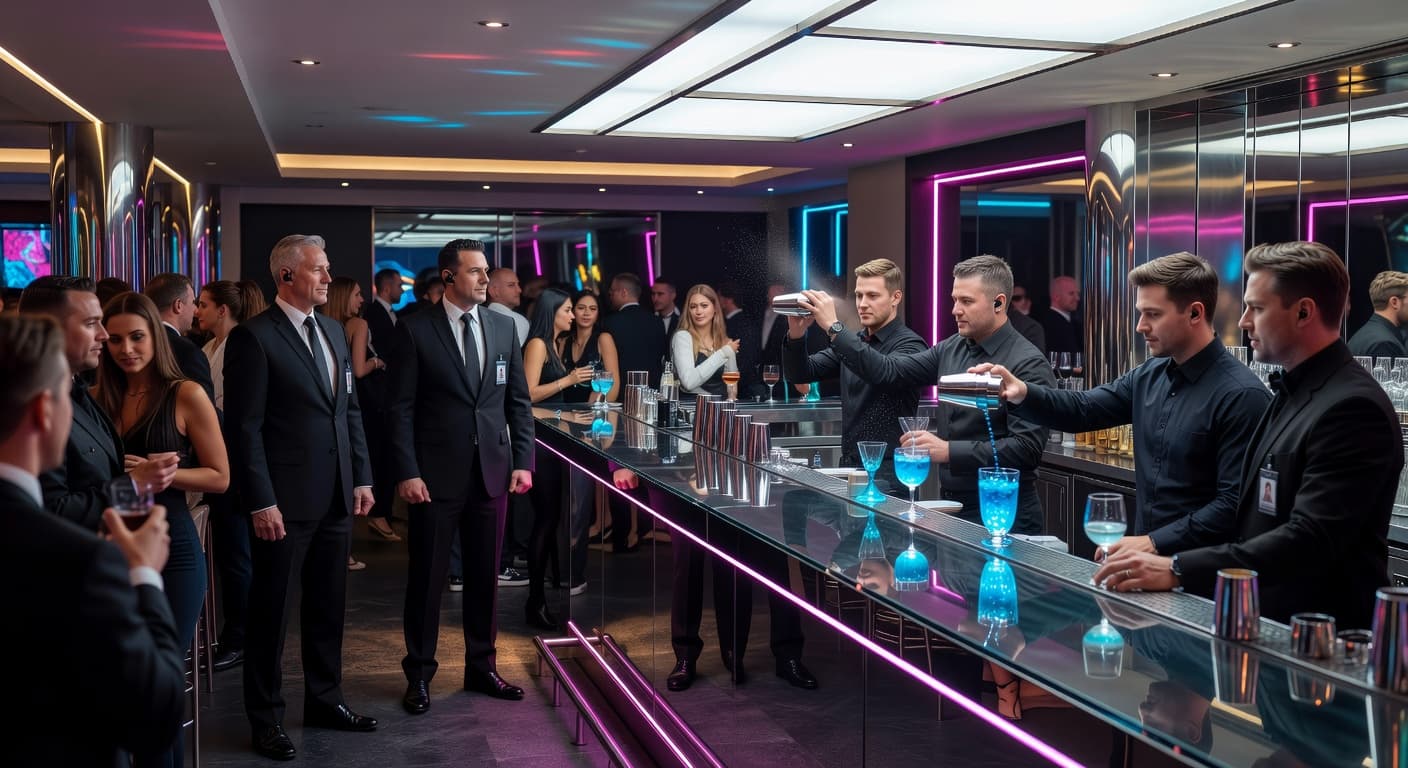
- Ask whether assault and battery is included, limited, or excluded, especially if you operate late hours, use security, host events, or manage crowded service areas.
- Document ID checks, server training, incident logs, and cut-off procedures so your application and your claim file both support how you actually operate.
- Review contracts from landlords, venues, and event partners early so you can match liquor liability limits and certificate requirements before binding coverage.
- Separate host liquor questions from true liquor liability needs if alcohol is only furnished occasionally and not part of your regular business revenue.
Liquor Liability Insurance in Rhode Island
A liquor liability quote in Rhode Island usually starts with operational details, not a price. Underwriters want to understand how alcohol moves through your business. That means on-premises service, packaged sales, private events, late-night hours, security procedures, staff training, and whether you maintain written incident logs. If you gather your current policy, lease insurance requirements, event contracts, menu or alcohol sales mix, and prior claims details before you apply, you can compare terms instead of guessing from a bare premium.
This matters in a small state where many businesses combine exposures under one roof. A restaurant may run a bar program, host private parties, and serve at off-site functions. A package store may add tastings, while a wedding venue may need to separate host exposure from full alcohol sales and service. Your review should focus on where alcohol is sold or served, who handles each step, and which endorsements you may need to close gaps before renewal or before a new location opens.
What Liquor Liability Insurance Covers
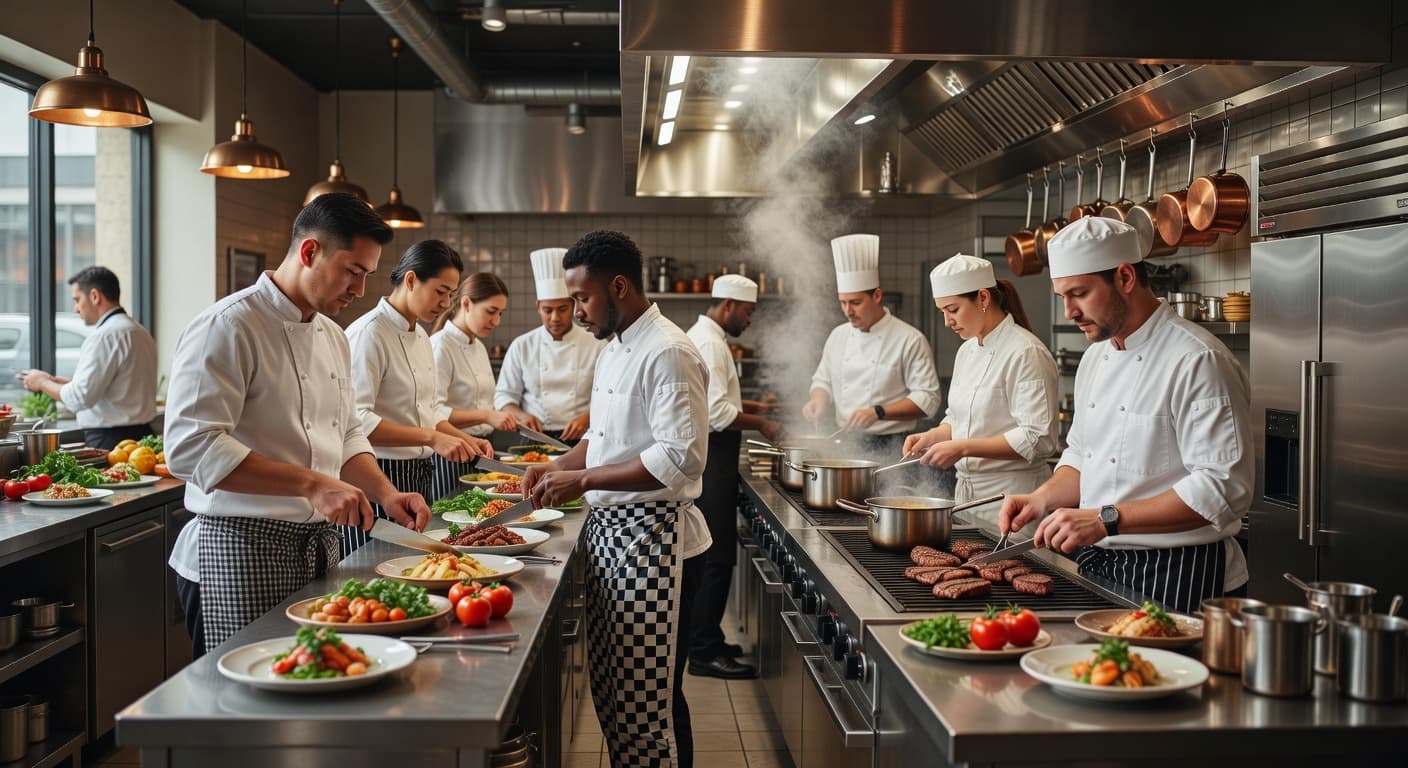
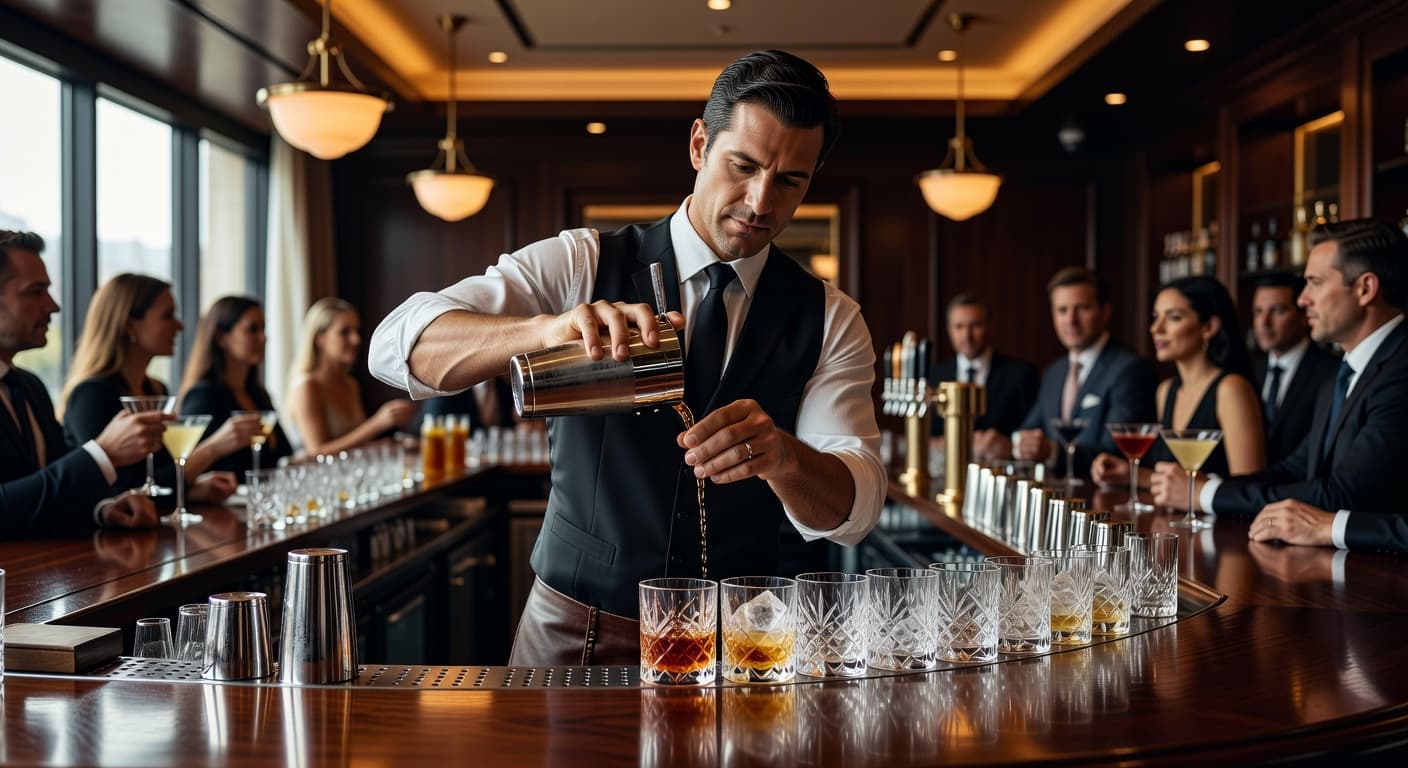
How does the alcohol transaction actually happen in your business? That detail shapes the coverage review. A neighborhood restaurant with table service, a bar with door staff, a caterer pouring at private events, and a retail store offering occasional tastings can all need different policy language. Even if each business says it serves alcohol, the risk profile differs.
Start by mapping the handoff points in your operation. Identify who checks identification, who serves, who monitors intoxication, who closes tabs, and who documents incidents if a guest is cut off. If your operation changes by day or season, note that too. A venue that is quiet during the week but books receptions on weekends often needs the quote to reflect event-driven exposure, not just ordinary daily traffic.
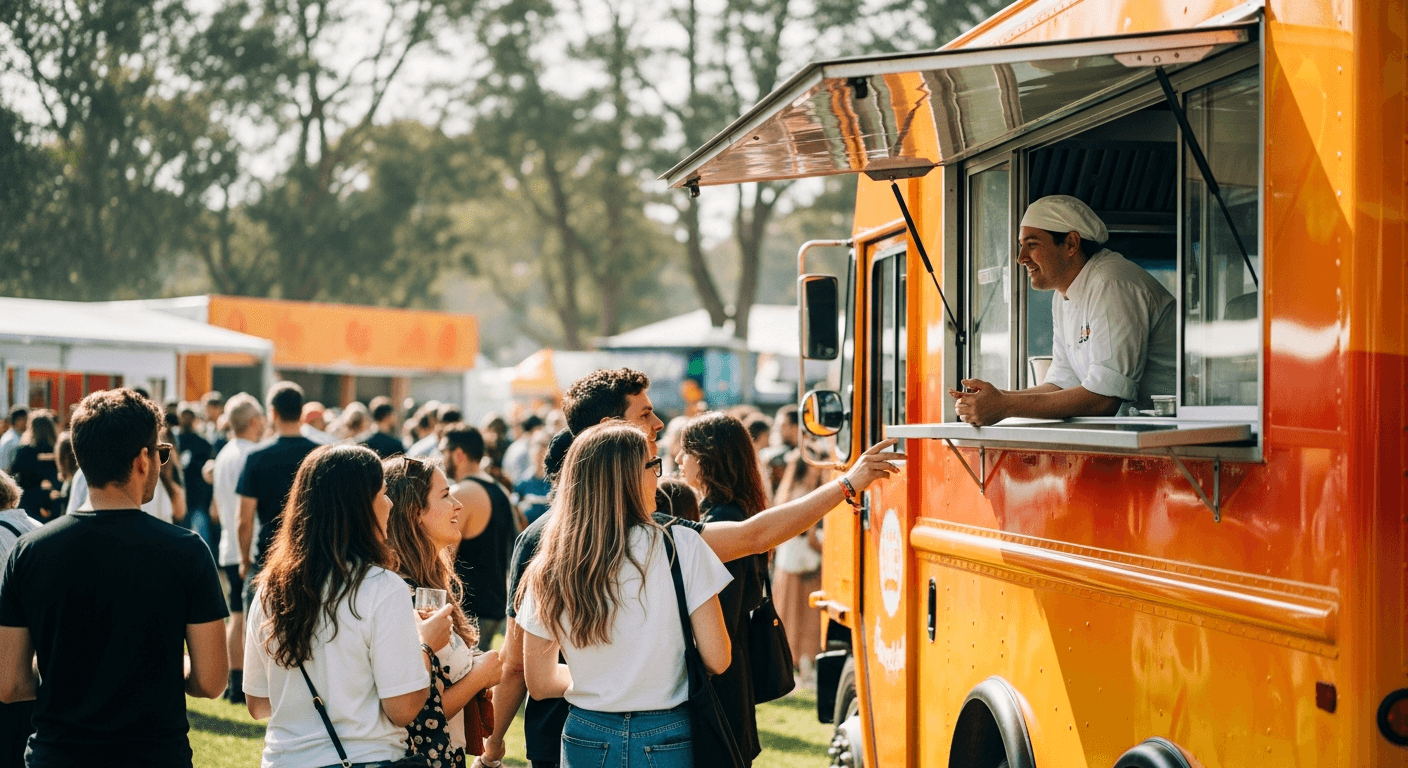
You should also review where service leaves your premises. Off-site catering, festival booths, pop-up bars, and alcohol service at rented halls can create a mismatch if your policy is built only around your main address. The same issue comes up when a business adds delivery, packaged alcohol sales, or third-party event staffing without updating its insurance application.
Rhode Island buyers should read the policy with their licensing and compliance workflow in mind. The Rhode Island Department of Business Regulation oversees insurance regulation in the state, and you can contact the DBR if you have a dispute with an insurer or need to verify a company's license. If you are comparing forms, certificates, or insurer filings, keep your records organized and make sure the named insured, locations, and operations descriptions match your actual business. Before you bind coverage, ask for a detailed review of exclusions, defense treatment, assault and battery wording if relevant, and any event or off-premises limitations that could matter to your service model.
Bodily Injury Liability
Can help cover injuries an intoxicated patron causes to others after your business served or sold them alcohol.

Property Damage Liability
May pay for property damage caused by an intoxicated customer your establishment served, such as a car crash after leaving.

Assault & Battery
Can help cover claims arising from fights or physical altercations involving intoxicated patrons at your bar or restaurant.

Defense Costs
May pay for attorneys, court fees, and related legal expenses when your business is sued over an alcohol-related incident.

Host Liquor Liability
Can help cover alcohol-related claims from events where you host or serve drinks without selling them, like company parties.
Liquor Liability Insurance Requirements in Rhode Island
- Rhode Island event-driven businesses should confirm that private receptions, temporary service bars, and rented venues are addressed if alcohol service moves beyond the main premises.
- If your operation combines restaurant service, bar sales, and catering under one ownership, the application should distinguish those activities to avoid classification problems.
- Package stores and retailers that add tastings should review whether occasional on-premises consumption changes how the exposure is presented to underwriters.
- Venues that rely on subcontracted bartenders or outside event partners should align contracts, indemnity language, and certificate requests before the event calendar fills up.
How Much Does Liquor Liability Insurance Cost in Rhode Island?
Average Cost in Rhode Island
$50 - $190
per month
Businesses in Rhode Island typically see liquor liability insurance premiums of $50 - $190 per month, which tends to run 17% below the national range of $50 - $240 per month.
- Share of sales that comes from alcohol
- Type of venue and how late you serve
- Server training and service procedures
- State dram shop law
- Liquor liability limits selected
- Prior over-service or assault claims
Contact CPK Insurance for a personalized quote.
Pricing depends on how alcohol is sold or served, your hours, claims history, limits, deductibles, and whether the policy has to account for events, security, or multiple locations. For a small operation, liquor liability can fit a modest monthly budget. For a high-volume bar or active event venue, the cost can climb quickly based on how busy and complex your service model is.
The biggest pricing driver is usually that operational complexity. A quiet dining room with limited alcohol receipts and early closing hours is rated differently from a bar program with heavy weekend volume, entertainment, or crowd control concerns. A package store with no on-premises consumption presents a different profile from a venue that hosts receptions where service continues for several hours. If you cater, underwriters usually want to know how often you leave your premises, whether bartenders are employees or subcontracted, and how responsibility is divided at each event.
Your paperwork affects price too. Clean, consistent applications tend to produce more reliable quotes because the underwriter can classify the exposure correctly the first time. If one document says restaurant, another says tavern, and your website advertises private events and bottle service, expect follow-up questions and possible repricing. The same happens when prior claims, canceled coverage, or ownership changes appear late in the process.
To get a quote you can actually use, prepare your current declarations page, estimated alcohol receipts, event schedule, lease requirements, and any contracts that require additional insured status. Then compare not only premium, but also limits, exclusions, defense wording, and whether the policy contemplates your real service pattern.
Prices shown are general estimates, not guaranteed rates or quotes. Your actual premium will depend on the insurer, coverage selected, business details, location, claims history, and other underwriting factors. Learn about our pricing methodology.
Request a Quote Comparison
Enter your ZIP code to compare liquor liability insurance rates from top carriers.
Business insurance starting at $25/mo
Who Needs Liquor Liability Insurance?
Rhode Island businesses that should review this coverage are the ones whose alcohol exposure is active, regular, or contract-driven. That includes bars, restaurants, taverns, breweries, wineries, package stores, nightspots, caterers, banquet halls, wedding venues, social clubs, and entertainment spaces. In these settings, alcohol service is part of the customer experience or part of the rental agreement.
Some buyers miss the need because alcohol is not their main revenue source. A restaurant may think of itself as food-first, but if the bar stays open late, hosts private parties, or serves at special events, the exposure can be broader than the dining room suggests. A venue may not own the alcohol inventory but still controls the premises, the event flow, or the vendors allowed to serve. That is enough to justify a careful insurance review.
The same applies to businesses adding alcohol as a growth move. If you start tastings, expand into catered events, or add a separate bar area, your existing policy setup may no longer match your operations. Buyers often discover this during lease negotiations, event contracting, or renewal questionnaires. That is when a landlord or client asks for proof of specific coverage terms.
You should also review this coverage if another party expects your certificate before work begins. Wedding planners, landlords, municipalities, and event hosts often want insurance evidence that aligns with the actual alcohol exposure, not just a generic liability certificate. If your business name, location list, or operations description is incomplete, fix that before sending documents out.
Liquor Liability Insurance by City in Rhode Island
Liquor Liability Insurance rates and coverage options can vary across Rhode Island. Select your city below for localized information:
How to Buy Liquor Liability Insurance
Buying this coverage in Rhode Island goes faster when you treat the application like an operations file. Start with the exact legal business name, all operating locations, and a plain description of how alcohol is sold, served, stored, and supervised. If you have separate concepts under one ownership, such as a restaurant, event space, and catering arm, break them out clearly instead of assuming the underwriter will infer the differences.
Next, gather the documents that usually control the quote. That means your current policy information, prior loss details, estimated alcohol receipts, sample event contracts, lease insurance requirements, and any certificate wording a landlord or venue client has already requested. If you use security staff, subcontracted bartenders, or outside event partners, note who is responsible for what and whether indemnity language appears in those agreements.
Then decide what you need the policy to accomplish. Some buyers mainly need compliant certificates for landlords and events. Others need a broader review because they are opening a new location, adding off-site service, or replacing a policy that no longer fits. Specific details in your application lead to specific terms in your quote.
Before binding, review the proposed named insured, covered locations, endorsements, and exclusions in detail. Confirm that private events, temporary service locations, or tastings may be addressed if they are part of your business. Ask how defense costs are handled, whether incident-prone exposures need special wording, and what documents you should keep on file for future renewals. Once the terms match your operations, request certificates for the parties that need proof of coverage. Request a quote through CPK Insurance to compare your options with participating licensed providers.
How to Save on Liquor Liability Insurance
The safest way to save in Rhode Island is to make your risk easier to underwrite. When your application clearly reflects your actual service model, the underwriter can place you in the right pricing tier without guessing or padding for unknowns. If your business has changed since the last renewal, update the file before you shop. A policy built on outdated operations can look inexpensive until the underwriter corrects it.
Start with documentation. Keep written alcohol service procedures, staff training records, incident logs, and contracts with bartenders, security vendors, and event hosts in one place. Underwriters price uncertainty, so missing information can work against you. Gaps in your file often lead to higher premiums or even declinations because the carrier assumes the worst about what you have not documented.
You can also save by narrowing avoidable mismatch. Separate exposures that do not belong together, such as occasional hosted events versus regular alcohol sales, or one quiet location versus another with entertainment and late hours. If your operation includes both, explain the controls at each site instead of letting the highest-hazard feature define the whole account. The same principle applies to deductibles and limits. Choose terms that fit your contracts and balance sheet, not a generic template.
Finally, shop before deadlines tighten. Last-minute requests before a lease signing, festival date, or renewal often leave less room to correct classifications or negotiate wording. Give yourself time to compare forms, not just premiums. Ask what operational changes could improve the next renewal, then implement those steps while the policy is in force. Better records, cleaner contracts, and consistent service controls usually put you in a stronger position at the next quote cycle.
Our Recommendation for Rhode Island
For Rhode Island buyers, the most useful move is to build your quote around the real service model, not the broad business label. Restaurant, venue, or retail is rarely enough if you also host receptions, pour at off-site events, run tastings, or use separate staff for bar operations. Put those details in writing at the start so the quote reflects your actual exposure.
Review every place alcohol changes hands. That includes the main premises, patios, private rooms, temporary event spaces, and catered locations. If a landlord, client, or venue manager requires certificate wording, provide that request before the quote is finalized. It is easier to structure the policy correctly upfront than to fix it after binding.
Pay close attention to exclusions and endorsements that can reshape the value of the policy. Ask specifically about off-premises service, temporary events, subcontracted bartenders, security-related incidents, and how defense costs are treated. If your business has seasonal peaks, explain them. A short but intense event calendar can matter more than average weekly traffic.
Before renewal, check whether your promotional materials and contracts describe the same operations as your declarations page. If those documents tell different stories, correct the mismatch before you ask for terms. That one step often leads to a cleaner quote and fewer surprises when a certificate is needed quickly.
FAQ
Frequently Asked Questions
Applicants usually get better quote options when they submit current policy details, alcohol sales estimates, lease requirements, event contracts, and prior claims information together. That gives the underwriter a clearer picture of how your business actually serves or sells alcohol.
Wedding venues often still need a coverage review because the venue controls the premises, contracts, and event conditions. If alcohol service is part of the rental experience, review how responsibility is divided between your business and the caterer before the event season starts.
Caterers usually need the quote to address where alcohol is served away from the main location. If your staff pours at private homes, halls, or corporate events, ask whether off-premises service and temporary locations are contemplated in the policy terms.
Landlords and event clients commonly ask for certificates that match the named insured, location, and contracted operations. Review those requests before binding so your policy and certificate wording line up with the lease or event agreement.
Insurance companies in the state are regulated by the Rhode Island Department of Business Regulation. If you are reviewing insurer filings, policy forms, or complaint channels, keep that regulator in mind and maintain complete records for your policy and certificates.
Package stores should review coverage when tastings or promotional events add on-premises alcohol exposure. A retail operation with occasional sampling can present differently from a store limited to packaged sales, so the application should describe those events clearly.
Buyers should compare exclusions, endorsements, covered locations, defense wording, and whether private events or off-site service are addressed. A lower premium is less useful if the policy does not match how your business actually operates.
U.S. businesses that sell, serve, or distribute alcohol should review liquor liability insurance. That usually includes bars, restaurants, breweries, wineries, liquor stores, caterers, hotels, and event venues, especially when alcohol service is part of normal operations rather than an occasional event.
Sources
- 1.Rhode Island Department of Business Regulation(The Rhode Island Department of Business Regulation oversees insurance regulation in the state.)
Updated July 16, 2026