Updated July 16, 2026

Builders Risk Insurance in Providence
What sets Providence apart is how much of the work happens on tight urban infill lots. Builders risk insurance in Providence often has to account for renovation and rebuild work on compact lots, attached or closely spaced structures, and material deliveries that move through busy neighborhood streets rather than open suburban sites. That means your submission needs to tell a more detailed story. A carrier will usually want a sharper picture of site security, where materials sit before installation, how you protect partially completed work overnight, and whether neighboring property could be affected by a loss. The age and condition of the housing stock also shape the conversation. With a Providence median home value of $322,800, a modest kitchen fire or water loss can outpace what most owners expect to pay out of pocket. Repair budgets and completed values can move quickly once you are improving an older house or adding meaningful square footage. That means your limit should be checked against the real completed project value, not last year's purchase price. If the project is financed, sold during construction, or tied to a draw schedule, line up the named insureds, mortgage interest, and soft cost discussion before work starts. Then put together a quote request that reflects the specifics of the job in front of you.
Builders Risk Insurance Risk Factors in Providence
Older neighborhoods and tighter spacing are the practical risk issue here. On a local renovation, a small water event, fire, or theft loss can spread beyond the work area faster when structures sit close together and access is constrained. That is why the site plan matters more than many owners expect. Show how the property is secured after hours, where materials are stored, and whether any high-value items will remain on site before installation. Even moderate residential projects can carry enough completed value that a **low placeholder limit** leaves you short if a major loss hits late in the build. If your job involves phased occupancy, partial turnover, or a vacant structure before work begins, flag that early so the quote can be reviewed around those conditions instead of corrected mid-project.
Rhode Island has a moderate climate risk rating. Top hazards: Hurricane (High), Flooding (High), Nor'easter (Moderate), Coastal Erosion (Moderate). The state's expected annual loss from natural hazards is $160M, which influences builders risk insurance premiums and may affect coverage availability in high-risk areas.
What Builders Risk Insurance Covers
The useful review focuses on how the policy matches the way your job is staged, not just the basic concept of builders risk coverage. A ground-up build, a phased addition, and a renovation inside an occupied structure create different property exposures during the course of construction. You want the quote to identify what property is included at the site, what property may be covered off-site or in transit if requested, and whether temporary works or stored materials need to be scheduled or specifically discussed.
A policy review should focus on the points where construction actually slows down or gets more expensive after a loss. That includes partially installed materials, equipment that becomes part of the structure, scaffolding or temporary protection, and the cost of restarting work after damage. If your contract pushes responsibility for certain materials to the owner before installation, that should be reflected in the application and the named insured structure.
Renovation work deserves extra attention because many jobs involve existing buildings rather than empty sites. In that setting, you should ask where the policy draws the line between existing property and new work, whether occupied portions of the building create underwriting conditions, and how water intrusion, theft of installed materials, or damage during a partial shutdown would be handled under the policy terms. The practical goal is simple: make sure the quote follows the job flow, the contract, and the property values actually at risk.
Coverage Included

Structure Coverage
Covers the building or structure under construction.

Materials on Site
Covers building materials stored at the construction site.

Materials in Transit
Covers materials being transported to the job site.
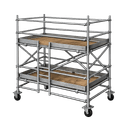
Temporary Structures
Covers scaffolding, fencing, and temporary buildings.

Soft Costs
Covers additional expenses from construction delays due to covered losses.

Equipment Coverage
Covers permanently installed fixtures and equipment.
Industries & Insurance Needs in Providence
County contracting volume is the useful market signal. Providence County has 16,439 business establishments, and construction accounts for 11.5% of establishment share, alongside retail trade at 11.7% and health care and social assistance at 11.3%. That mix matters because builders risk buyers here are often working in a dense vendor and subcontractor environment where lenders, landlords, owners, and upstream project partners expect clean documentation before materials are released or work proceeds. For you, the practical step is to match the policy structure to the job's paper trail: confirm who must be named, whether temporary storage or transit should be reviewed, and how the project address, contract value, and completion date appear across the application and supporting documents. Cleaner submissions tend to avoid delays that can hold up a start date or draw request.
What Makes Providence Different
What shifts the calculus here is how close everything sits to everything else. In many parts of the state, the question is simply what is being built and for how long. Here, you also need to think about what sits immediately beside the project and how the site functions day to day. A renovation on a narrow street, a mixed-use building update, or a rebuild with limited staging room creates more moving parts around deliveries, fencing, debris handling, and overnight protection of installed and uninstalled materials. Providence's median household income is $66,772, so a single uninsured setback could wipe out months of a household's savings. Owners sometimes try to keep limits lean or skip optional protections that matter once delays start affecting financing or occupancy plans. A better approach is to decide early which costs would hurt most if the job is interrupted. From there, you can request a quote that genuinely reflects the exposures you are carrying instead of treating the policy as a box to check.
Our Recommendation for Providence
Before you fill out anything, walk the site and take notes. For a local builders risk submission, provide the construction type, renovation versus ground-up scope, completed value, start date, completion date, and a short explanation of how the property is secured after hours. If the structure is older, vacant before work begins, or partially occupied during the job, say so up front. Review whether materials will be stored off site, in transit, or inside the structure before installation, because those specifics often determine which endorsements a carrier will attach. If your lender, owner, or general contractor has insurance language in the contract, compare it against the quote before binding. That way named insureds, loss payee interests, and any soft cost needs are addressed early. On residential work, do not anchor the limit to the purchase price alone. On commercial or mixed-use jobs, make sure the policy description matches the actual use of the building during construction. Once you have the plans, contract, and timeline in hand, request a free, no-obligation quote.
Get Builders Risk Insurance in Providence
Enter your ZIP code to compare builders risk insurance rates from carriers in Providence, RI.
Business insurance starting at $25/mo
FAQ
Frequently Asked Questions
Providence projects on tight lots should show the renovation scope, completed value, security plan, material storage, and whether neighboring structures sit close to the work. Those specifics let the carrier assess whether a fire, water, or collapse event could reach adjacent property and how that affects the underwriting.
Providence residential projects usually need limits reviewed against the finished project value, not just the acquisition price. Even modest upgrades can change the amount at risk before the job is complete, especially on older homes with meaningful scope changes.
Providence County has 16,439 business establishments, with construction at 11.5% of establishment share. With that many firms competing for the same subcontractors and permits, slow or incomplete paperwork can cost you a slot on a busy schedule. You should line up named insureds, address details, contract value, and timing before requesting terms.
Providence mixed-use renovations can often be reviewed around phased construction, but you should disclose any partial occupancy, tenant presence, or turnover schedule early. On urban projects, those operational realities carry more weight with underwriters than a one-line property description ever will.
Providence buyers who run into a policy or licensing question can verify information with the Rhode Island Department of Business Regulation. That is most useful after you have the quote, specimen wording, and contract requirements in front of you.
Insurance oversight sits with the Department of Business Regulation, which maintains a database you can check to confirm a carrier or agent is properly licensed.
Renovation projects often deserve a closer review because the policy needs to separate existing property from the work in progress. That matters even more if the building stays partially occupied during construction.
Contractors can be the buyer if the contract places that responsibility on them, but the better question is whether the named insured structure matches the owner, lender, and project obligations at the outset.
Sources
- 1.U.S. Census Bureau, ACS 5-Year Estimates, table B25077(With a Providence median home value of $322,800, repair budgets and completed values can move quickly once you are improving an older house or adding meaningful square footage, so the limit should be checked against the real completed project value, not last year's purchase price.)
- 2.U.S. Census Bureau, County Business Patterns, Providence County(Providence County has 16,439 business establishments, and construction accounts for 11.5% of establishment share, alongside retail trade at 11.7% and health care and social assistance at 11.3%.)
- 3.U.S. Census Bureau, ACS 5-Year Estimates, table B19013(Providence's median household income is $66,772, which is a useful reminder that many residential projects are budget-sensitive, so owners sometimes try to keep limits lean or skip optional protections that matter once delays start affecting financing or occupancy plans.)
- 4.Rhode Island Department of Business Regulation(Providence buyers who run into a policy or licensing question can verify information with the Rhode Island Department of Business Regulation.)
Updated July 16, 2026