Updated July 16, 2026

Builders Risk Insurance in Charleston
Builders risk insurance in Charleston gets practical once a lease is signed, a lender wants proof of coverage, or a homeowner commits to a major renovation. The real concern is how a loss during the build could delay occupancy, financing, or contractor payments. You might be handling an interior build-out near King Street, an addition in an established residential block, or higher-value custom work where materials and finishes represent a larger share of the budget before completion. With a median home value of $469,100 here, even a single residential rebuild can put meaningful property value in transit, storage, or partial installation. That means a partial loss could tie up more capital than you might expect. Your quote should match the actual construction value and timeline, including where materials sit between deliveries. Before binding, line up the named insureds and confirm the project address and scope. Make sure temporary storage, change orders, and soft-cost needs are part of the conversation.
Builders Risk Insurance Risk Factors in Charleston
Charleston's top risk factors include Flooding, Hurricane damage, Coastal storm surge, and Wind damage.
South Carolina has a high climate risk rating. Top hazards: Hurricane (Very High), Flooding (High), Severe Storm (High), Tornado (Moderate). The state's expected annual loss from natural hazards is $1.4B, which influences builders risk insurance premiums and may affect coverage availability in high-risk areas.
What Builders Risk Insurance Covers
Projects here often need a closer look at where property sits before installation and how it moves through the job. A coastal custom home, an inland retail build, and a renovation in a humid corridor do not present the same exposure if materials are delivered early, stored off site, or staged in partially enclosed areas. If the project depends on long-lead items, imported finishes, custom millwork, mechanical equipment, or owner-supplied materials, ask for those categories to be reviewed specifically instead of assuming they fit cleanly inside a broad description.
You should also match the policy to the actual construction path. A ground-up project may need different attention than a major renovation where existing portions of the structure remain in use. If the site has temporary fencing, scaffolding, construction forms, or borrowed equipment that creates a bottleneck after a loss, ask what property is included and what is not. The same applies to debris removal, pollutant cleanup concerns after damage, and temporary protection measures used to keep water out while the building envelope is incomplete.
If the owner, general contractor, and lender all have a stake in the work, confirm how each party should be shown and whether the policy form aligns with the agreement. Buyers should also review whether delay-related expenses deserve attention, especially when a missed completion date affects financing, lease-up, or a planned opening. The practical move is to build a coverage checklist from the schedule of values, procurement list, and contract exhibits, then compare that checklist to the quote line by line.
Coverage Included

Structure Coverage
Covers the building or structure under construction.

Materials on Site
Covers building materials stored at the construction site.

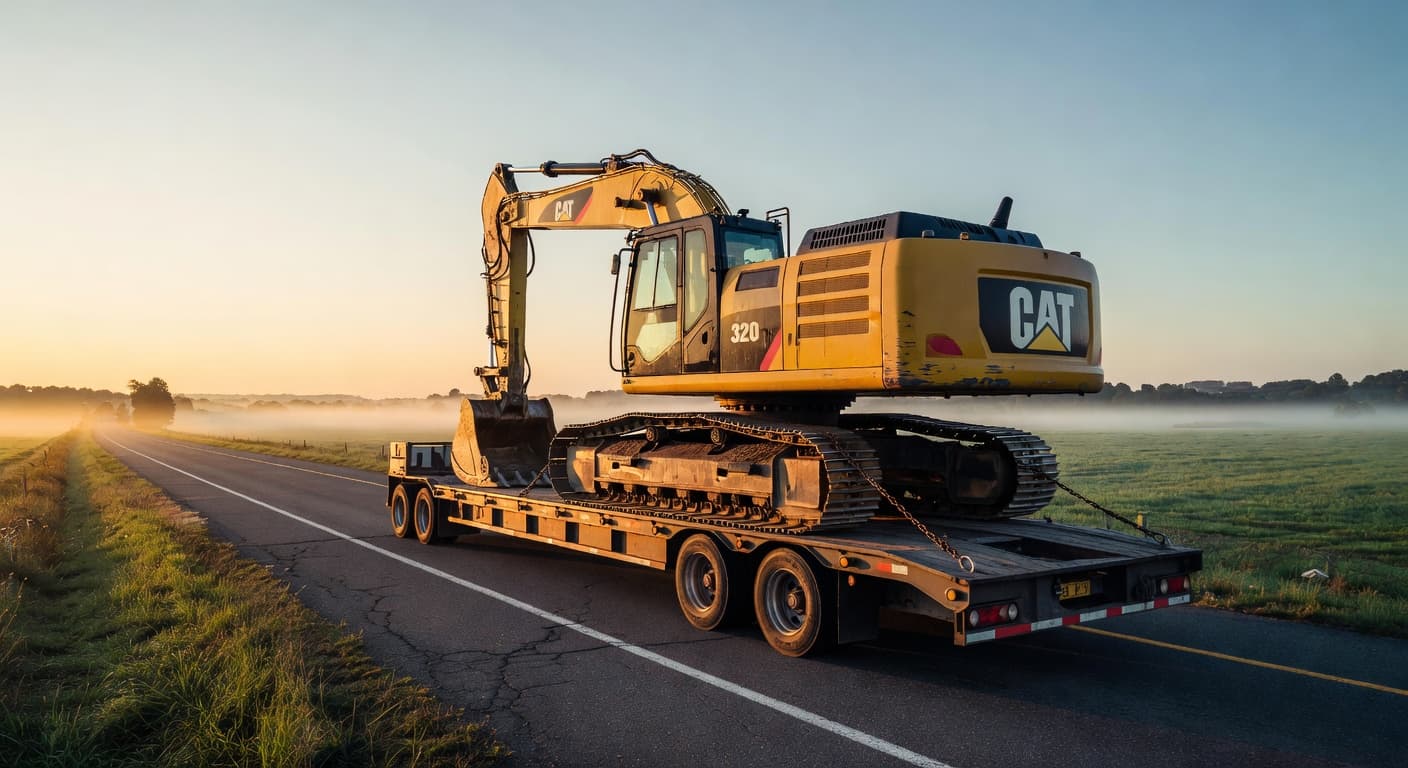
Materials in Transit
Covers materials being transported to the job site.
Temporary Structures
Covers scaffolding, fencing, and temporary buildings.

Soft Costs
Covers additional expenses from construction delays due to covered losses.

Equipment Coverage
Covers permanently installed fixtures and equipment.
Industries & Insurance Needs in Charleston
Charleston County has 15,484 business establishments, with professional, scientific, and technical services at 14.2%, retail trade at 13.6%, and accommodation and food services at 10.1%. For builders risk, that mix matters because a large share of local projects are tenant improvements, storefront renovations, restaurant build-outs, and office reconfigurations where opening dates, lease obligations, and lender draws can be just as important as the physical work itself. If your project serves a business occupancy, review whether the policy structure fits an interior upfit versus a ground-up build, and whether delay-related soft costs need to be discussed rather than assumed. County business density also means contractors and owners often work under tighter schedules with multiple parties involved, so it helps to settle who carries the policy and how certificates will be issued before demolition or material deliveries begin.
What Affects Builders Risk Rates in Charleston
Charleston's median household income is $90,038, and that tends to show up in the kind of residential work owners commission: larger remodels, finish upgrades, additions, and custom elements that raise the value of materials before they are permanently installed. That does not create a standard price by itself, but it does change what you should declare on an application. If cabinetry, windows, fixtures, or specialty finishes arrive early or are staged before installation, underinsuring the completed value or leaving storage assumptions vague can create a problem at claim time. For higher-value home projects, ask your agent to review the construction budget, owner-supplied materials, and any phased work so the limit tracks the real exposure instead of an outdated estimate. That is usually more useful than chasing a generic monthly number.
What Makes Charleston Different
The main factor that changes the calculus in this market is how much project value concentrates in one place. In a city with a median home value of $469,100, residential jobs often move beyond basic repair work into substantial renovations and custom construction. A larger share of the budget then sits in partially completed work, stored materials, and owner-selected finishes. The buying decision should involve real valuation work rather than a quick checkbox. If the limit is too low, or if the scope on the application lags behind change orders, your policy may not line up with what is actually at risk on site. The same issue appears on commercial upfits, where lease deadlines and opening plans can make a construction loss more disruptive than the direct property damage alone. Build your quote around the current contract value, the material schedule, and who is financially exposed at each stage of the job.
Our Recommendation for Charleston
Start with the construction contract, not a generic application. For a local renovation or build, verify the completed value and the current draw schedule. Check whether any owner-furnished materials need to be included before they reach the site. If the job is an occupied renovation or a tenant upfit, ask specifically how the carrier wants the scope described. Interior work, phased work, and partial occupancy can change what needs to be reviewed. On higher-value homes, compare the budget against the policy limit after major selections are finalized, not just at the permit stage. On commercial jobs, confirm who must be named and whether the lender or landlord needs evidence of coverage. Make sure change orders will be reported during the term. Before work starts, request a specimen or summary that addresses storage, transit, theft-sensitive materials, and any soft-cost concerns tied to delays.
Get Builders Risk Insurance in Charleston
Enter your ZIP code to compare builders risk insurance rates from carriers in Charleston, SC.
Business insurance starting at $25/mo
FAQ
Frequently Asked Questions
Charleston upfit projects should match the policy to the actual leasehold scope, build-out budget, and delivery schedule. If materials are arriving in stages or the opening date matters, make sure storage, change orders, and delay-related soft costs are part of the conversation.
Charleston residential projects often involve meaningful property value, with a median home value of $469,100. That means a partial loss could tie up more capital than you might expect, so review whether the builders risk limit reflects the real renovation or rebuild exposure rather than an early rough estimate.
Charleston County does, because 15,484 establishments and a strong share of retail, hospitality, and professional offices point to frequent tenant improvements and interior build-outs. In practical terms, that means opening dates, landlord requirements, and lender draws often need attention alongside physical damage coverage.
Charleston business build-outs usually work better when the named insureds are settled before demolition or deliveries begin. Review the lease, construction contract, and lender requirements so the owner, contractor, or tenant interest is reflected correctly.
Charleston County projects tied to professional services, retail trade, or accommodation and food services can miss soft-cost and schedule issues. The county's leading sectors are 14.2%, 13.6%, and 10.1% respectively. Those percentages translate to a heavy concentration of businesses that live and die by opening dates, which means delay-sensitive expenses deserve real attention.
The responsibility usually sits in the construction contract or loan documents, and the buyer is often the party carrying the financial risk if covered property is damaged. Review the agreement early, before permits, deliveries, and draw schedules make changes harder.
Jobs here can involve early delivery and staged storage, especially for custom or long-lead items, so off-site materials should be reviewed specifically in the quote request because storage location and property description can affect how the policy responds.
Renovations are worth reviewing carefully because losses can blur the line between new work and the existing structure, so put that distinction in writing to keep the insured project scope clear if damage happens mid-job.
Sources
- 1.U.S. Census Bureau, ACS 5-Year Estimates, table B25077(With a median home value of $469,100 here, even a single residential rebuild or substantial renovation can put a meaningful amount of property in transit, storage, or partial installation.)
- 2.U.S. Census Bureau, ACS 5-Year Estimates, table B19013(Charleston's median household income is $90,038, and that tends to show up in the kind of residential work owners commission: larger remodels, finish upgrades, additions, and custom elements that raise the value of materials before they are permanently installed.)
- 3.U.S. Census Bureau, County Business Patterns, Charleston County(Charleston County has 15,484 business establishments, with professional, scientific, and technical services at 14.2%, retail trade at 13.6%, and accommodation and food services at 10.1%.)
Updated July 16, 2026