Updated July 16, 2026

Commercial Auto Insurance in Charleston
A commercial auto decision usually shows up at a practical moment. You outgrow a downtown lease, add a service van before busy season, or start sending staff across the peninsula, West Ashley, Mount Pleasant, and North Charleston on the same day. A policy for a consultant's sedan, a retailer's delivery van, and a restaurant's catering vehicle should not be built the same way. With median household income at $90,038, your customers expect professional service, and a vehicle off the road after an accident can cost you revenue before it costs you a repair bill. When you are quoting or renewing, bring your current vehicle schedule, driver list, typical routes, and any hired or non-owned auto exposure into the review so the quote matches how the vehicle is actually used.
Commercial Auto Insurance Risk Factors in Charleston
Charleston's local risk question is **concentration**. A lot of driving happens in tight, high-demand corridors where parking is limited, service calls stack up, and one minor collision can disrupt a full day of appointments. That matters more if your vehicles move between dense commercial areas and customer locations rather than staying on a fixed route. South Carolina's broader weather exposure is already a state-level issue, but here you should also think about where vehicles sit after hours, whether they are parked on the street, and how often drivers back, load, or unload in constrained spaces. Those details can affect the coverages and deductibles you ask to review. If your business rotates personal vehicles into work errands, or rents vehicles during seasonal surges, ask for a clear review of hired and non-owned auto exposure instead of assuming the standard vehicle list tells the whole story.
South Carolina has a high climate risk rating. Top hazards: Hurricane (Very High), Flooding (High), Severe Storm (High), Tornado (Moderate). The state's expected annual loss from natural hazards is $1.4B, which influences commercial auto insurance premiums and may affect coverage availability in high-risk areas.
What Commercial Auto Insurance Covers
A commercial auto policy typically starts with liability, collision, comprehensive, medical payments, and uninsured motorist protection, but the way you structure those coverages should reflect the state's minimum liability requirement. Liability is the core protection for bodily injury and property damage if a business vehicle causes an accident. Collision helps pay for damage to your covered vehicle after a crash, while comprehensive addresses theft and weather-related damage, which matters in a state with hurricane, flooding, and severe storm exposure. Medical payments can help with certain medical costs for occupants after an accident, and uninsured motorist protection is especially relevant where the uninsured driver rate is above average. If employees rent vehicles or use personal cars for company errands, client visits, or deliveries, a personal auto policy may not close that business-use gap, so ask about hired and non-owned auto endorsements. South Carolina requires all commercial vehicles to be registered with the DMV, so your coverage should be aligned with the vehicle list you actually register and operate. The state-specific question is often not whether you need coverage but whether your limits, deductibles, and endorsements are sufficient for your routes, cargo exposure, and driver mix.
Coverage Included

Bodily Injury Liability
Covers injuries you cause to others in an accident

Property Damage Liability
Covers damage you cause to others' property
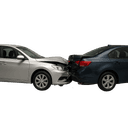
Collision Coverage
Pays for damage to your vehicle in an accident

Comprehensive Coverage
Covers theft, vandalism, weather, and animal damage

Medical Payments
Covers medical costs for your drivers and passengers

Uninsured Motorist
Protection when the other driver lacks insurance
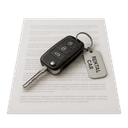
Hired & Non-Owned Auto
Covers rented or employee-owned vehicles used for work
Commercial Auto Insurance Cost in Charleston
Average Cost in South Carolina
$140 - $410
per month
Businesses in South Carolina typically see commercial auto insurance premiums of $140 - $410 per month, which tends to run close to the national range of $140 - $410 per month.
- Fleet size and vehicle types
- Driver records and experience
- Coverage limits and deductibles
- Business industry and use
- Annual mileage and operating radius
- Claims history
Rates based on small business averages. Your actual premium may vary.
Prices shown are general estimates, not guaranteed rates or quotes. Your actual premium will depend on the insurer, coverage selected, business details, location, claims history, and other underwriting factors. Learn about our pricing methodology.
Your premium depends on how insurers rate your fleet size, vehicle type, driver records, coverage limits, deductibles, business use, annual mileage, operating radius, and claims history. A single company car used for local service in Columbia may sit near the lower end, while a commercial truck or multi-vehicle fleet running longer routes can move higher. Because the premium index sits at 102, you can expect statewide pricing within a few percent of the national average, but elevated hurricane risk, a high overall crime index, and an above-average fatal crash rate can influence underwriting. The high crime index means comprehensive claims for theft and vandalism are more likely, so weigh that deductible carefully. The above-average fatal crash rate means liability claims tend to be more severe, which is a reason to buy higher liability limits rather than defaulting to the state minimum. Claim severity is another reason limits and deductibles matter: a lower deductible may reduce your out-of-pocket repair share but can raise premium, while higher deductibles may lower monthly cost but increase what you pay after a loss. Because small businesses make up the vast majority of employers in the state, many policies are built around modest fleets, though delivery, construction, and other higher-mileage uses tend to price differently than office-based vehicle use.
Industries & Insurance Needs in Charleston
Charleston County's business mix changes how many local buyers should think about vehicle use. The county has 15,484 business establishments, and the largest establishment shares are professional, scientific, and technical services at 14.2%, retail trade at 13.6%, and accommodation and food services at 10.1%. So a large share of local commercial auto demand comes from businesses that may not look transportation-heavy at first glance. A consultant driving to client sites, a retailer making local deliveries, or a hospitality group moving supplies between locations can all create business-use exposure even with a small vehicle count. If that sounds like your operation, review whether your policy is written for occasional errands, regular client travel, delivery activity, or multi-location use. The right question is not just how many vehicles you own, but how often work use changes the way they are driven.
What Makes Charleston Different
Compact commercial areas, shared parking, customer-facing stops, and short trips create frequent touchpoints during the workday. Many local businesses do not run large fleets, but they do run vehicles through exactly this kind of density. That pattern can make a single sedan or van more operationally important than its size suggests. A vehicle that carries staff, tools, samples, food, or last-minute orders can become the link between revenue and service quality. Your review should focus less on the label on the vehicle and more on the actual duty cycle. Pay attention to who drives it, where it is parked, how often it loads curbside, and whether employees ever use their own cars for work. If your current policy was set up when the business had one location, fewer drivers, or lighter delivery activity, those assumptions probably no longer hold.
Our Recommendation for Charleston
Start with the vehicle schedule and make it operational. List each unit by where it is usually parked, who typically drives it, whether it carries tools, inventory, or food, and whether it crosses between multiple business locations in a normal week. Then review any gray areas like employee errands in personal cars, short-term rentals during peak periods, and vehicles shared by several staff members. If your business depends on showing up on time, ask how downtime after a claim would affect service and whether your current coverage structure fits that exposure. A buyer here usually gets more value from clarifying use, drivers, and parking patterns than from chasing a bare minimum quote. Compare your current declarations page against today's routes and responsibilities, then request a free, no-obligation quote built around those details.
Get Commercial Auto Insurance in Charleston
Enter your ZIP code to compare commercial auto insurance rates from carriers in Charleston, SC.
Business insurance starting at $25/mo
FAQ
Frequently Asked Questions
Many local firms rely heavily on a single car, van, or pickup for client visits, deliveries, or supply runs. If that vehicle is tied to revenue, a commercial policy may be the better fit because personal coverage may not respond to business use.
The county has 15,484 business establishments. That many firms means plenty use vehicles for work without calling themselves transportation businesses, and a growth spurt is a good reason to revisit your policy before renewal.
The largest establishment share here is professional, scientific, and technical services at 14.2%. Nearly one in seven local businesses falls into that category, which means client travel is a routine exposure rather than an occasional one. Staff who drive company or personal vehicles for meetings should have both owned and non-owned auto exposure reviewed.
Retail trade accounts for 13.6% of establishments and accommodation and food services another 10.1%. Together those sectors represent roughly a quarter of the local business base, and delivery, catering, and supply runs are daily operations for many of them. Loading patterns, driver assignments, and downtime exposure deserve careful attention in those industries.
Bring a current vehicle list, driver information, parking locations, and typical routes to the conversation. A strong quote should account for how delays after an accident affect customer commitments, not just the cost of repairs.
A policy may include liability, collision, comprehensive, medical payments, and uninsured motorist protection for business-use vehicles. Hired or non-owned vehicles may also be covered if the right endorsements are added.
Your actual cost varies by vehicle type, driver history, mileage, coverage limits, and whether you operate a single car or a multi-vehicle fleet.
Any business that uses vehicles for work should review it, including companies with one company car, delivery vans, service trucks, or multiple vehicles in a fleet.
Sources
- 1.U.S. Census Bureau, ACS 5-Year Estimates, table B19013(Charleston's median household income is $90,038, so many businesses serve customers who expect reliable arrival windows, professional vehicles, and quick recovery after an accident.)
- 2.U.S. Census Bureau, County Business Patterns, Charleston County(The county has 15,484 business establishments, and the largest establishment shares are professional, scientific, and technical services at 14.2%, retail trade at 13.6%, and accommodation and food services at 10.1%.)
Updated July 16, 2026