








































Updated July 5, 2026

Commercial Truck Insurance in Charleston
The decision usually lands when a downtown delivery contract is signed, a new box truck is added for restaurant supply runs, or a contractor starts taking more jobs across the peninsula and outer suburbs. At that point, commercial truck insurance in Charleston stops being a generic line item and becomes an operating review. You need the policy to match where your drivers actually park, how often they cross busy retail corridors, whether they haul tools, food, or mixed goods, and how quickly a minor crash could interrupt scheduled stops. Charleston County supports 15,484 business establishments, so many local fleets are serving other businesses that expect certificates, contract-ready limits, and clean documentation before work begins. That matters if you deliver to hotels, retailers, offices, or job sites that will not wait while coverage details are sorted out. A useful quote here starts with your real radius, unit types, driver roster, cargo or equipment values, and any hired or non-owned auto exposure. Bring your current declarations page, loss runs if you have them, and a list of every vehicle use before you compare options.
Commercial Truck Insurance Risk Factors in Charleston
Local traffic pattern is the practical issue. Here, a truck may spend the morning making tight downtown stops, then shift to longer suburban runs, then return to a shared parking area at night. That mix changes how you should review liability limits, physical damage deductibles, and any towing or rental reimbursement options, because **downtime can cost more than the repair itself** when routes are packed into narrow delivery windows. South Carolina's broader storm exposure is already a state issue, but the local question is operational: where units are stored, whether flood-prone parking is part of the routine, and how quickly you can move vehicles before severe weather. If your business relies on refrigerated loads, contractor equipment, or scheduled hospitality deliveries, ask for a quote built around storage location, after-hours garaging, and seasonal surge periods rather than a simple vehicle count.
South Carolina has a high climate risk rating. Top hazards: Hurricane (Very High), Flooding (High), Severe Storm (High), Tornado (Moderate). The state's expected annual loss from natural hazards is $1.4B, which influences commercial truck insurance premiums and may affect coverage availability in high-risk areas.
What Commercial Truck Insurance Covers
Your policy is built around how your trucks are used, what freight you move, and whether you run under a motor carrier authority or as an owner-operator. The core layer is motor carrier liability coverage, which can help address third-party injury and property claims tied to trucking operations. South Carolina's commercial auto minimums sit at $25,000/$50,000/$25,000, but trucking operations often compare limits above that level because federal freight rules and shipper requirements can be higher depending on the load. Your policy can also include physical damage coverage, which may help with collision-related damage to the tractor, trailer, or other covered unit, subject to your deductible and policy terms.
Cargo insurance is usually written as a separate section inside the trucking policy and is designed for freight theft, damage, or loss in transit, with terms that vary by commodity. Trailer interchange coverage matters if you pull trailers under agreement, while bobtail coverage and non-trucking liability are typically considered by owner-operators when the truck is being used outside dispatch. Because a dump truck, refrigerated unit, flatbed, and long-haul tractor each call for a different mix of coverages, deductibles, and endorsements, the South Carolina Department of Insurance requires that policy forms be reviewed carefully before binding. The policy language, endorsements, and deductible choices can change what is covered, so your insurance should be reviewed against your actual routes, freight type, and contract obligations rather than a generic national template.
Coverage Included

Motor Carrier Liability
Can help cover injuries and property damage your truck causes to others, a coverage federal regulators require most for-hire carriers to maintain.

Physical Damage
Can help pay to repair or replace your own truck after an accident, fire, theft, or vandalism.
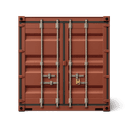
Cargo Coverage
May pay for damage to or theft of the freight you are hauling while it is in your care.
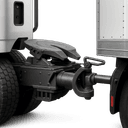
Trailer Interchange
Can help cover damage to trailers you haul under an interchange agreement but do not own.

Bobtail Coverage
May provide liability protection when you drive your tractor without a trailer attached, such as after dropping off a load.

Non-Trucking Liability
Can help cover accidents that happen when you use your truck for personal errands rather than dispatched work.
Commercial Truck Insurance Cost in Charleston
Average Cost in South Carolina
$470 - $1,300
per month
Businesses in South Carolina typically see commercial truck insurance premiums of $470 - $1,300 per month, which tends to run 16% above the national range of $400 - $1,125 per month.
- Radius of operation
- Commodities hauled and cargo value
- Number and value of power units
- Driver motor vehicle records and CDL experience
- DOT safety record, inspections, and FMCSA scores
- Liability limits and physical damage deductibles
Contact CPK Insurance for a personalized quote.
Prices shown are general estimates, not guaranteed rates or quotes. Your actual premium will depend on the insurer, coverage selected, business details, location, claims history, and other underwriting factors. Learn about our pricing methodology.
Pricing is shaped by the truck, the route, and the risk profile of the business. South Carolina's premium index is 102, which suggests pricing is close to the national average, but that does not mean every account is priced the same. Hurricane exposure is a major local factor because the state's overall climate risk is rated high, with very high hurricane risk and high flooding and severe storm risk. Those conditions can affect physical damage and cargo coverage, especially for fleets that stage equipment near coastal or low-lying routes.
Claims history, location, coverage limits, deductibles, and policy endorsements all influence the quote. South Carolina's fatal crash rate of 2.05 per mile driven is roughly 54% higher than the national average of 1.33, which means carriers see more severe crashes here and often apply stricter underwriting and higher liability premiums for long-haul and regional trucking. For many operators, the price question is less about a single number and more about how the policy is built around freight, territory, and whether you need liability plus physical damage and cargo protection.
Industries & Insurance Needs in Charleston
Charleston County's business mix changes what many trucks here are actually doing. The county's largest establishment shares are professional, scientific, and technical services at 14.2%, retail trade at 13.6%, and accommodation and food services at 10.1%, so a lot of local commercial vehicles support frequent service calls, retail replenishment, and hospitality deliveries rather than only long-haul freight. That affects the insurance conversation because stop frequency, loading habits, driver turnover, and time-sensitive schedules can matter as much as mileage. A van or straight truck making repeated retail or hotel stops may need a different review than a contractor's pickup carrying tools between jobs. If your accounts are concentrated in stores, restaurants, hotels, or office clients, ask the quote to reflect the actual use class, attached equipment, and whether employees ever use personal vehicles for business errands.
What Makes Charleston Different
Density of business-to-business service work is what changes the calculus here. In many markets, truck coverage is mainly about distance and vehicle type. Around Charleston, the bigger issue is often how many stops your drivers make for other local businesses, how often they enter customer premises, and how quickly a missed delivery turns into a contract problem. Charleston's median household income is $90,038, which often supports a service economy where customers expect tighter delivery windows, cleaner vehicles, and faster recovery after an accident. That does not set your premium by itself, but it does raise the cost of downtime, missed appointments, and substitute transportation. If your truck is part of a premium service promise, review hired auto, non-owned auto, rental reimbursement, and cargo or equipment values with the same care you give liability limits. The right question is not only what the truck is worth, but what one disabled unit does to your schedule for the week.
Our Recommendation for Charleston
Start with dispatch reality, not the vehicle schedule. List every regular route type, including downtown drops, hotel or restaurant supply runs, contractor job-site visits, and any employee errands in personal vehicles. Then separate exposures by unit: pickups with tools, vans with inventory, and heavier trucks with specialized bodies should not be reviewed as if they do the same work. If a customer contract requires higher limits or additional insured wording, bring that paperwork into the quote process early so you can see whether the policy form fits before a job starts. For fleets that park in more than one place, confirm each garaging location and who takes vehicles home. If you operate seasonally or add temporary drivers during busy periods, ask how that changes underwriting review. If you already carry coverage, compare endorsements line by line, especially physical damage deductibles, towing, rental reimbursement, and any exclusions tied to cargo, tools, or unattended vehicles.
Get Commercial Truck Insurance in Charleston
Enter your ZIP code to compare commercial truck insurance rates from carriers in Charleston, SC.
Business insurance starting at $25/mo
FAQ
Frequently Asked Questions
Charleston fleets should lead with vehicle types, garaging locations, driver list, delivery radius, and what each unit carries. If you make frequent downtown or hospitality-related stops, say that up front so the quote reflects actual use instead of a generic classification.
Charleston County has 15,484 business establishments, so many trucks here serve other businesses that require certificates and dependable scheduling. That makes downtime, missed deliveries, and contract compliance worth reviewing alongside liability and physical damage.
Charleston hospitality deliveries can change the review because they often involve repeated stops, narrow delivery windows, and goods that lose value quickly if a truck is disabled. Ask about cargo, rental reimbursement, towing, and deductibles that fit that schedule pressure.
Charleston contractor vehicles usually should not be reviewed the same way if one unit carries tools, another hauls materials, and another is used for estimates or errands. Separate use, attached equipment, and driver patterns often produce a more accurate quote.
Charleston's median household income is $90,038, which can support customers who expect tighter service windows and faster recovery after an accident. That makes downtime planning, substitute transportation, and hired or non-owned auto worth a closer look.
It can be built to include motor carrier liability, physical damage, cargo coverage, trailer interchange, bobtail coverage, and non-trucking liability. The right mix depends on how your trucks are used, what freight you move, and whether you operate under your own authority or a carrier's.
South Carolina lists commercial auto minimums at $25,000/$50,000/$25,000, but your trucking business may need higher limits based on freight contracts, federal rules, or the type of cargo you haul.
Pricing depends on your coverage limits, deductibles, claims history, location, endorsements, and the kind of trucking you do. A personalized quote can give you a clearer number.
Sources
- 1.U.S. Census Bureau, County Business Patterns, Charleston County(Charleston County supports 15,484 business establishments, so many local fleets are serving other businesses that expect certificates, contract-ready limits, and clean documentation before work begins.; The county's largest establishment shares are professional, scientific, and technical services at 14.2%, retail trade at 13.6%, and accommodation and food services at 10.1%, so a lot of local commercial vehicles support frequent service calls, retail replenishment, and hospitality deliveries rather than only long-haul freight.)
- 2.U.S. Census Bureau, ACS 5-Year Estimates, table B19013(Charleston's median household income is $90,038, which often supports a service economy where customers expect tighter delivery windows, cleaner vehicles, and faster recovery after an accident.)
Updated July 5, 2026





