Updated July 16, 2026

On-Hook Towing Insurance in Charleston
Charleston County supports 15,484 business establishments. For a tow operator, that means more gatekeepers who want clean certificates, clear limits, and fast documentation before a vehicle release moves forward. That density also means more shops, fleets, restaurants, and service firms competing to get disabled or improperly parked vehicles moved without added damage or delay. The practical question is whether your quote matches the vehicles and handoffs you actually handle across a busy local service area, from retail lots and hospitality properties to office tenants and contractor accounts. Professional, scientific, and technical services make up 14.2% of establishments, retail trade 13.6%, and accommodation and food services 10.1%. In practical terms, your week could involve towing from parking decks, storefront lots, hotel drives, and time-sensitive customer locations without much warning.
On-Hook Towing Insurance Risk Factors in Charleston
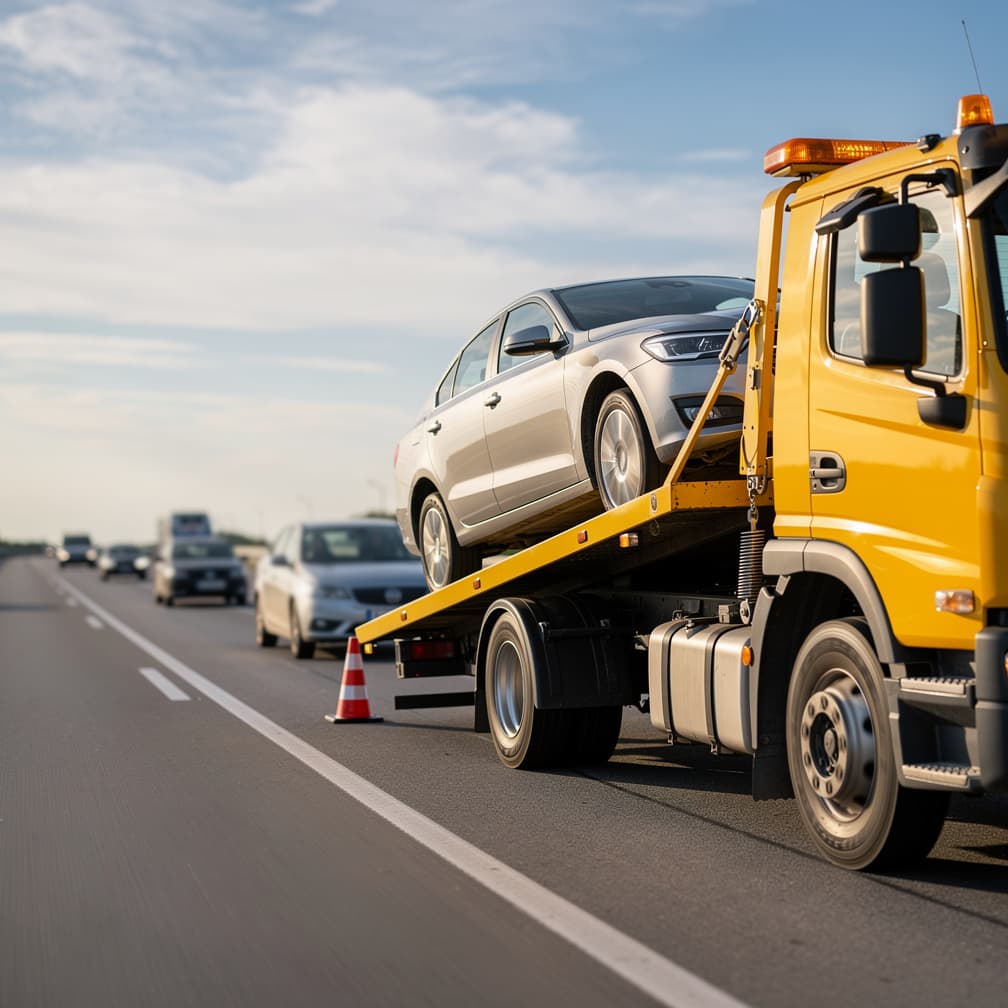
Local towing risk is shaped less by one road type than by the **handoff environment**. A hotel porte cochere, a retail center with tight turning space, and an office parking deck each create different chances for mirror strikes, undercarriage contact, loading-angle problems, or damage allegations after the vehicle is dropped. That matters because on-hook claims often turn on exactly when your **care, custody, and control** began, where the vehicle was picked up, and how it was moved through confined property. In a market serving higher-value households, that review gets more important. Charleston's median household income is $90,038, so you may see more late-model vehicles where even minor cosmetic or suspension damage can become an expensive dispute. Ask your agent to review the vehicle types you tow most often, whether you do private-property impounds, and how your policy responds during hookup, transport, and unloading.
South Carolina has a high climate risk rating. Top hazards: Hurricane (Very High), Flooding (High), Severe Storm (High), Tornado (Moderate). The state's expected annual loss from natural hazards is $1.4B, which influences on-hook towing insurance premiums and may affect coverage availability in high-risk areas.
What On-Hook Towing Insurance Covers
Coverage disputes usually start at the handoff points, so the most useful review begins there. You want the policy language and quote assumptions checked against how your drivers document a vehicle before hookup, how they note pre-existing damage, when they use wheel-lift versus flatbed equipment, and whether they regularly handle disabled vehicles after heavy rain or wind events.
If your routes include coastal counties, inland flood-prone roads, or storm cleanup calls, ask whether your policy can help cover vehicles exposed during loading delays, roadside positioning, or transport after a weather event. The goal is to understand where your policy terms, exclusions, deductibles, and limits may leave you carrying part of the loss yourself.
You should also review whether your operation creates different exposures by job type. Private property impounds, accident recovery, dealer transport, and municipal rotation work can each produce different documentation needs and different customer expectations about vehicle condition. If one truck handles routine tows and another takes more difficult recoveries, separate that in the submission.
Coverage Included

Collision on Hook
Covers damage to towed vehicles from collisions during transport.

Comprehensive on Hook
Covers theft, fire, and weather damage to vehicles being towed.
Loading & Unloading
Covers damage during the process of loading and unloading vehicles.
Winching Coverage
Covers damage to vehicles during winching and recovery operations.
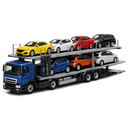
Multiple Vehicle
Covers all vehicles on multi-car carriers and rollback flatbeds.
What Makes Charleston Different
Property-management towing is the local difference that changes the buying calculus here. A meaningful share of your work can come from businesses that need vehicles removed from private property with constant turnover. That creates a different exposure than mostly roadside recovery. You are more likely to face tight access points, hurried authorizations, disputed condition reports, and allegations that damage happened during hookup or while maneuvering on private property. Professional services, retail, and accommodation and food services together represent a large share of locations where parking control and quick vehicle movement matter operationally. If that sounds like your book of business, look past the premium alone. Review whether your limits, deductibles, and claims handling fit frequent short-distance tows, after-hours dispatches, and repeated work for property managers who expect documentation to be ready the same day.
Our Recommendation for Charleston
Begin with your actual dispatch patterns rather than a generic tow profile. If a large share of your calls come from retail centers, hotels, apartments, or office properties, ask for the quote to reflect private-property towing frequency, average vehicle values, and whether your drivers regularly load in confined spaces. Then review how you document pre-tow condition. Photos, timestamped authorizations, and consistent drop procedures can matter as much as the policy language when a customer disputes a scratch, wheel issue, or bumper damage. If you also handle roadside calls, separate those exposures in the conversation so the insurer understands the mix instead of assuming one dominant operation. More clients may expect proof of coverage before they send work your way, so make sure your certificate process is ready. Before you bind, ask for a plain-language walkthrough of when on-hook protection starts, when it ends, and which parts of your operation need a closer look.
Get On-Hook Towing Insurance in Charleston
Enter your ZIP code to compare on-hook towing insurance rates from carriers in Charleston, SC.
Business insurance starting at $25/mo
FAQ
Frequently Asked Questions
Tow operators in this area often move vehicles from hotels, retail lots, and office properties, where tight access and disputed vehicle condition can drive claims. Review how your policy responds during hookup, movement on private property, transport, and unloading.
The county has a large business base, and a bigger share of tow work tends to come from commercial properties that expect fast certificates and clear documentation. That makes it smart to compare quotes based on your client mix, not just your truck list.
The area has a median household income of **$90,038**, meaning your tow mix may include more newer or higher-value vehicles. Ask for limits and deductibles that make sense if a minor loading or unloading issue turns into a larger damage claim.
The county's leading sectors include professional, scientific, and technical services at 14.2%, retail trade at 13.6%, and accommodation and food services at 10.1%. Those sectors generate recurring work around offices, stores, and hospitality properties where parking-related towing exposure is part of the routine.
Local towing can still create on-hook exposure if a customer's vehicle is damaged while attached, loaded, carried, or unloaded by your truck. Even short routes may be quoted around your actual vehicle types, towing methods, and documentation process.
Coastal towing can change the risk profile because weather and road conditions may complicate loading, transport, and unloading. When you request quotes, describe storm response work, wet-condition calls, and any higher-value vehicles you accept near the coast.
Insurance oversight runs through the South Carolina Department of Insurance, which oversees policy forms, consumer complaints, and licensing. If you are comparing forms, notices, or complaint procedures, keep copies of quotes and policy wording so you can review the exact terms before binding.
You should compare quotes using the same truck list, service mix, territory, requested limit, and deductible. That keeps the comparison honest and helps you spot whether a lower premium comes from narrower assumptions rather than better value.
Sources
- 1.U.S. Census Bureau, County Business Patterns, Charleston County(Charleston County supports 15,484 business establishments, so a tow operator here runs into more gatekeepers who want clean certificates, clear limits, and fast documentation before a vehicle release, vendor pickup, or property access moves forward.; County business mix matters here too: professional, scientific, and technical services make up 14.2% of establishments, retail trade 13.6%, and accommodation and food services 10.1%, so you may be towing from parking decks, storefront lots, hotel drives, and time-sensitive customer locations in the same week.)
- 2.U.S. Census Bureau, ACS 5-Year Estimates, table B19013(Charleston's median household income is $90,038, so you may see more late-model vehicles where even minor cosmetic or suspension damage can become an expensive dispute.)
Updated July 16, 2026