Updated July 16, 2026

Dealer Open Lot Insurance in Columbia
Richland County has 9,402 business establishments, meaning neighboring landlords and lenders are accustomed to dealing with organized operations and may ask for proof of coverage quickly. Your exposure is not just the vehicles themselves but how visibly and consistently you manage stock, keys, lot layout, overflow parking, and movement between sale-ready units and service or detail areas. If your inventory turns across more than one parking area, or if units spend time off the front line before reconditioning is complete, your quote request should spell that out clearly. List your current inventory count, each local storage address, and a brief note on how vehicles move on and off the lot during a normal week.
Dealer Open Lot Insurance Risk Factors in Columbia
Columbia's top risk factors include Flooding, Hurricane damage, Coastal storm surge, and Wind damage.
South Carolina has a high climate risk rating. Top hazards: Hurricane (Very High), Flooding (High), Severe Storm (High), Tornado (Moderate). The state's expected annual loss from natural hazards is $1.4B, which influences dealer open lot insurance premiums and may affect coverage availability in high-risk areas.
What Dealer Open Lot Insurance Covers
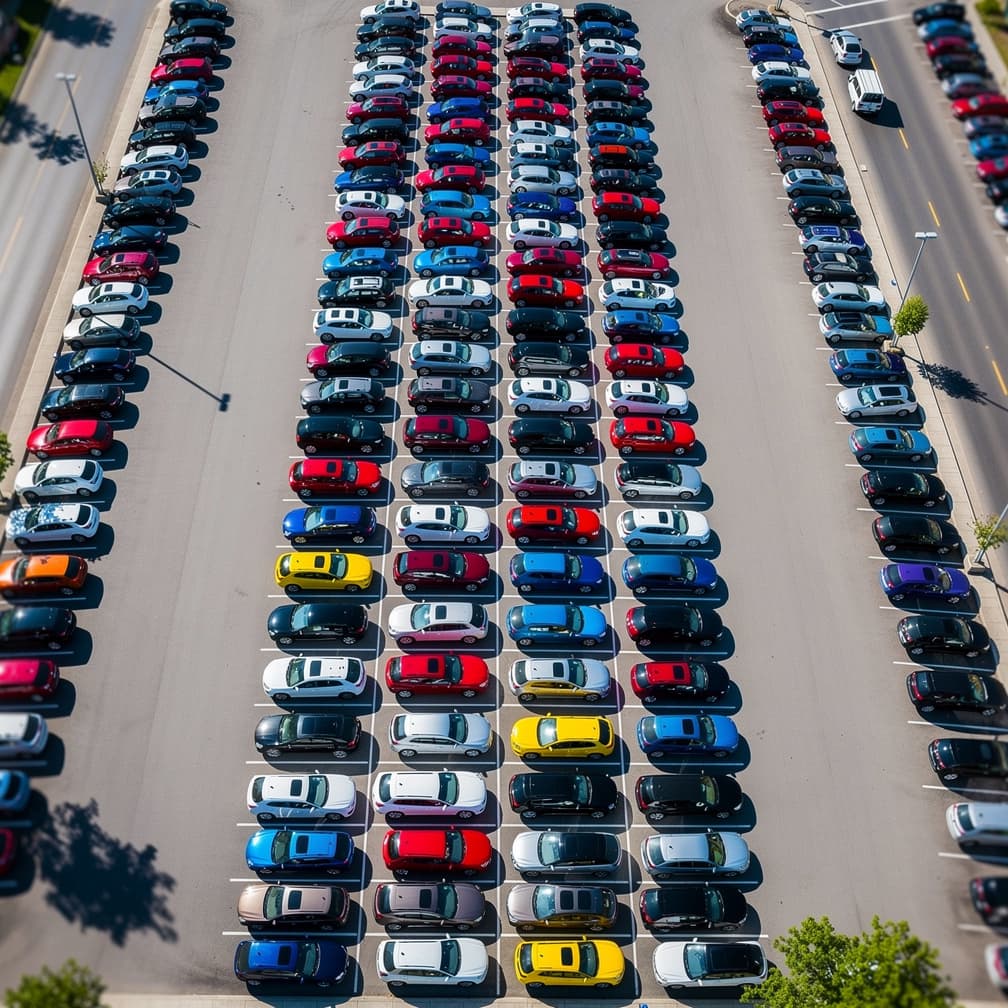
South Carolina lot exposure often turns on where inventory sits during ordinary operations, not just on the main display line. A useful policy review looks closely at vehicles parked on gravel overflow areas, units staged behind the building for reconditioning, and inventory temporarily kept at a secondary storage address. Those details matter because a claim can hinge on whether the location, use, and handling of the vehicles match what the underwriter expected.
You should also review how the policy treats inventory during routine dealership movement. That includes vehicles being repositioned around the lot, moved between nearby storage areas, or handled during service, detailing, and sale preparation. If your operation uses multiple addresses, ask whether each site is scheduled correctly and whether any sublimits or conditions apply away from the primary lot.
Ask how the form responds to wind, hail, falling objects, water-related damage, theft after a storm, and vandalism during a temporary closure. If you keep higher-value units in exposed rows, request a conversation about valuation, reporting, and any protective safeguards the carrier expects.
Compare quotes line by line, then ask your agent to explain any exclusions, location limitations, and claim reporting duties before binding coverage.
Coverage Included

Weather Damage
Covers hail, wind, flood, and storm damage to lot inventory.
Theft Protection
Covers vehicles stolen from your lot.
Fire Damage
Covers fire and explosion damage to inventory vehicles.

Vandalism
Covers intentional damage to vehicles on your lot.
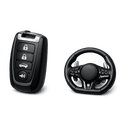
Test Drive Coverage
Covers vehicles during customer and employee test drives.
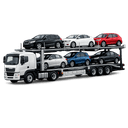
Transit Coverage
Covers vehicles being moved between lot locations.
What Makes Columbia Different
In a county where professional, scientific, and technical services and retail trade each account for 13.1% of establishments, and health care and social assistance adds another 11.9%, commercial property is used hard and parking arrangements are often tighter, shared, or more formalized. That density puts pressure on every square foot of lot space you control. If you use a secondary parking area behind another business, keep sale units near a retail corridor, or rotate vehicles between display, detail, and service staging, your application should describe each setup the way it actually operates. Describing your real storage pattern, not just the main sales lot, gives the quote a more accurate foundation.
Our Recommendation for Columbia
Build your quote around lot discipline, not just vehicle count. Start by separating display inventory, recently acquired units, and vehicles waiting on recon, then match each group to the address where it is actually parked overnight. If you use any overflow arrangement, note whether the space is fenced, shared, leased, or only used during heavier buying periods. Columbia buyers also tend to shop payment first, and the local median household income is $55,653, which means slower-moving units can sit outside longer while you work financing or price adjustments. Review whether your reported peak inventory values still match reality, especially after auctions, trade-in spikes, or seasonal stocking changes. When you request a quote, include your current maximum lot values, each storage location, and a brief note on how long vehicles typically remain outdoors before sale or transfer.
Get Dealer Open Lot Insurance in Columbia
Enter your ZIP code to compare dealer open lot insurance rates from carriers in Columbia, SC.
Business insurance starting at $25/mo
FAQ
Frequently Asked Questions
Yes. If vehicles move between the front lot, a back parcel, or a shared parking arrangement, that operating pattern can affect how the policy is reviewed and written. Disclose every local storage address and overflow area you actually use.
It can. With 9,402 business establishments in the county, underwriters and property owners often expect tighter documentation around where inventory is stored. A cleaner application usually includes each lot address, who controls it, and how vehicles move between locations.
Include the overflow address, how often it is used, whether spaces are shared or leased, and what type of inventory is parked there. Describing your real storage pattern, not just the main sales lot, gives the quote a more accurate foundation.
Richland County's leading sectors include professional, scientific, and technical services at 13.1%, retail trade at 13.1%, and health care and social assistance at 11.9%. That mix means commercial parking is contested, so location details carry more weight in the application.
Review values whenever auction buying increases, trade-ins stack up, or recon delays keep more units outside overnight. Match reported peak inventory and storage locations to how the lot is operating right now.
Yes. List every place inventory is stored or staged, including overflow and temporary holding areas. Undisclosed locations are where claim disputes often start, because the carrier may question whether the loss happened at an address they actually agreed to cover.
State weather can turn one event into damage across multiple units, so carriers usually care about lot layout, drainage, wind exposure, and how quickly inventory can be moved. Ask specifically how your policy handles storm-related loss scenarios at each scheduled location.
Insurance oversight runs through the state insurance department. That matters when you review policy forms, complaint options, and market conduct questions, so keep that in mind if you need to escalate an unresolved coverage or claims concern.
Sources
- 1.U.S. Census Bureau, County Business Patterns, Richland County(Richland County has 9,402 business establishments.; In Richland County, professional, scientific, and technical services and retail trade each account for 13.1% of establishments, and health care and social assistance accounts for 11.9%.)
- 2.U.S. Census Bureau, ACS 5-Year Estimates, table B19013(Columbia median household income is $55,653.)
Updated July 16, 2026