







































Updated July 16, 2026

Builders Risk Insurance in North Charleston
Professional, scientific, and technical services lead the local business mix at 14.2%, ahead of retail and food services. That mix means many local projects are tenant improvements, office buildouts, restaurant work, and mixed-use renovations with multiple decision-makers and tighter handoff points. You are often protecting lumber, drywall, and installed equipment while also keeping a lender, landlord, owner, and contractor aligned on who insures what during the build, where materials sit before installation, and when responsibility shifts as phases finish. Job sites here tend to sit close to active commercial corridors and occupied properties, so delays can ripple into lease dates, opening schedules, and subcontractor sequencing. Before you request terms, gather the construction contract, project budget, draw schedule, and any lease work letter so the review reflects your actual scope instead of a generic ground-up form.
Builders Risk Insurance Risk Factors in North Charleston
North Charleston's top risk factors include Flooding, Hurricane damage, Coastal storm surge, and Wind damage.
South Carolina has a high climate risk rating. Top hazards: Hurricane (Very High), Flooding (High), Severe Storm (High), Tornado (Moderate). The state's expected annual loss from natural hazards is $1.4B, which influences builders risk insurance premiums and may affect coverage availability in high-risk areas.
What Builders Risk Insurance Covers
Projects here often need a closer look at where property sits before installation and how it moves through the job. A coastal custom home, an inland retail build, and a renovation in a humid corridor do not present the same exposure if materials are delivered early, stored off site, or staged in partially enclosed areas. If the project depends on long-lead items, imported finishes, custom millwork, mechanical equipment, or owner-supplied materials, ask for those categories to be reviewed specifically instead of assuming they fit cleanly inside a broad description.
You should also match the policy to the actual construction path. A ground-up project may need different attention than a major renovation where existing portions of the structure remain in use. If the site has temporary fencing, scaffolding, construction forms, or borrowed equipment that creates a bottleneck after a loss, ask what property is included and what is not. The same applies to debris removal, pollutant cleanup concerns after damage, and temporary protection measures used to keep water out while the building envelope is incomplete.
If the owner, general contractor, and lender all have a stake in the work, confirm how each party should be shown and whether the policy form aligns with the agreement. Buyers should also review whether delay-related expenses deserve attention, especially when a missed completion date affects financing, lease-up, or a planned opening. The practical move is to build a coverage checklist from the schedule of values, procurement list, and contract exhibits, then compare that checklist to the quote line by line.
Coverage Included

Structure Coverage
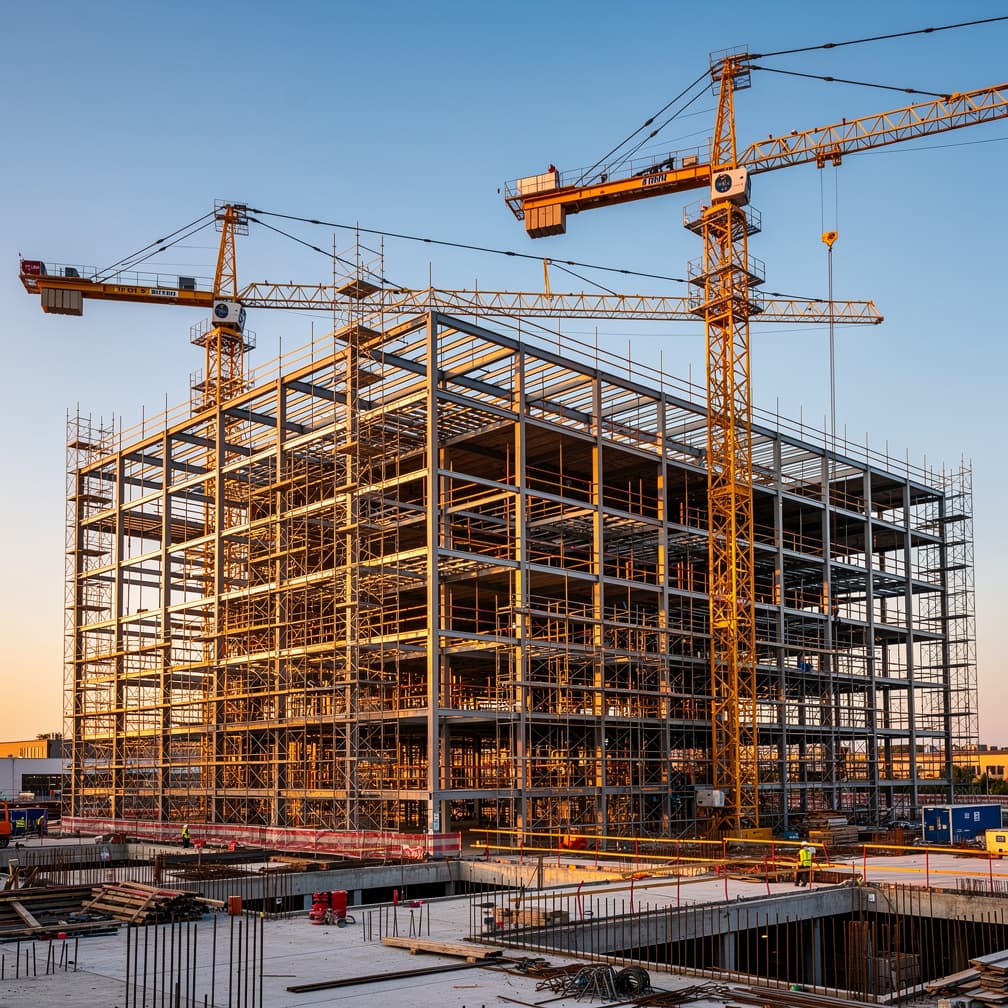
Covers the building or structure under construction.
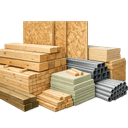
Materials on Site
Covers building materials stored at the construction site.

Materials in Transit
Covers materials being transported to the job site.
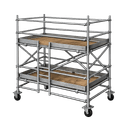
Temporary Structures
Covers scaffolding, fencing, and temporary buildings.

Soft Costs
Covers additional expenses from construction delays due to covered losses.

Equipment Coverage
Covers permanently installed fixtures and equipment.
What Makes North Charleston Different
Tenant improvement and buildout work is what shifts the calculus in North Charleston. In a market shaped by professional services offices, retail storefronts, and hospitality spaces, the exposure is often less about a stand-alone structure on an empty lot and more about a project inside or beside an operating property. That means your policy review should focus on phasing, partial occupancy, existing structure interfaces, and whether materials are delivered just before installation or staged elsewhere first. Charleston County has 15,484 business establishments, which translates to roughly one business for every 23 residents, meaning your project likely shares a site, wall, or parking lot with an active operation. If your job includes interior finish packages, mechanical replacements, or a fast opening deadline, ask for terms that fit your actual scope rather than a generic new-build form.
Our Recommendation for North Charleston
When you are ready to request quotes, make sure the insured party, project address, total completed value, and scope are broken out clearly so the policy matches your real exposure. If the job ties to a lease, review the work letter and delivery conditions so you can confirm whether tenant improvements, owner-furnished items, and temporary stored materials are addressed the way the parties expect. North Charleston's median home value is $267,700, and a major renovation here can easily reach six figures in materials and labor. Ask specifically about existing structure treatment, soft cost options if a delay would affect financing or opening dates, and how the policy handles change orders that increase completed value mid-project. Then compare terms side by side before binding.
Get Builders Risk Insurance in North Charleston
Enter your ZIP code to compare builders risk insurance rates from carriers in North Charleston, SC.
Business insurance starting at $25/mo
FAQ
Frequently Asked Questions
Restaurant and retail projects should start with the lease, construction contract, and scope of work. With retail and hospitality making up roughly a quarter of the county's business base, buildouts here routinely involve landlords, tenants, and opening-date pressure that demand clear terms before construction begins.
Renovation work gets reviewed differently because you are often working around an existing structure that is partially occupied, which creates phasing and liability questions a ground-up form does not address. If your project is an upfit or interior rebuild, ask whether the form matches renovation conditions instead of assuming a standard new-construction setup fits your actual scope.
Charleston County has a large business base, so many local jobs sit near active businesses, shared parking, and occupied buildings. That makes it important to confirm who is insured, how project value is calculated, and when coverage ends as portions of the work are completed and handed over.
Residential projects deserve a review whenever the value under construction would be painful to absorb out of pocket. **With a local median home value of $267,700**, a kitchen-and-bath remodel or addition can still involve six figures of materials and labor that most owners cannot self-fund if a loss occurs.
Follow the contract chain. Name every party with a financial stake in the work, whether that is the owner, general contractor, or tenant, so there is less confusion if damage interrupts the job before completion and parties disagree on recovery.
The responsibility usually sits in the construction contract or loan documents, and the buyer is often the party carrying the financial risk if covered property is damaged. Review the agreement early, before permits, deliveries, and draw schedules make changes harder.
Jobs here can involve early delivery and staged storage, especially for custom or long-lead items, so off-site materials should be reviewed specifically in the quote request because storage location and property description can affect how the policy responds.
Renovations are worth reviewing carefully because losses can blur the line between new work and the existing structure, so put that distinction in writing to keep the insured project scope clear if damage happens mid-job.
Sources
- 1.U.S. Census Bureau, County Business Patterns, Charleston County(Professional, scientific, and technical services lead Charleston County's establishment mix at 14.2%, ahead of retail trade at 13.6% and accommodation and food services at 10.1%.; Charleston County has 15,484 business establishments.)
- 2.U.S. Census Bureau, ACS 5-Year Estimates, table B25077(North Charleston's median home value is $267,700.)
Updated July 16, 2026





