Updated July 16, 2026

Business Owners Policy Insurance in South Dakota
A business owners policy bundles property, liability, and income protection into one package, which can be a practical starting point if you want to avoid building every policy from scratch. That matters in a state where 28,600 business establishments operate, and nearly all of them are small operations competing for the same local dollars. Severe storm and hail risk are rated very high, and roughly 220 companies are actively competing for accounts, which can work in your favor when negotiating price and endorsements. A BOP can be especially relevant for storefronts, offices, shops, and service businesses that keep equipment or inventory on site. Because South Dakota premiums sit below the national average overall, many owners use the state market to weigh a bundled option against separate commercial property and general liability policies. The right fit still depends on your industry, location, revenue, property value, and the endorsements you choose, so a quote should be built around your actual building, contents, and shutdown exposure rather than a one-size-fits-all package.
What Business Owners Policy Insurance Covers
A South Dakota BOP combines commercial property and general liability into one small business insurance bundle, and it usually adds business income coverage so a covered shutdown can help replace lost revenue and some ongoing expenses. In this state, the Division of Insurance regulates the market, but the exact requirements still vary by carrier, industry, and business size, so the policy form is not identical from one insurer to another. Property protection is aimed at your building, equipment, and inventory, while liability coverage addresses third-party claims tied to your premises or operations. Business income coverage is often important for weather-related closures because storm exposure can interrupt operations even when physical damage is limited. Many carriers also allow equipment breakdown coverage as an endorsement, and some offer hired and non-owned auto coverage if your business uses vehicles you do not own. A BOP does not automatically include every protection a business may want, and endorsements, limits, and exclusions vary, so review the policy carefully before binding.
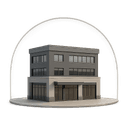
Commercial Property
Can help repair or replace your building, equipment, inventory, and furnishings after covered events like fire, wind, or theft.

General Liability
Can help cover customer injuries, damage to property owned by others, and related legal costs your business becomes responsible for.
Business Income
May replace lost income and help pay rent, payroll, and other continuing expenses while covered damage forces a temporary shutdown.
Equipment Breakdown
Typically covers repair or replacement when equipment like air conditioning, refrigeration, or computers fails from a sudden mechanical or electrical breakdown.
Hired & Non-Owned Auto
May respond when vehicles your business rents or employees' personal cars are used for work and cause an accident.
Business Owners Policy Insurance Requirements in South Dakota
- South Dakota Division of Insurance oversees the market, but BOP forms and endorsements still vary by carrier and business class.
- Workers compensation is required in South Dakota for businesses with at least one employee, and it is separate from a BOP.
- Commercial auto has its own minimums in South Dakota, so any vehicle exposure should be handled outside the BOP unless a carrier endorsement applies.
- Because storm losses are common in the state, business income coverage and property deductibles should be reviewed carefully.
How Much Does Business Owners Policy Insurance Cost in South Dakota?
Average Cost in South Dakota
$45 - $140
per month
Businesses in South Dakota typically see business owners policy insurance premiums of $45 - $140 per month, which tends to run 12% below the national range of $50 - $160 per month.
- Annual revenue and industry class
- Building and contents values
- Square footage and building age
- Catastrophe exposure at your address
- Liability limits and property deductibles
- Claims history
Contact CPK Insurance for a personalized quote.
Your final price depends on coverage limits, deductibles, claims history, location, industry, and endorsements, though the state's below-average premium environment can work in your favor. The typical small business here pays starting at $45 to $140 per month, which means a comparable operation may pay less than the national benchmark. Broader small-business figures show a typical range of $50 to $160 per month and an annual range of about $500 to $2,000, so quotes can move meaningfully depending on the account. South Dakota's premium index is 88, a score where anything below 100 signals lower-than-average rates for comparable coverage. Location matters here because storm and hail risk can raise property and business interruption pricing for businesses in exposed areas. A business in Sioux Falls with updated protection, modest inventory, and lower limits may price differently than a larger operation in Rapid City or a property in a county with repeated storm losses. The best way to interpret your quote is to compare the bundled price against the separate cost of commercial property and general liability, then see how endorsements like equipment breakdown coverage affect the total.
| BOP Component | What's Included | Typical Limits |
|---|---|---|
| General Liability | Third-party injury, property damage, advertising injury | $1M/$2M |
| Commercial Property | Building, equipment, inventory, fixtures | Replacement cost |
| Business Interruption | Lost income + ongoing expenses during shutdown | 12 months coverage |
| Cyber (Endorsement) | Data breach response and liability | $50K to $100K |
| EPLI (Endorsement) | Employment discrimination, harassment claims | $50K to $250K |
| Equipment Breakdown | Mechanical/electrical equipment failure | Varies by equipment value |
General Liability
- What's Included
- Third-party injury, property damage, advertising injury
- Typical Limits
- $1M/$2M
Commercial Property
- What's Included
- Building, equipment, inventory, fixtures
- Typical Limits
- Replacement cost
Business Interruption
- What's Included
- Lost income + ongoing expenses during shutdown
- Typical Limits
- 12 months coverage
Cyber (Endorsement)
- What's Included
- Data breach response and liability
- Typical Limits
- $50K to $100K
EPLI (Endorsement)
- What's Included
- Employment discrimination, harassment claims
- Typical Limits
- $50K to $250K
Equipment Breakdown
- What's Included
- Mechanical/electrical equipment failure
- Typical Limits
- Varies by equipment value
How South Dakota compares with the national baseline
Property crime per 100,000 residents
1,980 vs 2,200 baseline
Property crime in South Dakota runs below the national average, at 1,980 vs 2,200 incidents per 100,000 residents.
Blue bar: South Dakota. Gray line: national baseline.
Prices shown are general estimates, not guaranteed rates or quotes. Your actual premium will depend on the insurer, coverage selected, business details, location, claims history, and other underwriting factors. Learn about our pricing methodology.
Request a Quote Comparison
Enter your ZIP code to compare business owners policy insurance rates from top carriers.
Business insurance starting at $25/mo
Who Needs Business Owners Policy Insurance?
A BOP is designed for small to mid-size businesses, and South Dakota's economy makes that especially relevant for retail, healthcare-related offices, lodging and food service, agriculture-adjacent operations, and finance or insurance firms that keep property and equipment on premises. It can be a fit for a Main Street retailer in Sioux Falls with inventory, a professional office in Pierre with furnishings and computers, a restaurant in Rapid City with kitchen equipment, or a service shop in Brookings that needs business income coverage if a storm forces a temporary closure. Because severe storm and hail exposure is high, owners with physical locations may value property coverage and business interruption protection more than a liability-only policy. It is also useful for businesses that need a simple way to review commercial property and general liability at renewal, especially if they are comparing multiple carriers in a competitive market. Some businesses may not qualify if their risk profile is outside standard eligibility, so owners with larger premises, higher revenue, or more complex operations should ask whether a custom package is needed instead of assuming a standard form will fit.
Business Owners Policy Insurance by City in South Dakota
Business Owners Policy Insurance rates and coverage options can vary across South Dakota. Select your city below for localized information:
How to Buy Business Owners Policy Insurance
Start by gathering the details that affect your quote: your business address, square footage, building ownership status, payroll or revenue range, years in business, claims history, and a list of property, equipment, and inventory you want insured. Because the South Dakota Division of Insurance regulates the market, the quote process should be built around carrier filings and the actual class of business, not a generic national template. South Dakota businesses should compare quotes from multiple carriers, and that matters here because the state has a large field of active insurers and several brands in the market. Ask each carrier whether the proposal includes business income coverage, equipment breakdown coverage, and any property protection details that matter for your location. If your company uses vehicles it does not own, ask whether hired and non-owned auto coverage is available as an endorsement, since it is not automatically part of every BOP. You should also confirm whether the carrier's eligibility rules fit your business size and revenue, because these policies are generally built for small to mid-size businesses and may not suit every operation. Before buying, compare deductibles, limits, and exclusions for storm-related property damage and temporary shutdowns, then request a final quote that reflects your actual premises and operations. Request a quote through CPK Insurance to compare your options with participating licensed providers.
How to Save on Business Owners Policy Insurance
The most practical savings strategy is to compare multiple quotes because South Dakota's market is competitive and the average premium sits below the national benchmark. A bundled policy can be more efficient than buying commercial property and general liability separately, but the quote still needs to be tested against your exact limits and endorsements. You can often lower your cost by choosing only the endorsements you actually need, since add-ons like equipment breakdown or hired and non-owned auto coverage can change the total. Higher deductibles may reduce premium, but only if your business can absorb the out-of-pocket amount after a storm or other covered loss. If your business is in a property-sensitive area, mitigation steps such as roof maintenance, monitored alarms, and documented safety features may support a better underwriting conversation, even though the exact impact varies by carrier. Owners should also ask whether combining a BOP with workers compensation through the same carrier changes the overall account structure. Finally, review your limits annually so you are not paying for more coverage than you need or leaving inventory and equipment underinsured.
Our Recommendation for South Dakota
For most South Dakota small businesses, the smartest first step is to review your property, liability, and business income coverage so you can see what is included and what is optional. Pay close attention to storm exposure, because hail, severe storm, tornado, and winter storm risk can affect both pricing and the amount of property protection you need. If you keep inventory or specialized equipment on site in Sioux Falls, Rapid City, Pierre, or another local market, make sure the limit reflects replacement needs rather than a rough guess. Ask about endorsements before binding, especially equipment breakdown coverage and any auto-related add-ons your operations might need.
FAQ
Frequently Asked Questions
A South Dakota BOP usually bundles commercial property, general liability, and business income coverage, with endorsements sometimes available for equipment breakdown or hired and non-owned auto exposure.
The typical small business here pays starting at $45 to $140 per month, while broader premiums typically run $50 to $160 per month, and the final price depends on limits, deductibles, location, claims history, and endorsements.
There is no single universal BOP rule for every business, but the market is regulated by the South Dakota Division of Insurance and carriers set eligibility based on business size, revenue, premises, and risk profile.
If you are a small business with a physical location, equipment, inventory, or shutdown risk, a BOP is often a practical starting point, especially in a state with high severe storm and hail exposure.
Business income coverage can help replace lost revenue and some ongoing expenses if a covered event forces a temporary closure, which can matter after storm-related damage or other covered property losses.
Many carriers offer equipment breakdown coverage as an endorsement, but availability and limits vary, so you should confirm the option during the quote process.
To get started, gather your business address, square footage, revenue, property details, inventory, and claims history, then compare quotes from multiple carriers active in South Dakota.
A BOP bundles general liability insurance, commercial property insurance, and business interruption coverage into a single policy at a discounted rate. Most BOPs can be customized with endorsements for cyber liability, employment practices liability, professional liability, equipment breakdown, and more.
Updated July 16, 2026