







































Updated July 16, 2026

Car Insurance in Rapid City
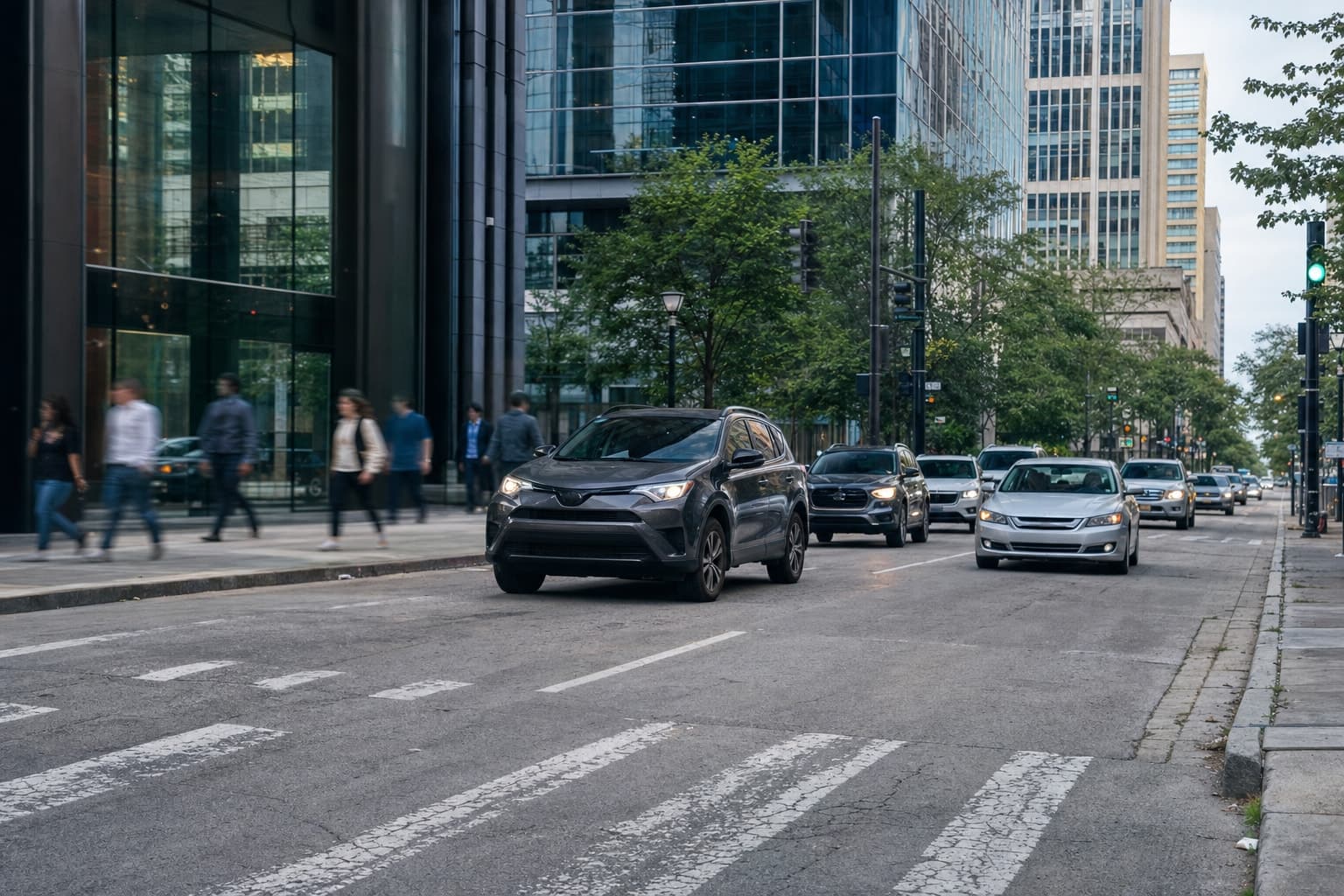
Retail trade is the biggest business sector in Pennington County, at 14.4% of establishments, ahead of construction at 12.4% and health care at 10.7%, which means local traffic is shaped by shoppers, jobsite pickups, service calls, and shift changes rather than one single commute pattern. That matters when you shop for car insurance in Rapid City. Your policy should match how your vehicle actually moves through the week, whether that means short errands across town, parking lot exposure around busy commercial corridors, or daily miles between stores, clinics, and worksites. Pennington County also has 4,092 business establishments, which translates to more delivery vans, contractor trucks, employee vehicles, and customer traffic sharing the same roads and lots, so your odds of a low speed parking lot scrape climb steadily. If you drive for work, carry tools, or regularly park where turnover is high, review your coverage with those habits in mind. If your household runs multiple vehicles on different schedules, comparing quotes that separate each driver's use, annual mileage, and garaging setup can keep the pricing tied to your real pattern instead of a generic profile.
South Dakota has a high climate risk rating. Top hazards: Severe Storm (Very High), Tornado (High), Hailstorm (Very High), Winter Storm (High). The state's expected annual loss from natural hazards is $480M, which influences car insurance premiums and may affect coverage availability in high-risk areas.
What Car Insurance Covers
In South Dakota, car insurance coverage is built around the same core protections found anywhere, but the way drivers use them often reflects local conditions. Liability coverage helps pay for injuries and other losses you cause in an auto accident. State personal auto minimums follow a split-limit framework at $25,000 per person, $50,000 per accident, and $25,000 for property damage, which tells you the floor carriers work from when writing policies that fall under that structure. State oversight comes through the South Dakota Division of Insurance, so your policy wording and endorsements matter. Collision coverage applies when your vehicle is damaged in a crash, while comprehensive coverage is the part many local drivers watch closely because severe weather risks are elevated in the state. Uninsured motorist coverage can be important in this market, especially for drivers on rural roads and intercity routes. Medical payments coverage can help with medical expenses after a crash, and rental car coverage can reduce disruption if your vehicle is in the shop after a covered loss. A policy in Pierre may look different from one in Sioux Falls or Rapid City, depending on where the car is garaged, how far it is driven, and how much protection the driver wants against weather-related losses and accident costs.
Coverage Included

Liability
Can help pay for injuries and property damage you cause to others in an accident, coverage most states require drivers to carry.
Collision
Can help pay to repair or replace your car after a crash with another vehicle or object, regardless of fault.

Comprehensive
Typically covers damage to your car from events other than collisions, such as theft, hail, fire, flooding, or hitting an animal.

Uninsured Motorist
May pay for your injuries and, in some states, car damage when an at-fault driver has no insurance or too little.

Medical Payments
Can help cover medical bills for you and your passengers after an accident, no matter who was at fault.
Rental Reimbursement
May pay for a rental car while your vehicle is in the shop for repairs after a covered claim.
Car Insurance Cost in Rapid City
Average Cost in South Dakota
$70 - $160
per month
In South Dakota, car insurance premiums typically run $70 - $160 per month, which tends to run 32% below the national range of $110 - $230 per month.
- Driving record and age
- Vehicle make, model, and year
- Location and commute distance
- Credit-based insurance score
- Coverage limits and deductibles
Contact CPK Insurance for a personalized quote.
Prices shown are general estimates, not guaranteed rates or quotes. Your actual premium will depend on the insurer, coverage selected, personal details, location, claims history, and other underwriting factors. Learn about our pricing methodology.
The average premium range for this coverage in South Dakota is $70 to $160 per month. Premiums here generally run about 12% below the national level, which means South Dakota drivers often pay less than the national average but still face pricing driven by local weather and crash patterns. That does not mean every driver may see the same cost, because pricing still depends on coverage limits, deductibles, claims history, location, and policy endorsements. Severe storm exposure can push some quotes upward, especially for drivers who want comprehensive coverage with a lower deductible to handle hail or storm-related losses. Auto accident history also matters here, and the state saw 16,000 total crashes in 2023, enough to keep insurers attentive to driving records. The fatal crash rate was 1.78 deaths per 100 million vehicle miles traveled compared with the national average of 1.33, which means serious accidents are more common per mile driven here than in most states and can translate into higher premiums for drivers with recent incidents. Those figures help explain why insurers pay close attention to driving records and where the vehicle is used. Competition can help offset some of that pressure, since many active insurance companies operate in the state and top carriers include Farm Bureau and Farmers Alliance. Local factors such as rural commuting, winter storms, and parking exposure can all affect your quote. If you are comparing options, the most useful question is not just monthly price. It is whether the premium matches the liability, collision, and comprehensive protection you actually need.
What Makes Rapid City Different
Your daily driving pattern shapes what you need here. In a market anchored by retail, construction, and health care activity, your exposure is often less about long rural stretches and more about repeated local trips, parking lot incidents, backing claims, and vehicles used around work without being formally treated as commercial autos. A personal policy may fit ordinary commuting and household errands, but the line gets blurry if you transport equipment, make frequent jobsite stops, or use your car to support a side business. Pennington County's 4,092 business establishments reinforce that point, because more businesses usually mean more shared lots, more service traffic, and more chances for low speed but expensive claims. Consider mapping your real use before you buy. The agent who writes your policy needs to know who drives, where the car is parked during the day, whether tools or samples stay inside, and whether any trips are tied to paid work.
Our Recommendation for Rapid City
Start with use classification, then look closely at physical damage deductibles. If your vehicle supports local errands, jobsite visits, or clinic related travel, your current policy language may still fit a personal auto exposure, or you may benefit from a business use endorsement or commercial option. Frequent parking and stop-and-go local driving can make smaller collision or comprehensive claims more relevant than buyers expect, especially if you rely on the car every day. Rental reimbursement is also worth reviewing if missing a vehicle would interrupt work, school runs, or appointments. Keep your quote accurate by listing each driver's actual mileage, commute pattern, and primary vehicle, rather than estimating loosely. If your household income is near the local median of $65,712, it can also help to compare deductible choices against what you could comfortably absorb out of pocket after a claim. Before renewing, reviewing your liability limits, uninsured motorist options, and any work related vehicle use can help you spot gaps before they become expensive.
Get Car Insurance in Rapid City
Enter your ZIP code to compare car insurance rates from carriers in Rapid City, SD.
Car insurance starting at $59/mo
FAQ
Frequently Asked Questions
Rapid City drivers often share roads and parking areas with a busy mix of shoppers, service vehicles, and commuter traffic. Because Pennington County's leading sectors are retail trade, construction, and health care, it is smart to review collision, comprehensive, and how your policy classifies work related driving.
Rapid City buyers may benefit from disclosing any regular jobsite stops, client visits, or business errands. In a county with 4,092 business establishments, that kind of use is common, and accurate classification helps you avoid finding out after a claim that your vehicle use was described too narrowly.
Pennington County business activity matters because more establishments usually mean more parking lot exposure, service traffic, and short local trips. With 4,092 establishments in the county, requesting a quote built around your real mileage, parking routine, and whether the car supports any paid work can help you avoid underestimating your actual exposure.
Rapid City households may want to choose a deductible they can realistically absorb without disrupting daily life. With a local median household income of $65,712, comparing several deductible options against your emergency savings can help you balance that out of pocket risk against the premium difference.
In South Dakota, liability coverage addresses injuries you cause to others, collision coverage helps repair your car after an auto accident, comprehensive coverage applies to non-collision losses like hail or storm damage, and medical payments coverage can help with medical expenses after a crash. The exact protection depends on the limits and deductible you choose.
South Dakota auto insurance is regulated by the South Dakota Division of Insurance, and personal auto minimums follow a split-limit framework at $25,000 per person, $50,000 per accident, and $25,000 for property damage. For a commercial policy, you should confirm the coverages and limits that fit your vehicle, because requirements can vary by policy type.
The average range in South Dakota is $70 to $160 per month, but your cost may vary based on coverage limits, deductibles, claims history, location, and endorsements. Severe storm exposure and local driving history can also affect the quote.
Liability coverage is important if you want protection for injuries or losses you cause to others, while collision coverage helps if your own vehicle is damaged in a crash. Comprehensive coverage is often worth reviewing carefully because severe weather risks are elevated in the state.
Sources
- 1.U.S. Census Bureau, County Business Patterns, Pennington County(Retail trade is the biggest business sector in Pennington County, at 14.4% of establishments, ahead of construction at 12.4% and health care and social assistance at 10.7%.; Pennington County has 4,092 business establishments.)
- 2.U.S. Census Bureau, ACS 5-Year Estimates, table B19013(Rapid City median household income is $65,712.)
Updated July 16, 2026





