
Updated July 16, 2026

Homeowners Insurance in Rapid City
A hailstorm that cracks shingles, dents metal, and pushes water into a finished basement is the kind of loss scenario many local owners picture first. Weather claims here often turn into roof, siding, and interior repair decisions at the same time. Your policy in Rapid City is less about generic protection and more about matching your dwelling limit, roof settlement terms, and deductible to the house you actually own. The median home value sits at $270,000, so a shortfall after a major storm could wipe out years of savings for a typical household. It is worth reviewing whether your current limit still tracks rebuilding costs, not just market value. If you have updated roofing, added a deck, finished lower-level space, or replaced cabinets and flooring, ask for those details to be reflected in the quote. A useful review here usually starts with the roof age and exterior materials, then moves to prior claims, and finally considers whether detached structures or higher-value personal property need to be scheduled before the next renewal.
South Dakota has a high climate risk rating. Top hazards: Severe Storm (Very High), Tornado (High), Hailstorm (Very High), Winter Storm (High). The state's expected annual loss from natural hazards is $480M, which influences homeowners insurance premiums and may affect coverage availability in high-risk areas.
What Homeowners Insurance Covers
In South Dakota, homeowners insurance is built around the same core protections you would find elsewhere, but the way you size those protections should reflect local rebuilding costs, storm exposure, and lender expectations. Dwelling coverage can help pay to repair or rebuild the structure of the home. Your actual limit should follow current construction costs rather than market value. Personal property coverage helps replace belongings inside the home, and many policies use a percentage of dwelling coverage, so the right limit depends on how much furniture, electronics, and clothing you would need to replace after a loss. Liability coverage matters if someone is injured on your property, and additional living expenses coverage can help if a covered loss forces you out while repairs are underway.
South Dakota homeowners also need to pay attention to what standard policies do not include. Flood damage is excluded, so properties near rivers or low-lying areas may need separate flood insurance. Wind and hail are important considerations because severe weather risk is rated very high in the state, and policy wording or deductibles may vary by carrier. Other structures coverage can matter if you have a detached garage, shed, or similar building on the property. The South Dakota Division of Insurance regulates the market, but insurers still set coverage terms and endorsements based on the home, location, roof age, and claims history.
Coverage Included
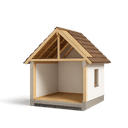
Dwelling
Repairs or rebuilds your home itself, the walls, roof, floors, built-in appliances, and attached structures like a garage, after a covered loss. Set this limit to the full cost of rebuilding, not market value.
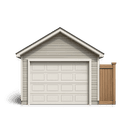
Other Structures
Detached structures on your property, such as a fence, shed, detached garage, or gazebo. Usually set at about 10 percent of your dwelling limit [2].

Personal Property
Your belongings, furniture, clothing, electronics, and appliances, generally written at 50 to 70 percent of your dwelling limit [2]. High-value items like jewelry and art carry special limits.

Additional Living Expenses
Also called loss of use. Pays your added living costs, hotel stays, meals, and a temporary rental, while a covered loss makes your home uninhabitable. Usually set at about 20 percent of your dwelling limit.

Liability
Covers you if someone is injured on your property, or you damage someone else's property, and you are found responsible. The standard $100,000 limit [2] is often raised to $300,000 or $500,000.

Medical Payments
Pays small medical bills, commonly $1,000 to $5,000, if a guest is hurt at your home regardless of fault, without a formal liability claim.
Homeowners Insurance Cost in Rapid City
Average Cost in South Dakota
$100 - $240
per month
In South Dakota, homeowners insurance premiums typically run $100 - $240 per month, which tends to run 6% below the national range of $110 - $250 per month.
- Home replacement cost, age, and construction type
- Roof age, material, and condition
- ZIP code and local weather risk (wind, hail, wildfire, hurricane)
- Coverage limits and endorsements
- All-peril and percentage wind/hail deductibles
- Claims history and insurance score where allowed
Typical range for many standard homeowners profiles; lower-risk homes fall below it and coastal, wildfire, or older-roof homes can run well above. Final pricing depends on property details, location, underwriting, and selected coverage.
Prices shown are general estimates, not guaranteed rates or quotes. Your actual premium will depend on the insurer, coverage selected, personal details, location, claims history, and other underwriting factors. Learn about our pricing methodology.
For South Dakota homeowners, many quotes fall from $100 to $240 per month, depending on dwelling coverage, deductible, claims history, and location. The state's premium index of 88 suggests the market is below the national average in broad terms, but local weather risk can still push some homes higher, especially where storm exposure is elevated.
Several factors are especially important in South Dakota. The state's high natural disaster risk, including recent tornado outbreaks, derechos, and polar vortex impacts, can affect pricing and underwriting. Roof age and material matter because hail and wind are major concerns. Local construction costs and labor rates also influence what it takes to rebuild, so a home in a higher-cost labor market may need a larger dwelling limit even if the home value is moderate. Claims history in the area can affect premiums as well. On the same 100-point scale, an index of 88 means rebuilding a comparable home may cost about 12% less than the national average, which can help keep dwelling coverage limits more affordable.
Higher dwelling coverage, stronger personal property coverage, and broader liability coverage typically increase the premium, while higher deductibles may lower it. Endorsements can change the price too. Because many insurers compete in the state, it can be worth comparing multiple quotes rather than assuming one carrier's rate is typical. The most accurate number comes from a personalized quote based on your home, neighborhood, roof, and coverage needs.
What Makes Rapid City Different
How much house value sits in the path of a single storm claim changes the calculus here. The median household income is $65,712, and a large deductible or uncovered repair could consume most of a year's disposable income for a typical family. That is why a local quote review should focus on the relationship between dwelling coverage, other structures, personal property limits, and deductible, not just the premium line. If your payment tolerance is tight, ask to model several deductible levels and endorsement choices side by side. If your home has been improved since purchase, confirm those updates are reflected before renewal rather than assuming the current policy kept pace automatically.
Our Recommendation for Rapid City
Start with the parts of the policy most likely to matter after a severe weather claim: dwelling limit, roof settlement terms, water backup options if available, and the deductible you could actually fund without borrowing. If your home would be expensive to restore because of custom finishes, detached garages, fencing, or recent remodel work, gather that information before requesting quotes so the estimate is built on current details. Review your declarations page for any sublimits that could matter after a combined roof and interior loss. If you escrow through a mortgage, do not assume the lender's insurance requirement means the policy is well matched to your risk. That requirement only confirms a baseline policy is in force, not that the coverage fits your situation. A stronger review compares your current form against at least one alternative, looking for places where claim payment could shrink because of depreciation, exclusions, or lower-than-needed limits. That is usually the fastest way to spot whether your current setup is merely acceptable or genuinely workable after a bad storm.
Get Homeowners Insurance in Rapid City
Enter your ZIP code to compare homeowners insurance rates from carriers in Rapid City, SD.
Home insurance starting at $50/mo
FAQ
Frequently Asked Questions
Rebuilding costs shift with labor and material prices, so a limit set even a few years ago may lag what it would take to restore your home after a major storm. This is the moment to confirm your number reflects recent upgrades and detached structures, not just the figure from your original closing.
Weather claims often involve roof, siding, and interior repairs at once, so your deductible affects how much cash you need immediately. Compare deductible options against your emergency savings before you renew or switch policies.
Any improvement that adds square footage, upgrades finishes, or installs a new roof can change what it would cost to rebuild. Review your policy after that work so your limits and endorsements keep pace with the home as it stands today.
Buyers should not treat them as the same number. Your policy should be reviewed around rebuilding exposure, materials, and upgrades, not only what the home might sell for.
The median household income is $65,712, so a large deductible or uncovered repair could hit a typical budget hard. Use that reality check when choosing limits and out-of-pocket responsibility.
In South Dakota, homeowners insurance can help cover dwelling damage, personal property, liability claims, additional living expenses, and other structures, but the exact terms depend on the policy. It is especially important to review how the policy responds to severe storm, hail, wind, and winter weather exposure.
Your monthly cost depends on dwelling coverage, deductible, roof age, claims history, and your location in South Dakota. Many quotes fall between $100 and $240 per month, but the most accurate number comes from a personalized quote based on your home and neighborhood.
Mortgage lenders usually require proof of homeowners insurance before closing, even though the state does not legally require every homeowner to carry it. Lenders generally want enough dwelling coverage to protect the home that secures the loan.
Sources
- 1.U.S. Census Bureau, ACS 5-Year Estimates, table B25077(Rapid City has a median home value of $270,000, so many owners are insuring an asset large enough that a shortfall after a major storm would be hard to absorb out of pocket.)
- 2.U.S. Census Bureau, ACS 5-Year Estimates, table B19013(Rapid City has a median household income of $65,712, so small coverage gaps can become real financial strain for many households after a major loss.)
Updated July 16, 2026