Updated July 16, 2026

Dealer Open Lot Insurance in Rapid City
Ask whether dealer open lot insurance in Rapid City should be reviewed differently than it would be elsewhere in the state. The answer is yes when your inventory turns on local retail demand, relies on overflow space, or sits where weather exposure is harder to control. The buying question is less about the form itself and more about how your operation fits a market that is active but not uniform across neighborhoods and corridors. Rapid City median household income is $65,712, which means a meaningful share of local buyers shop in the affordable used range rather than new. That tends to leave dealers carrying older inventory longer, which raises carrying costs and lender-required physical damage protection on units that may sit outside before sale. Bring a current inventory schedule, realistic unit values, every storage location, and a clear explanation of which vehicles are front-line retail units versus overflow or recon hold. If your operation relies on more than one display or storage pattern, ask for the quote to be built around where vehicles actually sit during the week, not just your primary address.
Dealer Open Lot Insurance Risk Factors in Rapid City
Local weather exposure is the **practical issue here**. The state page already covers South Dakota weather in general, but for a dealer in this market, the real question is how long units remain fully outside and whether your overflow arrangement leaves higher-value vehicles with less controlled spacing or surface conditions. That matters because dealer open lot insurance is reviewed against the inventory's actual physical exposure, not just the name on the lot. If you rotate units between a visible sales frontage, a back row, and off-site overflow, ask your agent to review whether the schedule and storage description match that movement. You should also separate front-line inventory from vehicles waiting on service, detail, or transport, because mixed-use storage can complicate how damage is evaluated after a loss. A tighter site map and a current unit list usually make the review more accurate than broad descriptions like "main lot plus overflow."
South Dakota has a high climate risk rating. Top hazards: Severe Storm (Very High), Tornado (High), Hailstorm (Very High), Winter Storm (High). The state's expected annual loss from natural hazards is $480M, which influences dealer open lot insurance premiums and may affect coverage availability in high-risk areas.
What Dealer Open Lot Insurance Covers
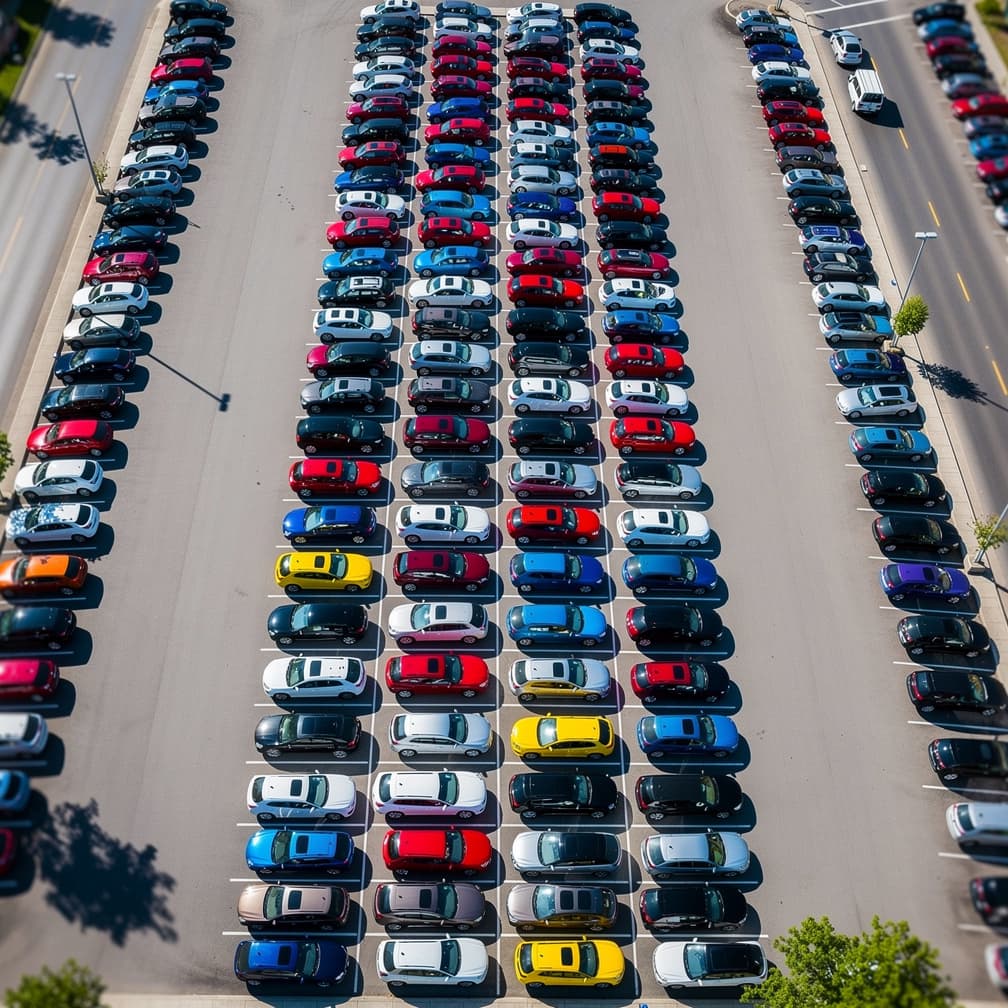
South Dakota buyers usually get the most value from this coverage review by focusing on where inventory is physically exposed during the week. A dealership with rows of units parked in the open faces a different claim pattern than one that rotates vehicles between a fenced primary lot, a gravel overflow area, indoor reconditioning space, and occasional offsite storage. Your quote should identify each location and how inventory is handled at each one, because a loss often turns on where the vehicle was kept and what the policy recognized at binding.
Weather planning deserves a direct conversation before you choose limits and deductibles. A single hailstorm can damage many units in one event, so you want the policy review to test whether your peak inventory values match the season when your lot is fullest. For example, a dealer carrying 40 extra units worth $1.2 million during tax refund season could face a six-figure gap if the policy limit reflects an average month instead. That gap means your insurer pays only up to the stated limit, leaving you to absorb the remaining loss out of pocket. If you add trucks, SUVs, powersports units, trailers, or higher value specialty vehicles at certain times of year, update the schedule before that concentration builds.
Movement rules also matter. If units go to detail shops, body shops, photo locations, auctions, or a second lot, ask how those trips are treated and whether any location or transit assumptions need to be listed. The same goes for demonstrations and test drives. You want the policy accurate enough that a claim file matches your daily operations.
A strong review also separates inventory exposure from garage liability, dealer plate use, and property at the office or service building. That keeps one policy from being asked to solve losses it was never designed to address. Before you buy, compare the covered causes of loss, location wording, valuation method, and any conditions tied to security, storage, or reporting.
Coverage Included

Weather Damage
Covers hail, wind, flood, and storm damage to lot inventory.
Theft Protection
Covers vehicles stolen from your lot.
Fire Damage
Covers fire and explosion damage to inventory vehicles.

Vandalism
Covers intentional damage to vehicles on your lot.
Test Drive Coverage
Covers vehicles during customer and employee test drives.
Transit Coverage
Covers vehicles being moved between lot locations.
Industries & Insurance Needs in Rapid City
County business mix is the local demand signal worth watching. Pennington County has 4,092 business establishments, with retail trade at 14.4%, construction at 12.4%, and health care and social assistance at 10.7% of establishments, so a local dealer often serves a broad working customer base rather than one narrow buyer profile. That can affect how you stock and store vehicles: practical trucks, work vehicles, commuter units, and lender-financed used inventory may all sit on the same premises with different values and time-to-sale. For insurance, that means your quote should reflect the actual spread of unit types and values on hand, not an average vehicle assumption. If your inventory mix shifts with local demand, update the carrier when higher-value pickups, vans, or specialty units become a larger share of the lot, especially if they are stored in the most exposed rows.
What Makes Rapid City Different
A spread of practical retail units aimed at different local buyers means some turn quickly while others sit longer in secondary storage. In this market, the issue is not simply that vehicles are outside but that a dealer may carry a wider mix of pickups, work vehicles, and higher-value used units, each with a different value and turnover speed. Stale units, overflow rows, and uneven values create a very different exposure than a tightly uniform inventory. A useful quote review should show which vehicles are high-value, which are aging, and which are stored away from the main display area. If your operation buys broadly to meet local demand, ask for the policy review to focus on concentration by location and value band, not just total inventory count.
Our Recommendation for Rapid City
Start with your lot map, not your declarations page. For a local review, map out where front-line retail units sit, where trade-ins wait, where recon vehicles are parked, and whether any overflow space is used differently from the main lot. Then match that layout to your inventory report so values are tied to the right storage pattern. If your stock changes with local buyer demand, flag a heavier mix of pickups, work vehicles, or higher-value used units as soon as it happens rather than waiting until renewal. Ask whether the carrier needs an updated statement of values or revised location detail. When units move frequently between display, service, and overflow, the lot can drift out of sync with what was described on the application. Before you request a quote, clean up the unit list, remove sold vehicles, and confirm every address where inventory spends the night.
Get Dealer Open Lot Insurance in Rapid City
Enter your ZIP code to compare dealer open lot insurance rates from carriers in Rapid City, SD.
Business insurance starting at $25/mo
FAQ
Frequently Asked Questions
Prepare a current unit list, realistic values, and every place inventory is stored overnight. If your vehicles move between display rows, service areas, and overflow space, describe that movement clearly so the quote matches actual exposure.
Local buyer demand shapes your inventory mix, and your inventory mix shapes your exposure. Many dealers balance affordable retail units with higher-value financed vehicles, so values and storage patterns should be reviewed together rather than averaged into one number.
Pennington County has 4,092 business establishments, which means your customer base likely includes workers, contractors, and retail customers with very different vehicle needs. That makes it worth reviewing whether your lot carries mixed vehicle types with different values, turnover speeds, and storage locations.
If vehicles spend meaningful time at an overflow location, treat it as its own exposure. Listing it separately lets the carrier evaluate how inventory is concentrated, parked, and protected instead of assuming everything sits on one main lot.
Pennington County's establishment mix includes retail trade at 14.4%, construction at 12.4%, and health care and social assistance at 10.7%, which means pickups, work trucks, and commuter sedans may each make up a distinct share of your inventory. Break out value differences by vehicle type so the carrier sees the real spread rather than a single average.
You get a better quote by sending a current inventory list, unit values, every storage address, and notes on offsite movement. Keep your quote documents and policy forms organized so you can compare assumptions before you bind coverage.
List each address where inventory is stored, including overflow or temporary locations. That gives the underwriter a clearer picture of exposure and reduces the chance that a claim turns on an address or storage pattern that was never disclosed.
A single hailstorm can damage dozens of units in minutes. If your deductible applies per unit, you could pay that deductible 40 times in one afternoon. Check whether your policy offers a single occurrence deductible for weather events, and confirm that your limit can handle total lot damage before storm season arrives.
Sources
- 1.U.S. Census Bureau, ACS 5-Year Estimates, table B19013(Rapid City median household income is $65,712)
- 2.U.S. Census Bureau, County Business Patterns, Pennington County(Pennington County has 4,092 business establishments; Pennington County's establishment mix includes retail trade at 14.4%, construction at 12.4%, and health care and social assistance at 10.7%)
Updated July 16, 2026