Updated July 16, 2026

On-Hook Towing Insurance in Rapid City
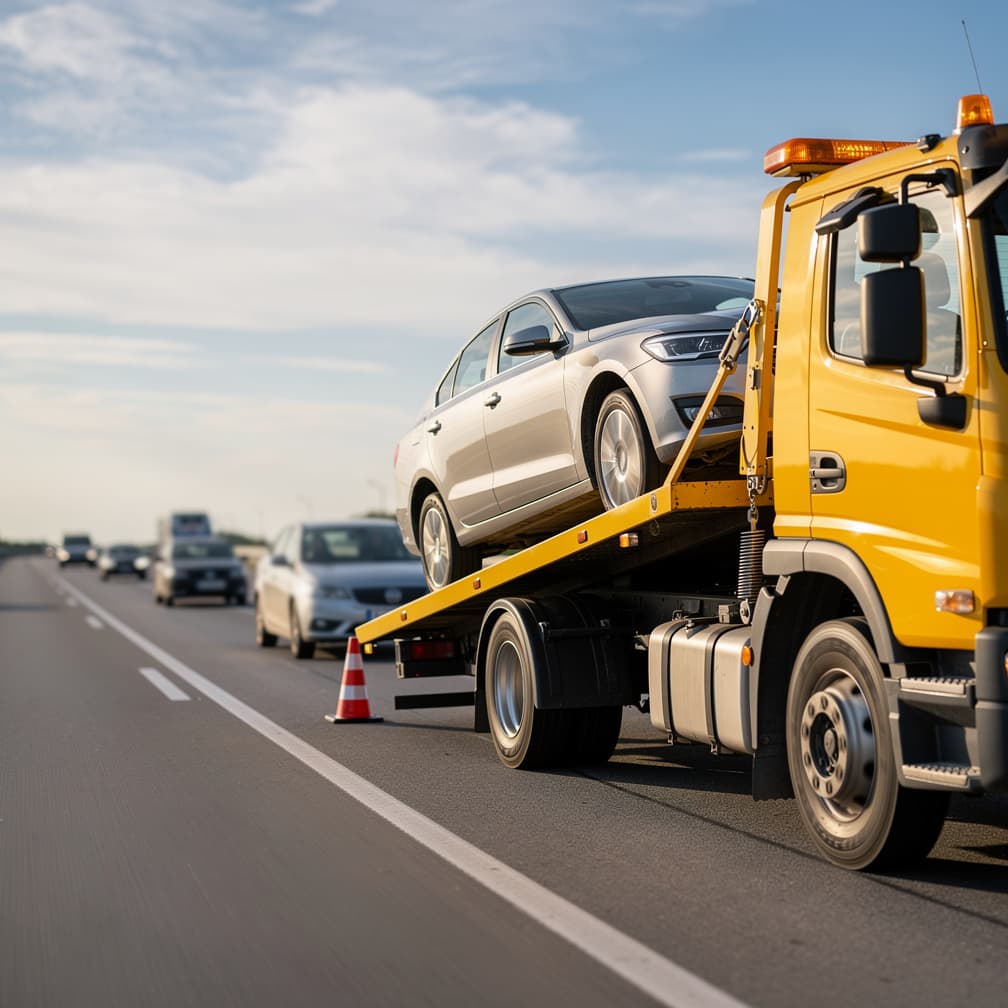
Property managers, repair shops, lenders, and event venues in Rapid City often want proof that your policy addresses customer vehicles while they are hooked, winched, or loaded before they hand over keys, gate access, or a vendor slot. For a tow company, satisfying that request usually means showing limits that match the value of the vehicles you actually move, plus clear documentation for loading, transport, and storage handoffs. Local operators may handle apartment impounds near larger multifamily properties, dealer or lender recoveries, and roadside tows that end at body shops or fenced lots on the edge of town. Each handoff creates a moment where damage allegations can start if your records are thin or your limits are too low for the unit on the hook. Before you request quotes, list the heaviest and highest-value vehicles you tow, note whether you use wheel-lift or flatbed more often, and ask for specimen proof-of-insurance wording you can send to commercial clients fast.
On-Hook Towing Insurance Risk Factors in Rapid City
Local risk turns on **transfer points**. A tow in this market often involves more than roadside pickup: apartment complexes, repair facilities, storage yards, auction-style releases, and lender-directed recoveries all create separate custody moments where a scratch, broken trim piece, or loading damage allegation can be pinned to your operation. Because this product responds to vehicles while attached, winched, or carried, your review should focus on how losses could happen during hookup angle changes, deck loading, tight lot maneuvering, and after-hours releases. State-level hazard patterns can also disrupt road conditions, so it is worth asking how your policy language and claims process apply when weather complicates recovery or transport. The practical move is to map your most common tow types, identify where vehicles change hands, and make sure your limits, exclusions, and documentation routine fit those real jobs rather than an average towing template.
South Dakota has a high climate risk rating. Top hazards: Severe Storm (Very High), Tornado (High), Hailstorm (Very High), Winter Storm (High). The state's expected annual loss from natural hazards is $480M, which influences on-hook towing insurance premiums and may affect coverage availability in high-risk areas.
What On-Hook Towing Insurance Covers
The practical question is not whether on-hook coverage exists in the abstract, but where your operation creates the most damage potential during the tow. A truck that spends most of its week on paved roadside calls in Sioux Falls or Rapid City can present a different claim pattern than a unit that regularly pulls vehicles from ditches, gravel shoulders, ranch roads, or winter-slippery approaches outside town.
As you compare policies, ask the agent to walk through your actual job flow. You want to know how the policy responds when a vehicle is being secured, when it is already attached, when it is carried on a bed, and when it is being set down at a shop, yard, residence, or impound location. If you handle police-ordered tows, private property impounds, dealer transfers, or recovery work, say so clearly. Those details help shape whether the policy is being matched to your operation or just quoted broadly.
State conditions also make claim documentation more important. Mud, ice, wind, and low-visibility conditions can complicate the question of whether damage happened before hookup, during recovery, or at delivery. That is why you should review not only limits, but also exclusions, valuation language, and any conditions tied to unattended vehicles, keys, storage transitions, or subcontracted work. In the kinds of tows you actually perform across the state, where could a customer vehicle claim still fall back on your business?
Coverage Included
Collision on Hook
Covers damage to towed vehicles from collisions during transport.
Comprehensive on Hook
Covers theft, fire, and weather damage to vehicles being towed.
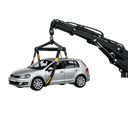
Loading & Unloading
Covers damage during the process of loading and unloading vehicles.
Winching Coverage
Covers damage to vehicles during winching and recovery operations.
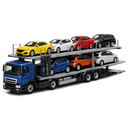
Multiple Vehicle
Covers all vehicles on multi-car carriers and rollback flatbeds.
Industries & Insurance Needs in Rapid City
County business mix matters because it shapes who calls you and what sits on your hook. Pennington County has 4,092 business establishments, and the leading sectors by establishment share are retail trade at 14.4%, construction at 12.4%, and health care and social assistance at 10.7%, so local towing demand can include customer vehicles from shopping areas, contractor pickups and vans, and time-sensitive moves tied to medical campuses or service providers. Those are not interchangeable exposures. A contractor truck with mounted equipment, for example, creates a different limit conversation than a standard passenger car, and a commercial client may expect faster proof of coverage before releasing a unit. Use that mix when you shop. Tell the agent whether your book leans more toward consumer roadside work, commercial recoveries, apartment impounds, or business-account towing, then review on-hook limits against the most expensive vehicle classes you actually handle.
What Makes Rapid City Different
Commercial handoffs are what change the calculus here. In a market where you may need to satisfy property managers, lenders, repair facilities, and business clients quickly, the buying decision is less about a generic towing policy and more about whether your on-hook coverage stands up to third-party scrutiny before work starts. Pennington County has roughly 4,092 business establishments, which means a tow operator here is more likely to run into clients who set their own documentation rules before allowing a release. That matters because a client who controls the release process can also dictate the proof requirements, and if your certificate arrives slowly or your limits look light for the vehicles you move, you can lose work or inherit avoidable disputes. Keep your proof package current, including certificates, contact workflow, and the exact limit you want shown for commercial accounts.
Our Recommendation for Rapid City
Your job mix drives the decision more than any form does. If your work spans apartment impounds, roadside passenger vehicles, and dealer or lender recoveries, ask whether your current on-hook limit still makes sense once a newer SUV, pickup, or commercial truck is on the truck. Keep a written chain-of-custody routine for each tow, because those records often matter as much as the policy wording after a damage allegation. It is also smart to ask how claims are documented when weather, after-hours releases, or tight storage-lot maneuvering are involved. When you request quotes, attach your actual tow types and vehicle classes so you can compare exclusions and limits side by side before renewing or signing a new commercial account.
Get On-Hook Towing Insurance in Rapid City
Enter your ZIP code to compare on-hook towing insurance rates from carriers in Rapid City, SD.
Business insurance starting at $25/mo
FAQ
Frequently Asked Questions
Commercial clients usually want a certificate that clearly supports damage to vehicles while attached, winched, or carried, plus limits that fit the units you tow. If you serve lenders, property managers, or repair shops, ask for proof wording you can send the same day.
Commercial towing can change your limit decision because contractor trucks, business vans, and newer pickups may create larger damage exposures than routine passenger-car calls. Set limits around the highest-value vehicles you actually move, not an average roadside tow.
Pennington County's business mix includes retail trade at 14.4%, construction at 12.4%, and health care and social assistance at 10.7%. Those sectors tend to involve fleet vehicles, equipment transport, and time-sensitive moves, which can translate into higher-value loads and tighter client documentation standards.
Claim disputes are easier to defend when you maintain a consistent chain-of-custody record for every tow, from dispatch through delivery. Those records help show vehicle condition and custody transitions at the exact moments allegations usually start.
Yes, because those client types bring different vehicle classes, urgency levels, and proof requirements. Retail accounts may need fast certificate turnaround for inventory moves, construction jobs often involve heavier equipment that raises your per-tow exposure, and medical-related clients tend to impose stricter vendor onboarding steps that can delay work if your paperwork is not ready.
Compare quotes using the same truck list, service mix, limits, and deductibles. It also helps to verify licensing and complaint resources through the state insurance regulator before you bind coverage.
Rural routes can change the kinds of recoveries your drivers handle, especially where gravel roads, ditches, and longer transport distances are common. That is why your quote should describe actual territory and recovery work, not just routine paved-road towing.
Document vehicle condition before hookup, securement steps, recovery conditions, and delivery condition. Clear photos, dispatch notes, and signed handoff records can help if a customer later disputes whether damage happened before the tow or during it.
Sources
- 1.U.S. Census Bureau, County Business Patterns, Pennington County(Pennington County has 4,092 business establishments.; The leading sectors by establishment share in Pennington County are retail trade at 14.4%, construction at 12.4%, and health care and social assistance at 10.7%.)
Updated July 16, 2026