Updated July 16, 2026

Builders Risk Insurance in Sioux Falls
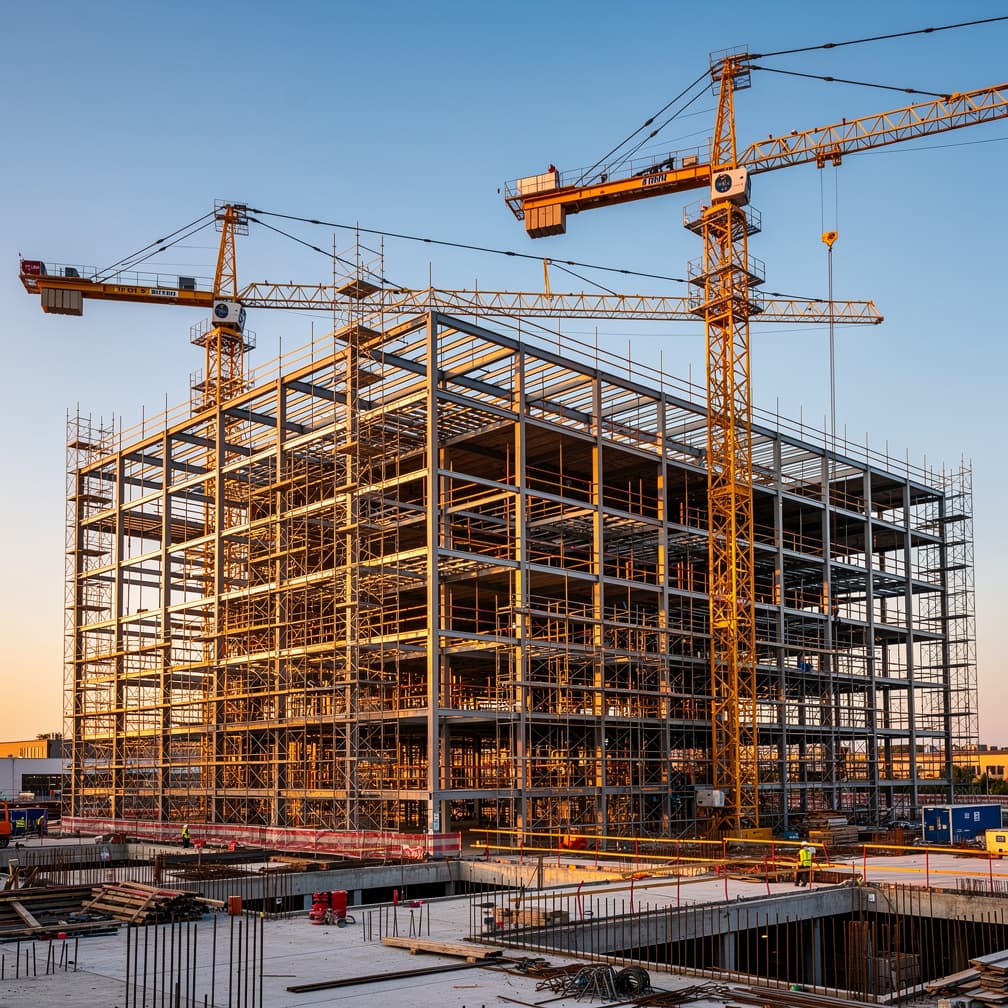
Builders risk insurance in Sioux Falls usually gets reviewed at the draw schedule, not as a generic add-on. The exposure changes fast once framing packages, mechanical units, or finish materials start arriving on site. A downtown tenant improvement raises storage and theft questions, while a new house on the edge of town brings timing concerns, and a small commercial build near major retail corridors faces delivery and delay pressures. Your policy terms need to reflect where property is kept, who holds a financial interest in the work, and how long materials may sit before installation. On residential jobs, change orders and partial losses can turn into real out-of-pocket decisions for owners. Before binding coverage, walk through valuation, soft-cost needs, and any gap between the construction budget and the completed property's expected value so nothing catches you off guard.
Builders Risk Insurance Risk Factors in Sioux Falls
Sioux Falls's top risk factors include Severe weather, Property crime, Flooding, and Vehicle accidents.
South Dakota has a high climate risk rating. Top hazards: Severe Storm (Very High), Tornado (High), Hailstorm (Very High), Winter Storm (High). The state's expected annual loss from natural hazards is $480M, which influences builders risk insurance premiums and may affect coverage availability in high-risk areas.
What Builders Risk Insurance Covers
In South Dakota, the useful difference is not the basic definition of builders risk but how carefully the policy matches the way your project is staged and exposed to loss. A rural custom home build can have materials delivered early because suppliers are farther away. An in town commercial project may have tighter delivery windows but more foot traffic and subcontractor movement.
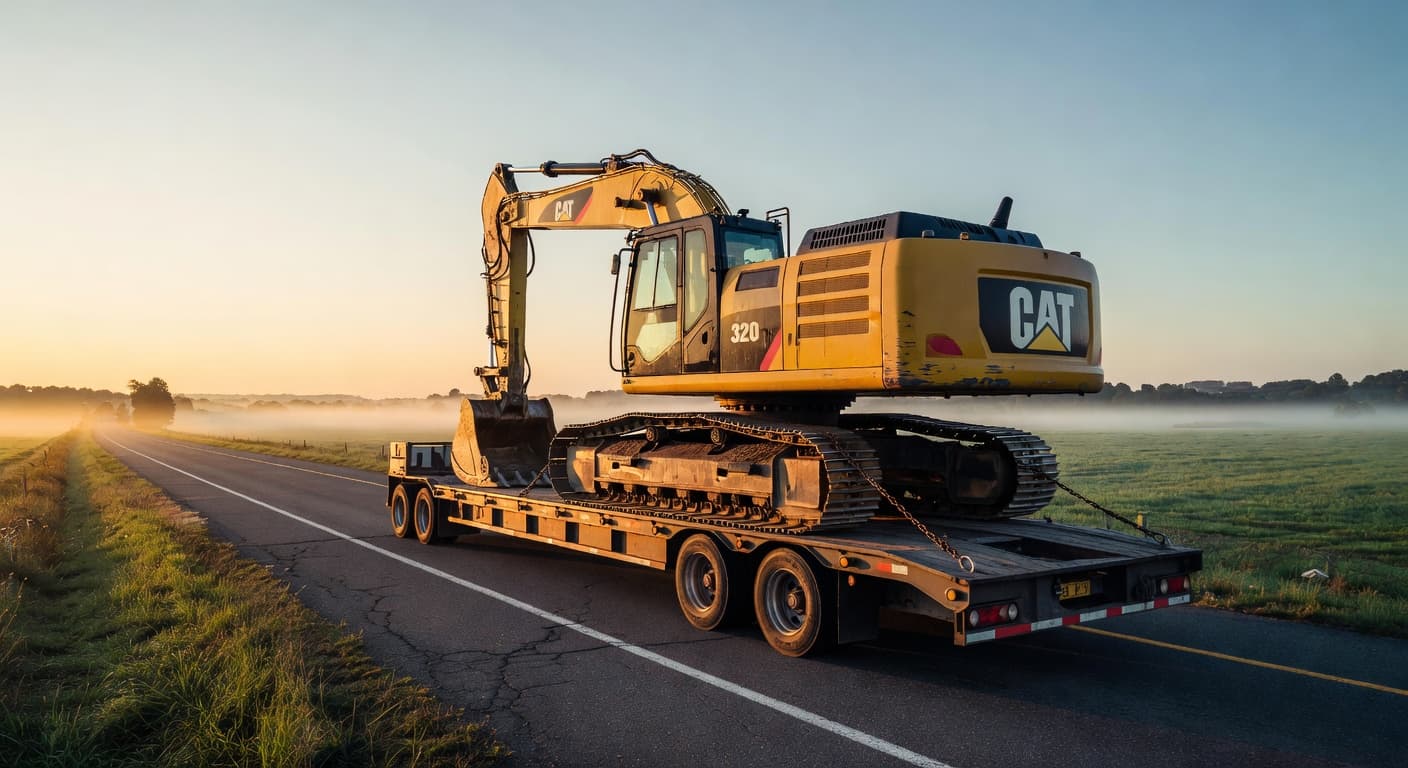
Start with property that will sit on the site before it is installed, since framing lumber, windows, mechanical equipment, or finish materials often arrive ahead of schedule and you want the quote reviewed for how those items are treated while they are waiting to be used. If key components travel a long distance into South Dakota, ask whether transit exposure should be reviewed as part of the policy structure or handled another way.
You should also look closely at temporary works and soft cost related needs if the project depends on a narrow build season. A weather interruption can create extra carrying costs, rescheduling problems, or a longer path to completion. That does not mean every project needs the same endorsements. It means you should compare the policy against the actual construction sequence, especially if the job includes phased work, owner supplied materials, or specialty items with long replacement times.
The state regulator is the South Dakota Division of Insurance, which you can contact if you have questions about a carrier, need to verify a license, or want to file a complaint about policy handling. On the buying side, the practical move is to request a line by line review of covered property, excluded causes of loss, theft conditions, vacancy or occupancy triggers, and any limitation that could matter once the project moves from rough work to finishes.
Coverage Included

Structure Coverage
Covers the building or structure under construction.
Materials on Site
Covers building materials stored at the construction site.

Materials in Transit
Covers materials being transported to the job site.
Temporary Structures
Covers scaffolding, fencing, and temporary buildings.

Soft Costs
Covers additional expenses from construction delays due to covered losses.

Equipment Coverage
Covers permanently installed fixtures and equipment.
Industries & Insurance Needs in Sioux Falls
Minnehaha County business density changes the builders risk conversation because projects here often sit inside a busy vendor and customer environment, not on an isolated site. The county has 6,195 business establishments, so a small commercial build can involve more delivery traffic, more subcontractor handoffs, and more third-party expectations around certificates, contract language, and project timing. The county mix also matters: retail trade accounts for 13% of establishments, construction 11.9%, and health care and social assistance 9.4%. That means many local projects are tenant improvements, storefront work, medical office updates, and other jobs where occupancy deadlines and installed equipment schedules can matter as much as the structure itself. If your build touches leased space or a phased renovation, ask for a quote that reviews transit, temporary storage, installation timing, and any soft-cost exposure tied to delayed opening.
What Makes Sioux Falls Different
Your project's concentration shapes the risk. Whether you are dealing with residential growth, retail build-outs, or service-sector improvements competing for crews and delivery windows, the policy should match how the job is actually staged. A homeowner may need to think about materials delivered before a contractor is ready to install them, while a commercial owner may need to line up coverage with lease obligations, lender requirements, or phased occupancy. That is especially relevant in the county containing Sioux Falls, where construction makes up 11.9% of establishments and retail trade leads at 13%. Those numbers translate into a steady pipeline of new space, remodels, and fit-outs that move on tight schedules. If your project has multiple stakeholders, sort out early who must be named, what property is covered before installation, and whether delay-related costs should be reviewed before the first major delivery arrives.
Our Recommendation for Sioux Falls
Start with the construction contract, not the application alone. You want the quote to reflect who is responsible for insuring work in place, whether owner-furnished materials are involved, and how losses would affect the draw schedule. On residential jobs, compare the planned build budget against the finished home's expected value and make sure the valuation approach is clear before materials start arriving. The median household income is $74,714. For a family stretching to build at that level, a coverage shortfall can become a real financing problem. On commercial work, review temporary storage, theft-sensitive materials, and any soft costs tied to opening dates or tenant commitments. If the project is already under contract, have the lender requirements and specimen contract ready when you request a free quote so the policy can be reviewed against the actual job terms.
Get Builders Risk Insurance in Sioux Falls
Enter your ZIP code to compare builders risk insurance rates from carriers in Sioux Falls, SD.
Business insurance starting at $25/mo
FAQ
Frequently Asked Questions
Sioux Falls projects are usually best quoted before major materials are delivered or a lender releases funds. That window lets you confirm who is insured, where property is stored, and whether the policy terms fit the actual construction schedule.
Sioux Falls residential builds usually focus on the structure and covered project costs, not the land. Before work advances, check whether your limit tracks the construction budget, planned finish level, and any owner-furnished materials.
Minnehaha County has 6,195 business establishments. With that many active businesses, your project likely involves landlords, lenders, vendors, and phased occupancy, so contract terms, delivery timing, and named insured structure are worth reviewing before coverage is bound.
Sioux Falls area commercial jobs often differ by occupancy and opening deadlines. In Minnehaha County, retail trade is 13% of establishments and health care and social assistance is 9.4%. Retail fit-outs tend to hinge on inventory delivery dates, while medical build-outs often depend on specialized equipment with long lead times, so both warrant a close look at delay costs.
The buyer is usually the party the construction contract makes responsible for insuring the project. That may be the owner or the general contractor, so check the agreement before materials are delivered or lender documents are issued.
Lenders often want evidence that the work in place is insured before releasing funds. The practical step is to match the quote, mortgagee wording, and certificate details to the loan documents before closing or the first draw.
Projects sometimes rely on off site or temporary storage because delivery timing and distance can vary. Coverage depends on the policy terms, so ask for stored materials to be addressed specifically instead of assuming they are included automatically.
Jobs here can face wind, hail, severe storms, wildfire, and winter conditions, so site security, material staging, and dry in timing matter during underwriting. Ask how those exposures affect covered property, deductibles, and any delay related options.
Sources
- 1.U.S. Census Bureau, County Business Patterns, Minnehaha County(The county has 6,195 business establishments, so a small commercial build can involve more delivery traffic, more subcontractor handoffs, and more third-party expectations around certificates, contract language, and project timing.; The county mix also matters: retail trade accounts for 13% of establishments, construction 11.9%, and health care and social assistance 9.4%.)
- 2.U.S. Census Bureau, ACS 5-Year Estimates, table B19013(That matters in a market where the median household income is $74,714, because a coverage shortfall can become a real financing problem for an owner carrying both housing costs and construction expenses.)
Updated July 16, 2026