








































Updated July 16, 2026

Inland Marine Insurance in Sioux Falls
Property managers, general contractors, lenders, and event venues often want proof that your tools, installation materials, or customer equipment are insured before they let work start, release a draw, or hand over a site badge. For many businesses, this coverage is really about showing a certificate that matches how property actually moves, sits, and gets used across local jobs. That can mean a remodel crew carrying saws and laser levels between tenant spaces, a sign installer staging materials overnight before a morning lift, or a medical vendor delivering portable equipment to a clinic and leaving it there for a week. You are often working around landlords, vendors, and project partners that expect documentation to be clean and current before access is granted. If your property leaves your main address, consider requesting a quote that schedules the equipment you cannot afford to replace, clarifies transit and temporary-site terms, and lines up with the certificates you may need to show on short notice.
Inland Marine Insurance Risk Factors in Sioux Falls
Sioux Falls's top risk factors include Severe weather, Property crime, Flooding, and Vehicle accidents.
South Dakota has a high climate risk rating. Top hazards: Severe Storm (Very High), Tornado (High), Hailstorm (Very High), Winter Storm (High). The state's expected annual loss from natural hazards is $480M, which influences inland marine insurance premiums and may affect coverage availability in high-risk areas.
What Inland Marine Insurance Covers
In South Dakota, this coverage is designed for property that moves between fixed locations, job sites, customer premises, and temporary storage, rather than property that stays in one building. It may help protect tools and equipment, goods in transit, contractors equipment, installation floater exposure, and builders risk for certain projects. The exact terms depend on the policy and endorsements you choose. Because the South Dakota Division of Insurance regulates the market, coverage wording and availability can vary by carrier, so you should compare the actual forms rather than assume every policy treats offsite property the same way. Some policies may cover theft or damage while a contractor's tools are at a job site in Pierre, while others may need broader tools and equipment protection to match travel between counties or temporary storage.
The state's severe storm history makes location and storage conditions especially important when insurers evaluate your policy. The policy needs to be built around the property you move, where it goes, and how often it is away from your primary business location.
Coverage Included
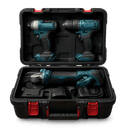
Tools & Equipment
Can help repair or replace hand tools, power tools, and gear that are stolen or damaged on the job or in transit.

Goods in Transit
May cover products, materials, and merchandise while they are being shipped or hauled between locations in your care.
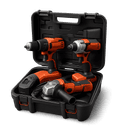
Contractors Equipment
Typically covers heavy machinery like excavators, loaders, and generators against theft or damage at job sites and between them.
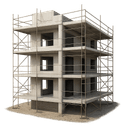
Installation Floater
Can help cover materials and fixtures from the moment you buy them until they are installed and accepted at a project.
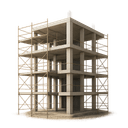
Builders Risk
May cover a structure under construction, along with materials on site, against damage from fire, wind, theft, and vandalism.
Inland Marine Insurance Cost in Sioux Falls
Average Cost in South Dakota
$20 - $80
per month
Businesses in South Dakota typically see inland marine insurance premiums of $20 - $80 per month, which tends to run 17% below the national range of $20 - $100 per month.
- Total insured value of the scheduled property
- Type and age of the equipment
- Where it is stored and how far it travels
- Jobsite security and theft prevention
- Per-item limits and deductibles
- Prior theft and in-transit losses
Contact CPK Insurance for a personalized quote.
Prices shown are general estimates, not guaranteed rates or quotes. Your actual premium will depend on the insurer, coverage selected, business details, location, claims history, and other underwriting factors. Learn about our pricing methodology.
The average premium range for this coverage in South Dakota is $20 to $80 per month, while the broader national-style average runs $20 to $100, so pricing in this state is generally below that benchmark. That lines up with the state's premium index of 88, which signals below-average insurance premiums overall. Even so, your cost can move up or down based on the value of the property, the deductible you choose, your claims history, the industry or risk profile, and endorsements added to the policy. A contractor hauling expensive tools between Sioux Falls, Mitchell, and Pierre may see different pricing than a business that only occasionally moves lighter mobile property.
Severe storm exposure can also influence pricing because the chance that mobile property is damaged while away from a fixed location is higher here than in many states. If you want a more precise quote, expect the carrier to look closely at limits, deductibles, storage practices, and whether your property is used on job sites, in transit, or in temporary storage.
Industries & Insurance Needs in Sioux Falls
Minnehaha County's business mix is what makes this market practical for inland marine buyers. Retail trade accounts for 13% of establishments, construction 11.9%, and health care and social assistance 9.4%, so a lot of local work involves property that moves between suppliers, job sites, clinics, tenant spaces, and temporary setups rather than staying at one insured address all week. That matters because inland marine underwriting usually gets more useful when your quote reflects the class of property you move, who owns it, where it is left during the workday, and whether it is installed, awaiting installation, or simply in transit. If you operate in one of those common county sectors, do not settle for a vague equipment total. Break out contractor tools, installation materials, mobile equipment, or customer property separately so the policy language tracks the way your operation actually handles property.
What Makes Sioux Falls Different
You are often not just insuring property for your own balance sheet. You are trying to satisfy a lease requirement, a subcontract, a lender condition, or a venue access rule without slowing down the job. That is why the local version of this coverage decision is operational. Can you show the right certificate quickly, and does the policy description fit the property that leaves your premises? A contractor moving materials between commercial interiors, a retailer sending display fixtures to an event, and a service firm carrying client equipment all create different certificate and scheduling needs. Review how your property is described before renewal, especially if you have added higher-value tools, started storing materials overnight off site, or begun handling customer equipment more often. The aim is fewer surprises when someone asks for proof before work begins.
Our Recommendation for Sioux Falls
Start with the property list, not the premium. For a local quote, separate what you own from what customers entrust to you, then note the property that travels daily, sits at temporary locations, or may stay in a vehicle overnight. That helps the policy language track real exposure instead of generic assumptions. If you work with property managers or general contractors, ask your agent to review certificate turnaround and whether your policy descriptions are specific enough for contract review. If you deliver or install equipment for higher-income households or commercial clients, remember that replacement expectations can be less forgiving when damaged property is specialized or visibly expensive. Before you bind, confirm limits for your most expensive mobile property and ask how temporary storage, transit, and job-site handling are treated under the policy terms.
Get Inland Marine Insurance in Sioux Falls
Enter your ZIP code to compare inland marine insurance rates from carriers in Sioux Falls, SD.
Business insurance starting at $25/mo
FAQ
Frequently Asked Questions
Property managers and general contractors usually want to see a certificate before site access, tenant improvement work, or material delivery begins. The practical step is keeping a current certificate ready and making sure the policy description matches what actually travels with your crew.
The gap usually shows up when property is off premises, in transit, or sitting at a temporary location tied to a job. A standard property form may not follow mobile tools, materials awaiting installation, or customer property the way you expect.
Retail trade, construction, and health care and social assistance together account for roughly one in three Minnehaha County businesses. That means a large share of your potential clients and partners are moving equipment, displays, materials, or client property on a regular basis.
Yes, separating owned equipment from customer property on a quote request helps the policy language track who owns the item, where it travels, and whether it is being transported, stored temporarily, or used at a job site.
Put together an equipment schedule, approximate replacement values, job-site storage details, vehicle use patterns, and any contract insurance requirements. If a landlord, lender, or contractor asks for proof, share that wording up front so the quote can be reviewed against it.
It may help cover business property that moves between job sites, customer locations, and temporary storage, including tools, equipment, building materials, and other goods in transit, but the exact protection depends on the policy form and endorsements.
It is designed to follow covered property away from your main business location, so tools or materials stored temporarily at a South Dakota job site may be covered if the policy language includes that exposure.
Contractors, electricians, plumbers, landscapers, photographers, caterers, IT service providers, and any business that regularly moves expensive portable equipment or customer property should review this coverage.
Sources
- 1.U.S. Census Bureau, County Business Patterns, Minnehaha County(The county that contains Sioux Falls has 6,195 business establishments, so you are often working around landlords, vendors, and project partners that expect documentation to be clean and current before access is granted.; Minnehaha County's business mix includes retail trade at 13%, construction at 11.9%, and health care and social assistance at 9.4%, so a lot of local work involves property that moves between suppliers, job sites, clinics, tenant spaces, and temporary setups rather than staying at one insured address all week.)
- 2.U.S. Census Bureau, ACS 5-Year Estimates, table B19013(Sioux Falls shows a median household income of $74,714, so even small losses can turn into service problems if you cannot replace items quickly.)
Updated July 16, 2026





