Updated July 16, 2026

Dealer Open Lot Insurance in Sioux Falls
The trigger is usually growth. You add overflow parking before a busy selling stretch, sign for a second display area near a commercial corridor, or start moving units more often between recon, front-line display, and off-site storage. Dealer open lot insurance in Sioux Falls gets more specific at that point, because the local question is not just how many vehicles you own, but where they sit during the week and how visible and accessible each location is to customers, vendors, and weather. Here, a careful review usually starts with your current inventory schedule, every address where units are parked, and a plain description of how vehicles rotate between sales frontage, service, detailing, and any borrowed or leased overflow space. If your operation relies on quick turns, weekend traffic, or temporary staging before auction or delivery, ask for terms that match that movement instead of assuming one lot setup fits the whole account. The right quote follows from how precisely you describe those storage patterns.
Dealer Open Lot Insurance Risk Factors in Sioux Falls
Sioux Falls's top risk factors include Severe weather, Property crime, Flooding, and Vehicle accidents.
South Dakota has a high climate risk rating. Top hazards: Severe Storm (Very High), Tornado (High), Hailstorm (Very High), Winter Storm (High). The state's expected annual loss from natural hazards is $480M, which influences dealer open lot insurance premiums and may affect coverage availability in high-risk areas.
What Dealer Open Lot Insurance Covers
South Dakota buyers usually get the most value from this coverage review by focusing on where inventory is physically exposed during the week. A dealership with rows of units parked in the open faces a different claim pattern than one that rotates vehicles between a fenced primary lot, a gravel overflow area, indoor reconditioning space, and occasional offsite storage. Your quote should identify each location and how inventory is handled at each one, because a loss often turns on where the vehicle was kept and what the policy recognized at binding.
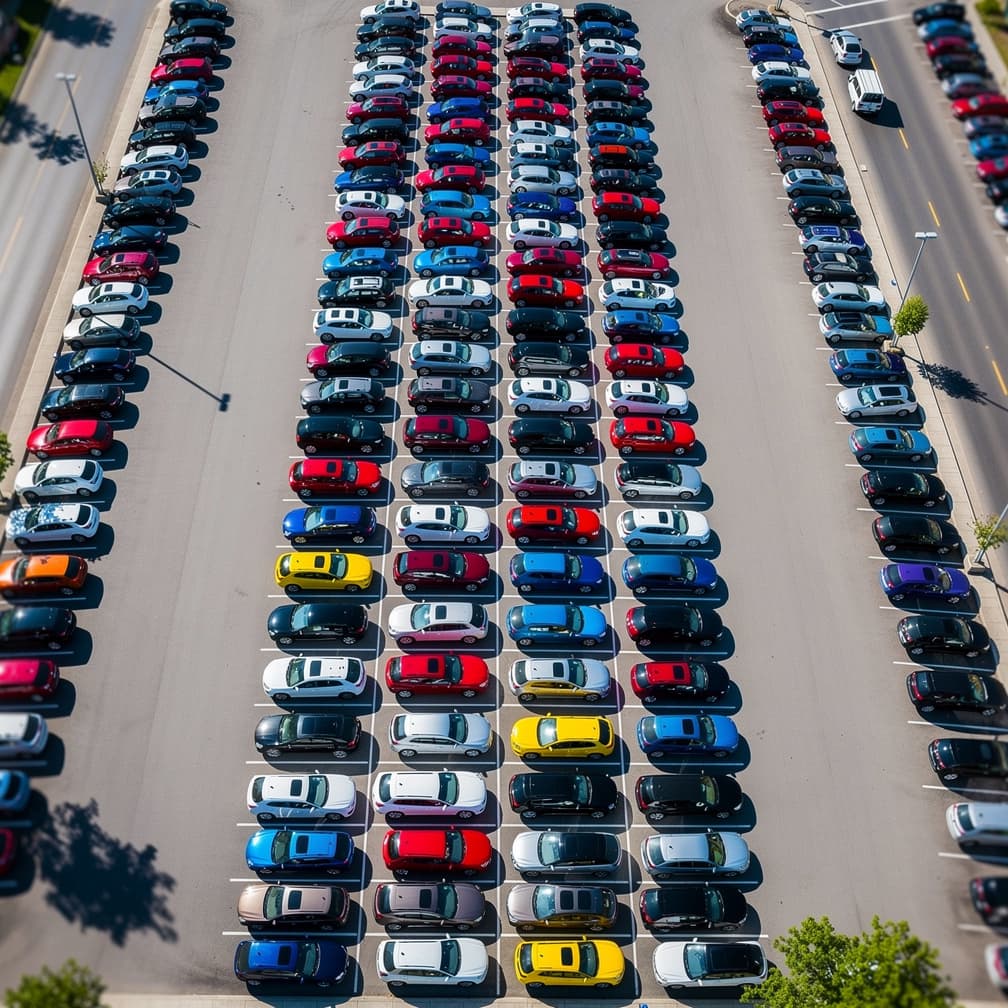
Weather planning deserves a direct conversation before you choose limits and deductibles. A single hailstorm can damage many units in one event, so you want the policy review to test whether your peak inventory values match the season when your lot is fullest. For example, a dealer carrying 40 extra units worth $1.2 million during tax refund season could face a six-figure gap if the policy limit reflects an average month instead. That gap means your insurer pays only up to the stated limit, leaving you to absorb the remaining loss out of pocket. If you add trucks, SUVs, powersports units, trailers, or higher value specialty vehicles at certain times of year, update the schedule before that concentration builds.
Movement rules also matter. If units go to detail shops, body shops, photo locations, auctions, or a second lot, ask how those trips are treated and whether any location or transit assumptions need to be listed. The same goes for demonstrations and test drives. You want the policy accurate enough that a claim file matches your daily operations.
A strong review also separates inventory exposure from garage liability, dealer plate use, and property at the office or service building. That keeps one policy from being asked to solve losses it was never designed to address. Before you buy, compare the covered causes of loss, location wording, valuation method, and any conditions tied to security, storage, or reporting.
Coverage Included

Weather Damage
Covers hail, wind, flood, and storm damage to lot inventory.

Theft Protection
Covers vehicles stolen from your lot.

Fire Damage
Covers fire and explosion damage to inventory vehicles.

Vandalism
Covers intentional damage to vehicles on your lot.

Test Drive Coverage
Covers vehicles during customer and employee test drives.
Transit Coverage
Covers vehicles being moved between lot locations.
Industries & Insurance Needs in Sioux Falls
Commercial density is the local pressure point. Minnehaha County has 6,195 business establishments, so dealers here often operate near other active businesses, shared access drives, customer parking fields, and leased commercial parcels where inventory can spill beyond the main frontage. That matters for dealer open lot insurance because a carrier will want a clearer picture of where units are actually kept, how lots are separated, and whether overflow storage changes visibility, access, or concentration of value. The county mix also helps explain traffic around many dealership locations: retail trade accounts for 13% of establishments, construction 11.9%, and health care and social assistance 9.4%. So if your inventory sits near shopping traffic, contractor vehicle movement, or medical-office corridors, review how often vehicles are repositioned, who has access after hours, and whether every storage address is scheduled correctly before you request terms.
What Makes Sioux Falls Different
Commercial spillover is what changes the calculus here. In a market where dealerships may need to use frontage, side parcels, or overflow arrangements to keep inventory visible and moving, the main underwriting issue is often lot configuration rather than the headline unit count. A clean submission should show which vehicles stay on the primary sales lot, which move through service or detailing, and which spend time at secondary storage locations. Exposure shifts when inventory is split across addresses, parked near other active businesses, or staged temporarily during heavier sales periods, so each arrangement deserves its own look. If your operation uses more than one parking pattern during the month, say that early. It gives the underwriter a truer picture of concentration, access, and valuation at each site. Build the policy around how inventory actually sits and moves today, not the setup you started with.
Our Recommendation for Sioux Falls
Start your review with a location map and a current unit schedule, then match each address to how vehicles are really used. If one area is front-line display, another is overflow, and another is tied to service or recon, ask for each storage pattern to be evaluated on its own facts. If you lease space from another business or use a parcel that is not always full, confirm that the address, maximum values, and access controls are described the same way on your application and your internal inventory records. Local households have a median income of $74,714, which tells you the typical buyer can finance a mid-range vehicle but may hesitate at premium price points. When your inventory skews toward higher-value units, a single hailstorm or vandalism event can hit harder than your policy expects. That is a good reason to update values before renewal and again when inventory shifts materially. If anything about lot use changed this year, request a fresh quote instead of rolling last term forward unchanged.
Get Dealer Open Lot Insurance in Sioux Falls
Enter your ZIP code to compare dealer open lot insurance rates from carriers in Sioux Falls, SD.
Business insurance starting at $25/mo
FAQ
Frequently Asked Questions
List any overflow location where inventory is regularly stored. If vehicles rotate between your main frontage and another parcel, the policy review should match those real storage patterns so values and locations are not understated.
Quote requests work better when you include each address, a current unit list, and a short explanation of how vehicles move between display, service, detailing, and overflow space. That gives the underwriter a usable picture of concentration and access.
Minnehaha County has 6,195 business establishments, which means dealerships here often share corridors with heavy foot traffic and neighboring operations that generate constant activity. Neighboring businesses can mean more foot traffic, more vehicles cutting through your lot, and more after-hours activity near your inventory. Address accuracy, lot layout, and access controls all carry more weight when your units are split across multiple parcels in busy corridors.
Minnehaha County's establishment mix includes retail trade at 13%, construction at 11.9%, and health care and social assistance at 9.4%, so your immediate neighbors shape the daily rhythm around your inventory in very different ways. Retail neighbors bring shoppers and traffic, construction neighbors bring heavy vehicles and dust, and health care neighbors bring shift workers parking at odd hours. Each of those can change how often your inventory gets repositioned or how much risk accumulates near your lot line.
Update values whenever the mix on the lot changes materially, not just at renewal. If you have shifted from lower-priced inventory toward higher-value units, your per-vehicle exposure may have outgrown the limits you set last year.
You get a better quote by sending a current inventory list, unit values, every storage address, and notes on offsite movement. Keep your quote documents and policy forms organized so you can compare assumptions before you bind coverage.
List each address where inventory is stored, including overflow or temporary locations. That gives the underwriter a clearer picture of exposure and reduces the chance that a claim turns on an address or storage pattern that was never disclosed.
A single hailstorm can damage dozens of units in minutes. If your deductible applies per unit, you could pay that deductible 40 times in one afternoon. Check whether your policy offers a single occurrence deductible for weather events, and confirm that your limit can handle total lot damage before storm season arrives.
Sources
- 1.U.S. Census Bureau, County Business Patterns, Minnehaha County(Minnehaha County has 6,195 business establishments.; The county mix includes retail trade at 13%, construction at 11.9%, and health care and social assistance at 9.4%.)
- 2.U.S. Census Bureau, ACS 5-Year Estimates, table B19013(Local median household income is $74,714.)
Updated July 16, 2026