Updated July 16, 2026

Key Takeaways
- Compare quotes using the same peak inventory value, deductible, and valuation assumptions so you can see real coverage differences.
- Ask in writing how the policy handles hail, flood, theft, vandalism, and test drives before you bind coverage.
- Prepare a current inventory schedule, offsite storage list, and security summary before requesting dealer open lot insurance quotes.
- Review whether flood needs separate placement instead of assuming another policy form includes it automatically.
- Requote after security upgrades, lot layout changes, or improved claims history so pricing reflects your current risk.
Dealer Open Lot Insurance in Tennessee
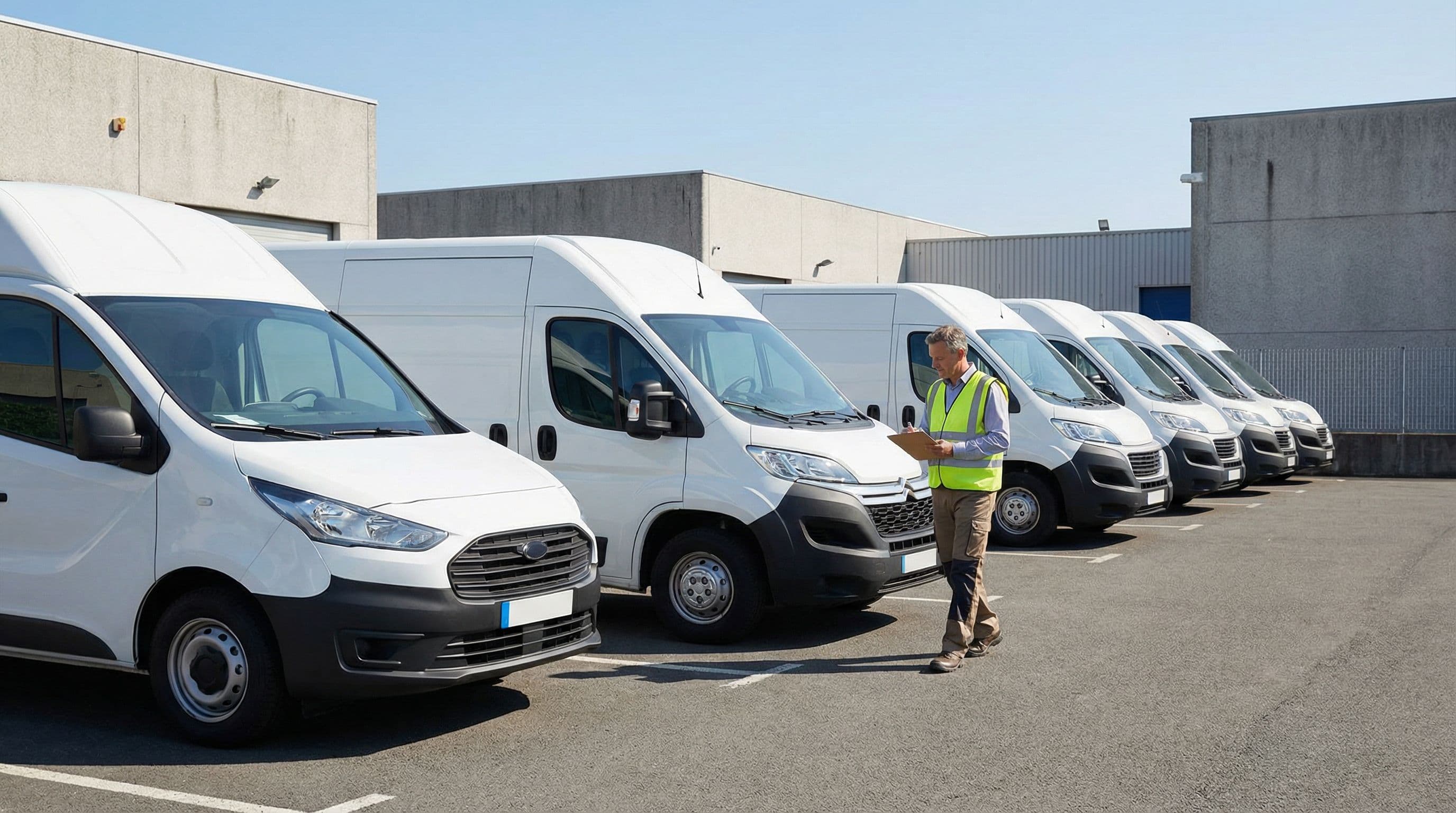
Landlords, floorplan lenders, and auction partners in Tennessee often want current proof that your inventory is insured before they release space, financing, or vehicles. They are looking for evidence that your lot exposure has been reviewed for where units are stored, how often they move between locations, and who has custody during transport or test drives. Dealer open lot insurance in Tennessee is less about a generic certificate and more about matching coverage to how your inventory actually turns. A single fenced lot creates one risk profile. A dealership that rotates units through overflow storage, auction pickups, recon vendors, and retail display creates another entirely, and the policy needs to reflect that distinction. Weather exposure also changes by season, so the details in your schedule, storage addresses, and valuation method matter. You should also expect policy forms, notices, and complaint handling to follow the state's insurance framework.
What Dealer Open Lot Insurance Covers
The real question is how your policy treats the way your inventory is spread across addresses, vendors, and routine dealership handling. If you keep some units on the main lot, some at overflow storage, and others at a reconditioning shop, ask for each location and use pattern to be addressed clearly in the quote. A vague application can leave you comparing prices without understanding whether the same inventory movement is being contemplated.
You should also review how the policy values vehicles at the time of loss. If your stock turns fast, ask how units are handled before they are formally added to the schedule, and how often the carrier expects reporting or updates. Those operational details affect whether a claim can help cover what your records show.
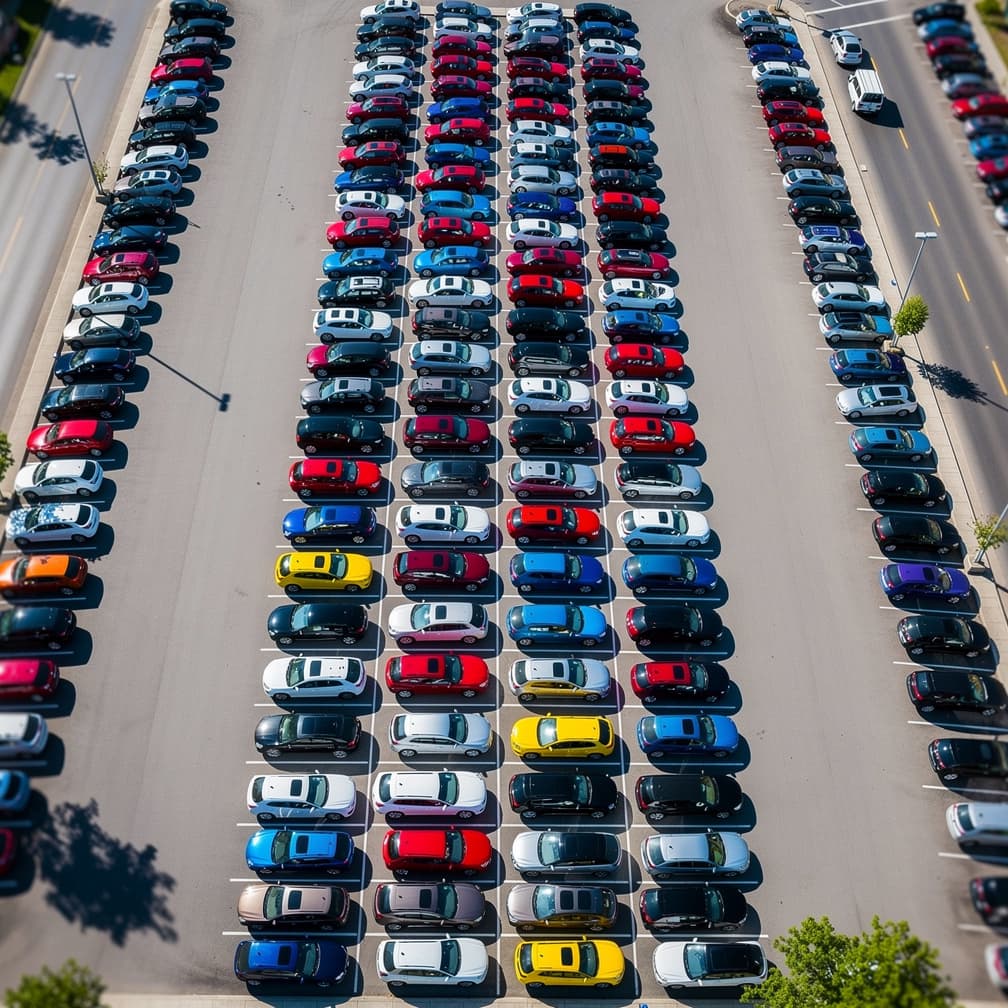
Tennessee weather and lot layout can also change what deserves attention. If units are parked tightly, near trees, on sloped pavement, or in areas that collect runoff, ask your agent to walk through those conditions during quoting instead of treating the lot as a flat, uniform exposure. The same goes for keys, gate access, camera coverage, and after-hours vehicle movement. A strong quote review should connect the policy language to your actual storage pattern, vendor handoffs, and inventory controls before you bind coverage.

Weather Damage
Covers hail, wind, flood, and storm damage to lot inventory.
Theft Protection
Covers vehicles stolen from your lot.
Fire Damage
Covers fire and explosion damage to inventory vehicles.

Vandalism
Covers intentional damage to vehicles on your lot.
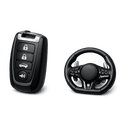
Test Drive Coverage
Covers vehicles during customer and employee test drives.
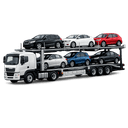
Transit Coverage
Covers vehicles being moved between lot locations.
Dealer Open Lot Insurance Requirements in Tennessee
- Tennessee weather can turn a lot upside down fast. If most of your inventory sits in one open area, one storm may exhaust your limit before you realize the exposure.
- If your dealership uses overflow storage or vendor locations, make sure each address is disclosed during quoting rather than assumed to be covered automatically.
- Dealers that buy frequently at auction should confirm how fresh acquisitions are handled before they are added to regular inventory reporting.
- If a landlord or floorplan lender requests proof of coverage, verify their wording requirements early so certificates and policy terms align before occupancy or funding.
How Much Does Dealer Open Lot Insurance Cost in Tennessee?
Dealer open lot insurance costs in Tennessee depend on how underwriters see the concentration and movement of your inventory, not just the fact that you sell vehicles. Start with the total value of units held for sale, then look at how that value is distributed. A single location with consistent counts can underwrite differently from a dealership that shifts vehicles between a retail lot, overflow storage, service areas, and auction runs. If your inventory spikes at certain times, mention that early so the quote reflects the exposure you actually carry.
Your vehicle mix also matters. A lot made up mostly of older, lower value units presents a different profile from one carrying newer trucks, specialty vehicles, or harder-to-replace inventory. Security controls can influence how the risk is viewed as well. Fencing, lighting, camera placement, key procedures, and documented lot checks all help an underwriter understand whether theft or vandalism losses are easier to prevent and investigate.
Weather-related accumulation should be part of the pricing conversation. If many units are stored in one open area, a single event can affect a large share of inventory at once, meaning one storm could exhaust your deductible and limit far faster than you expect. That is why you should ask each quote to spell out limits, deductibles, valuation approach, and any location assumptions. A lower premium is not useful if it is built on outdated inventory values or ignores offsite storage. The better buying move is to compare how each proposal treats peak inventory, temporary locations, and routine movement, then decide whether the deductible and limit structure fit your cash flow if a loss happens.
Request a Quote Comparison
Enter your ZIP code to compare dealer open lot insurance rates from top carriers.
Business insurance starting at $25/mo
Who Needs Dealer Open Lot Insurance?
Any business that owns vehicles for resale and keeps them exposed before delivery needs to look closely at this coverage. That includes the obvious retail lot, but it also includes operations that rely on overflow parking, offsite storage, auction purchases waiting for pickup, or vehicles staged at service and detail vendors. If your inventory is not always in one place, you need the quote to reflect that reality.
Independent dealers that buy frequently at auction and rotate units through reconditioning before front-line display need this attention to detail. So do franchise operations that hold larger concentrations of inventory and may have lender or internal reporting requirements tied to values and locations. Powersports, RV, trailer, or specialty dealers face the same exposure if titled inventory sits outdoors for long periods or moves between sales, storage, and prep areas.
You may also need to review this coverage sooner than renewal if your operation changes. Adding a second lot, taking on seasonal overflow space, increasing average unit values, or changing how test drives are handled can all alter the exposure enough to justify a fresh quote. The same is true if a landlord, lender, or auction partner asks for updated proof of insurance with specific terms. The practical trigger is simple: if your inventory handling has changed since the last application, your insurance review should change with it. Make sure the policy is built around your present operation, not last year's assumptions.
Dealer Open Lot Insurance by City in Tennessee
Dealer Open Lot Insurance rates and coverage options can vary across Tennessee. Select your city below for localized information:
How to Buy Dealer Open Lot Insurance
To buy dealer open lot coverage in Tennessee, start by building the submission an underwriter would want to see if a claim happened tomorrow. Pull a current inventory report with unit values, identify every address where vehicles are stored, and note which locations are permanent, temporary, or vendor controlled. If any units are kept offsite, say so up front. That is easier than trying to correct a quote after the carrier has priced the risk on incomplete location information.
From there, map how vehicles move through your operation. Underwriters want to understand auction pickups, transfers between lots, reconditioning stops, detail vendors, and customer test-drive procedures, along with who holds keys, how access is controlled after hours, and whether your lot checks are documented. The more concrete your process, the easier it is to compare quotes on terms instead of guessing what each carrier assumed.
Then ask each quote to answer the same Tennessee-specific questions. How are fresh acquisitions treated before reporting? How is inventory valued at loss time? Are temporary storage locations contemplated? What deductible applies if one weather event affects multiple units? If a lender requires proof of coverage, ask for the exact wording they expect before binding. Request a quote through CPK Insurance to compare your options with participating licensed providers.
How to Save on Dealer Open Lot Insurance
The most dependable way to save on dealer open lot insurance in Tennessee is to make your inventory easier to verify, protect, and value. Start with clean records. If your unit list, acquisition dates, values, and storage addresses are current, an underwriter spends less time pricing uncertainty. That can lead to a more confident quote than a submission with missing locations or inconsistent counts.
You can also reduce avoidable cost by tightening how inventory is stored and tracked. Separate front-line inventory from units waiting on parts or title work. Keep overflow locations documented. Use written key control procedures, after-hours access rules, and routine lot inspection logs. If a theft or weather claim occurs, those records help show what was on hand, where it was kept, and when conditions changed. Better documentation does not guarantee a lower premium, but it gives the underwriter less ambiguity to price.
Another practical savings move is to review limits and deductibles against your real cash position, not habit. A deductible that looks manageable on paper may feel very different if several units are damaged in one event. On the other hand, carrying a limit far above your normal peak inventory can mean paying for capacity you do not use. Ask for options and compare them against your highest likely inventory concentration. Finally, update the policy when your operation changes instead of waiting for renewal. If you close an overflow lot, improve fencing, change vendors, or reduce average unit values, bring that into the next quote request. Savings usually come from sharper underwriting information and fewer surprises, not from stripping out terms you may need during a claim.
Our Recommendation for Tennessee
In Tennessee, buy this coverage like an operator, not like a shopper comparing one-line premiums. First, map every place inventory can sit for more than a brief handoff, including overflow storage, vendor locations, and any secondary lot. If an address is missing from the submission, ask for it to be reviewed before you compare pricing.
Second, match your limit to peak inventory, not an average month that looks better on paper. Dealers often know when values build up, whether from auction buying, seasonal demand, or delayed retail turnover. Quote for the concentration you actually carry when the lot is fullest.
Third, press on valuation and reporting mechanics. Ask how fresh acquisitions are treated, how often inventory should be updated, and what records will support a claim. Those details matter more than a small premium difference if a loss affects multiple vehicles. Finally, keep lender and landlord requirements in front of you during the quote process. If they expect proof of coverage with specific wording or timing, provide that request before binding so the policy and certificate process line up.
FAQ
Frequently Asked Questions
Tennessee lenders often want proof that inventory exposure has been insured before financing is finalized. Requirements vary by lender, so bring their requested wording, location details, and valuation expectations into the quote process before binding.
Dealers should disclose every storage address during quoting, including overflow lots and vendor locations. Offsite inventory is a common point of confusion, so ask each quote to show clearly how those locations are contemplated.
The Tennessee Department of Commerce and Insurance regulates insurance in the state. That matters when you review policy forms, notices, and complaint procedures, so keep your final policy documents and endorsements organized after binding.
Dealers can often address fresh inventory in the quote, but treatment depends on policy terms and reporting rules. Ask specifically how auction purchases are handled before arrival, during transport, and before schedule updates are submitted.
Quote requests work better when you include a current inventory list, unit values, all storage addresses, vendor handoffs, and test-drive procedures. That gives underwriters a clearer picture of how your inventory actually moves and accumulates.
Tennessee weather can change the loss pattern on a lot, especially if many vehicles are stored in one open area. Review concentration, drainage, tree exposure, and temporary storage practices so the quote reflects your real conditions.
Do not wait for renewal if your inventory values, storage locations, or operating practices have shifted. A policy built around last year's assumptions can leave gaps exactly when you need the coverage to respond.
Dealer open lot insurance nationwide is generally reviewed for damage or loss to vehicles you own for sale, including hail, wind, theft, vandalism, fire, flood, and test drive exposure, depending on your policy terms, deductibles, valuation method, and any location or off-premises limitations.
Sources
- 1.Tennessee Department of Commerce and Insurance(Tennessee insurance regulation is overseen by the Tennessee Department of Commerce and Insurance.)
Updated July 16, 2026