Updated July 5, 2026

Dealer Open Lot Insurance in Nashville
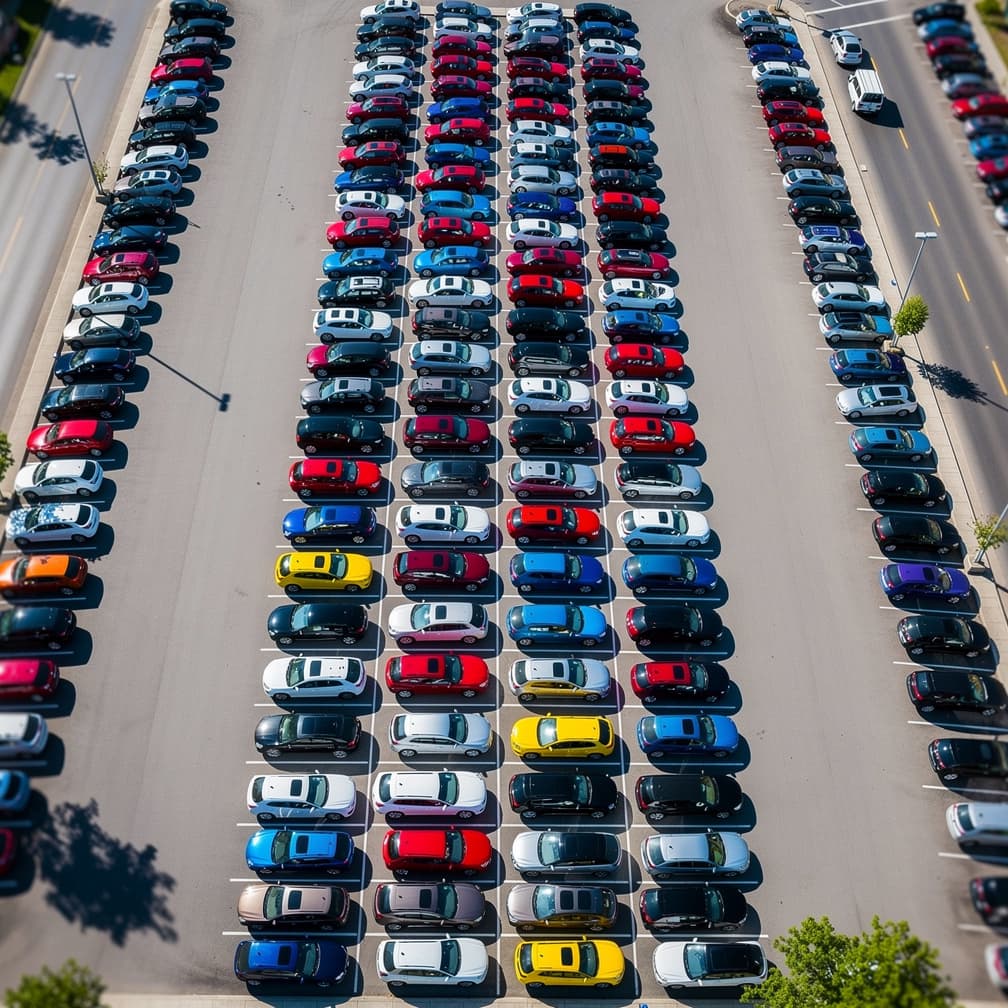
Inventory concentration is the sharpest difference here. Dealer open lot insurance in Nashville usually gets reviewed through the lens of how many vehicles you keep exposed at one address, how often you rotate units between overflow space and the front line, and how visible your lot is to nearby retail traffic. That matters because many dealers operate in dense commercial corridors where neighboring tenants, shared access points, and frequent customer movement can change how underwriters look at security, fencing, lighting, and key control. If your operation sits near other active storefronts or service businesses, a quote should spell out where vehicles are parked after hours, whether any inventory is stored off the main lot, and how transport between locations is documented. This market also serves households with a median income of $75,197, which can affect the mix of units you carry and the average value sitting outside overnight. Before you bind coverage, line up a current inventory schedule, your maximum lot values by location, and any seasonal overflow plan so the policy is reviewed against your real exposure.
Dealer Open Lot Insurance Risk Factors in Nashville
Nashville's top risk factors include Tornado damage, Hail damage, Severe storm damage, and Wind damage.
Tennessee has a high climate risk rating. Top hazards: Tornado (Very High), Flooding (High), Severe Storm (High), Earthquake (Moderate). The state's expected annual loss from natural hazards is $1.8B, which influences dealer open lot insurance premiums and may affect coverage availability in high-risk areas.
What Dealer Open Lot Insurance Covers
The real question is how your policy treats the way your inventory is spread across addresses, vendors, and routine dealership handling. If you keep some units on the main lot, some at overflow storage, and others at a reconditioning shop, ask for each location and use pattern to be addressed clearly in the quote. A vague application can leave you comparing prices without understanding whether the same inventory movement is being contemplated.
You should also review how the policy values vehicles at the time of loss. If your stock turns fast, ask how units are handled before they are formally added to the schedule, and how often the carrier expects reporting or updates. Those operational details affect whether a claim can help cover what your records show.
Tennessee weather and lot layout can also change what deserves attention. If units are parked tightly, near trees, on sloped pavement, or in areas that collect runoff, ask your agent to walk through those conditions during quoting instead of treating the lot as a flat, uniform exposure. The same goes for keys, gate access, camera coverage, and after-hours vehicle movement. A strong quote review should connect the policy language to your actual storage pattern, vendor handoffs, and inventory controls before you bind coverage.
Coverage Included

Weather Damage
Covers hail, wind, flood, and storm damage to lot inventory.
Theft Protection
Covers vehicles stolen from your lot.
Fire Damage
Covers fire and explosion damage to inventory vehicles.

Vandalism
Covers intentional damage to vehicles on your lot.
Test Drive Coverage
Covers vehicles during customer and employee test drives.
Transit Coverage
Covers vehicles being moved between lot locations.
Industries & Insurance Needs in Nashville
The county business mix changes how a local lot operates day to day. In Davidson County, retail trade accounts for 12.4% of establishments, accommodation and food services 11.3%, and professional, scientific, and technical services 11%, so many dealers work in commercial areas with steady visitor traffic, nearby parking demand, and neighboring businesses that can affect access, signage, and after-hours vehicle placement. For dealer open lot insurance, that means your site plan matters. A lot tucked into a mixed-use corridor may need clearer documentation of where sale units end, customer parking begins, and whether vehicles are ever staged offsite or along secondary frontage. If your operation relies on overflow parking during weekend traffic or nearby events, bring that up before binding. Underwriters usually want the real storage pattern, not the ideal one on paper. A quote is more useful when it reflects your actual layout, your busiest traffic periods, and any shared-drive or shared-lot conditions that could affect a loss.
What Affects Dealer Open Lot Rates in Nashville
Local cost discussions tend to turn on concentration and unit value, not just dealer size. Nashville households have a median income of this level, so some dealers here may carry a mix that includes higher-value used inventory or faster-turn units that raise the amount exposed on the lot at one time. That is worth addressing directly in a quote request. Instead of asking only for a broad premium estimate, give the underwriter your peak inventory values, the number of vehicles typically kept outside overnight, and whether any units move to overflow storage during busy periods. If your stock changes quickly, ask how reporting values should be handled so your limit keeps pace with what is actually on hand. A lower average inventory month does not help much if your busiest weeks leave you underinsured. The practical step is to review your highest total lot value from the past year and quote to that exposure, then confirm how newly acquired vehicles and temporary storage are treated.
What Makes Nashville Different
Inventory concentration is what changes the calculus here. In a market tied to dense commercial corridors, dealer open lot coverage is less about a generic used car lot profile and more about how tightly your vehicles are packed, where they sit after hours, and whether your storage pattern changes during the month. Davidson County's business base points to a busy operating environment, so a dealer may face more scrutiny around lot layout, ingress and egress, and separation between sale inventory, customer vehicles, and neighboring activity. That can affect how an underwriter views theft controls, damage potential, and the accuracy of your stated maximum values. The practical takeaway is simple: do not quote this like a single, static lot if that is not how you operate. If you use overflow space, rotate units between addresses, or stage vehicles differently on weekends, ask for those details to be scheduled and reviewed up front. That is often where a local placement succeeds or leaves a gap.
Our Recommendation for Nashville
Start with your real maximum exposure, not your average month. Pull the highest recent total value of vehicles held for sale, then separate what stays on the main lot from what moves to overflow or temporary storage. If your inventory mix changes with local demand, note when higher-value units are most likely to accumulate and ask whether your limit still fits that peak. Next, document your physical controls in plain terms: fencing, lighting, camera placement, key procedures, and who can move vehicles after hours. If your lot sits in a busy commercial stretch, include a simple site diagram showing entrances, display rows, customer parking, and any adjacent storage area. That gives the underwriter a clearer picture than a vehicle count alone. Finally, review how newly acquired units, auction pickups, and in-transit movements are handled before you buy. If any answer sounds assumed rather than stated in the policy terms, ask for it to be clarified in writing before coverage starts.
Get Dealer Open Lot Insurance in Nashville
Enter your ZIP code to compare dealer open lot insurance rates from carriers in Nashville, TN.
Business insurance starting at $25/mo
FAQ
Frequently Asked Questions
Nashville locations in active commercial corridors often need a closer review of lot layout, overnight storage, and access control. Shared drives, neighboring traffic, and overflow parking should be disclosed before binding so the quote matches how your lot actually operates.
Nashville dealers usually benefit from quoting to peak lot value, not a slower month. If your inventory mix shifts with local demand, your highest total value on hand is the figure worth reviewing so temporary spikes do not leave a gap.
Davidson County business patterns can affect how your lot functions day to day. Retail trade is 12.4% of establishments, accommodation and food services 11.3%, and professional, scientific, and technical services 11%, so nearby traffic and parking pressure may shape storage practices.
Nashville demand can influence the value and mix of units you keep outside. If you stock higher-value inventory for the local market, review whether your lot limit matches your busiest weeks and any seasonal buildup in vehicles held for sale.
Nashville policyholders can direct insurance complaints or licensing questions to the Tennessee Department of Commerce and Insurance. That is most useful after you first review your declarations, endorsements, and inventory schedule to pinpoint the issue clearly.
Tennessee lenders often want proof that inventory exposure has been insured before financing is finalized. Requirements vary by lender, so bring their requested wording, location details, and valuation expectations into the quote process before binding.
Dealers should disclose every storage address during quoting, including overflow lots and vendor locations. Offsite inventory is a common point of confusion, so ask each quote to show clearly how those locations are contemplated.
The Tennessee Department of Commerce and Insurance regulates insurance in the state. That matters when you review policy forms, notices, and complaint procedures, so keep your final policy documents and endorsements organized after binding.
Sources
- 1.U.S. Census Bureau, ACS 5-Year Estimates, table B19013(This market also serves households with a median income of $75,197, which can affect the mix of units you carry and the average value sitting outside overnight.)
- 2.U.S. Census Bureau, County Business Patterns, Davidson County(In Davidson County, retail trade accounts for 12.4% of establishments, accommodation and food services 11.3%, and professional, scientific, and technical services 11%, so many dealers work in commercial areas with steady visitor traffic, nearby parking demand, and neighboring businesses that can affect access, signage, and after-hours vehicle placement.)
- 3.Tennessee Department of Commerce and Insurance(Nashville policyholders can direct insurance complaints or licensing questions to the Tennessee Department of Commerce and Insurance.)
Updated July 5, 2026