Updated July 16, 2026

Key Takeaways
- Compare liquor liability quotes using the same limits and the same description of your alcohol operations, then read exclusions and defense wording before you choose a policy.
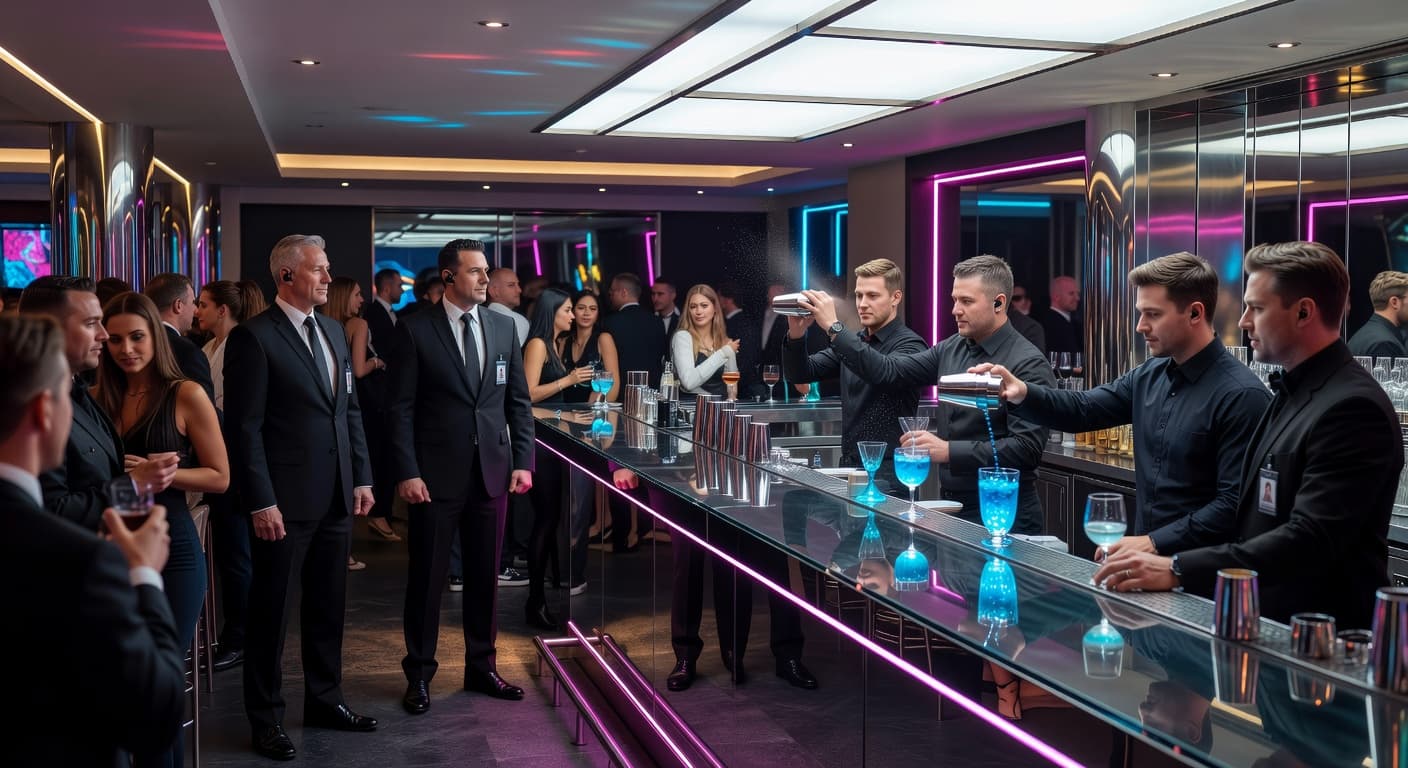
- Ask whether assault and battery is included, limited, or excluded, especially if you operate late hours, use security, host events, or manage crowded service areas.
- Document ID checks, server training, incident logs, and cut-off procedures so your application and your claim file both support how you actually operate.
- Review contracts from landlords, venues, and event partners early so you can match liquor liability limits and certificate requirements before binding coverage.
- Separate host liquor questions from true liquor liability needs if alcohol is only furnished occasionally and not part of your regular business revenue.
Liquor Liability Insurance in Tennessee
A landlord, event host, distributor, or lender may want proof that alcohol-related liability is addressed before they sign your lease, approve your license, or hand over keys. This coverage is usually less about checking a box and more about matching protection to how you actually sell or serve. That could mean a neighborhood bar, a restaurant with a busy late-night crowd, a brewery taproom, a wedding venue, or a caterer pouring at off-site events.
Start by listing how, where, and when alcohol moves through your business. A package built for table service can miss exposures tied to security, special events, temporary staff, delivery, or alcohol service away from your main premises. Buyers also need to read policy language closely so they know who is insured, which locations are scheduled, and whether defense costs, assault and battery wording, and event-specific activity are handled the way their contracts expect. The Tennessee Department of Commerce and Insurance regulates insurance in the state. If a form, notice, or carrier filing raises questions, you can contact that agency to verify details before you bind coverage.
What Liquor Liability Insurance Covers
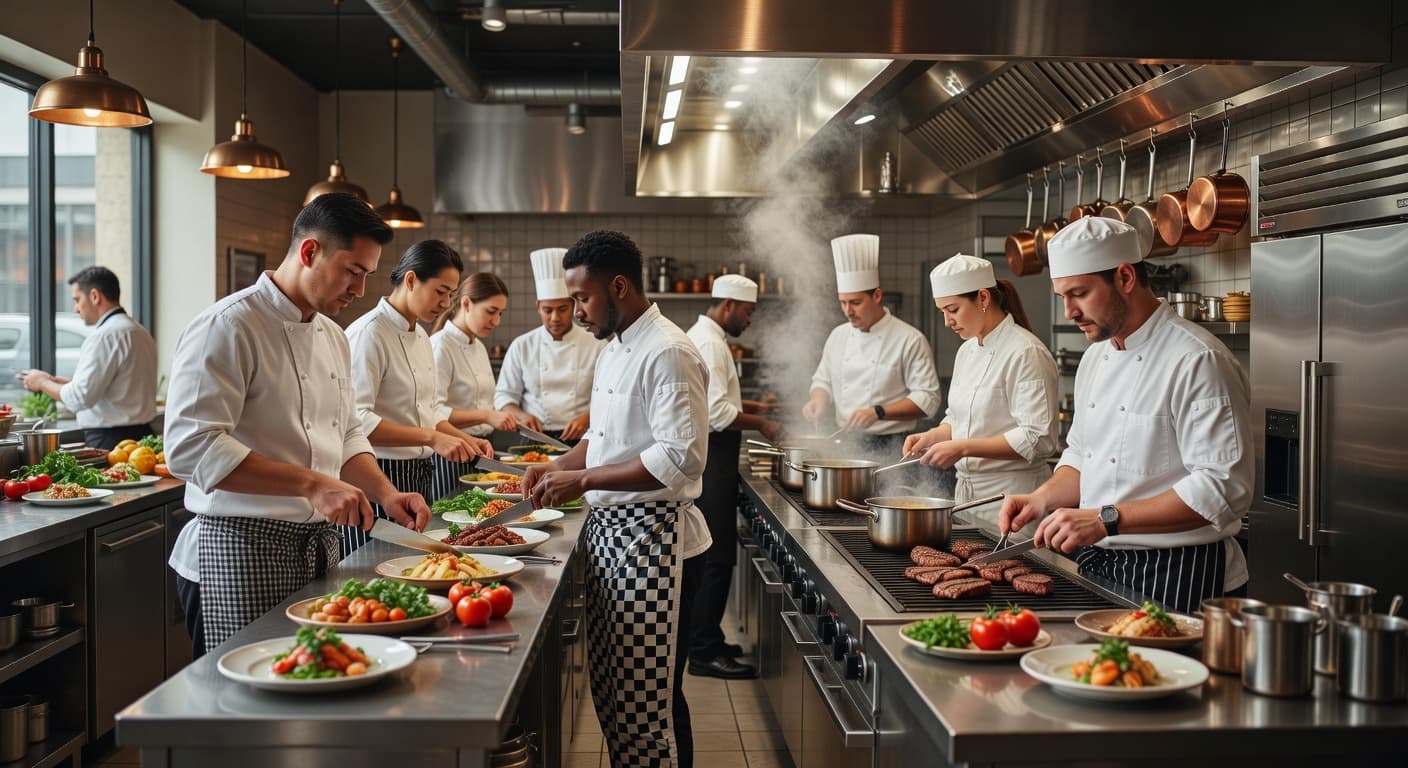
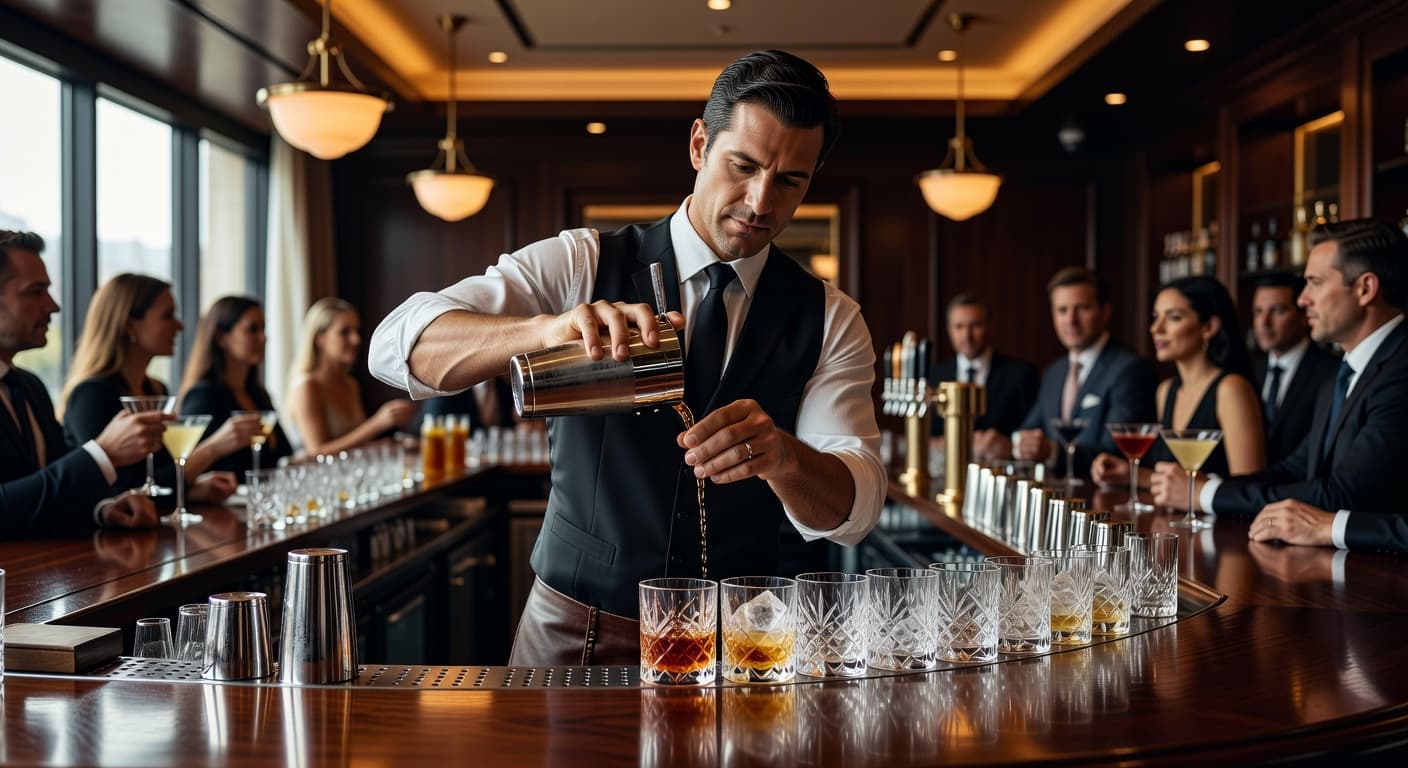
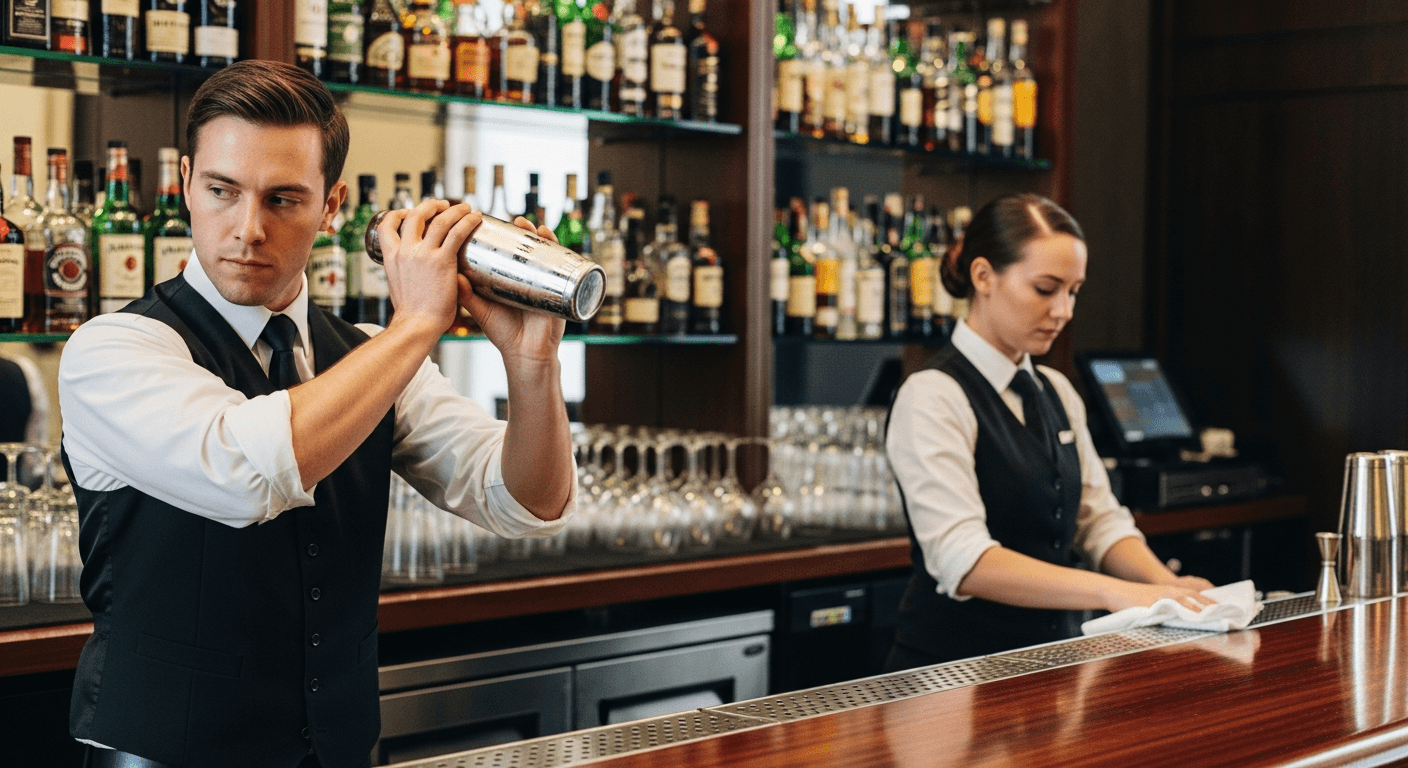
A restaurant that serves beer and cocktails with meals presents a different exposure than a music venue with door staff, a brewery with tastings, or a caterer that pours at private events under someone else's roof. Your review should focus on where service happens, who serves, how IDs are checked, when service stops, and whether alcohol is a side offering or a core revenue stream.
Policy wording can separate premises-based service from off-site service, scheduled events from unscheduled ones, and named insured operations from activities handled by subcontracted bartenders or affiliated entities. If you run more than one location, confirm each address is listed correctly. If you host pop-ups, festivals, or private rentals, ask whether those dates and venues need to be specifically scheduled. If your lease requires additional insured status or a certificate with particular wording, request that before the event calendar fills up.
You should also review how the policy handles defense costs, exclusions, and endorsements that can materially change claim handling. Defense costs are what your insurer pays to defend you against a claim, and in some policies those costs can erode your coverage limits, leaving less money to pay a settlement or judgment. For hospitality businesses, the practical buying step is to list your alcohol service by location, event type, and staffing model. Then compare that list against the quote form line by line. That is how you catch gaps before a contract is signed or a busy weekend starts.

Bodily Injury Liability
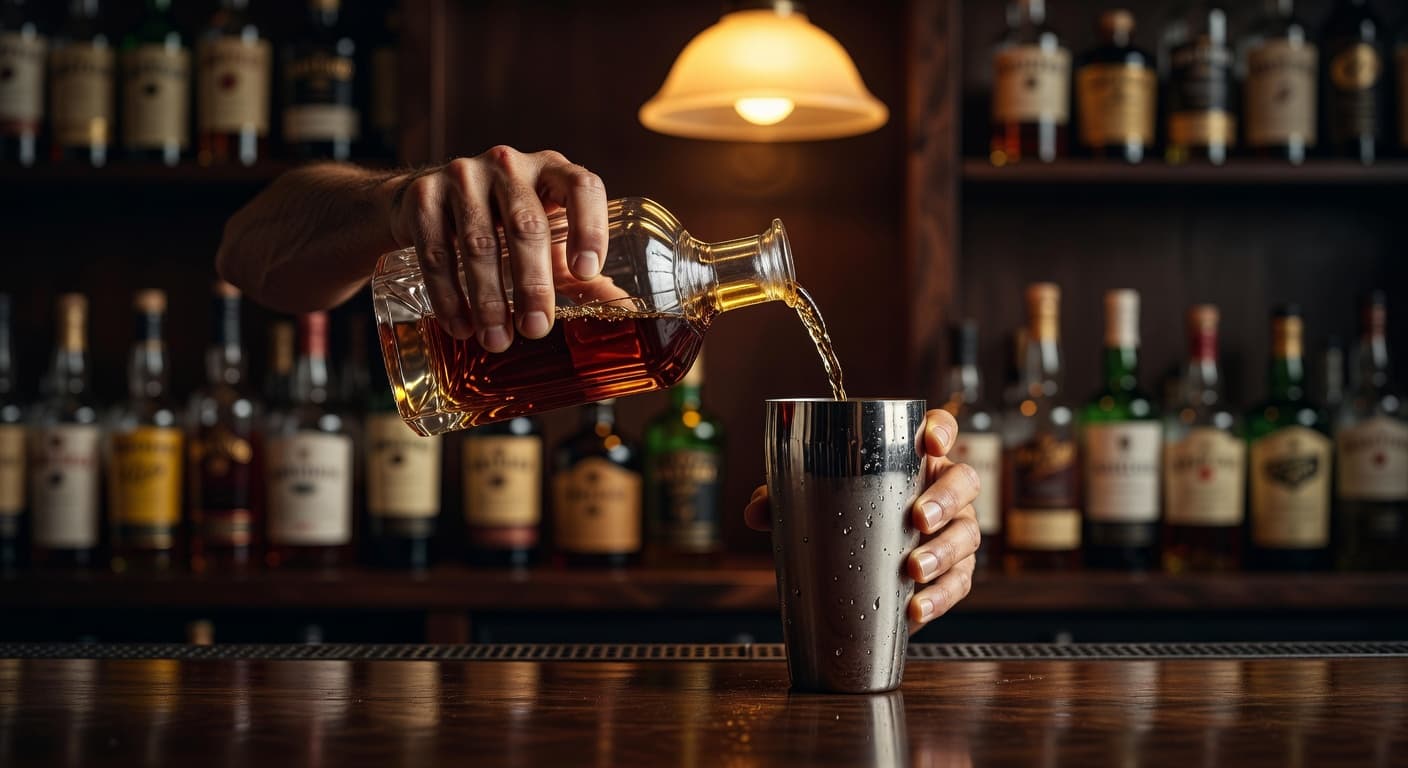
Can help cover injuries an intoxicated patron causes to others after your business served or sold them alcohol.

Property Damage Liability
May pay for property damage caused by an intoxicated customer your establishment served, such as a car crash after leaving.
Assault & Battery
Can help cover claims arising from fights or physical altercations involving intoxicated patrons at your bar or restaurant.

Defense Costs
May pay for attorneys, court fees, and related legal expenses when your business is sued over an alcohol-related incident.

Host Liquor Liability
Can help cover alcohol-related claims from events where you host or serve drinks without selling them, like company parties.
Liquor Liability Insurance Requirements in Tennessee
- Venues that host weddings, concerts, or private rentals should confirm whether one-time events and recurring event series need to be specifically scheduled on the policy. If your business uses separate entities for operations, real estate, or event management, review the insured structure carefully so contracts and certificates point to the right names.
- Restaurants, taprooms, and music venues with changing hours or seasonal event calendars should update underwriting details before renewal instead of relying on last year's application.
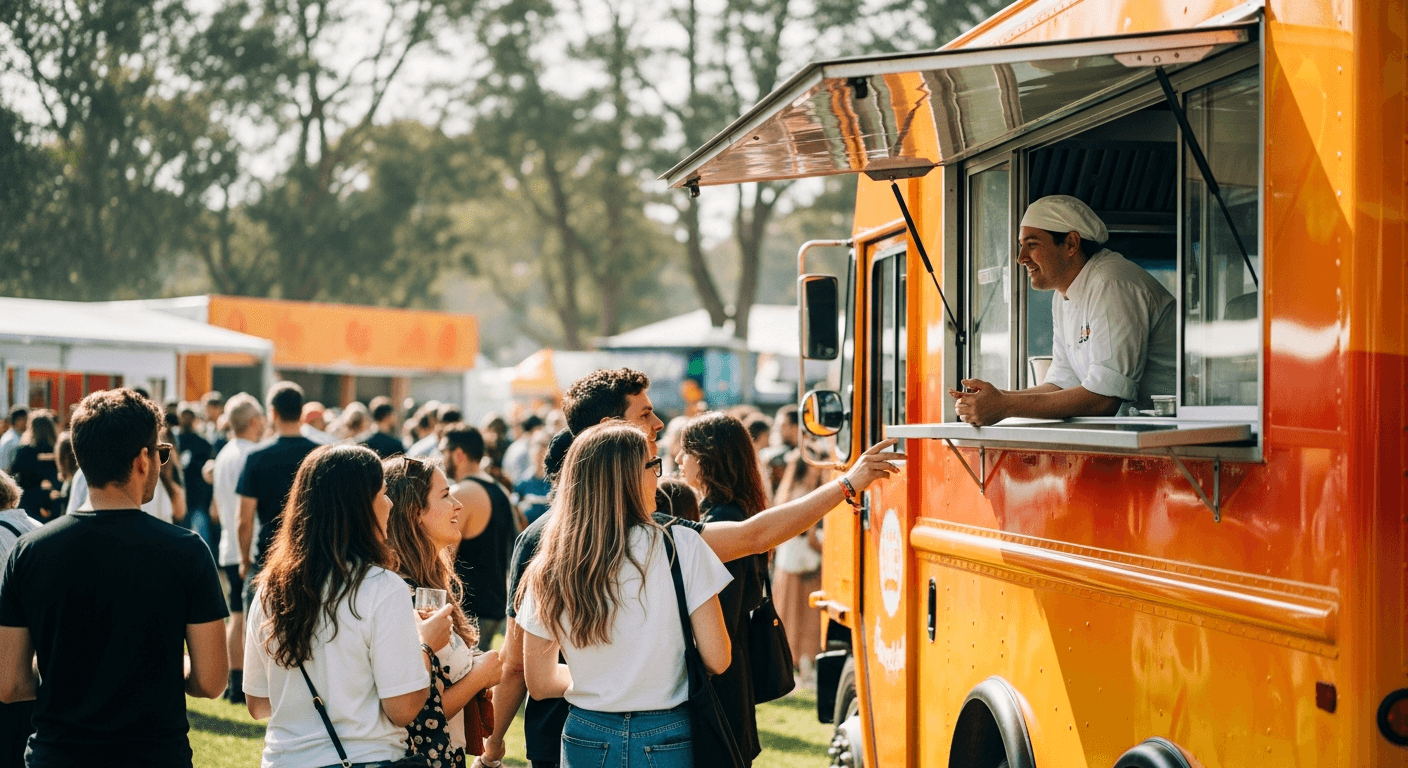
- Caterers and mobile bartending operations should verify how off-premises service is treated, especially when another venue controls security, guest lists, or alcohol inventory.
How Much Does Liquor Liability Insurance Cost in Tennessee?
Average Cost in Tennessee
$50 - $230
per month
Businesses in Tennessee typically see liquor liability insurance premiums of $50 - $230 per month, which tends to run 3% below the national range of $50 - $240 per month.
- Share of sales that comes from alcohol
- Type of venue and how late you serve
- Server training and service procedures
- State dram shop law
- Liquor liability limits selected
- Prior over-service or assault claims
Contact CPK Insurance for a personalized quote.
Liquor liability pricing usually moves with exposure details you can actually document. Premiums vary widely depending on alcohol sales volume, hours of service, entertainment, security procedures, prior claims, limits, deductibles, and whether service stays at one premises or extends to catered and special-event work. A quiet restaurant with controlled table service may present a different profile than a bar with late closing hours, live music, and a heavier share of alcohol receipts. A wedding venue that allows outside bartending can be rated differently from a venue that controls service with its own trained staff. A brewery or winery with tastings, tours, and retail sales may need underwriting to account for multiple customer touchpoints rather than a single service model. If you deliver alcohol, host ticketed events, or operate in more than one entity name, expect underwriters to ask for more detail before they finalize terms.
The most useful way to shop is to prepare a clean submission. Include your estimated alcohol receipts, business description, hours, security practices, incident procedures, training approach, and any upcoming off-site events. Ask each quote source to show the same limits and key endorsements so you are comparing like with like. If one option is materially cheaper, find out whether it excludes assault and battery, narrows event coverage, or handles defense costs differently. A lower premium only helps if the policy still fits the way you serve.
Prices shown are general estimates, not guaranteed rates or quotes. Your actual premium will depend on the insurer, coverage selected, business details, location, claims history, and other underwriting factors. Learn about our pricing methodology.
Request a Quote Comparison
Enter your ZIP code to compare liquor liability insurance rates from top carriers.
Business insurance starting at $25/mo
Who Needs Liquor Liability Insurance?
This coverage deserves a close look anywhere alcohol service can change the severity of a claim or become a contract issue. That includes bars and taverns, restaurants and breweries, wineries and distilleries with tasting rooms, private clubs and music venues, hotels and bowling centers, caterers and banquet halls, wedding venues, concession operators, and mobile bartending businesses. It also matters for businesses that do not think of themselves as alcohol-first operations but still generate exposure through receptions, private rentals, or packaged alcohol sales.
The need becomes more obvious when you look at how your business is presented to others. A landlord may ask for proof of coverage before turning over keys. An event client may require a certificate before the first guest arrives. A distributor, lender, or franchise system may want evidence that alcohol-related liability is addressed in a way that matches your operating agreement. If you use separate LLCs for the building, the operating company, and event management, each entity should be reviewed so the insured structure matches the contract structure.
Businesses with seasonal peaks should pay special attention. A venue that is quiet midweek can still face concentrated exposure during football weekends, holiday parties, wedding season, or festival dates. If you add temporary staff, security, or outside bartenders during those periods, your insurance review should happen before the calendar fills. The practical test is simple: if alcohol is sold, served, furnished, or central to the event experience, review your policy to confirm it fits those operations rather than assuming a general policy will respond.
Liquor Liability Insurance by City in Tennessee
Liquor Liability Insurance rates and coverage options can vary across Tennessee. Select your city below for localized information:
How to Buy Liquor Liability Insurance
Start your purchase process by gathering the documents underwriters actually use. That usually means your current policy if you have one, loss runs if available, estimated annual alcohol receipts, total sales, hours of operation, event schedule, security procedures, and a short description of how service works at each location. If you cater or pour off-site, list the types of events, who controls service, and whether certificates are routinely requested by venues or clients.
Next, decide what has to be shown on the quote beyond the premium. Ask for the named insureds exactly as they appear on leases and contracts. Confirm every location that serves alcohol is scheduled correctly. If you have a taproom, restaurant, and event space under related entities, make sure the application explains that structure clearly. This is also the stage to ask about additional insured requests, primary and noncontributory wording if required by contract, and any event-specific certificate turnaround you may need during busy periods.
Then compare quotes on form, not just price. Review limits, exclusions, defense treatment, and endorsements that affect assault and battery allegations, off-premises service, temporary events, and hired bartenders. If an underwriter asks follow-up questions, answer with operational detail rather than broad assurances. Clear submissions tend to produce cleaner terms. Before binding, read the specimen or proposal carefully and verify that the policy matches your actual alcohol operations for the coming term, not last year's setup. Ready to compare options? Request a quote through CPK Insurance and we will match you with participating licensed providers.
How to Save on Liquor Liability Insurance
The safest way to lower liquor liability costs is to make your operation easier for an underwriter to understand and more defensible in a claim. Start with written alcohol service procedures. Document ID checks, refusal protocols, incident reporting, manager escalation, and closing-time controls. If security is used, describe when they are present and what they do. If service stops before the venue closes, note that clearly. Specific procedures can help an underwriter distinguish a controlled operation from a loosely managed one.
You can also save by tightening the submission itself. Separate alcohol receipts from food or other revenue so the exposure is not overstated. Keep entity names, addresses, and event descriptions consistent across applications, leases, and prior policies. If you only host a limited number of off-site events, say so and estimate them accurately rather than leaving the exposure open-ended. Clean information reduces the chance of conservative pricing based on assumptions.
Another practical move is to review contracts before renewal. If a landlord or client requires certain limits or additional insured wording, build that into the quote request early instead of adding endorsements after binding. Midterm changes can complicate administration and limit your options. Finally, compare quotes using the same limits and operational facts. A lower number may simply reflect narrower terms. Savings are real only when the policy still matches your service model, event calendar, and certificate obligations.
Our Recommendation for Tennessee
For buyers, the strongest approach is to underwrite your own operation before the carrier does. Write down every way alcohol is sold or served: regular premises service, private events, tastings, festivals, catered jobs, package sales, and any activity handled by a related entity or subcontracted bartender. Then use that list to test each quote for missing locations, unscheduled events, or insured-name problems.
Pay close attention to contracts. If your lease, venue agreement, or client packet asks for additional insured status, specific limits, or certificates on short notice, bring those requirements into the quote process at the start. That avoids buying a policy that looks workable until the first event coordinator asks for wording the carrier will not issue.
I would also review defense treatment and any exclusions that could reshape a claim. Hospitality businesses often focus on premium first, but the more important question is how the policy responds when an allegation involves security, late-night service, or an off-site event. Before you bind, ask for a plain-language explanation of what is covered at your main premises, what is covered away from it, and what must be scheduled in advance.
FAQ
Frequently Asked Questions
Liquor liability insurance is regulated by the Tennessee Department of Commerce and Insurance. If you need to verify a carrier, filing issue, or policy notice before binding, you can contact that state agency to check first.
Wedding venues often benefit from a policy review when alcohol is part of receptions or private rentals. The key issue is whether the venue, caterer, or bartender controls service, because contracts and certificates usually follow that operational split.
Restaurants should not assume general liability handles alcohol-related allegations the same way. If you serve beer, wine, or cocktails, review your policy to confirm it specifically addresses your alcohol service model and any off-site events.
Bars usually get better quote results when they submit alcohol receipts, hours, security procedures, prior losses, and a clear description of service. Underwriters use those details to decide terms, exclusions, and pricing.
Caterers may be able to buy coverage that can help with off-site alcohol service, but the quote needs event details. Ask whether venues must be scheduled, whether hired bartenders are contemplated, and how certificates are issued for each job.
Businesses should check named insureds, location details, effective dates, and any required additional insured wording before sending a certificate. A certificate that does not match the contract can delay an opening, event, or lease signing.
Breweries and taprooms often do, because tastings, tours, packaged sales, and event nights can create a different underwriting picture than table-service dining. Ask the quote source to review each revenue stream and customer interaction.
U.S. businesses that sell, serve, or distribute alcohol should review liquor liability insurance. That usually includes bars, restaurants, breweries, wineries, liquor stores, caterers, hotels, and event venues, especially when alcohol service is part of normal operations rather than an occasional event.
Sources
- 1.Tennessee Department of Commerce and Insurance(The Tennessee Department of Commerce and Insurance regulates insurance in the state.)
Updated July 16, 2026