








































Updated July 16, 2026

Builders Risk Insurance in Knoxville
Renovation-driven valuation is the sharpest difference here. Many local projects are not ground-up builds on empty sites, but additions, interior rebuilds, and phased work on properties where the finished value matters as much as the materials on site. If you are shopping for builders risk insurance in Knoxville, that changes how you should present the job to underwriters. The city's median home value is $214,000, meaning a modest residential project can create a meaningful gap between the current structure value, the renovation budget, and the completed value you are trying to protect. Knoxville median household income is $50,994, and that figure tends to push owners toward phased work, longer material storage, and stretched timelines around financing. That matters because stretched timelines mean materials sit longer on site, raising the chance of theft or weather damage before installation. Include those realities in your quote request. Instead of sending only a construction budget, line up the property address, scope by phase, who carries the financial interest, where materials will be kept, and the target completion value. That gives you a cleaner way to review limits, soft cost needs, and vacancy or occupancy questions before the project starts.
Builders Risk Insurance Risk Factors in Knoxville
Knoxville's top risk factors include Tornado damage, Hail damage, Severe storm damage, and Wind damage.
Tennessee has a high climate risk rating. Top hazards: Tornado (Very High), Flooding (High), Severe Storm (High), Earthquake (Moderate). The state's expected annual loss from natural hazards is $1.8B, which influences builders risk insurance premiums and may affect coverage availability in high-risk areas.
What Builders Risk Insurance Covers
For a Tennessee project, the practical coverage review starts with the jobsite map and the build sequence, not a generic checklist. You want to confirm exactly which structure is being insured, which materials are intended to become part of the work, and at what point property is considered covered while it is on site, in temporary storage, or in transit if those options are being considered. That matters on projects where deliveries arrive in stages and installation stretches over multiple inspections and weather windows.
Renovation work deserves a closer read than ground-up construction. If you are improving an existing building, ask where the policy draws the line between the new work, existing structure, and any owner-furnished materials. An owner rehabbing an occupied property may need to separate what is part of the contract work from what remains business personal property or real property already insured elsewhere. If that line is fuzzy, a claim can turn into an argument about which policy should respond.
You should also review soft-cost and delay-related options only if they fit the project financing and timeline. On a lender-driven job, a covered loss can affect interest carry, leasing plans, or reopening dates, but those items are not automatic. They need to be requested, defined, and matched to the project documents.
Pay attention to how the form handles temporary structures, scaffolding, fencing, and materials waiting for installation. If the site relies on phased deliveries or off-site storage, ask for those locations and values to be scheduled clearly. The goal is simple: make sure the property you are paying to insure is described the same way in the policy, the contract, and the draw package.
Coverage Included

Structure Coverage
Covers the building or structure under construction.

Materials on Site
Covers building materials stored at the construction site.

Materials in Transit
Covers materials being transported to the job site.
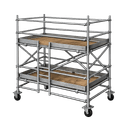
Temporary Structures
Covers scaffolding, fencing, and temporary buildings.

Soft Costs
Covers additional expenses from construction delays due to covered losses.

Equipment Coverage
Covers permanently installed fixtures and equipment.
Industries & Insurance Needs in Knoxville
Knox County's project mix is the local demand signal worth paying attention to. The county has 12,350 business establishments, and the leading sectors by establishment share are retail trade at 14.3%, health care and social assistance at 12.4%, and professional, scientific, and technical services at 10.4%. So a builders risk review here often needs to fit tenant improvement work, medical office updates, storefront remodels, and phased renovations where the owner cannot treat the job like a simple new build. That matters because occupancy, access, security, and business interruption concerns can change while construction is underway, even if the state-level coverage concepts stay the same. If your project touches a leased suite, clinic space, office build-out, or mixed-use property, ask for the quote to reflect the actual use of the premises during construction, any partial occupancy, and whether temporary protection, stored materials, or delay-related costs should be reviewed.
What Makes Knoxville Different
In this market, the insurance question is often less about a blank-slate structure and more about how to value work being added to an existing home, rental, office, or tenant space without leaving a gap between the current property value and the completed project value. That is why local buyers should spend more time on valuation than on broad coverage labels. A quote built only from the contractor's bid can miss owner-supplied materials, site security differences, phased completion, or the financial interest of a lender, landlord, or tenant improvement allowance. The practical move is to decide early whether the limit should follow replacement cost during construction, completed value, or another contract-driven benchmark, then match that to the build schedule and who is named on the policy. If the project is a remodel or addition, bring the existing structure details and the post-completion target into the conversation before binding coverage.
Our Recommendation for Knoxville
Start your review with the contract set, not just the budget. Gather the construction agreement, lender requirements if any, the draw schedule, and a simple breakdown of materials that will be delivered before installation. Then separate what already exists from what is being added or rebuilt, because that distinction often drives the valuation discussion on remodels and additions. Whether the job is residential or commercial, the core question is the same: does the current property value plus the renovation budget equal the completed value you are protecting? For residential projects, that means weighing temporary vacancy, owner occupancy, or staged occupancy against the underwriting approach. For commercial projects, it means accounting for tenants who remain in place, shared access, and improvements specific to a medical, retail, or office use. You should also ask how theft-sensitive materials, off-site storage, and soft costs are being treated, rather than assuming they are built into the form. A quote that accounts for those details is one you can actually trust during the build.
Get Builders Risk Insurance in Knoxville
Enter your ZIP code to compare builders risk insurance rates from carriers in Knoxville, TN.
Business insurance starting at $25/mo
FAQ
Frequently Asked Questions
Knoxville remodels often need a valuation discussion before coverage starts. With a median home value of $214,000, a typical renovation budget can easily exceed half the existing structure value, so the right limit may depend on current structure value, renovation cost, and completed value, not just the contractor's bid.
Knoxville phased projects are easier to place when you send the address, scope by phase, construction timeline, parties with financial interest, material storage details, and expected completion value. That helps the quote reflect how the job will actually unfold.
Knox County commercial work often involves tenant improvements because the county has 12,350 business establishments. That density means more landlords and tenants are negotiating who carries risk during construction, so occupancy terms, landlord requirements, access, and use of the space during construction are worth reviewing before you choose limits.
Knoxville-area commercial renovations can involve active uses tied to the county's sector mix, including retail at 14.3% and health care and social assistance at 12.4%, meaning more than a quarter of local commercial space serves walk-in traffic. When customers or patients are on site during construction, even a minor incident can trigger a liability claim that a vacant site would not face.
Knoxville policyholders who need regulator information in Tennessee can look to the Tennessee Department of Commerce and Insurance. Still, the cheapest fix is getting valuation, named insureds, and project scope right on the front end, because a regulator can help after the fact but cannot rewrite your limits.
Renovation projects usually call for a separate review because the new work, existing structure, and any occupied areas may be insured under different arrangements. Check the contract first, then confirm how the policy describes the work in place and materials waiting for installation.
The responsibility usually falls on the owner or the party named in the construction contract. Review the agreement and loan requirements together so the policy names the right entities before mobilization, deliveries, or the first draw request.
Lender requirements often drive the timing. Many buyers review coverage before funds are released because the lender package may require evidence of insurance, named interests, and a completed value that matches the construction documents.
Sources
- 1.U.S. Census Bureau, ACS 5-Year Estimates, table B25077(The city's median home value is $214,000.)
- 2.U.S. Census Bureau, ACS 5-Year Estimates, table B19013(Knoxville median household income is $50,994.)
- 3.U.S. Census Bureau, County Business Patterns, Knox County(Knox County has 12,350 business establishments.; The leading sectors in Knox County by establishment share are retail trade 14.3%, health care and social assistance 12.4%, and professional, scientific, and technical services 10.4%.)
- 4.Tennessee Department of Commerce and Insurance(Tennessee's insurance regulator is the Tennessee Department of Commerce and Insurance.)
Updated July 16, 2026





