
Updated July 16, 2026

Builders Risk Insurance in Memphis
Property managers, lenders, and general contractors in Memphis usually want proof that the project itself is insured before draws continue or keys change hands. Satisfying that request often means showing a certificate that lines up with the specific job rather than sending a generic evidence form. When you compare coverage for a local project, the practical issue is how often the job involves existing structures, phased renovations, or owner-occupied properties that stay in use while work continues. Memphis also sits in a housing market where many residential jobs are not luxury ground-up builds but additions, rehabs, and systems work where the completed value and the value at risk can be easy to understate. Before you request terms, gather your contract, draw schedule, scope of work, and any lender insurance requirements so the quote reflects the project you are actually building.
Builders Risk Insurance Risk Factors in Memphis
Memphis's top risk factors include Tornado damage, Hail damage, Severe storm damage, and Wind damage.
Tennessee has a high climate risk rating. Top hazards: Tornado (Very High), Flooding (High), Severe Storm (High), Earthquake (Moderate). The state's expected annual loss from natural hazards is $1.8B, which influences builders risk insurance premiums and may affect coverage availability in high-risk areas.
What Builders Risk Insurance Covers
For a Tennessee project, the practical coverage review starts with the jobsite map and the build sequence, not a generic checklist. You want to confirm exactly which structure is being insured, which materials are intended to become part of the work, and at what point property is considered covered while it is on site, in temporary storage, or in transit if those options are being considered. That matters on projects where deliveries arrive in stages and installation stretches over multiple inspections and weather windows.
Renovation work deserves a closer read than ground-up construction. If you are improving an existing building, ask where the policy draws the line between the new work, existing structure, and any owner-furnished materials. An owner rehabbing an occupied property may need to separate what is part of the contract work from what remains business personal property or real property already insured elsewhere. If that line is fuzzy, a claim can turn into an argument about which policy should respond.
You should also review soft-cost and delay-related options only if they fit the project financing and timeline. On a lender-driven job, a covered loss can affect interest carry, leasing plans, or reopening dates, but those items are not automatic. They need to be requested, defined, and matched to the project documents.
Pay attention to how the form handles temporary structures, scaffolding, fencing, and materials waiting for installation. If the site relies on phased deliveries or off-site storage, ask for those locations and values to be scheduled clearly. The goal is simple: make sure the property you are paying to insure is described the same way in the policy, the contract, and the draw package.
Coverage Included

Structure Coverage
Covers the building or structure under construction.

Materials on Site
Covers building materials stored at the construction site.

Materials in Transit
Covers materials being transported to the job site.
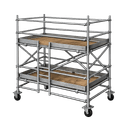
Temporary Structures
Covers scaffolding, fencing, and temporary buildings.

Soft Costs
Covers additional expenses from construction delays due to covered losses.

Equipment Coverage
Covers permanently installed fixtures and equipment.
What Makes Memphis Different
Memphis has a median home value of $157,100. That price point tells you most local residential work is improving what is already standing rather than building high-value custom houses from scratch. Your insurance review should focus on existing site conditions, materials that arrive before installation, and whether part of the property remains occupied during the job. If your project is a remodel, addition, or partial rebuild, ask whether the quote is being structured around new construction assumptions or around the actual sequence of work. Those are not the same exposure. The local commercial side points the same way. Shelby County has 19,659 business establishments. With that many operating businesses, a typical tenant improvement or interior build-out can pull in landlords, lenders, and lease obligations that all need to line up before work starts. Pull the insurance requirements from every party early and compare them against the construction contract, because trying to fix gaps after a draw is delayed costs you time and money.
Our Recommendation for Memphis
When you request a quote, lead with the project delivery details, not just the address. For a local remodel or addition, be ready to discuss the current use of the building, occupancy plans, the construction budget, the expected completed value, and your timeline for material delivery and substantial completion. If a lender or property manager is involved, send their insurance requirements with the first submission so the policy review can track the terms they expect to see on evidence of coverage. For commercial work, pay close attention to who is responsible for temporary works, stored materials, and items that are purchased early but installed later. Shelby County's leading establishment mix includes retail trade at 14.9%, health care and social assistance at 11.6%, and accommodation and food services at 10.2%. Those sectors mean a typical project is a tenant-facing space where a delay can push back an opening date, trigger a lease penalty, or disrupt an operating schedule. Ask your agent to review soft-cost needs, occupancy issues, and any renovation-specific endorsements before you bind.
Get Builders Risk Insurance in Memphis
Enter your ZIP code to compare builders risk insurance rates from carriers in Memphis, TN.
Business insurance starting at $25/mo
FAQ
Frequently Asked Questions
Lenders in Memphis typically want a certificate that ties directly to the project address, the borrower or named insured, and the construction term on the loan. If the job is a renovation or phased build, send the contract and draw schedule with the quote request so the policy can be reviewed against those requirements.
In a market with many existing-home upgrades, you should clarify the current building value, renovation budget, and expected completed value before terms are issued. The quote often depends on both figures, since the insurer needs to understand what is already standing and what the finished project will be worth.
Landlords commonly want insurance details early because lease obligations, lender conditions, and contractor responsibilities need to align before access is granted. A tenant improvement or interior build-out often pulls in multiple parties, so getting requirements sorted before work starts helps avoid delays.
Include the lease, scope of work, construction budget, opening timeline, and any landlord insurance requirements. Retail and restaurant projects carry a specific risk: a delayed opening can cost you revenue and strain the lease relationship, so the more detail you provide up front, the better your quote can reflect that exposure.
Memphis health care office renovations often need closer review if part of the space stays in use during construction. Disclose phased work, access restrictions, and after-hours scheduling up front to avoid coverage gaps.
Renovation projects usually call for a separate review because the new work, existing structure, and any occupied areas may be insured under different arrangements. Check the contract first, then confirm how the policy describes the work in place and materials waiting for installation.
The responsibility usually falls on the owner or the party named in the construction contract. Review the agreement and loan requirements together so the policy names the right entities before mobilization, deliveries, or the first draw request.
Lender requirements often drive the timing. Many buyers review coverage before funds are released because the lender package may require evidence of insurance, named interests, and a completed value that matches the construction documents.
Sources
- 1.U.S. Census Bureau, ACS 5-Year Estimates, table B25077(Memphis has a median home value of $157,100.)
- 2.U.S. Census Bureau, County Business Patterns, Shelby County(Shelby County has 19,659 business establishments.; Shelby County's leading establishment mix includes retail trade at 14.9%, health care and social assistance at 11.6%, and accommodation and food services at 10.2%.)
Updated July 16, 2026