







































Updated July 5, 2026

Car Insurance in Memphis
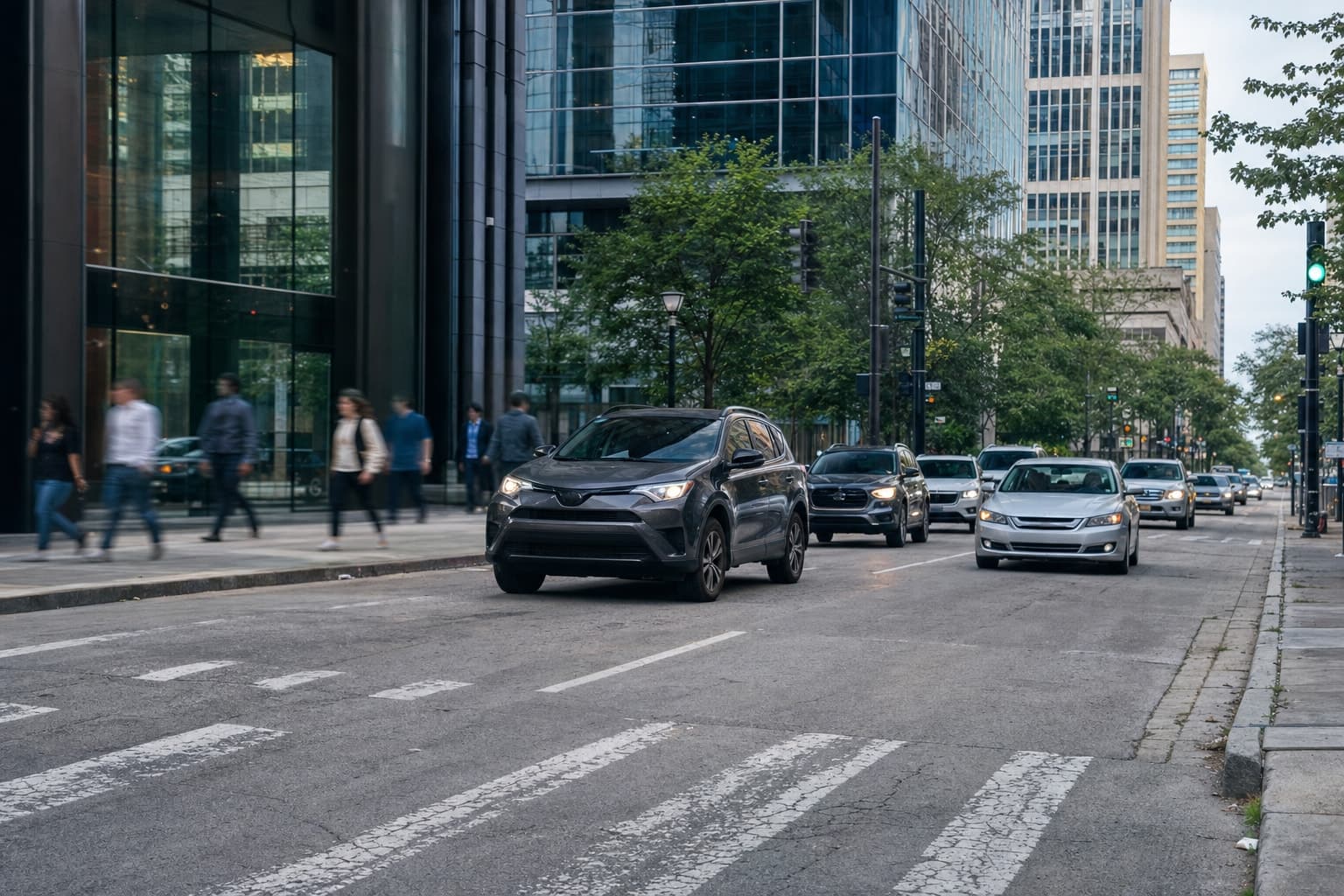
Retail trade leads the business mix in Shelby County, followed by health care and social assistance, then accommodation and food services, so a lot of local driving happens on shift schedules, short errands, and repeat trips between stores, clinics, restaurants, and home. That matters for car insurance in Memphis because your daily pattern may look less like a long suburban commute and more like frequent stops, parking lot exposure, and driving at hours when service work starts early or ends late. If your household shares a vehicle, rotates drivers, or uses one car for both personal errands and work-related tasks, your quote should reflect that actual use. Shelby County also has 19,659 business establishments, which means more delivery activity, customer traffic, and vendor vehicles sharing the same roads and parking areas you use every week. Before you shop, list who drives, where the car is usually parked, whether you commute across the county, and whether any occasional business use needs to be disclosed. That gives you a cleaner comparison between liability limits, collision and comprehensive deductibles, rental reimbursement, and uninsured motorist options.
Tennessee has a high climate risk rating. Top hazards: Tornado (Very High), Flooding (High), Severe Storm (High), Earthquake (Moderate). The state's expected annual loss from natural hazards is $1.8B, which influences car insurance premiums and may affect coverage availability in high-risk areas.
What Car Insurance Covers
Car insurance in Tennessee typically centers on liability coverage, which helps pay for injuries and damage you cause to others in an auto accident, plus optional protections for your own vehicle and passengers. Liability is especially important here because one in five Tennessee drivers carries no insurance, so uninsured motorist coverage can be a practical layer for local drivers who are hit by someone with little or no insurance.
Collision coverage applies to damage to your car from a crash, while comprehensive coverage may help with non-collision losses such as theft, severe weather, and other covered events that matter in a state with significant tornado and flood exposure. Medical payments coverage can help with medical expenses after a crash, and rental reimbursement can help keep you mobile while your car is being repaired. The Tennessee Department of Commerce and Insurance oversees the market, so policy details, endorsements, and final coverage choices should be reviewed carefully before binding.
Coverage Included

Liability
Can help pay for injuries and property damage you cause to others in an accident, coverage most states require drivers to carry.
Collision
Can help pay to repair or replace your car after a crash with another vehicle or object, regardless of fault.

Comprehensive
Typically covers damage to your car from events other than collisions, such as theft, hail, fire, flooding, or hitting an animal.

Uninsured Motorist
May pay for your injuries and, in some states, car damage when an at-fault driver has no insurance or too little.

Medical Payments
Can help cover medical bills for you and your passengers after an accident, no matter who was at fault.
Rental Reimbursement
May pay for a rental car while your vehicle is in the shop for repairs after a covered claim.
Car Insurance Cost in Memphis
Average Cost in Tennessee
$80 - $200
per month
In Tennessee, car insurance premiums typically run $80 - $200 per month, which tends to run 18% below the national range of $110 - $230 per month.
- Driving record and age
- Vehicle make, model, and year
- Location and commute distance
- Credit-based insurance score
- Coverage limits and deductibles
Contact CPK Insurance for a personalized quote.
Prices shown are general estimates, not guaranteed rates or quotes. Your actual premium will depend on the insurer, coverage selected, personal details, location, claims history, and other underwriting factors. Learn about our pricing methodology.
Car insurance costs in Tennessee vary based on the policy and risk profile, and that range reflects the state's mix of below-average premium levels and localized risk factors. Coverage limits and deductibles are major price drivers, and the state-specific cost picture also depends on claims history, location, and policy endorsements. Tennessee's storm exposure can influence comprehensive pricing, especially for drivers in areas that have seen recent weather-related losses.
The accident environment also matters. Tennessee sees a high volume of crashes each year, which means a meaningful share of drivers are filing claims in any given period and that can put upward pressure on premiums. Serious accidents tend to drive up costs for everyone in the affected area. Urban and suburban traffic around Nashville, Memphis, and other larger cities can affect rates differently than less congested areas. With a broad field of insurers active in the state, a quote can vary significantly by carrier, vehicle, mileage, and the deductible you choose. Drivers who want a lower premium often compare their core coverages side by side rather than assuming one preset package fits every situation.
What Affects Car Insurance Rates in Memphis
Memphis median household income is $51,211, so the practical question for many households is not just how to lower a premium, but how to keep a claim from turning into a budget shock. A low deductible can mean a higher monthly bill, while a high deductible can leave you paying more out of pocket after a crash, theft, or weather loss. That tradeoff matters more when one vehicle handles commuting, school runs, and weekend errands and there is not much room for an unexpected repair bill. As you compare options, test a few deductible levels and ask for the premium difference each time. Then match that number to what you could realistically pay on short notice. If you carry an older vehicle, review whether collision still makes sense relative to the car's value. If the car is newer or financed, focus on limits and deductibles you can actually sustain, not just the lowest monthly quote.
What Makes Memphis Different
Shift-based local driving is the main thing that changes the buying calculus here. In a market shaped by retail, health care, and food service establishments, many drivers are on the road outside a simple nine-to-five pattern, and that changes how often your car is used, where it is parked, and who may be behind the wheel. A household with one vehicle may have overlapping schedules, shared use, and frequent short trips that increase the chance of minor collisions or parking lot damage. That does not automatically mean you need every optional coverage, but it does mean a bare minimum quote can miss how the vehicle actually functions in your week. Review whether your policy matches your real mileage, garaging address, regular drivers, and any occasional work-related use. If your routine includes late closings, early shifts, or repeated stops in commercial areas, compare deductible choices and rental reimbursement with that pattern in mind before you bind coverage.
Our Recommendation for Memphis
Start with usage accuracy. If your car handles commuting, family errands, and occasional job-related trips, say so clearly during the quote process so the policy is rated on the right basis. Next, review driver listing carefully. Shared household vehicles are common in cities where work schedules vary, and an omitted regular driver can create problems at claim time. Then look at deductibles in practical terms: choose an amount you could pay without borrowing if the car needs repairs after a covered loss. If you park on the street or in busy commercial lots, ask how comprehensive and collision fit the vehicle's age and value rather than defaulting to the minimum. It can also help to compare uninsured motorist limits against your liability limits so the protection is not lopsided. Before you buy, request the same limits and deductibles across each quote. That is the fastest way to see whether you are comparing real value or just different coverage structures.
Get Car Insurance in Memphis
Enter your ZIP code to compare car insurance rates from carriers in Memphis, TN.
Car insurance starting at $59/mo
FAQ
Frequently Asked Questions
Memphis households that share one vehicle should quote with every regular driver and the car's real use disclosed. Here, many routines involve shift work, errands, and repeated short trips, so accurate driver listing and mileage estimates matter before you compare deductibles and optional coverages.
Shelby County has 19,659 business establishments, so local roads and parking areas see steady customer, vendor, and service traffic. If your driving includes commercial corridors, frequent stops, or occasional work-related errands, review how your insurer classifies that use before binding coverage.
Memphis buyers should test both options against their cash flow. With median household income at $51,211, the better choice is often the deductible you could realistically pay after a covered loss, not simply the quote with the lowest monthly bill.
Shelby County's establishment mix is led by retail trade at 14.9%, health care and social assistance at 11.6%, and accommodation and food services at 10.2%. That points to more shift-based, stop-and-go driving patterns, so usage details and driver listing deserve extra attention.
In Tennessee, liability coverage helps pay for injuries and damage you cause to others in an auto accident, while collision coverage can help repair your own car and medical payments coverage can help with crash-related medical expenses. If you want broader protection, comprehensive coverage may help with non-collision losses that matter in a state with tornado and flood exposure.
Tennessee requires drivers to carry liability coverage. The personal auto minimums are $25,000 per person, $50,000 per accident, and $25,000 for property damage. You can verify your coverage limits on your declarations page and compare quotes from multiple carriers to find the right fit.
Car insurance costs in Tennessee vary based on coverage limits, deductibles, claims history, location, and policy endorsements. Your actual premium depends on how those choices line up with your vehicle and risk profile. Average pricing runs below the national norm, but your individual rate could land higher or lower depending on those factors.
Many Tennessee drivers choose liability at a minimum, then add collision and comprehensive based on vehicle value, commute, and weather exposure. If your car is newer, financed, or exposed to severe storms, comprehensive and collision coverage may be worth comparing closely.
Sources
- 1.U.S. Census Bureau, County Business Patterns, Shelby County(Shelby County's establishment mix is led by retail trade at 14.9%, health care and social assistance at 11.6%, and accommodation and food services at 10.2%.; Shelby County has 19,659 business establishments.)
- 2.U.S. Census Bureau, ACS 5-Year Estimates, table B19013(Memphis median household income is $51,211.)
Updated July 5, 2026





