







































Updated July 5, 2026

Garage Keepers Insurance in Memphis
Shelby County has 19,659 business establishments, so local operators often face faster proof-of-insurance requests from fleet accounts, vendor programs, and commercial customers that do not want vehicle handoffs handled casually. If you are shopping for garage keepers insurance in Memphis, that density matters because customer expectations rise when repair options, service lanes, and parking operations sit close together and buyers can move their business quickly after one bad release or storage experience. Here, the issue is not just whether you take possession of vehicles. It is whether your intake, lot layout, key control, after-hours storage, and release procedures look disciplined enough for the kinds of customers you serve. That shows up in real situations: a neighborhood repair shop holding cars over a weekend, a valet operation moving vehicles during a busy event block, or a service business juggling limited fenced space and street-facing exposure. Before you request quotes, map where customer vehicles sit at each stage, who can move them, and how you document condition at drop-off and pickup.
Garage Keepers Insurance Risk Factors in Memphis
Memphis's top risk factors include Tornado damage, Hail damage, Severe storm damage, and Wind damage.
Tennessee has a high climate risk rating. Top hazards: Tornado (Very High), Flooding (High), Severe Storm (High), Earthquake (Moderate). The state's expected annual loss from natural hazards is $1.8B, which influences garage keepers insurance premiums and may affect coverage availability in high-risk areas.
What Garage Keepers Insurance Covers
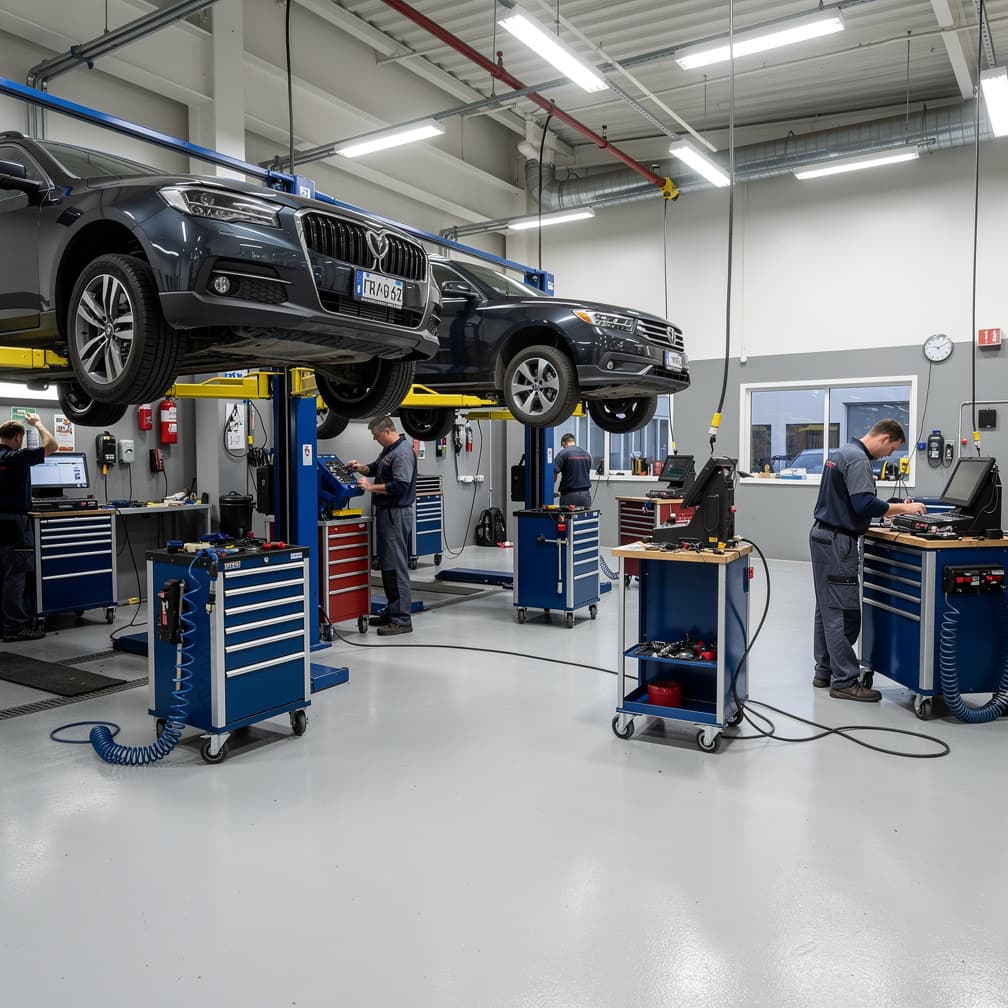
In Tennessee, the practical coverage review starts with your lot layout and custody pattern, not a generic checklist. If customer vehicles are parked tightly behind the shop, staged in a side yard waiting on parts, or left outside after hours for next-day pickup, you need to see how the policy responds to the way those vehicles are actually held between arrival and departure. That review matters most for businesses that combine service, storage, and vehicle movement in the same day.
Ask how the policy treats vehicles stored outdoors versus indoors, whether temporary overflow parking changes the underwriting picture, and whether employee movement between bays, wash areas, alignment racks, and pickup lanes creates any conditions you should disclose. If your business uses a fenced lot, shared parking area, secondary storage location, or tow-in holding space, those details belong in the application rather than in a claim file later.
You should also look closely at your handoff procedures. Photo documentation, pre-existing damage notes, key tagging, and signed drop-off instructions can make a real difference when a customer disputes when damage happened. If you road test vehicles, move them off premises, or leave them waiting for customer pickup after business hours, ask for those facts to be reflected clearly in the quote discussion.
Weather-related exposure is also part of the conversation even when the policy language is the same from one state to another. If vehicles sit outside, review whether your storage plan, drainage, tree exposure, and building access create concentrations of risk that should affect limits, deductibles, or where you park higher-value units.
Coverage Included

Collision Coverage
Covers damage to customers' vehicles from collisions while in your care.

Comprehensive Coverage
Covers theft, vandalism, fire, and weather damage to customers' vehicles.
Specified Perils
Covers only specifically named perils at a lower premium.

Legal Liability
Covers damage you or your employees directly cause to a customer's vehicle.

Direct Primary
Pays regardless of fault, the broadest garage keepers coverage available.
Industries & Insurance Needs in Memphis
Shelby County's leading sectors by establishment share are retail trade at 14.9%, health care and social assistance at 11.6%, and accommodation and food services at 10.2%, so a lot of local vehicle traffic ties back to customer-facing businesses that depend on predictable parking, quick turnarounds, and clear handoffs. That matters for garage keepers buyers because these sectors create steady demand for valet services, service vehicles, employee parking arrangements, and customer cars that cannot sit in limbo. If your operation touches vehicles connected to clinics, restaurants, hotels, or retail corridors, review whether your procedures fit higher-volume arrival and pickup patterns. A quote should account for who moves vehicles during peak periods, where keys are secured, and whether overflow conditions change where autos are parked. In this county, the business mix points to operational tempo, so your insurance review should start with traffic flow and custody points, not just vehicle count.
What Affects Garage Keepers Rates in Memphis
Memphis median household income is $51,211, so many households feel the cost of even a short repair delay, disputed damage, or a release mistake more sharply. For your business, that changes the insurance conversation because customer sensitivity can turn a minor incident into a harder claim discussion, especially when the vehicle is essential for work, school, or family logistics. That does not mean every operation here pays more. It means your quote review should focus on how a claim would be documented and resolved. Ask how the policy responds if a customer alleges damage happened while the vehicle was in your care, whether your intake photos and signed check-in forms support that process, and how overnight or overflow storage is treated. If your operation serves price-conscious households, clean documentation and consistent release procedures can matter as much as the limit you choose.
What Makes Memphis Different
Operational density is what changes the calculus here. In a market with a dense mix of local establishments, customers and commercial partners tend to judge you on process as much as repair quality or parking convenience. That makes garage keepers decisions more practical than theoretical. A policy review should line up with how vehicles actually move through your site on a busy day, where they wait after hours, and what happens when staff changes hands between intake and release. The local difference is that small breakdowns in procedure can become visible quickly. A missing walk-around, loose key custody, or informal overflow parking plan can create disputes that spread through customer reviews, vendor relationships, or account requirements faster than in a less crowded market. If your business relies on repeat neighborhood traffic or commercial referrals, ask for a quote built around your real custody chain, then compare forms based on claim handling details, storage practices, and release controls.
Our Recommendation for Memphis
Start your review with a simple site map. Mark where vehicles are received, photographed, parked, moved, test-driven if applicable, and released. Then match each step to who has authority, where keys are stored, and what record is created. That exercise usually shows the gaps that matter most to an underwriter and to a customer after a loss. If you operate with limited lot space, ask specifically how the insurer views overflow parking, shared access areas, and any routine after-hours storage. If you serve commercial accounts, be ready to show certificate turnaround expectations and any contract language about care, custody, or control. If you serve households, make sure your intake and pickup process is consistent enough to reduce condition disputes. You may also want to ask whether the Tennessee Department of Commerce and Insurance has any consumer guidance relevant to claim handling questions, then use that as a checklist while comparing quotes. Request proposals only after your procedures are written down.
Get Garage Keepers Insurance in Memphis
Enter your ZIP code to compare garage keepers insurance rates from carriers in Memphis, TN.
Business insurance starting at $25/mo
FAQ
Frequently Asked Questions
Memphis buyers should show where vehicles are received, stored, and released, plus who controls keys and documents condition. In a county with a dense business base, insurers and commercial customers often expect a process that looks organized before they trust vehicle custody.
Memphis operations should review peak-period vehicle movement, key custody, and overflow parking plans. Shelby County has a large establishment base, so customer handoffs and vendor expectations can move quickly from informal to contract-driven if your process looks inconsistent.
Shelby County's mix matters because retail trade is 14.9%, health care and social assistance is 11.6%, and accommodation and food services is 10.2%. That points to steady customer-facing vehicle traffic, so your quote should match busy intake and pickup patterns.
Memphis repair shops often serve households watching transportation costs closely. With median household income at $51,211, a delay or disputed damage claim can escalate quickly, so intake photos, signed check-in forms, and consistent release records deserve close review.
Memphis owners should map the full custody chain before comparing quotes. List every place a customer vehicle can sit, every employee who can move it, and every handoff record you create, then ask insurers to quote that real workflow rather than a simplified version.
If you park, store, or move customer cars, the quote should match those exact operations and every location where vehicles may be kept. That holds true even when vehicles stay in your custody only briefly.
Use the same vehicle count, storage setup, deductible, and driver information across every quote. If one assumes indoor storage and another assumes outdoor overflow, the premium difference does not tell you much.
It can change how an underwriter views your exposure because lot security, weather planning, and vehicle concentration all matter. Tell the quoting team where vehicles sit overnight and when overflow parking is used.
Sources
- 1.U.S. Census Bureau, County Business Patterns, Shelby County(Shelby County has 19,659 business establishments.; Shelby County's leading sectors by establishment share are retail trade at 14.9%, health care and social assistance at 11.6%, and accommodation and food services at 10.2%.)
- 2.U.S. Census Bureau, ACS 5-Year Estimates, table B19013(Memphis median household income is $51,211.)
- 3.Tennessee Department of Commerce and Insurance(Tennessee Department of Commerce and Insurance)
Updated July 5, 2026





