Updated July 5, 2026

Builders Risk Insurance in Nashville
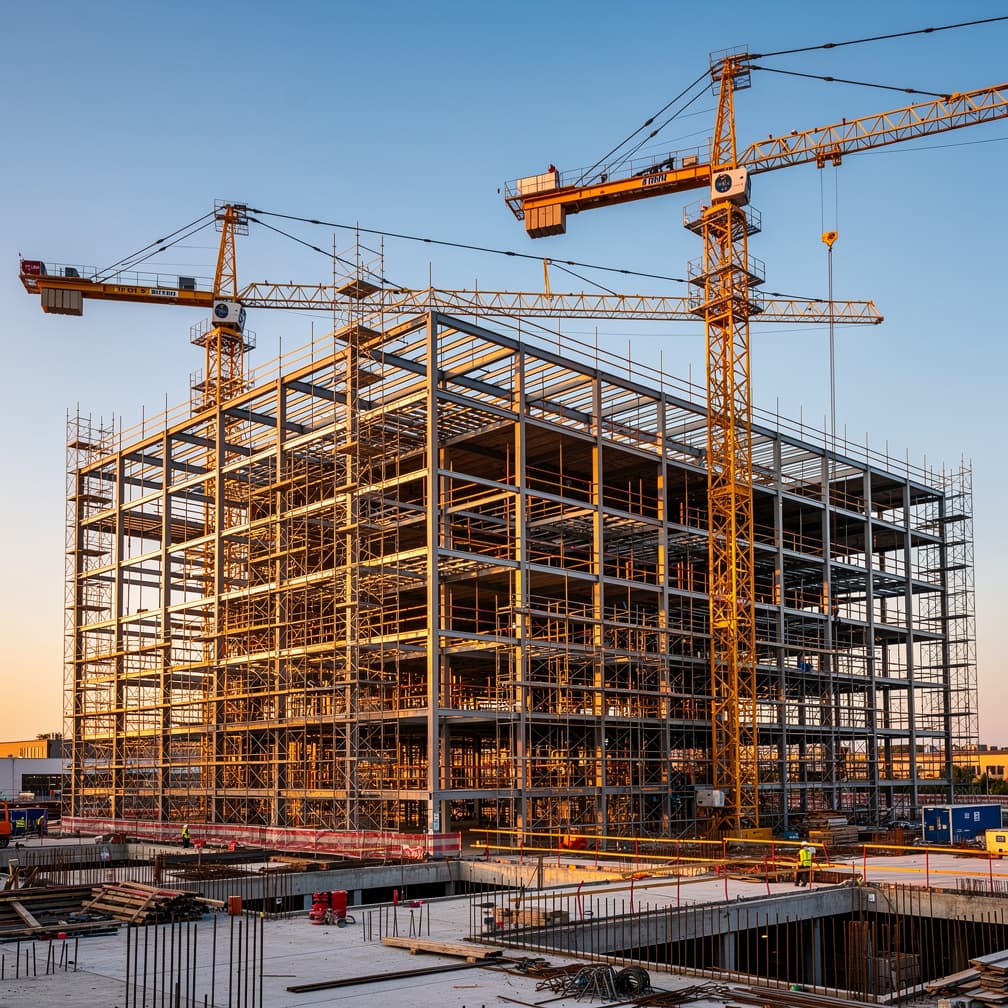
A partially framed house takes storm damage over a weekend, or a renovation sits open after materials are delivered and before they are installed. That is the local loss scenario builders risk insurance in Nashville is meant to address: a project with value on site before the job is complete and before the owner can rely on a standard finished-property policy. Here, that exposure often feels larger because the finished asset is not trivial. Nashville’s median home value is $383,100, so a custom home build, major addition, or higher-end rehab can put a meaningful amount of labor and materials at risk long before closeout. If you are building in Green Hills, renovating in East Nashville, or adding square footage to a rental near The Nations, the practical question is how the policy matches the stage of work, the materials already delivered, and the contract terms around who carries the property risk during construction. Before work starts, review the budget, timeline, site security, and any soft-cost needs so the quote tracks the project you are actually putting in the ground.
Builders Risk Insurance Risk Factors in Nashville
Local physical exposure is the main reason this city layer matters. Tennessee’s hazard profile creates real construction-stage vulnerability, but the practical issue here is not a generic weather warning. It is how quickly a project becomes loss-sensitive once framing, roofing materials, windows, mechanical equipment, or finish materials are on site and not yet fully protected by the completed structure. Even a single-family build or substantial remodel can represent a large in-progress property value, so you should not treat builders risk limits as a rough placeholder. Review whether the limit follows the **completed value**, whether temporary storage or materials in transit need to be scheduled, and whether the policy term matches the actual construction calendar. If your job will be phased, paused, or handed off between trades, ask the agent to walk through those transitions before binding coverage.
Tennessee has a high climate risk rating. Top hazards: Tornado (Very High), Flooding (High), Severe Storm (High), Earthquake (Moderate). The state's expected annual loss from natural hazards is $1.8B, which influences builders risk insurance premiums and may affect coverage availability in high-risk areas.
What Builders Risk Insurance Covers
For a Tennessee project, the practical coverage review starts with the jobsite map and the build sequence, not a generic checklist. You want to confirm exactly which structure is being insured, which materials are intended to become part of the work, and at what point property is considered covered while it is on site, in temporary storage, or in transit if those options are being considered. That matters on projects where deliveries arrive in stages and installation stretches over multiple inspections and weather windows.
Renovation work deserves a closer read than ground-up construction. If you are improving an existing building, ask where the policy draws the line between the new work, existing structure, and any owner-furnished materials. An owner rehabbing an occupied property may need to separate what is part of the contract work from what remains business personal property or real property already insured elsewhere. If that line is fuzzy, a claim can turn into an argument about which policy should respond.
You should also review soft-cost and delay-related options only if they fit the project financing and timeline. On a lender-driven job, a covered loss can affect interest carry, leasing plans, or reopening dates, but those items are not automatic. They need to be requested, defined, and matched to the project documents.
Pay attention to how the form handles temporary structures, scaffolding, fencing, and materials waiting for installation. If the site relies on phased deliveries or off-site storage, ask for those locations and values to be scheduled clearly. The goal is simple: make sure the property you are paying to insure is described the same way in the policy, the contract, and the draw package.
Coverage Included

Structure Coverage
Covers the building or structure under construction.
Materials on Site
Covers building materials stored at the construction site.

Materials in Transit
Covers materials being transported to the job site.
Temporary Structures
Covers scaffolding, fencing, and temporary buildings.

Soft Costs
Covers additional expenses from construction delays due to covered losses.
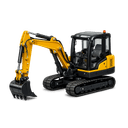
Equipment Coverage
Covers permanently installed fixtures and equipment.
Industries & Insurance Needs in Nashville
County project mix changes how you should think about contract requirements and proof of coverage. Davidson County has 21,694 business establishments, and its leading sectors by establishment share are retail trade at 12.4%, accommodation and food services at 11.3%, and professional, scientific, and technical services at 11%. So a lot of local construction work touches tenant improvements, restaurant build-outs, storefront renovations, office interiors, and mixed-use spaces where landlords, lenders, and project partners often want the property coverage lined up before materials arrive or demolition starts. That does not set your premium by itself, but it does change the buying process. If your job involves a leased space, a hospitality concept, or a professional office build-out, bring the lease, lender requirements, and construction contract into the quote conversation early so the policy structure matches the parties who have a financial interest in the work.
What Makes Nashville Different
Finished property values are the clearest thing that changes the calculus here. Even projects that look straightforward on paper can carry a larger in-progress property exposure than owners first assume. That matters because builders risk decisions are not just about whether a project exists. They are about how much value is accumulating on site, how early that value appears, and how expensive a setback becomes if damage hits before completion. On a custom home, a major addition, or a gut renovation, the policy review should track the completed value, the draw schedule, and the point at which higher-value materials are delivered. If you understate the project or wait until after materials are committed, you can create avoidable friction with lenders, owners, or general contractors. The practical move is to build the quote around the real construction budget and timeline, then check that the named insureds and covered property align with the contract.
Our Recommendation for Nashville
Start with the contract set, not just the address. For a local builders risk review, ask for the quote to be built around the construction agreement, lender conditions, and the schedule of values so the policy follows who actually carries the property risk at each phase. If the project is a renovation, identify what is existing structure versus new work, because that distinction can affect how the exposure is reviewed. If materials will be stored off site, delivered in stages, or installed late in the job, raise that before binding rather than after a change order. For higher-value residential work, use local finished-property values as a reminder not to guess at limits on a handshake estimate. For commercial interiors or tenant improvements, confirm whether the landlord, owner, or contractor needs to be reflected in the policy structure. Then request a free, no-obligation quote with the budget, timeline, site address, and contract requirements in hand.
Get Builders Risk Insurance in Nashville
Enter your ZIP code to compare builders risk insurance rates from carriers in Nashville, TN.
Business insurance starting at $25/mo
FAQ
Frequently Asked Questions
Nashville projects often carry more value during construction than owners first expect. A custom build or major renovation can justify a closer review of limits, materials on site, and completed-value assumptions before work begins.
Nashville renovation work is easier to place accurately when the contract is part of the review. It helps clarify who bears the property risk during construction, what work is new versus existing structure, and whether lender or owner requirements need to be reflected.
Davidson County has 21,694 business establishments, with retail trade, accommodation and food services, and professional services leading by establishment share. That means many projects involve leased spaces and tenant improvements, so proof of coverage and contract alignment often matter early.
Nashville tenant improvement jobs should be reviewed for lease requirements, landlord interests, delivery timing for fixtures and equipment, and the point when materials arrive on site. That helps the policy match the real property exposure instead of a generic build-out description.
Nashville homeowners should usually review it when the project creates substantial in-progress property value before completion. The bigger the budget, the longer the timeline, and the more materials delivered before installation, the stronger the case for a dedicated review.
Renovation projects usually call for a separate review because the new work, existing structure, and any occupied areas may be insured under different arrangements. Check the contract first, then confirm how the policy describes the work in place and materials waiting for installation.
The responsibility usually falls on the owner or the party named in the construction contract. Review the agreement and loan requirements together so the policy names the right entities before mobilization, deliveries, or the first draw request.
Lender requirements often drive the timing. Many buyers review coverage before funds are released because the lender package may require evidence of insurance, named interests, and a completed value that matches the construction documents.
Sources
- 1.U.S. Census Bureau, ACS 5-Year Estimates, table B25077(Nashville’s median home value is $383,100.)
- 2.U.S. Census Bureau, County Business Patterns, Davidson County(Davidson County has 21,694 business establishments.; Davidson County’s leading sectors by establishment share are retail trade at 12.4%, accommodation and food services at 11.3%, and professional, scientific, and technical services at 11%.)
Updated July 5, 2026