







































Updated July 16, 2026

Inland Marine Insurance in Nashville
Retail, hospitality, and professional services shape how inland marine insurance in Nashville gets used day to day. In Davidson County, retail trade accounts for 12.4% of establishments, accommodation and food services 11.3%, and professional, scientific, and technical services 11%. That means roughly a third of local firms routinely move valuable gear between locations. Point of sale systems, leased equipment, event gear, tools, laptops, cameras, and client property travel between storefronts, venues, offices, and temporary work sites all week long. Landlords, venue operators, clients, and upstream contractors often expect clean certificates and a clear schedule of covered items before work starts. If your operation serves restaurants, retail spaces, offices, or events across different neighborhoods in the same week, think about whether your policy should be built around specific listed items, installation work, or broader equipment classes before you request a quote.
Inland Marine Insurance Risk Factors in Nashville
Nashville's top risk factors include Tornado damage, Hail damage, Severe storm damage, and Wind damage.
Tennessee has a high climate risk rating. Top hazards: Tornado (Very High), Flooding (High), Severe Storm (High), Earthquake (Moderate). The state's expected annual loss from natural hazards is $1.8B, which influences inland marine insurance premiums and may affect coverage availability in high-risk areas.
What Inland Marine Insurance Covers
In Tennessee, inland marine coverage is typically used for property that is mobile, installed away from a primary location, or being moved between locations. It is especially relevant when a commercial property policy stops at the door of a fixed building. For Tennessee businesses, that can include tools, equipment, building materials, goods in transit, contractors equipment, installation floater exposures, and builders risk exposures tied to projects that are underway. The state does not add a special Tennessee-only mandate, but your policy should be matched to the way you operate in Nashville, Memphis, or rural job sites.
Tennessee's high tornado, flooding, and severe storm risk matters because property can be damaged while sitting at a temporary location, parked on a job site, or moving between counties. A policy may also be written with endorsements, deductibles, and limits that change what is protected, so the policy form matters as much as the class of business. Look closely at named-peril versus all-risk forms, and check whether weather-related exclusions or special deductibles apply to wind or flood damage. If you routinely leave tools at customer locations, store materials offsite, or move equipment between projects, your policy should be reviewed line by line against those real-world storage and transit patterns.
Coverage Included
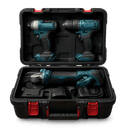
Tools & Equipment
Can help repair or replace hand tools, power tools, and gear that are stolen or damaged on the job or in transit.

Goods in Transit
May cover products, materials, and merchandise while they are being shipped or hauled between locations in your care.
Contractors Equipment
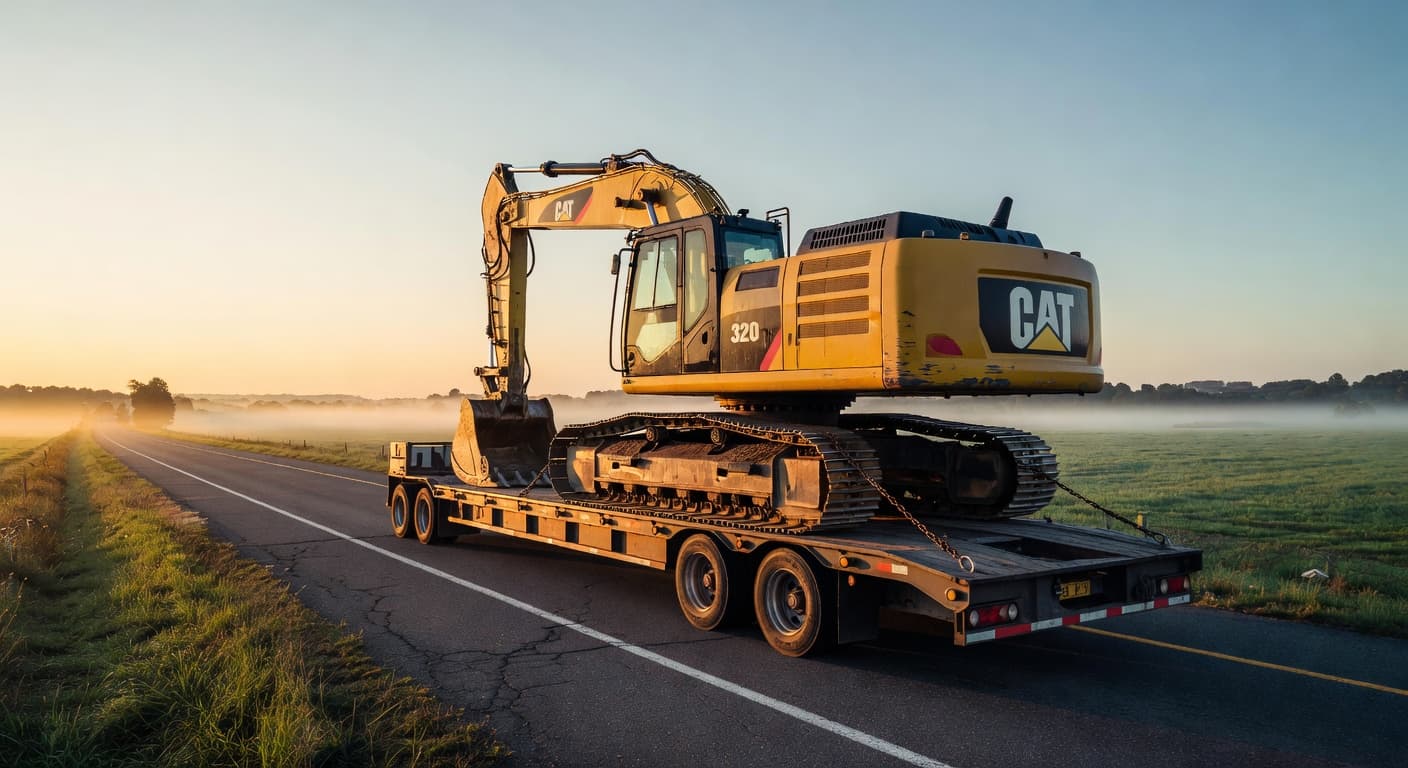
Typically covers heavy machinery like excavators, loaders, and generators against theft or damage at job sites and between them.
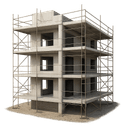
Installation Floater
Can help cover materials and fixtures from the moment you buy them until they are installed and accepted at a project.
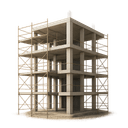
Builders Risk
May cover a structure under construction, along with materials on site, against damage from fire, wind, theft, and vandalism.
Inland Marine Insurance Cost in Nashville
Average Cost in Tennessee
$25 - $100
per month
Businesses in Tennessee typically see inland marine insurance premiums of $25 - $100 per month, which tends to run 4% above the national range of $20 - $100 per month.
- Total insured value of the scheduled property
- Type and age of the equipment
- Where it is stored and how far it travels
- Jobsite security and theft prevention
- Per-item limits and deductibles
- Prior theft and in-transit losses
Contact CPK Insurance for a personalized quote.
Prices shown are general estimates, not guaranteed rates or quotes. Your actual premium will depend on the insurer, coverage selected, business details, location, claims history, and other underwriting factors. Learn about our pricing methodology.
The average premium range is $25 to $100 per month, while broader small-business averages run $20 to $100 per month, so actual pricing varies by carrier, limits, deductibles, and the specific property being insured. That does not remove the impact of local risk. Tornado exposure, high flooding risk, severe storm history, and a property crime rate of 2,840 incidents per 100,000 residents can all influence how carriers view mobile property losses, especially for tools and equipment that sits on job sites or in temporary storage. That crime rate is above the national median, meaning carriers may apply surcharges or require secure-storage warranties for gear left at unattended sites.
Pricing also depends on claims history, location, industry or risk profile, and policy endorsements. Those factors matter in a state with 168,200 businesses competing for carrier capacity, because carriers may price differently for a contractor in Memphis than for a service business operating across Middle Tennessee. If you want a more accurate number, ask for limits, deductibles, and schedule details that reflect your actual equipment list and routes.
What Makes Nashville Different
A market anchored by storefront retail, hospitality operations, and professional service firms creates more short-haul movement of valuable property than a buyer might expect from a single metro area. Inland marine losses often turn on where equipment is between stops, whether it is scheduled correctly, and whether customer or rented property is picked up in the wording. In Davidson County, many insureds are not hauling heavy machinery across the state. They are moving smaller, higher-frequency items such as tablets, audiovisual gear, diagnostic tools, portable electronics, and materials for quick installs. Those accounts can be underinsured if values are estimated loosely or if the policy is built only around a main premises. Before requesting a quote, trace how property leaves your office, store, or warehouse and match that movement to the form you ask a carrier to price.
Our Recommendation for Nashville
Start by separating what you own, what you rent, what belongs to customers, and what materials you install for others. Your crew might carry tools one day, leased gear the next, and a client's property after that, and your form needs to account for each scenario. If you work with venues, restaurants, retailers, or office tenants, ask whether your quote should include installation floater language, contractors equipment, or a broader approach instead of one narrow form. Items that are easy to move tend to get undervalued, and underestimating a laptop fleet or a set of diagnostic tools can leave you short after a loss. If your team stores property in vehicles or leaves it at temporary sites between appointments, raise that in underwriting rather than assuming a property policy handles it. Before binding, compare the deductible, theft terms, territorial limits, and how newly acquired equipment is treated.
Get Inland Marine Insurance in Nashville
Enter your ZIP code to compare inland marine insurance rates from carriers in Nashville, TN.
Business insurance starting at $25/mo
FAQ
Frequently Asked Questions
Any time property leaves the main premises for jobs, installs, events, or client visits, a standalone inland marine form may fit better than relying on a standard property policy. With Davidson County's mix led by retail, accommodation and food services, and professional services, portable equipment use is common enough that off-site exposures deserve a separate review.
Gear that travels between venues, storefronts, and temporary setups is exactly what this coverage is built for. The key step is listing what you move, who owns it, and whether rented or customer property should be included in the quote request.
Davidson County has 21,694 business establishments. That volume means leases, vendor agreements, and subcontracted jobs frequently require proof of coverage before you can start work. A current equipment schedule helps the certificate match what you actually carry off premises.
Portable electronics and specialized gear that travel between offices and client sites can be scheduled on an inland marine form. If those items generate revenue away from your main location, ask whether they should be listed individually or covered under a broader form.
It can help cover tools, equipment, materials, and goods that travel between job sites, customer locations, or temporary storage. This is useful for businesses that do not keep everything at one fixed address.
It is designed to follow covered property away from your primary location, so property at a Tennessee job site or temporary storage area may be included if the policy form and limits are written for that exposure.
Contractors, builders, and trades that move portable machinery, hand tools, or materials across Nashville, Memphis, and surrounding areas should review contractors equipment insurance as part of their inland marine setup.
Coverage limits, deductibles, claims history, location, and industry all play a role. Tennessee's tornado and flooding exposure adds another layer, since carriers may apply higher rates or special deductibles for weather-related losses in vulnerable counties.
Sources
- 1.U.S. Census Bureau, County Business Patterns, Davidson County(In Davidson County, retail trade accounts for 12.4% of establishments, accommodation and food services 11.3%, and professional, scientific, and technical services 11%.; Davidson County has 21,694 business establishments.)
Updated July 16, 2026





