Updated July 5, 2026

Builders Risk Insurance in Austin
Project value is the sharpest difference here. In a market where the median home value is $512,700 and median household income is $91,461, builders risk insurance in Austin often needs tighter attention to completed value, upgrade allowances, and how quickly replacement costs can outrun an early budget. That matters whether you are building a custom home in West Lake Hills, renovating a bungalow near Hyde Park, or finishing a small commercial interior project closer to Downtown. A limit that looked adequate at permit stage can come up short once higher-end finishes, owner changes, or longer lead-time materials are committed to the job. You should review the contract sum, soft cost needs, and any owner-furnished materials before binding coverage, then revisit those numbers if the scope changes midstream. Here, the buying decision is less about whether a project is large or small and more about whether the insured value tracks the real cost of what is being put in place. Ask for a quote built around the current construction budget, not an outdated estimate.
Builders Risk Insurance Risk Factors in Austin
Austin's top risk factors include Flooding, Hurricane damage, Coastal storm surge, and Wind damage.
Texas has a very high climate risk rating. Top hazards: Hurricane (Very High), Tornado (Very High), Hailstorm (Very High), Flooding (Very High). The state's expected annual loss from natural hazards is $12.4B, which influences builders risk insurance premiums and may affect coverage availability in high-risk areas.
What Builders Risk Insurance Covers
For a Texas project, the useful review is less about broad definitions and more about where loss can happen between groundbreaking and handoff. Start with the job site itself. If materials are delivered early and staged outdoors, if equipment and supplies move between temporary storage and the structure, or if a renovation leaves part of an existing building exposed during a phase change, your policy review should match that sequence of work.
Texas weather adds pressure that other states may not face. The state deals with recurring severe weather, so you should ask how the form treats wind-driven damage, water entering during construction, and loss involving materials that have not yet been installed. A claim can turn on whether property was secured as required and whether the damage followed a covered cause of loss under the policy terms.
On many jobs, the right question is not simply what property is included, but which interests are scheduled and how the project is described. Owners, developers, general contractors, and lenders often need the policy to line up with the contract language. If the description is too narrow, if soft cost needs are overlooked, or if temporary works are not addressed where relevant, you can end up with a policy that looks complete until a delay or site loss exposes the gap. Before binding, compare the contract requirements against the quote, the statement of values, and the planned construction timeline.
Coverage Included

Structure Coverage
Covers the building or structure under construction.

Materials on Site
Covers building materials stored at the construction site.

Materials in Transit
Covers materials being transported to the job site.
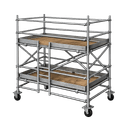
Temporary Structures
Covers scaffolding, fencing, and temporary buildings.

Soft Costs
Covers additional expenses from construction delays due to covered losses.

Equipment Coverage
Covers permanently installed fixtures and equipment.
Industries & Insurance Needs in Austin
Travis County has 41,596 business establishments, and its largest establishment share is professional, scientific, and technical services at 20.6%, followed by health care and social assistance at 10.5% and retail trade at 9.3%. So a local build is often tied to office, clinic, lab-adjacent, tenant improvement, or storefront work rather than only ground-up residential construction. That changes what you should review in a builders risk quote. Interior finish schedules, specialized mechanical systems, phased occupancy expectations, and lender or landlord insurance requirements can matter as much as the shell itself. If your project serves a professional office, medical user, or retail tenant, ask whether the policy structure matches renovation versus new construction, whether existing structure needs to be included, and how delay-related soft costs are handled if opening dates slip. County business mix does not set your premium by itself, but it does change the kinds of projects that need careful policy design.
What Affects Builders Risk Rates in Austin
Property values shape the coverage conversation here more than a generic monthly price discussion. Austin's median home value is $512,700, so even a modest custom build or substantial remodel can move into a range where underreported completed value creates a real coinsurance or limit problem if a loss hits before completion. Median household income of $91,461 also points to a buyer base that often selects upgraded finishes, built-ins, and design changes during the job, which can push insured values above the original draw schedule. For builders risk, that means you should not treat the first budget as fixed. Review whether the policy limit follows the final completed value, whether change orders are being tracked, and whether temporary storage or transit needs to be scheduled if materials are purchased early. If your project budget has changed since plans were priced, update the application before work gets too far along.
What Makes Austin Different
High finished values are what change the calculus here. In many Texas markets, the main builders risk question is simply who is carrying the policy and for how long. Here, the more practical issue is whether the insured value keeps pace with a project that can become more expensive as selections, engineering, and owner expectations evolve. That is especially important on custom residential work and higher-spec tenant improvements, where cabinetry, glazing, mechanical upgrades, and owner-furnished items can materially change the completed value after the first application is submitted. If the policy is built on an early estimate and never revisited, you can end up arguing about limits at the worst possible time. The better approach is to treat builders risk as a living part of project administration. Match the limit to the current completed value, confirm who is responsible for reporting changes, and review whether soft costs, temporary works, and stored materials belong in the schedule before the next draw or major material order.
Our Recommendation for Austin
Start with the budget documents, not the certificate request. For a local project, ask your agent to quote from the most current statement of values, including approved change orders, owner-furnished materials, and any site improvements that should be part of completed value. If the job is a renovation, clarify whether existing structure is excluded or needs to be scheduled, because that point can change the entire coverage approach. If a lender, landlord, or project owner has insurance requirements, compare those requirements against the draft policy before binding, not after closing or mobilization. You should also review how the policy handles delay-related expenses if the project has a hard opening date or lease commencement date. Finally, set a calendar reminder to revisit limits during the build. On a project where finishes and scope can move quickly, the safest buying habit is to update the coverage when the budget changes, not after materials are already on site.
Get Builders Risk Insurance in Austin
Enter your ZIP code to compare builders risk insurance rates from carriers in Austin, TX.
Business insurance starting at $25/mo
FAQ
Frequently Asked Questions
Austin projects often start with higher property values. With a median home value of $512,700, you should review whether the policy limit matches the current completed value, especially after change orders, upgraded finishes, or owner-furnished materials are added.
Austin renovation work often turns on that question. If you are improving an older home or reworking a commercial interior, ask whether existing structure is excluded, limited, or needs to be specifically scheduled before work starts.
Travis County does. With 41,596 business establishments and strong shares in professional services, health care, and retail, many projects involve tenant improvements or specialized interiors, so policy design should match the actual occupancy and buildout scope.
Austin custom home projects should be reviewed whenever the budget changes. Median household income is $91,461, which can translate into mid-project finish upgrades, so waiting until completion to adjust values can leave the job underinsured.
Austin borrowers and tenants should compare the insurance requirements against the draft builders risk policy before closing or mobilization. Check named insureds, mortgagee or loss payee wording, completed value, and any soft cost requirements tied to the contract.
Texas renovation projects often warrant a builders risk review because the line between existing property and new work can become unclear during a loss. If your contract, lender, or owner places that responsibility on you, settle who is insured and how the policy describes the new work before demolition or material delivery begins.
The owner often buys it on ground-up work, but some agreements place that duty on the general contractor or developer. Review the insurance clause first, then match the named insureds and evidence requirements to that language.
Texas builders risk policies may address off-site or temporary storage differently depending on the specific policy form and any attached endorsements that modify storage limits. If your project depends on staged deliveries or stored materials, disclose that in the submission so the quote reflects how property actually moves before installation.
Sources
- 1.U.S. Census Bureau, ACS 5-Year Estimates, table B25077(Austin's median home value is $512,700.)
- 2.U.S. Census Bureau, ACS 5-Year Estimates, table B19013(Austin's median household income is $91,461.)
- 3.U.S. Census Bureau, County Business Patterns, Travis County(Travis County has 41,596 business establishments.; The leading establishment shares in Travis County are professional, scientific, and technical services at 20.6%, health care and social assistance at 10.5%, and retail trade at 9.3%.)
Updated July 5, 2026