Updated July 16, 2026

Car Insurance in Austin
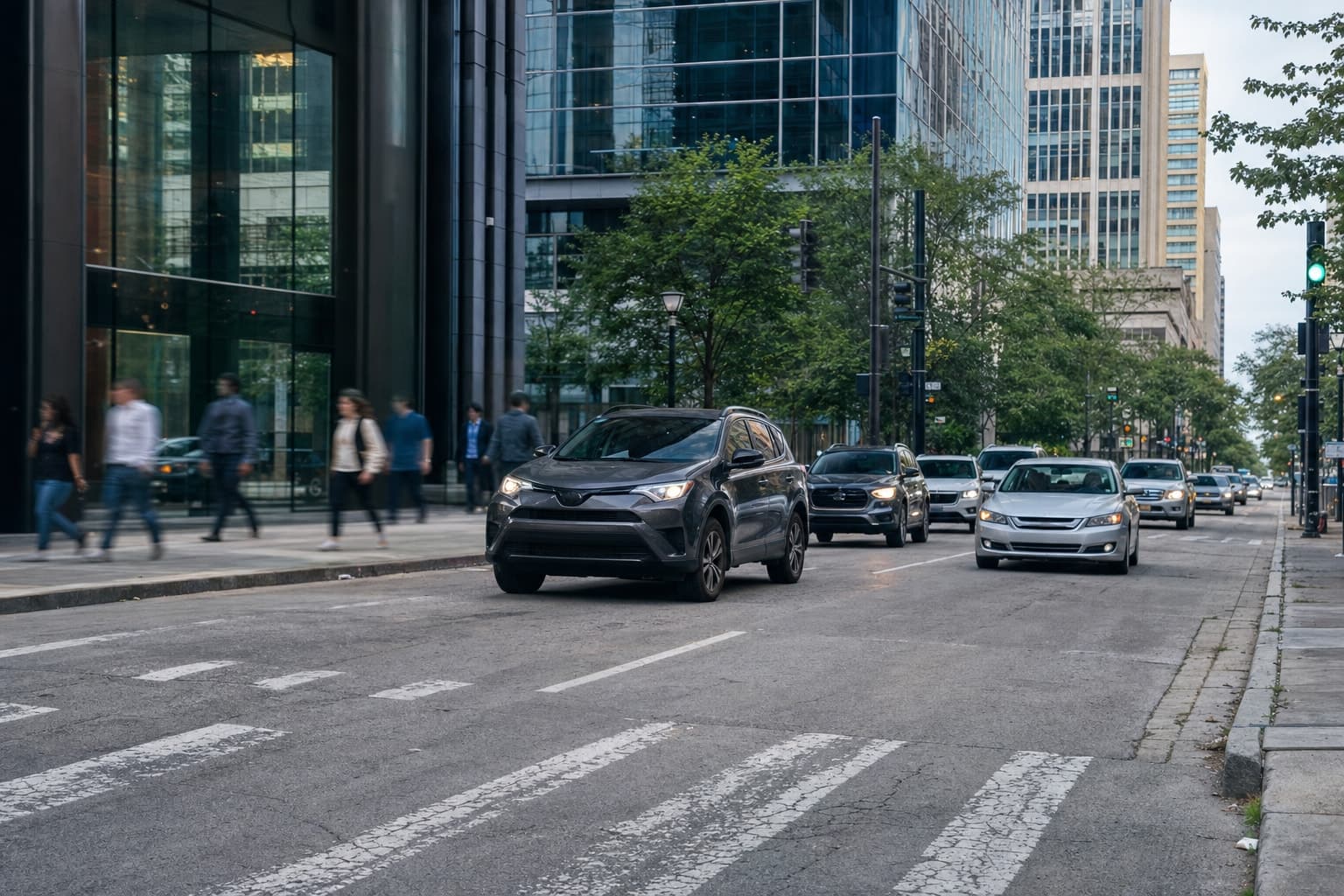
Right after you sign a downtown apartment lease, add a teen driver, or replace a vehicle after a move across town, your auto policy usually needs a fresh look. Car insurance in Austin often gets reviewed at those transition points because where you park, how often you drive between neighborhoods, and whether your lender requires physical damage coverage can all change at once. If your routine includes garage parking near the core, street parking in older neighborhoods, or regular trips across the metro for work, ask for a quote that matches that pattern instead of reusing last year's selections. Local households also have a relatively strong income base, so many drivers here have more to lose from carrying low liability limits than from spending time on a careful policy review. That is a practical reason to revisit your liability limits and deductible choices before renewal or a vehicle purchase.
Texas has a very high climate risk rating. Top hazards: Hurricane (Very High), Tornado (Very High), Hailstorm (Very High), Flooding (Very High). The state's expected annual loss from natural hazards is $12.4B, which influences car insurance premiums and may affect coverage availability in high-risk areas.
What Car Insurance Covers
Texas auto policies are built around the same core coverages, but the way you choose them should reflect local driving and weather risk. Liability coverage pays for injuries and damage you cause to others, and state rules are overseen by the Texas Department of Insurance. Collision coverage repairs or replaces your vehicle after an auto accident. Comprehensive coverage is the part that matters most when Texas weather brings hail, hurricane-related wind, flooding, or other non-collision losses.
Uninsured motorist coverage is especially practical in a state where the uninsured driver rate is high, because it steps in when the other driver lacks enough coverage. Medical payments coverage handles covered medical expenses after a crash, and rental car coverage pays for a temporary vehicle while yours is being repaired.
Texas does not make every coverage optional in the same way, so the policy you choose should be reviewed line by line. Deductibles and coverage limits change how much risk you keep on your side of the policy, and endorsements can alter the final protection. Coverage options and underwriting rules vary by carrier. A policy built for a driver in a dense metro area may look different from one for someone in a rural county with more storm exposure.
Coverage Included

Liability
Can help pay for injuries and property damage you cause to others in an accident, coverage most states require drivers to carry.
Collision
Can help pay to repair or replace your car after a crash with another vehicle or object, regardless of fault.

Comprehensive
Typically covers damage to your car from events other than collisions, such as theft, hail, fire, flooding, or hitting an animal.

Uninsured Motorist
May pay for your injuries and, in some states, car damage when an at-fault driver has no insurance or too little.

Medical Payments
Can help cover medical bills for you and your passengers after an accident, no matter who was at fault.
Rental Reimbursement
May pay for a rental car while your vehicle is in the shop for repairs after a covered claim.
Car Insurance Cost in Austin
Average Cost in Texas
$100 - $250
per month
In Texas, car insurance premiums typically run $100 - $250 per month, which tends to run 3% above the national range of $110 - $230 per month.
- Driving record and age
- Vehicle make, model, and year
- Location and commute distance
- Credit-based insurance score
- Coverage limits and deductibles
Contact CPK Insurance for a personalized quote.
Prices shown are general estimates, not guaranteed rates or quotes. Your actual premium will depend on the insurer, coverage selected, personal details, location, claims history, and other underwriting factors. Learn about our pricing methodology.
Car insurance cost in Texas is shaped by both driving patterns and statewide risk. Pricing varies by driver, vehicle, and coverage choices, and it sits higher than the national average. That higher level is consistent with the state's significant hurricane, tornado, hailstorm, and flooding risk, plus elevated auto accident exposure. A single serious accident can drive up what everyone pays.
If you drive in storm-prone areas near the Gulf Coast, in hail-heavy North Texas, or in dense metro traffic, your quote may reflect those local conditions. Several pricing factors matter: your coverage limits and deductibles, claims history, location, vehicle make and model, annual mileage, and policy endorsements. A competitive market keeps options open, but risk still drives what you pay.
Texas also sees a high volume of total crashes and fatalities each year, with leading causes like drowsy driving, distracted driving, speeding, impaired driving, and lane departure. Those factors can influence underwriting and premium levels. Because premiums vary by driver and vehicle, a quote in suburban Austin may differ from one for a commuter in Houston or a driver in a hail-prone county.
Industries & Insurance Needs in Austin
Travis County's leading sectors by establishment share are professional, scientific, and technical services at 20.6%, health care and social assistance at 10.5%, and retail trade at 9.3%, so a lot of local drivers use personal vehicles around work schedules that are not strictly home to office. That matters if you drive to client meetings, rotate between care sites, carry work equipment, or make frequent retail runs, because your insurer will want the vehicle use classified correctly. A personal auto quote should reflect whether the car is truly pleasure use, standard commuting, or business use, and whether another policy may be needed for work related driving. If your job changed recently, review annual mileage, primary use, and listed drivers before renewal. Misstating use can create claim friction at exactly the wrong time.
What Affects Car Insurance Rates in Austin
Austin's median household income is $91,461, so the cost conversation often turns on risk tolerance rather than just finding the lowest monthly bill. If you could not comfortably replace your vehicle, pay for a rental during repairs, or handle a large liability claim out of savings, ask to see side by side options with different deductibles and higher liability limits. That comparison matters more here than shaving a small amount off the premium while leaving a gap you would have to fund yourself after a loss. For households with stronger earnings, it is often worth reviewing whether low state minimum style limits still make sense once you have a newer car, a longer commute, or more assets to protect. Use the quote process to test tradeoffs: higher deductibles versus lower premiums, and broader protection versus a leaner policy that may leave more cost with you after a claim.
What Makes Austin Different
Vehicle use classification is the key difference here. In many households, the same car handles commuting, errands, school drop offs, and occasional work related driving across different parts of the city and county. That mixed use can change which coverages deserve attention and how your insurer prices the risk. Travis County has 41,596 establishments, which means your daily driving pattern probably includes more work related trips than a standard commute only profile captures. If your car supports any of that, say so during the quote process. The goal is not to buy every optional coverage but to make sure your core policy details are accurate, then decide which extras fit how you actually depend on the car each week.
Our Recommendation for Austin
Start with the facts an underwriter will actually use: where the car sleeps, how far it goes, who drives it, and whether it ever sees client visits or other work tasks. Then ask for two or three quote versions instead of one. A useful comparison is higher liability limits with a moderate deductible, then a leaner option with the same core coverages, so you can see what you save and what risk you keep. If your household income or assets have grown, revisit whether older limit choices still make sense. If you park on the street or rely on the vehicle daily, ask specifically about coverage for theft, vandalism, and uninsured drivers. If you recently moved, changed jobs, added a driver, or financed a newer car, do not wait for renewal, because those are the moments when a local policy review is most likely to uncover a mismatch.
Get Car Insurance in Austin
Enter your ZIP code to compare car insurance rates from carriers in Austin, TX.
Car insurance starting at $59/mo
FAQ
Frequently Asked Questions
If your income or assets have grown since you last reviewed your policy, higher limits may cost less than you expect relative to what they protect.
Quotes can change if your car is used for client meetings, care visits, or other work tasks. With tens of thousands of employers across the metro, your weekly mileage and route pattern probably vary more than a standard commuter profile assumes.
Update your garaging details, lender information, mileage, and driver roster right away. Those details affect how the vehicle is rated and whether your current coverages still fit your situation.
Because Austin's economy spans professional services, health care, and retail, plenty of drivers blend commuting with client travel and errands in ways that change underwriting and coverage recommendations.
If your car is financed, leased, or parked outside overnight, comprehensive may help cover damage from weather, theft, and vandalism that collision alone would not address.
In Texas, liability coverage forms the base of your protection, collision coverage repairs your car after an auto accident, and comprehensive coverage handles non-collision losses like hail or hurricane-related damage. Medical payments coverage addresses covered medical expenses, and rental car coverage keeps you mobile while repairs are underway.
Texas requires minimum liability limits of 30/60/25, which means $30,000 per person and $60,000 per accident for bodily injury, plus $25,000 for property damage. The Texas Department of Insurance regulates the market, and drivers should confirm the liability limits and policy details they are carrying before finalizing coverage. Because requirements and policy structure can vary, it is important to verify what your specific quote includes rather than assuming every policy is the same.
Texas premiums typically start at about $100 to $250 per month, though your actual cost depends on factors like your ZIP code, claims history, coverage limits, deductible, vehicle, and endorsements. Areas with higher storm or crash exposure can see different pricing than lower-risk locations.
Sources
- 1.U.S. Census Bureau, ACS 5-Year Estimates, table B19013(Austin's median household income is $91,461, so the cost conversation often turns on risk tolerance rather than just finding the lowest monthly bill.)
- 2.U.S. Census Bureau, County Business Patterns, Travis County(Travis County has 41,596 business establishments, so it is common for drivers to have flexible schedules, hybrid work, client visits, or side business activity that does not fit a simple commute only profile.; Travis County's leading sectors by establishment share are professional, scientific, and technical services at 20.6%, health care and social assistance at 10.5%, and retail trade at 9.3%, so a lot of local drivers use personal vehicles around work schedules that are not strictly home to office.)
Updated July 16, 2026